
Are you passionate about birding and want to capture stunning photos without carrying heavy camera gear? Finding the best bridge camera for birding can make all the difference in your photography experience.
With so many options out there, it’s easy to feel overwhelmed. But don’t worry—this guide will help you discover the perfect camera that fits your needs and budget. Keep reading to unlock the secrets to sharp, vibrant bird photos that will impress everyone.
Your next great shot is closer than you think!
Key Features For Birding Cameras
Choosing the right bridge camera for birding means focusing on features that truly make a difference in capturing those quick, distant, and often unpredictable moments. The key features below will help you identify what to look for, ensuring your camera not only fits your budget but also elevates your bird photography experience.
Zoom And Focal Length
Birds rarely stay still or come close, so having a strong zoom and a long focal length is crucial. Look for cameras that offer at least 300mm equivalent zoom, but many birders prefer 600mm or more to fill the frame with sharp details.
Remember, digital zoom can reduce image quality, so optical zoom should be your priority. Ask yourself: does this zoom range cover the birds you want to photograph in your area?
Image Stabilization
Long zoom lenses magnify camera shake, making image stabilization essential. Optical image stabilization helps you shoot sharp photos even when hand-holding the camera.
Some models offer sensor-shift stabilization combined with lens stabilization for even better results. Have you experienced blurry bird shots because of shaky hands? The right stabilization can solve that.
Autofocus Speed
Birds move fast, often appearing and disappearing in seconds. A camera with quick and accurate autofocus lets you lock onto your subject before it flies away.
Look for multiple focus points and continuous autofocus modes that track moving birds. How often do you miss shots because your camera hunts for focus?
Sensor Quality
A larger sensor captures more light and detail, improving image quality especially in low light conditions like dawn or dusk. Many bridge cameras have smaller sensors, but some models have larger ones that offer better results.
Higher resolution sensors allow cropping without losing detail, useful when you can’t get close. Consider the sensor size and resolution before making your choice.
Portability And Weight
You’ll likely carry your camera for hours during birding trips, so weight and size matter. A heavy camera can tire you quickly and make spontaneous shots harder.
Look for a balance between zoom capabilities and portability that fits your style. Do you prefer hiking light or don’t mind extra weight for better zoom? Your answer shapes your best choice.
Credit: shreyas-yadav.com
Benefits Of Bridge Cameras For Birding
Choosing the right camera for birding can transform your outdoor experience. Bridge cameras offer a unique blend of features that cater specifically to bird watchers. They bring together flexibility, affordability, and user-friendliness, making them a popular choice among both beginners and experienced photographers.
Versatility Compared To Dslrs
Bridge cameras cover a wide zoom range, allowing you to capture distant birds without carrying multiple lenses. Unlike DSLRs, they have a fixed lens that adapts to various situations, from close-ups to wide-angle shots.
This all-in-one design means you can switch between different types of bird photography quickly. Have you ever missed a perfect shot because you were changing lenses? Bridge cameras help avoid that hassle.
Cost-effectiveness
Bridge cameras generally cost less than DSLRs and mirrorless cameras with equivalent zoom capabilities. This lower price point lets you invest more in other gear or accessories, like bird guides or tripods.
You don’t have to sacrifice image quality for affordability either. Many bridge cameras offer high-resolution sensors and advanced features at a fraction of the price of professional setups.
Ease Of Use
Bridge cameras are designed to be user-friendly, with intuitive controls and automatic settings that suit various lighting and movement conditions. You can focus on spotting and photographing birds without getting overwhelmed by technical details.
For example, image stabilization helps reduce blur from hand shake—crucial when shooting birds in flight. This means you spend more time capturing moments and less time fiddling with settings.
Top Bridge Cameras For Birding
Choosing the right bridge camera for birding can change your wildlife photography experience. These cameras offer powerful zoom and good image quality without the bulk of professional gear. Bird watchers need cameras that capture clear, detailed images from a distance. The best bridge cameras balance zoom, portability, and ease of use. Below are some top picks for different birding needs.
High Zoom Models
High zoom cameras bring distant birds close without disturbing them. They often feature zoom ranges over 50x, ideal for spotting small details from far away. These models come with image stabilization to reduce blur during long zoom shots. Perfect for open fields and large parks where birds stay far.
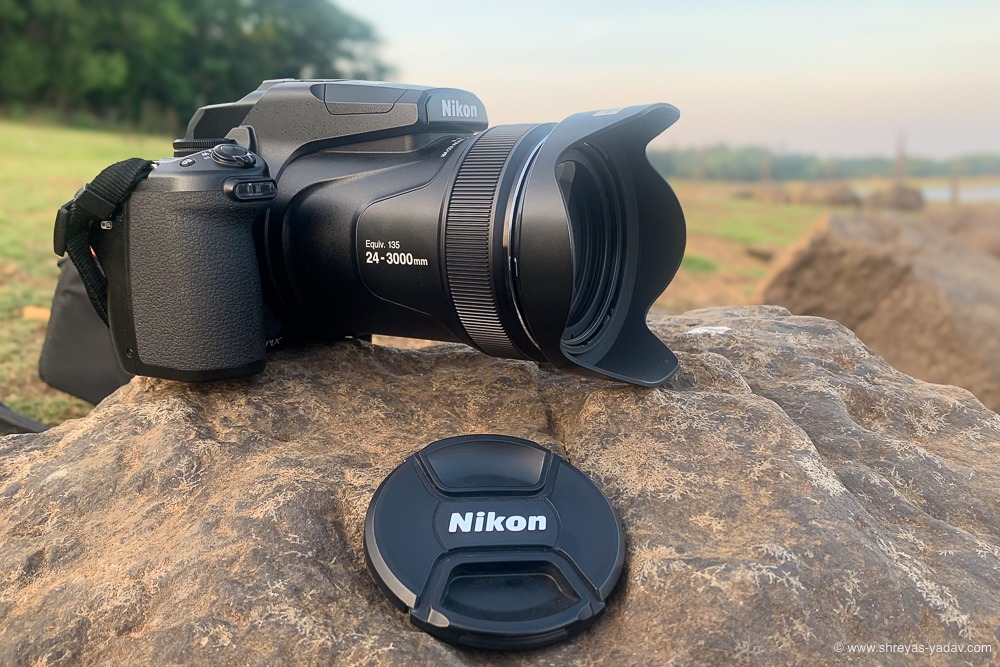
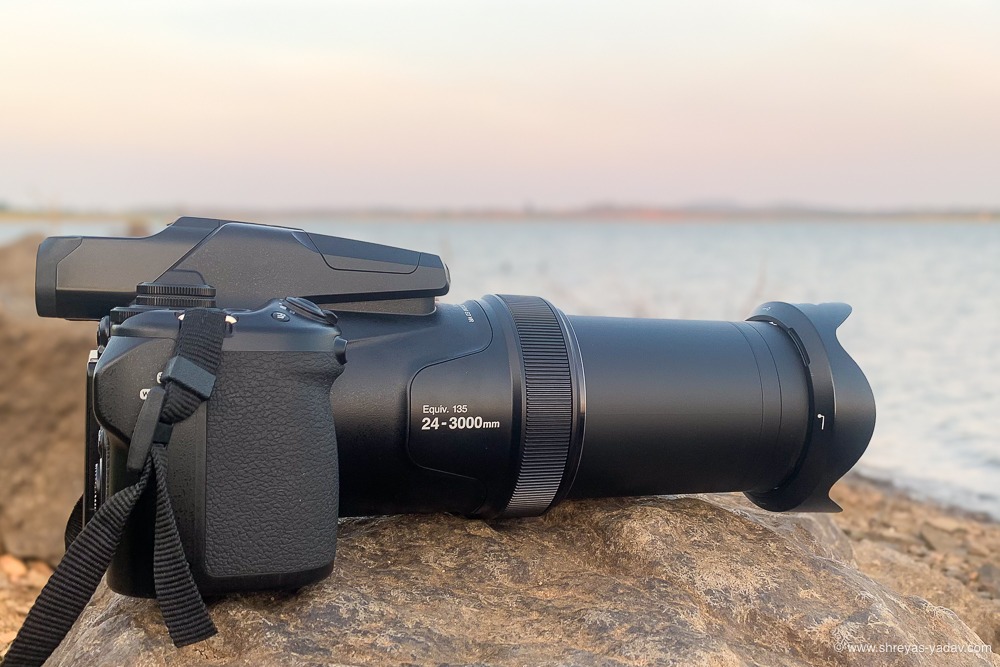
- Nikon COOLPIX P1000 – 125x optical zoom, 4K video
- Sony Cyber-shot RX10 IV – 24-600mm zoom, fast autofocus
- Canon PowerShot SX70 HS – 65x zoom, great image quality
Compact And Lightweight Options
Compact bridge cameras are easy to carry on long walks. They weigh less and fit in small bags or pockets. These cameras still offer decent zoom, usually between 20x and 30x. Ideal for bird watchers who hike or travel light but want good photo quality.
- Panasonic Lumix FZ80 – 60x zoom, lightweight design
- Canon PowerShot SX740 HS – 40x zoom, pocket-friendly
- Nikon COOLPIX B600 – 60x zoom, user-friendly features
Budget-friendly Picks
Budget bridge cameras deliver good results without high costs. They suit beginners or casual birders on a tight budget. Zoom ranges vary but still allow close shots of birds. These models focus on ease of use and solid performance.
- Canon PowerShot SX530 HS – 50x zoom, affordable price
- Nikon COOLPIX B500 – 40x zoom, simple controls
- Panasonic Lumix FZ70 – 60x zoom, great value
Professional-grade Choices
Professional bridge cameras provide top image quality and advanced features. They suit serious bird photographers who want sharp pictures and fast shooting. These cameras often include large sensors and RAW shooting options. Best for capturing birds in complex lighting and action scenes.
- Sony RX10 III – 24-600mm zoom, excellent image sensor
- Canon PowerShot G3 X – 25x zoom, large 1-inch sensor
- Panasonic Lumix FZ1000 II – 16x zoom, 4K video support
Credit: shreyas-yadav.com
Tips For Capturing Stunning Bird Photos
Capturing stunning bird photos requires more than just a good camera. Knowing how to adjust your settings and use the right techniques makes a big difference. Birds move fast, and light changes quickly. You need to be ready to snap sharp, clear images that show the bird’s beauty and detail.
Understanding the best settings, techniques for sharp images, and the best lighting helps you take photos that stand out. Practice these tips to improve your bird photography skills and enjoy better results in the field.
Best Settings For Birding
- Use a fast shutter speed to freeze motion, around 1/1000 seconds or faster.
- Set your camera to continuous shooting mode to capture multiple frames quickly.
- Choose a high ISO for bright exposure but avoid too much noise.
- Use aperture priority mode with a wide aperture (low f-number) for blurred backgrounds.
- Enable autofocus tracking to keep moving birds sharp.
Techniques For Sharp Images
- Hold your camera steady or use a tripod for stability.
- Focus on the bird’s eye to make the image more engaging.
- Use burst mode to increase chances of sharp shots.
- Practice panning to follow birds in flight smoothly.
- Keep your lens clean to avoid blurry spots.
Lighting And Timing
- Shoot during early morning or late afternoon for soft, warm light.
- Avoid harsh midday sunlight that causes strong shadows.
- Use backlighting carefully to highlight feathers but avoid silhouettes.
- Cloudy days can provide even light without glare.
- Be patient and wait for the perfect moment with good light.
Accessories To Enhance Birding Photography
Enhancing your birding photography experience often goes beyond just having the right bridge camera. The right accessories can make a huge difference in image quality, ease of use, and even your comfort during long birdwatching sessions. These tools help you capture sharper, clearer photos and protect your gear in unpredictable outdoor conditions.
Tripods And Monopods
Stable shots are crucial when photographing birds, especially at high zoom levels. A sturdy tripod or monopod keeps your camera steady, reducing blur caused by shaky hands.
Tripods are excellent for long observation sessions where you need full stability. Monopods, on the other hand, offer more mobility and are easier to carry on hikes. Think about your typical birding environment—do you need quick movement or long periods of stillness?
Look for lightweight materials like carbon fiber for easier transport and quick setup. Features like adjustable legs and a smooth pan head allow you to track fast-moving birds smoothly.
External Flashes
Birds often appear in shaded or low-light areas, making exposure tricky. An external flash can help brighten your subject without overexposing the background.
Using a flash off-camera reduces harsh shadows and creates a more natural look. Some flashes come with diffusers that soften the light, which is especially useful for delicate bird feathers.
Consider flash units with adjustable power settings so you can control the intensity based on the ambient light. Have you tried using fill flash to bring out the colors and details in a bird’s plumage?
Protective Gear
Birding often takes you to rugged locations where weather and terrain can be unpredictable. Protective gear for your camera ensures it stays safe from dust, rain, and accidental bumps.
Rain covers and waterproof cases shield your camera during sudden showers. Padded camera bags protect your equipment during travel and hikes, making it easier to carry multiple accessories.
Don’t forget lens caps and body caps—they prevent scratches and dust buildup. How do you currently protect your camera when venturing into challenging environments?

Credit: www.yahoo.com
Frequently Asked Questions
What Features Matter Most In A Bridge Camera For Birding?
Key features include long zoom lenses, fast autofocus, image stabilization, and high-resolution sensors. These help capture clear, detailed bird photos from a distance with ease.
How Does Zoom Range Affect Bird Photography?
A longer zoom range allows close-up shots of distant birds without disturbing them. It’s essential for capturing detailed images in birding.
Are Bridge Cameras Better Than Dslrs For Birding?
Bridge cameras offer portability and long zooms at lower cost. DSLRs provide better image quality but are bulkier and pricier.
Can Beginners Use Bridge Cameras For Birding Easily?
Yes, bridge cameras are user-friendly with automatic settings. They are ideal for beginners wanting quality bird photos without complex controls.
Conclusion
Choosing the best bridge camera for birding depends on your needs and budget. Focus on zoom power, image quality, and ease of use. A good camera helps you capture sharp, clear bird photos. Portability matters for long walks in nature.
Take time to compare features before you buy. This way, your birding experience becomes more fun and rewarding. Happy bird watching!




