
Have you ever found a tiny baby bird and wondered, “What can I feed baby birds to help them grow strong?” It’s natural to want to care for these fragile creatures, but giving them the wrong food can do more harm than good. You want to make sure your little feathered friend gets the right nutrition to thrive.
You’ll discover simple, safe, and effective feeding tips that anyone can follow. Keep reading to learn exactly what to offer baby birds and how to do it with confidence. Your care can make all the difference.

Credit: www.youtube.com
Natural Diet Of Baby Birds
Baby birds need specific foods to grow healthy and strong. Their natural diet varies by species but mainly includes soft, easy-to-digest items. Feeding them what they naturally eat helps support their development and survival. Understanding their diet helps caregivers provide the right nutrition.
Insects And Worms
Many baby birds eat insects and worms. These provide high protein and moisture. Caterpillars, beetles, and spiders are common choices. Worms offer essential nutrients that help muscles and feathers grow. Soft, small insects are easier for babies to swallow and digest.
Seeds And Grains
Some baby birds eat seeds and grains. These foods offer energy and fiber. Small seeds like millet or sunflower seeds are popular. Birds may need seeds softened or broken down. Seeds give important vitamins and fats for growth.
Fruits And Berries
Fruits and berries appear in many baby birds’ diets. These provide vitamins and natural sugars. Soft fruits like berries, apples, or grapes are common. Fruit pieces should be small and easy to eat. This helps boost their immune system and energy levels.
Safe Foods For Hand-feeding
Feeding baby birds requires care and attention to their nutritional needs. Safe foods provide the right nutrients and prevent harm. Choose items that are easy to digest and gentle on their tiny bodies. Avoid anything toxic or hard to swallow. Here are some safe options for hand-feeding baby birds.
Moistened Dog Or Cat Food
Dry dog or cat food can be softened with water. This creates a mushy texture suitable for baby birds. It contains protein and fat essential for growth. Use a high-quality brand with no added spices or artificial flavors. Avoid fish-based varieties as they may upset digestion.
Boiled Eggs
Eggs are rich in protein and easy to prepare. Boil an egg until hard, then mash it finely. Add a little water to make it soft and moist. This mixture mimics the natural diet of many baby birds. Feed in small amounts to avoid overfeeding.
Specialized Bird Formula
Commercial bird formulas are designed for hand-feeding young birds. They contain balanced nutrients and vitamins for healthy development. Mix the powder with warm water according to instructions. These formulas are safe and convenient for rescuers and bird lovers. Use fresh batches and discard leftovers.
Foods To Avoid
Feeding baby birds the wrong foods can harm their health. Certain items can upset their digestion or cause serious illness. Knowing which foods to avoid helps keep them safe and strong. Stay clear of these common harmful foods.
Milk And Dairy
Baby birds cannot digest milk or dairy products. Their bodies lack the enzymes needed to break down lactose. Feeding milk may cause stomach upset, diarrhea, or dehydration. Avoid giving any cheese, yogurt, or cream to baby birds.
Processed Human Foods
Processed foods contain salt, sugar, and additives. These ingredients are dangerous for baby birds. Avoid chips, bread, candy, and fast food. These foods offer no nutrition and can cause serious health problems.
Toxic Plants And Foods
Some plants and foods are poisonous to birds. Avoid avocado, chocolate, caffeine, onions, and garlic. These can cause illness or death. Also, keep baby birds away from toxic houseplants and garden plants.
Feeding Techniques
Feeding baby birds requires careful attention and gentle care. Proper techniques ensure their health and growth. Knowing how often to feed them, what tools to use, and how to keep everything clean makes a big difference.
Proper Feeding Frequency
Baby birds need food often because they grow fast. Very young birds may require feeding every 15 to 20 minutes. As they get older, feeding can slow to every 30 minutes or an hour. Watch the bird’s behavior for hunger signs. Avoid overfeeding to prevent health problems.
Correct Feeding Tools
Use small, soft tools to feed baby birds. A syringe or dropper works well for liquid or soft food. Tweezers help place food gently in the bird’s mouth. Avoid sharp or hard tools that might hurt the bird. Keep tools the right size for the bird’s beak.
Maintaining Hygiene
Cleanliness is key to prevent infections. Always wash hands before handling baby birds or food. Sterilize feeding tools after each use with hot water or mild soap. Replace leftover food to avoid bacteria growth. Keep the feeding area tidy and dry at all times.
Signs Of Healthy Growth
Recognizing the signs of healthy growth in baby birds helps ensure they receive the right care. Healthy baby birds show clear signals of proper development and well-being. Observing these signs can guide feeding and care routines effectively.
Weight Gain
Healthy baby birds steadily gain weight every day. A slight increase means they are eating enough and growing well. Sudden weight loss or no gain can indicate illness or poor feeding. Use a small scale to track their weight regularly.
Feather Development
Feathers start to grow within a few days after hatching. Look for smooth, shiny feathers replacing downy fluff. Proper feather growth means good nutrition and health. Patchy or slow feather growth may show a need for dietary changes.
Activity Levels
Active baby birds respond to sounds and movement around them. They wiggle and stretch their wings often. Low energy or constant sleeping could be a sign of weakness. Healthy activity levels reflect good strength and comfort.

Credit: m.youtube.com
When To Seek Help
Understanding when to seek help is crucial. Consult a wildlife expert if a baby bird appears sick or injured. They can provide the best advice on what to feed them safely.
When discovering a baby bird in need, knowing when to seek help is crucial. Sometimes, despite our best intentions, professional assistance becomes necessary. Understanding the signs and knowing who to contact can make a difference.Signs Of Illness
A sick baby bird may show visible distress. Look for signs like labored breathing or drooping wings. A lack of response to stimuli is another red flag. Wet or crusty eyes can indicate illness. These signs suggest the bird needs immediate professional care.Contacting Wildlife Rehabilitators
Reach out to local wildlife rehabilitators for expert help. They have the skills and resources to care for baby birds. You can find contacts through local animal control or veterinary clinics. Explain the bird’s condition clearly. This information helps them prepare for the bird’s arrival.Legal Considerations
Handling wild birds can have legal restrictions. Many species are protected by law. It’s important to know your local regulations. This ensures you act within the law and the bird gets the best care. Always prioritize the bird’s welfare while adhering to legal guidelines.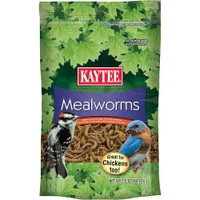
Credit: www.petsradar.com
Frequently Asked Questions
What Are The Best Foods To Feed Baby Birds?
Baby birds thrive on protein-rich foods like mealworms, finely chopped boiled eggs, and soft fruits. Avoid bread or milk, which can harm them. Feeding them small insects and mashed fruits helps mimic their natural diet and supports healthy growth.
Can I Feed Baby Birds Bread Or Milk?
No, bread and milk are unsafe for baby birds. Bread lacks essential nutrients and can cause malnutrition. Milk is hard for birds to digest and may cause digestive issues. Stick to natural, nutrient-rich foods like insects and fruits for their wellbeing.
How Often Should I Feed Baby Birds?
Feed baby birds every 15 to 20 minutes during daylight hours. Young birds require frequent feeding to meet their high energy needs. Consistent feeding ensures proper growth and development until they can eat independently.
Is It Safe To Feed Baby Birds With A Syringe?
Yes, using a syringe is safe if done gently and correctly. It helps control portion size and prevents choking. Always use lukewarm food and feed slowly to avoid harming the baby bird’s throat.
Conclusion
Feeding baby birds takes care and the right food. Soft, easy-to-digest foods like soaked dog kibble or mealworms work well. Avoid giving bread or milk, as they can harm birds. Watch them closely to make sure they eat safely. With patience and the correct food, baby birds can grow strong and healthy.
Helping these tiny creatures is rewarding and fun. Always remember to respect wildlife and avoid disturbing nests too much. Small actions make a big difference in a baby bird’s life. Keep learning and caring for our feathered friends.




