
Have you ever wondered which birds go after yellow jackets? If these buzzing insects are causing trouble around your home, knowing their natural predators can help you understand how nature keeps them in check.
By discovering what birds prey on yellow jackets, you’ll learn about allies in your backyard who can reduce these pests without any effort from you. Keep reading to find out which feathered hunters you might spot nearby and how they play a vital role in controlling yellow jacket populations.
Your outdoor space could become more peaceful with this natural help!
Yellow Jackets As Prey
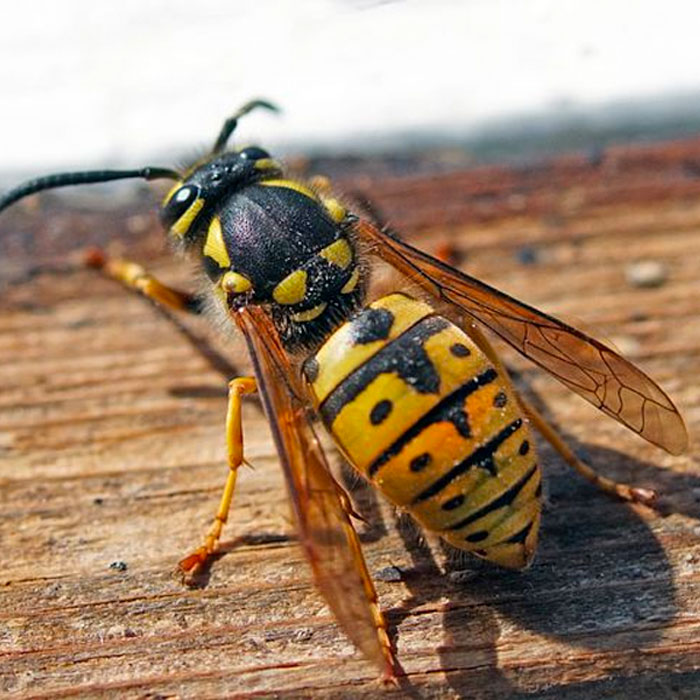
Yellow jackets are small wasps known for their aggressive behavior. Many birds see them as a good food source. Birds catch yellow jackets despite their stings.
These wasps provide important nutrition for birds during certain seasons. Birds often hunt yellow jackets near nests and flowers.
Why Birds Target Yellow Jackets
Birds target yellow jackets because they are easy to find. Yellow jackets fly during the day and are active in open areas. Birds can spot them quickly.
Yellow jackets are also slower when carrying food. This makes them easier prey for birds. Some birds have techniques to avoid getting stung.
- Yellow jackets are common near flowers and plants.
- They fly slowly when searching for food.
- Birds can catch them in midair or on the ground.
- Birds like to eat larvae in yellow jacket nests.
Nutritional Value Of Yellow Jackets
Yellow jackets are rich in protein and fat. These nutrients help birds stay strong and healthy. Protein is important for muscle growth and repair.
Birds need energy to fly and hunt. Fat from yellow jackets gives them this energy. Eating yellow jackets helps birds survive in tough seasons.
- High protein content supports bird muscle health.
- Fat provides a quick energy source.
- Contains vitamins and minerals useful for birds.
- Offers a balanced diet when combined with other insects.

Credit: www.reddit.com
Common Birds That Hunt Yellow Jackets
Yellow jackets are aggressive wasps that many birds prey on. These birds help control yellow jacket populations naturally. They catch and eat yellow jackets as part of their diet.
This article covers three common birds known for hunting yellow jackets. Learn how each bird hunts and benefits from this food source.
European Bee-eater
The European bee-eater is a colorful bird that feeds on flying insects. Yellow jackets are one of its favorite prey. It catches them mid-air with great skill.
- Bright plumage with green, blue, and yellow colors
- Sharp beak to catch stinging insects safely
- Perches on branches to spot flying yellow jackets
- Dives quickly to grab yellow jackets in flight
Red-winged Blackbird
Red-winged blackbirds eat many insects, including yellow jackets. They often hunt near water and marshes where yellow jackets are common. Their sharp eyesight helps them find prey.
| Hunting Method | Description |
| Ground Foraging | Searching for yellow jackets on plants and ground |
| Air Snatching | Catching flying yellow jackets mid-air |
| Swarm Attacking | Chasing groups of yellow jackets to catch one |
Blue Jays
Blue jays are bold birds that eat yellow jackets and other wasps. They use their strong beaks to kill yellow jackets before eating them. Blue jays also eat larvae found in nests.
Blue Jay Hunting Behavior:
- Scouting for yellow jacket nests
- Using beak to break open nests
- Eating adult yellow jackets and larvae
- Often hunting alone or in small groups
Unexpected Bird Hunters
Yellow jackets are tough insects that many animals avoid. Some birds, though, hunt them for food. These birds use smart ways to catch yellow jackets without getting stung.
We will look at three bird types that surprise many people by preying on yellow jackets. Their hunting skills help control yellow jacket numbers in nature.
Woodpeckers
Woodpeckers are known for pecking on trees, but they also eat insects like yellow jackets. They use their strong beaks to break into nests and catch the wasps inside.
Woodpeckers eat yellow jackets to get protein. They carefully remove wasps from tree holes or old nests.
Warblers
Warblers are small, colorful birds that mostly eat insects. They catch yellow jackets in flight or pick them off leaves. Warblers are quick and avoid stings by catching wasps fast.
- Warblers hunt during the day when yellow jackets are active.
- They catch yellow jackets midair or from plants.
- Warblers eat many types of insects, including wasps.
Orioles
Orioles feed on yellow jackets but use a different method. They grab wasps and rub them against branches to remove stingers. This keeps orioles safe while eating.
| Orioles’ Hunting Steps | Description |
| Spotting | Orioles watch for yellow jackets near flowers or nests. |
| Catching | They quickly snatch the wasp with their beaks. |
| Disarming | Orioles rub wasps on branches to remove stingers. |
| Eating | Once safe, they eat the yellow jackets. |

Credit: www.vikingpest.com
Hunting Techniques Used By Birds
Many birds eat yellow jackets as part of their diet. These birds use different ways to catch them. Each way depends on the bird’s skills and the yellow jackets’ behavior.
Birds must be quick and careful. Yellow jackets can sting, so birds use smart hunting techniques to stay safe.
Aerial Snatching
Some birds catch yellow jackets while flying. They spot the insects in the air and grab them quickly. This method needs fast reflexes and sharp eyesight.
Birds like flycatchers and swallows use aerial snatching. They wait near places where yellow jackets fly often. Then, they swoop in and catch the insects midair.
- Birds watch for yellow jackets flying between flowers or trees
- They fly fast and catch yellow jackets with open beaks
- This method avoids close contact with nests
Ground Foraging
Some birds hunt yellow jackets on the ground. They look for resting or slow-moving yellow jackets. Birds like thrushes and sparrows often use this way.
Birds walk or hop on the ground to find yellow jackets. They peck quickly to catch and eat them before they can sting.
- Birds search under leaves and near flowers
- They catch yellow jackets that are slower or feeding
- This method is less risky than attacking nests
Nest Raiding
Some birds attack yellow jacket nests to get many insects at once. Woodpeckers and some jays use this method. It is the most dangerous because yellow jackets defend their nests.
Birds use strong beaks to break into nests. They grab yellow jackets quickly before the insects can sting. Birds may retreat and try again if attacked.
- Birds find yellow jacket nests in trees or underground
- They use fast pecks to open the nest
- They eat many yellow jackets at once
- Birds stay alert to avoid stings
Adaptations For Handling Stings
Many birds prey on yellow jackets despite their painful stings. These birds have special adaptations that help them avoid getting hurt. Their bodies and behaviors work together to handle the threat of stings.
Understanding these adaptations helps us see how birds survive attacks from yellow jackets. They use both physical tools and smart actions to catch their prey safely.
Beak And Claw Modifications
Birds that hunt yellow jackets often have strong, sharp beaks and claws. These help them catch and kill the insects quickly. Their beaks are shaped to grab yellow jackets without getting stung easily.
- Sharp, pointed beaks pierce the yellow jacket’s body fast.
- Strong claws hold the insect tightly to stop it from escaping.
- Some birds have thicker skin around their beak and claws for protection.
- Quick movements reduce the chance of being stung during capture.
Behavioral Strategies
Birds use smart behaviors to avoid stings while hunting yellow jackets. They watch for signs of danger and choose the best time to attack. Some birds remove the stinger before eating.
| Behavior | Purpose |
| Quick pecking | Reduces time in contact with yellow jacket |
| Shaking prey | Dislodges stinger before eating |
| Targeting isolated insects | Avoids attacking groups with many defenders |
| Watching for warning signs | Prevents surprise attacks |
Credit: localgardener.net
Impact On Yellow Jacket Populations
Birds can help control yellow jacket populations. They are natural predators and keep the numbers balanced.
Understanding which birds eat yellow jackets helps in natural pest control. This can lead to a healthier ecosystem.
Natural Pest Control
Certain birds actively hunt yellow jackets. This reduces the need for chemical pesticides, which can harm the environment.
- Bluebirds
- Woodpeckers
- Warblers
Balancing Ecosystems
Birds that prey on yellow jackets are part of a balanced ecosystem. They help control insect populations and maintain natural order.
Here’s a simple HTML example to illustrate bird activity:
- Birds hunt during the day.
- They consume insects like yellow jackets.
- This process supports plant pollination indirectly.
Frequently Asked Questions
What Birds Are Natural Predators Of Yellow Jackets?
Several bird species prey on yellow jackets, including bee-eaters, tanagers, and woodpeckers. These birds help control yellow jacket populations naturally.
How Do Birds Catch Yellow Jackets Safely?
Birds catch yellow jackets using quick, precise movements. Their thick feathers and agile flight protect them from stings during hunting.
Why Do Some Birds Prefer Yellow Jackets As Food?
Yellow jackets are protein-rich, making them a nutritious meal. Birds often target them during summer when yellow jackets are abundant.
Can Attracting Certain Birds Reduce Yellow Jacket Problems?
Yes, attracting birds like woodpeckers and tanagers can help control yellow jackets. Bird feeders and habitat-friendly plants encourage these natural predators.
Conclusion
Birds that eat yellow jackets help control their numbers. They keep the insect population balanced in nature. Some common birds that prey on yellow jackets include orioles, woodpeckers, and tanagers. These birds catch the wasps quickly and avoid getting stung.
Understanding which birds feed on yellow jackets can help you appreciate nature’s role. It shows how animals work together in the ecosystem. Nature finds ways to manage pests without human help. Watching these birds can also be a fun experience.
They bring life and balance to your garden or yard.




