
Are sparrows taking over your bird feeders and leaving little for other birds? It can be frustrating to see these tiny visitors dominate your feeding spots.
You want to enjoy a variety of beautiful birds, not just sparrows. Luckily, there are simple and effective ways you can keep sparrows away without harming them. You’ll discover easy tips and tricks that work. By the end, your bird feeders will attract the birds you love, making your outdoor space more peaceful and enjoyable.
Keep reading to find out how to take back control of your feeders today!
Credit: www.etsy.com
Reasons Sparrows Visit Feeders
Sparrows often visit bird feeders for simple and clear reasons. They need food, shelter, and safety. Feeders provide easy access to seeds and grains, which are part of their diet. Sparrows are also social birds, so feeders become gathering spots. Understanding why sparrows come to feeders helps in managing their visits effectively.
Sparrow Behavior And Diet
Sparrows are small, active birds that eat mostly seeds and grains. They prefer eating on the ground but often visit feeders for extra food. These birds are social and tend to feed in groups, making feeders attractive spots. Sparrows are quick to find new food sources and return often. They also look for water and shelter near feeders.
Attractive Feeder Types
Certain feeders attract sparrows more than others. Tube feeders with large seed ports allow easy access. Platform feeders provide plenty of space for groups to feed together. Ground feeders attract sparrows because they mimic their natural feeding habits. Feeders with millet, cracked corn, and sunflower seeds are especially popular. Plastic or metal feeders with easy perches invite sparrows to land and eat.

Credit: www.birdfy.com
Choosing Sparrow-resistant Feeders
Choosing sparrow-resistant feeders is key if you want to enjoy watching a variety of birds without the sparrows taking over your bird feeder. Sparrows are quick, persistent, and can outcompete other birds for food. Selecting the right feeder helps limit their access and encourages a more diverse group of visitors.
Feeder Designs To Limit Access
Feeders designed with small perches or no perches at all can prevent sparrows from comfortably landing and feeding. Tube feeders with tiny feeding ports are effective because sparrows struggle to reach the food through narrow openings.
Consider feeders with weight-sensitive perches that close the feeding ports when heavier birds like sparrows try to land. This design allows lighter birds, such as finches and chickadees, to feed without interference.
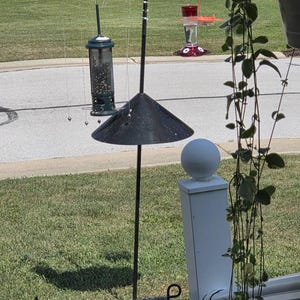
Have you noticed how some feeders have cages around them? Those cages let smaller birds in but keep sparrows out. This simple design adjustment can make a big difference in who visits your feeder.
Material And Size Considerations
Feeders made from smooth materials like metal or plastic are harder for sparrows to cling to compared to rougher wood surfaces. Choosing feeders with slippery surfaces can discourage sparrow perching.
The size of the feeding ports matters too. Smaller ports limit the type of birds that can access the seed inside. For instance, a feeder with ¼-inch feeding holes is less attractive to sparrows but perfect for tiny birds like nuthatches.
Think about your local bird population and the types of birds you want to attract. Adjusting feeder size and material can help you control sparrow visits and support the species you prefer.
Feeder Placement Strategies
Feeder placement plays a key role in keeping sparrows away. Sparrows prefer easy access and low visibility barriers. By choosing the right location, you can reduce their visits. Small changes in height and distance affect which birds can reach the feeder. Focus on locations that favor your desired birds over sparrows.
Ideal Locations To Discourage Sparrows
Pick spots that are less attractive to sparrows but inviting for other birds. Avoid areas close to bushes or dense vegetation where sparrows like to hide. Open spaces near trees or tall plants work well. Sparrows avoid feeders placed near noisy or busy areas. Sunlit spots may attract more birds but also sparrows. Choose shaded areas with clear views for better control.
Using Distance And Height Effectively
Place feeders at heights sparrows find hard to reach, usually above 5 feet. Sparrows prefer feeders close to the ground or low branches. Use poles or hang feeders from tree branches high enough to deter sparrows. Keep feeders at least 10 feet away from perches or hiding spots. This distance reduces sparrows’ ability to quickly access food. Proper height and distance create a less welcoming environment for sparrows.

Credit: happygardens.com
Seed Selection To Deter Sparrows
Choosing the right seeds plays a key role in keeping sparrows away from bird feeders. Sparrows prefer certain seeds, so avoiding those can reduce their visits. Offering seeds favored by other birds helps attract desired visitors instead. This approach balances feeding your favorite birds and deterring sparrows effectively.
Preferred Seeds For Other Birds
Many birds enjoy seeds that sparrows tend to ignore. These seeds attract finches, chickadees, and cardinals. Use these seeds to create a sparrow-free feeding area.
- Nyjer (thistle) seed: Loved by finches, rarely eaten by sparrows.
- Sunflower chips: Shelled sunflower seeds attract many birds but are less favored by sparrows.
- Peanuts: Peanuts in feeders appeal to woodpeckers and titmice, not sparrows.
- Safflower seeds: Cardinals and grosbeaks enjoy safflower, sparrows dislike it.
Seeds Sparrows Tend To Avoid
Some seeds naturally repel sparrows due to their taste or texture. Including these in your feeder mix reduces sparrow visits.
- Safflower seeds: Bitter flavor deters sparrows but attracts cardinals.
- Nyjer seeds: Small and oily, sparrows find them hard to eat.
- White proso millet: Less preferred by sparrows but liked by doves and quail.
Physical Deterrents For Sparrows
Keeping sparrows away from your bird feeders can be tricky, especially when you want to protect the food for other birds. Physical deterrents offer a direct way to control sparrow access without harming them. These tools create barriers or distractions that make your feeders less appealing or harder for sparrows to reach.
Using Spikes And Nets
Spikes and nets are practical solutions that physically block sparrows from landing or entering feeder areas. You can place plastic or metal spikes around the feeder’s perch or on nearby surfaces to prevent sparrows from settling there.
Nets work well when you want to cover a larger area, like a fruit tree or a feeder stand. They keep sparrows out while allowing smaller, more agile birds to access the food. Have you noticed how sparrows struggle to maneuver through tightly woven nets? That’s exactly the advantage you want.
Make sure to check the spikes and nets regularly. Debris or weather can reduce their effectiveness. Adjust placement if sparrows find a way around them.
Visual And Sound Repellents
Visual deterrents use movement and reflections to scare sparrows away. Items like shiny tape, reflective discs, or even fake predators such as plastic owls can create an unsettling environment for sparrows.
Sound repellents emit noises uncomfortable for sparrows but less disturbing for other birds. Ultrasonic devices or recordings of predator calls can discourage sparrows from hanging around your feeders.
One thing I’ve learned is that sparrows can get used to static visual repellents if they don’t move. Changing the position or combining visual and sound deterrents keeps sparrows guessing and more likely to stay away.
Maintaining A Sparrow-free Feeding Area
Install feeders designed to deter sparrows. Adjust seed types to less appealing options for these birds. Keep the area clean and monitor feeder placement to discourage sparrow visits.
Maintaining a sparrow-free feeding area can be a delightful challenge. Sparrows, while charming in their own right, can often dominate feeders, leaving little for other feathered friends. By adopting a few simple practices, you can create a balanced environment that welcomes a variety of birds to your yard.Regular Cleaning Practices
A clean feeding area is less inviting to sparrows. Regularly clean your feeders and the surrounding area to prevent the buildup of seeds and waste. This not only deters sparrows but also reduces the risk of disease among all visiting birds. Make it a routine to wash your feeders with warm, soapy water at least once a week. If you notice any mold or clumps of old seed, clean more frequently. A sparkling feeder is more appealing to desirable bird species and less appealing to sparrows.Minimizing Food Spillage
Spilled seed on the ground is an open invitation to sparrows. To minimize spillage, use feeders designed to reduce waste, such as those with trays or catchers. Ground feeding becomes less attractive, and you’ll notice fewer sparrows congregating under your feeders. Consider using hulled sunflower seeds or suet, which create less mess. If you notice spillage, try adjusting the feeder height or location. Finding the right setup can make all the difference in keeping sparrows at bay. Have you ever tried adjusting the feeding schedule? Feeding at specific times rather than leaving food out all day can also help control sparrow visits. Be observant and adapt your approach to see what works best in your garden.Frequently Asked Questions
How Can I Deter Sparrows From Bird Feeders?
Use feeders with smaller openings to exclude sparrows. Place feeders away from windows and add sparrow-proof guards. Offering seeds sparrows dislike, such as safflower, also helps keep them away.
What Bird Seeds Repel Sparrows Effectively?
Safflower seeds and nyjer seeds are less appealing to sparrows. These seeds attract finches and other desired birds instead, reducing sparrow visits to your feeder.
Are There Safe Methods To Keep Sparrows Away?
Yes, use visual deterrents like reflective tape or fake predators. Regularly clean feeders to prevent sparrow dominance. Avoid harmful chemicals to protect all bird species.
Can Feeder Placement Reduce Sparrow Visits?
Yes, placing feeders in open areas or near taller trees discourages sparrows. Sparrows prefer sheltered spots, so strategic placement limits their access.
Conclusion
Keeping sparrows away from bird feeders takes patience and simple steps. Use feeders designed to attract specific birds. Place feeders in open areas where sparrows feel unsafe. Try different seeds that sparrows don’t like. Regularly clean the feeder to avoid unwanted visitors.
Watching your feeder can help you learn what works best. Small changes can make a big difference over time. Enjoy feeding the birds you love without sparrows taking over. Stay consistent and observe to keep your bird feeder happy.




