
Are you tired of ants invading your bird feeders and stealing the food meant for your feathered friends? It can be frustrating to watch tiny invaders spoil your peaceful bird-watching moments.
But don’t worry—you can stop ants from taking over your feeders with some simple, effective tricks. You’ll discover easy ways to keep ants away so you can enjoy watching birds without unwanted pests ruining the fun. Keep reading, and you’ll learn how to protect your feeders and create a peaceful haven for the birds you love.
Why Ants Are Attracted To Bird Feeders
Ants are drawn to bird feeders because they offer a reliable food source. These tiny insects can sense food from far away. Bird feeders hold seeds, nectar, and other tasty treats. Ants take advantage of this easy meal. Understanding why ants visit feeders helps in keeping them away effectively.
Common Food Sources
Bird feeders often contain foods that attract ants, such as:
- Seeds and grains with oils and sugars
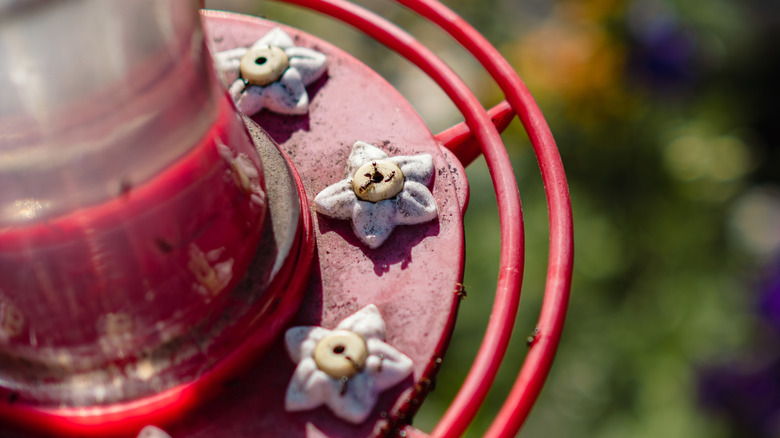
- Sweet nectar in hummingbird feeders
- Crumbs and spilled bird food around the feeder
Ants are especially attracted to sugary nectar and oily seeds. These foods provide energy and nutrients ants need to survive.
Feeder Design And Placement
The shape and position of feeders can invite ants. Feeders with exposed food make it easy for ants to crawl in. Placing feeders near trees or bushes gives ants a bridge to access. Ants can also climb poles or hang from branches to reach feeders.
Choosing designs with ant barriers and placing feeders away from ant trails helps prevent infestations.
Credit: www.outdoorguide.com
Choosing The Right Bird Feeder
Choosing the right bird feeder plays a big role in keeping ants away. Not all feeders are created equal when it comes to preventing these tiny invaders. Picking a feeder designed with ant resistance can save you time and frustration.
Ant-resistant Feeder Types
Look for feeders that have built-in ant guards. These usually include features like wide baffles or moats filled with water. The water moat acts as a barrier, stopping ants from reaching the seeds.
Tube feeders with smooth surfaces are harder for ants to climb. Platform feeders with raised edges can also deter ants if combined with other barriers. Have you tried placing feeders on poles with ant guards? It’s a simple tweak that often works wonders.
Materials That Deter Ants
Materials matter. Metal feeders, especially those made from aluminum or stainless steel, offer fewer grip points for ants compared to wood or plastic. Smooth, non-porous surfaces make it difficult for ants to crawl.
Some feeders use slippery coatings or finishes that ants avoid. Glass feeders can also be effective because ants find it tough to cling to glass surfaces. Consider your local weather too—metal feeders may last longer and stay cleaner, helping reduce ant attraction.
Physical Barriers To Stop Ants
Physical barriers offer a simple and effective way to keep ants away from bird feeders. They create a block that ants cannot cross, protecting the food source without harmful chemicals. These barriers work well in any outdoor setting and help maintain a clean feeding area for birds.
Using Ant Moats
Ant moats are small water-filled containers placed above the feeder. Ants cannot swim across the water to reach the bird food. These moats are easy to install and refill. They act as a natural moat, stopping ants from climbing down to the feeder. A simple cup or ring filled with water can work as an ant moat.
Applying Sticky Barriers
Sticky barriers block ants from climbing poles or feeder supports. Apply a sticky substance like petroleum jelly or commercial ant barrier tape around the feeder’s pole or hanger. The sticky surface traps ants, preventing access to the feeder. Replace or clean the sticky layer regularly to keep it effective and free from dirt.
Positioning On Poles And Hangers
Place bird feeders on smooth, tall poles to limit ant access. Use metal or plastic poles, as ants find these hard to climb. Avoid wooden poles that ants can climb easily. Hanging feeders on thin wires or chains also reduces ant problems. Keep feeders away from trees or structures that ants use as bridges.

Credit: www.yahoo.com
Natural Repellents For Ant Control
Keeping ants away from your bird feeders can be challenging, especially if you want to avoid harsh chemicals. Natural repellents offer a safe and effective way to protect your feeders without harming the birds or the environment. These options are easy to apply and often use ingredients you may already have at home.
Essential Oils And Herbs
Essential oils like peppermint, tea tree, and eucalyptus are powerful natural ant deterrents. You can mix a few drops with water and spray the solution around your bird feeder’s base and hanging points. The strong scents confuse ants and discourage them from approaching.
Herbs such as rosemary, mint, and bay leaves also repel ants effectively. Try placing small bundles of these herbs near your feeder or sprinkle dried leaves around the area. Not only do they keep ants away, but they also add a pleasant aroma to your garden.
Non-toxic Sprays
Non-toxic sprays made from simple household ingredients provide a safe barrier against ants. A popular recipe combines white vinegar with water in equal parts, which you can spray around the feeder stand and nearby surfaces. Vinegar disrupts the ants’ scent trails, making it harder for them to find their way.
Another option is a mixture of dish soap and water. This solution breaks down the ants’ exoskeletons and deters them from climbing. Spray it carefully on the feeder legs and surrounding areas, but avoid directly spraying the bird food.
Maintaining Cleanliness Around Feeders
Keeping the area around your bird feeders clean is a key step to preventing ants from invading. Ants are attracted to leftover seeds and sticky residues, so maintaining cleanliness disrupts their food source. A tidy feeding spot not only keeps ants away but also creates a healthier environment for the birds you want to attract.
Regular Cleaning Tips
Make cleaning your bird feeders a routine part of your yard maintenance. Use warm, soapy water to wash feeders at least once a week. This helps remove any sticky sap, mold, or seed dust that ants find irresistible.
Don’t forget to clean the surrounding area too. Wipe down poles, stands, and trays to remove any hidden crumbs. You might be surprised how small spills can invite big ant problems.
Have you ever noticed ants marching right up to feeders that look clean at first glance? That’s often because of tiny residues left behind. Cleaning thoroughly stops these tiny invaders before they settle in.
Removing Spilled Seeds
Spilled seeds on the ground are like a welcome sign for ants. Use a small broom or handheld vacuum to regularly sweep up seeds beneath and around your feeders. This simple action cuts off an easy food source for ants.
Consider placing a tray or mat under your feeder to catch falling seeds. It makes cleanup faster and prevents seeds from scattering into the soil. You’ll reduce ant visits and keep your yard looking neat.
Think about how much seed you’re actually putting out. Overfilling feeders leads to more spills, which means more ants. Adjust the amount to what birds can realistically eat between cleanings and watch the ant problem shrink.
Additional Tips For Long-term Prevention
Keeping ants away from bird feeders requires ongoing attention. Simple strategies can help ensure your bird feeders remain ant-free. Here are some additional tips for long-term prevention.
Monitoring Ant Activity
Regularly check for ant trails. Observe the area around your bird feeder. Note any increase in ant numbers. This helps in early detection of potential problems. Adjust your prevention methods based on these observations. Keep track of changes in ant behavior to stay proactive.
Seasonal Adjustments
Ant activity can vary with seasons. During warmer months, ants may become more active. Consider increasing preventive measures during these times. In cooler months, you might notice less ant activity. Adjust your strategies accordingly to maintain an ant-free feeder.

Credit: www.hummingbirdsociety.org
Frequently Asked Questions
How Can I Prevent Ants From Reaching Bird Feeders?
Use ant moats or barriers filled with water to block ants. Clean spills regularly and place feeders away from trees or walls.
What Natural Remedies Repel Ants Near Bird Feeders?
Apply cinnamon, vinegar, or diatomaceous earth around feeders. These natural substances discourage ants without harming birds or pets.
Are Ant-proof Bird Feeders Effective?
Yes, feeders with built-in ant guards or trays are highly effective. They stop ants from climbing and protect bird food.
How Often Should I Clean Bird Feeders To Avoid Ants?
Clean feeders weekly or when food spills occur. Regular cleaning removes food residues that attract ants and other pests.
Conclusion
Keeping ants away from bird feeders is easier than you think. Use barriers like sticky tape or water moats to block ants. Clean the feeder regularly to avoid crumbs that attract insects. Place feeders away from trees and walls where ants travel.
These simple steps protect your bird food and invite more birds. Enjoy watching birds without worrying about ants invading their meals. Small changes make a big difference in your garden. Try these tips today and keep your feeders ant-free.




