
Have you ever found a tiny baby bird and wondered how to help it survive? Feeding baby birds can feel tricky, but with the right tips, you can give them the care they need.
Knowing what to feed them, how often, and the best way to do it makes all the difference. If you want to be sure your little feathered friend grows strong and healthy, keep reading—this guide will walk you through every step, making it simple and clear.
Your quick action could save a life!
Identifying Baby Birds
Identifying baby birds is the first step before feeding them. Each baby bird looks different depending on its age and species. Knowing these details helps provide proper care and food. Observing size, feathers, and behavior gives clues about the bird’s stage. Recognizing the species helps choose the right diet. Careful identification prevents harm to the baby bird.
Recognizing Different Stages
Baby birds grow quickly. They pass through several stages:
- Hatchlings: No feathers, eyes closed, very small.
- Nestlings: Some feathers, open eyes, still mostly in nest.
- Fledglings: Fully feathered, learning to fly, may leave nest.
Each stage needs different care and feeding methods. Hatchlings need frequent feeding and warmth. Nestlings require soft food and gentle handling. Fledglings eat on their own but may need support.
Distinguishing Species
Baby birds often look alike. Species identification helps feed proper food. Notice these features:
- Size and shape of the beak
- Feather color and pattern
- Calls or sounds they make
- Habitat where found
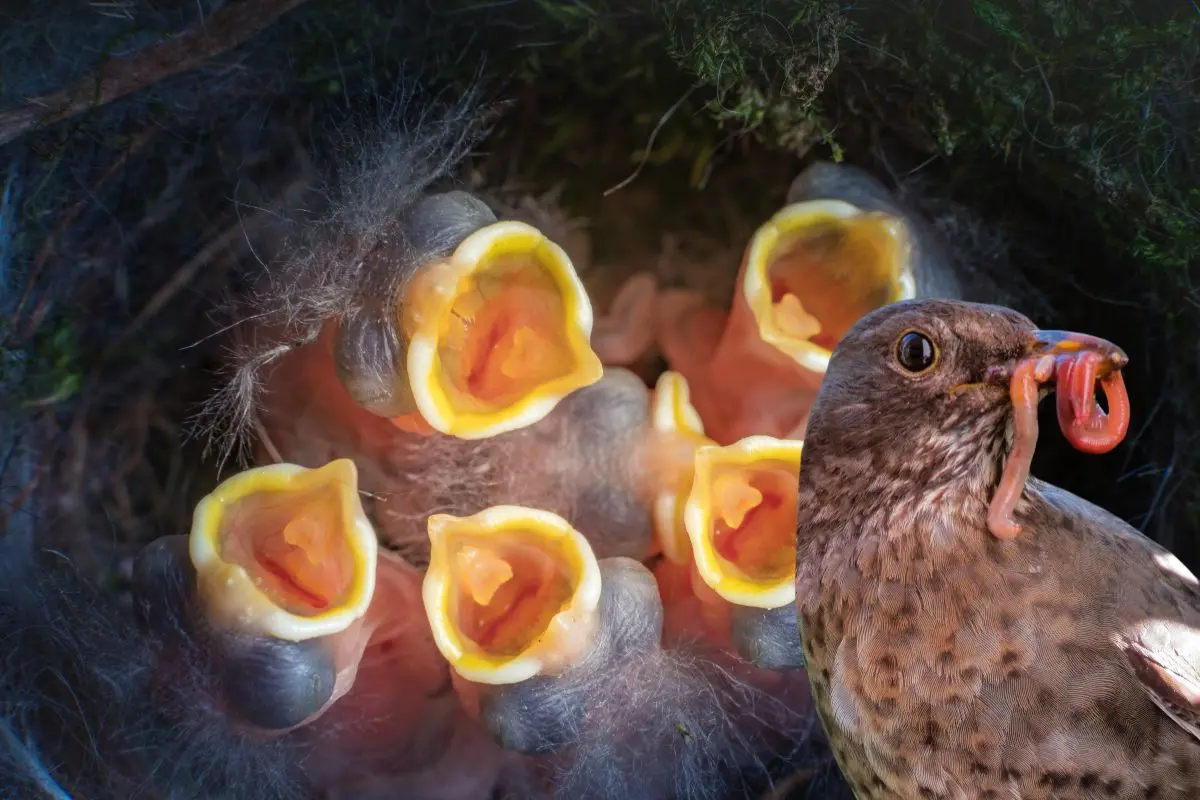
Common backyard species include robins, sparrows, and finches. Each has unique needs. For example, insect-eating birds require protein-rich food. Seed-eaters need softer seeds. Identifying species guides feeding choices and care.
Credit: wildbloo.com
When To Intervene
Knowing when to step in and feed baby birds is very important. Not every baby bird found needs help. Sometimes, the parents are nearby and caring for their young. Understanding the right moment to intervene can save the bird’s life without causing harm.
Signs Of Abandonment
Look for these signs to see if a baby bird is truly abandoned:
- No parent birds seen around for several hours.
- Baby bird is cold or very quiet for a long time.
- Bird looks weak, has drooping wings, or is very thin.
- Nest is damaged or missing, and no parents return.
These signs suggest the bird may need help. If none of these appear, the parents might still be caring for it.
Assessing Immediate Danger
Check if the baby bird is in danger before helping. Danger can come from:
- Predators like cats, dogs, or other animals nearby.
- Harsh weather such as heavy rain or extreme heat.
- Being in a busy place with lots of people or traffic.
- Falling from the nest into a hard-to-reach spot.
If the bird is in danger, carefully move it to a safer place near the original nest. Avoid handling the bird too much to prevent stress or injury.
Safe Feeding Techniques
Feeding baby birds safely requires careful attention to how you handle them and how often you feed them. Incorrect feeding can harm their delicate bodies or cause health issues. Let’s look at key techniques that help you nurture these tiny creatures without putting them at risk.
Proper Handling Methods
Hold baby birds gently but firmly to avoid injury. Their bones are fragile, so use soft, steady pressure with your fingertips rather than gripping tightly. Support their body and head carefully to prevent stress or damage.
Use clean hands or wear gloves to reduce the chance of spreading germs. Wash your hands before and after feeding to protect both you and the bird. Avoid sudden movements, as these can startle the bird and cause it to struggle.
Have you noticed how baby birds react differently when touched gently versus roughly? Their calmness can tell you if you’re handling them properly. Always stay patient and let the bird settle before feeding.
Feeding Frequency And Amount
Baby birds need frequent feeding, but overfeeding can be just as dangerous as underfeeding. Generally, feed them every 20-30 minutes during daylight hours, especially if they are very young. As they grow, you can gradually reduce the frequency.
Portion size matters—offer small amounts that the baby can swallow easily. Watch for signs of fullness like closing the beak or turning away. If you notice regurgitation or choking, reduce the amount and feed more slowly.
- Newborns: feed every 20 minutes, small drops of food
- One-week-old: feed every 30 minutes, slightly larger portions
- Two weeks and older: feed every 45 minutes to an hour
Have you ever wondered how wild parent birds judge how much to feed their chicks? Mimicking their pace and portion sizes is key to keeping your baby bird healthy and happy.
Choosing The Right Food
Choosing the right food for baby birds is crucial for their growth and survival. Their tiny bodies need proper nutrition to develop strong muscles, feathers, and bones. Feeding the wrong food can harm their health or even cause death. Understanding what baby birds eat in nature helps provide the best care for them.
Natural Diet Options
Baby birds eat different foods depending on their species. Most baby birds need soft, easy-to-digest foods rich in protein. Common natural options include:
- Insects like mealworms, crickets, and small caterpillars
- Soft fruits such as mashed berries and bananas
- Soaked seeds and grains to make them easier to swallow
- Regurgitated food from parent birds, which is often semi-digested insects or seeds
These foods provide the nutrients baby birds need for energy and growth. Avoid giving adult bird food or bread, as these lack essential nutrients.
Suitable Commercial Foods
Commercial foods made for baby birds can be a good alternative. These formulas offer balanced nutrition and are easy to prepare. Look for products labeled as “hand-rearing formula” or “baby bird food.”
- Powdered or paste formulas that mix with water
- High-protein blends designed for young birds
- Foods free from artificial colors and preservatives
Always follow the package instructions for mixing and feeding. Clean feeding tools after each use to prevent bacteria. Commercial foods help provide consistent nutrition when natural food is unavailable.
Preparing Food For Feeding
Preparing food for feeding baby birds requires careful attention to detail. The right texture and ingredients can make all the difference in their growth and survival. You want to create a meal that is easy for them to swallow and full of the nutrients they need.
Mixing And Consistency
Baby birds need food that is soft but not too watery. If the mixture is too thick, they might struggle to swallow it. Too thin, and it may not provide enough nourishment.
Try blending soaked dog or cat kibble with warm water until you get a smooth, porridge-like consistency. This usually works well for most baby birds. You can also add finely chopped boiled eggs or soaked oatmeal for extra protein and energy.
Have you noticed how quickly baby birds swallow? That’s why the food must be easy to pass down their throats. Test the texture by dipping a spoon into the mixture and letting it drip slowly—if it falls in a steady stream, it’s just right.
Avoiding Harmful Ingredients
Not all foods are safe for baby birds. Avoid feeding them milk, bread, or anything salty or sugary. These can cause serious digestive problems or even be fatal.
Stay clear of processed human foods and anything with artificial additives. Stick to natural, bird-safe ingredients like insects, boiled eggs, or specially formulated bird food.
Remember, even some seeds and nuts can be risky if given whole or unprepared. Always check what’s safe for the specific species you’re feeding. Have you ever wondered if that common household food is safe for a hungry baby bird? It’s better to research than to risk their health.
Using Feeding Tools
Feeding tools help deliver food safely to baby birds without harming them. Use small tweezers or syringes to mimic a parent bird’s care. Handle gently and feed slowly to keep the babies calm and healthy.
Feeding baby birds requires careful attention and the right tools. Proper feeding tools help ensure the safety and health of the chicks. They allow precise control of food amounts and delivery. Using the right tools can make feeding easier and more effective.Syringes And Pipettes
Syringes and pipettes are common tools for feeding baby birds. They offer precise control over feeding amounts. Syringes are available in various sizes to suit different bird species. Choose a syringe with a smooth plunger for easy feeding. Pipettes are useful for smaller birds needing gentle feeding. They allow you to drip food into the bird’s beak. Always clean these tools thoroughly before and after each use.Homemade Feeding Devices
Homemade feeding devices can be an affordable option. They require basic materials like straws or small spoons. Cut straws can mimic a syringe for feeding larger chicks. Small plastic spoons can serve well for delivering food. Ensure all homemade tools are clean and safe for the birds. Avoid sharp edges that could harm delicate beaks. Always supervise feeding to ensure safety and proper nutrition.Maintaining Hygiene
Keep all feeding tools clean to prevent germs from harming baby birds. Wash hands before and after feeding to maintain hygiene. Use fresh food and change it regularly to avoid bacteria growth.
Maintaining proper hygiene is crucial when feeding baby birds. It helps them grow healthy and strong. Cleanliness prevents the spread of diseases. It keeps the feeding area safe and sanitary.Cleaning Feeding Equipment
Always clean feeding tools before use. Use warm water and mild soap. Rinse thoroughly to remove soap residue. This prevents harmful bacteria from growing. Allow the equipment to dry completely. Use a clean towel or air dry. Store in a clean, dry place.Preventing Infections
Preventing infections is essential for baby birds’ health. Wash your hands before handling birds. Use clean gloves if possible. Avoid cross-contamination between birds. Disinfect feeding surfaces regularly. Use a safe, bird-friendly disinfectant. Keep the feeding environment clean and tidy. Remove waste promptly to discourage bacteria.
Credit: www.discovermagazine.com
Monitoring Baby Bird Health
Keeping a close eye on your baby bird’s health is crucial for their survival and growth. Monitoring ensures you catch any issues early, giving your feathered friend the best chance to thrive. It’s not just about feeding; it’s about observing how your baby bird responds to care every day.
Tracking Growth And Weight
Regularly measuring your baby bird’s weight helps you see if it’s growing properly. Use a small, precise scale and weigh the bird at the same time daily. Keep a simple chart or notebook to record the numbers and look for steady increases.
If the weight stays the same or drops, it could mean the bird isn’t getting enough food or is unwell. Tracking growth isn’t just about numbers—it shows you whether your feeding efforts are working or if you need to adjust.
Recognizing Illness Symptoms
Watch for signs like lethargy, fluffed-up feathers, or changes in droppings. These can hint that your baby bird is sick and needs help. A healthy baby bird is usually alert and responsive, so any sudden change is a warning.
Notice if the bird stops eating or has trouble breathing. These symptoms require immediate attention. You might feel unsure at first, but trusting your observations can make all the difference.
Preparing For Release
Preparing for the release of baby birds is a crucial phase that demands careful attention and patience. This stage ensures that the birds develop the skills they need to survive independently in the wild. Your role shifts from caregiver to guide, supporting their transition while minimizing human dependence.
Encouraging Natural Behaviors
To help baby birds thrive after release, focus on boosting their natural instincts. Let them practice flying in a safe, enclosed area where they can strengthen their wings without risk.
Provide natural food sources similar to what they would find outside, like insects and berries, instead of hand-feeding processed foods. This helps them learn how to forage and recognize their diet.
Avoid excessive handling to reduce stress and prevent the birds from getting too comfortable with humans. Have you noticed how wild animals quickly retreat when humans approach? Mimicking this distance encourages their survival instincts.
Timing And Location Tips
Choosing the right moment for release can make a big difference. Aim for mild weather conditions—avoid releasing birds during extreme heat, cold, or storms.
Pick a location that offers shelter, food, and water nearby. Parks with dense trees or natural reserves often provide excellent environments for newly released birds.
Observe the area for predators before release. You want your baby birds to have the best chance, so avoid spots where cats, hawks, or other threats are common.
Did you know some birds do better when released near their original nest site? This familiarity can ease their adjustment and improve their survival odds.

Credit: m.youtube.com
Frequently Asked Questions
How Often Should I Feed Baby Birds Daily?
Feed baby birds every 20 to 30 minutes during daylight hours. Frequent feedings mimic natural parental care. Consistent feeding ensures proper growth and hydration. Avoid overfeeding, which can harm their health.
What Is The Best Food For Feeding Baby Birds?
Use a specialized commercial baby bird formula for best nutrition. Avoid bread or milk, as they are harmful. Soft, moist foods like soaked dog kibble or finely chopped boiled egg are good alternatives. Always feed at room temperature.
How Do I Safely Feed Baby Birds By Hand?
Use a small, soft-tipped syringe or dropper for feeding. Gently insert it into the bird’s beak, avoiding injury. Feed slowly to prevent choking or aspiration. Keep the baby bird warm during feeding sessions.
Can I Feed Wild Baby Birds If I Find Them Alone?
Only feed wild baby birds if they are orphaned or injured. Observe from a distance first to see if parents return. Contact a licensed wildlife rehabilitator for best care advice. Feeding wild birds improperly can cause harm.
Conclusion
Feeding baby birds requires patience and care. Use the right food and feed them gently. Keep their environment clean and safe. Watch for signs that they need help. Feeding them properly helps them grow strong. Small steps make a big difference in their health.
Enjoy watching these little birds thrive. Your effort supports nature and life. Keep learning and caring for them daily. Every baby bird deserves a chance to survive.




