
Are you worried about the birds visiting your backyard? You might be asking yourself, “Can I get bird flu from backyard birds?”
It’s a question that matters because your health and your family’s safety come first. Understanding the real risks and how bird flu spreads can help you protect yourself without unnecessary fear. Keep reading to discover what you need to know to stay safe while enjoying the birds around you.

Credit: www.wildcarecapecod.org
Bird Flu Basics
Understanding the basics of bird flu is important for anyone who keeps backyard birds. Bird flu affects many types of birds and can sometimes spread to people. Knowing the facts helps keep your birds and family safe.
What Is Bird Flu
Bird flu, also called avian influenza, is a virus that infects birds. It spreads quickly among wild birds and poultry. Some types of bird flu can cause severe illness in birds. Others cause mild symptoms or no signs at all. Certain strains have the ability to infect humans.
How Bird Flu Spreads
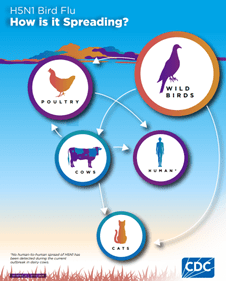
The virus spreads mainly through direct contact with infected birds. This includes contact with their saliva, droppings, or feathers. Contaminated surfaces, water, and feed can also carry the virus. Wild birds often pass the virus to backyard flocks. People can get the virus by handling sick birds or their waste.
Backyard Birds And Risks
Backyard birds add beauty and life to outdoor spaces. Many people enjoy watching and feeding these birds daily. Yet, some worry about health risks, including bird flu. Understanding which birds commonly visit backyards and their infection chances helps manage these concerns safely.
Common Backyard Birds
Backyard birds vary by region but often include:
- Robins
- Sparrows
- Blue Jays
- Cardinals
- Finches
- Doves
These birds usually pose little risk. They mostly eat seeds and insects. Some waterfowl, like ducks and geese, are less common but more linked to bird flu.
Infection Chances
The chance of catching bird flu from backyard birds is very low. Most backyard birds do not carry the virus. Bird flu spreads mainly among wild waterfowl and domestic poultry.
Contact with sick or dead birds increases risk. Avoid touching birds that look ill or act strangely. Keep feeders and birdbaths clean to reduce disease spread.
Signs Of Bird Flu In Birds
Bird flu can be hard to spot early in backyard birds. Knowing the signs helps protect both birds and people. Watch birds carefully for changes in behavior and physical health. Acting fast can stop the spread of illness.
Behavioral Changes
- Birds may become less active or weak.
- Eating and drinking habits often drop sharply.
- Birds might show trouble standing or walking.
- They can isolate themselves from others.
- Sudden death without clear signs is common.
Physical Symptoms
- Swelling around the eyes, neck, or head.
- Discharge from the nose or eyes.
- Breathing difficulties like coughing or gasping.
- Ruffled feathers and droopy posture.
- Blue or pale discoloration of the comb or wattles.
Credit: eriecountypa.gov
Human Infection Risks
Human infection risks from backyard birds might seem like a distant possibility, but understanding them is crucial for your safety. If you enjoy birdwatching or have a flock of chickens, you should be aware of how bird flu can affect you. Let’s dive into how this virus can be transmitted to humans and what symptoms to watch for.
Transmission To Humans
Bird flu primarily spreads to humans through direct contact with infected birds. This means touching birds, their droppings, or surfaces contaminated by them. If you have a backyard coop, ensure cleanliness to minimize risk.
Think about the last time you cleaned your bird’s cage. Did you wash your hands thoroughly afterward? Simple practices like this can significantly reduce your chances of infection.
Symptoms In People
Bird flu symptoms in humans are similar to seasonal flu but can be more severe. You might experience fever, cough, sore throat, and muscle aches. Some cases can lead to serious respiratory issues.
If you notice these symptoms after interacting with birds, don’t dismiss them as a common cold. Consult a healthcare professional promptly for guidance.
Staying informed and taking preventive measures can help you enjoy your backyard birds without worry. How will you change your routine to ensure safety?
Safety Measures For Bird Owners
Owning backyard birds can be a joyful experience, but it also comes with responsibilities to keep both you and your feathered friends safe. Understanding how to protect yourself from illnesses like bird flu is essential. Taking the right safety measures can reduce risks and keep your birds healthy.
Handling Birds Safely
Always wash your hands before and after touching your birds. Avoid touching your face while handling them to prevent any germs from entering your body.
Be gentle when picking up birds to avoid stressing them, which can make them more vulnerable to illness. If a bird looks sick, minimize contact and consult a vet immediately.
Cleaning And Disinfection
Regularly clean bird cages, feeders, and water containers with hot, soapy water. After cleaning, use a disinfectant safe for birds to kill viruses and bacteria.
Dispose of bird droppings carefully and avoid stirring up dust, which could spread harmful particles. Does your cleaning routine include daily spot checks and weekly deep cleans?
Protective Gear Tips
Wear gloves when cleaning cages or handling sick birds to create a barrier against infection. A mask can also protect you from inhaling dust or droplets.
Use dedicated clothing or aprons for bird care, and wash these items separately from your regular laundry. This simple step keeps germs from spreading to your family or other pets.
Preventing Bird Flu Spread
Stopping bird flu from spreading in your backyard starts with careful and consistent actions. You have the power to protect not only your birds but also yourself and your neighbors. Simple steps can make a big difference in keeping bird flu at bay.
Quarantine Practices
If you bring new birds home, keep them separated from your current flock for at least two weeks. This pause helps you spot any signs of illness before they mingle with others.
During quarantine, watch for symptoms like coughing, sneezing, or unusual behavior. Clean and disinfect equipment used for quarantined birds separately to avoid cross-contamination.
Do you have a dedicated area for sick or new birds? Setting up a separate space shows real care and helps contain any potential infection quickly.
Reporting Sick Birds
If you notice any bird acting strangely or looking sick, don’t hesitate to contact local animal health authorities. Early reporting can trigger swift action to prevent an outbreak.
Keep records of symptoms and any bird deaths; this information helps experts track the disease. Remember, reporting is not about blame but about protecting your community.
Have you ever wondered how many backyard bird owners miss early signs? Your prompt action could make a critical difference in stopping bird flu from spreading further.
When To Seek Medical Help
Knowing when to seek medical help after contact with backyard birds is crucial. Bird flu can cause serious illness, especially if symptoms appear. Early detection and care improve your chances of recovery. Watch for signs that suggest you should see a doctor right away.
Warning Signs In Humans
- High fever over 101°F (38.3°C)
- Persistent cough or difficulty breathing
- Chest pain or tightness
- Extreme tiredness or weakness
- Muscle aches and body chills
- Headache that worsens
- Sudden sore throat or runny nose
These signs may indicate bird flu infection. Do not ignore them if you recently handled birds or their droppings.
Steps After Exposure
- Clean hands thoroughly with soap and water
- Avoid touching your face, especially eyes and mouth
- Wear a mask if you develop any symptoms
- Isolate yourself from others to prevent spread
- Contact a healthcare provider promptly for advice
- Provide details about your exposure to birds
- Follow doctor’s instructions carefully
Early medical attention helps control the infection and protect others. Always act quickly after exposure to reduce risks.

Credit: epi.utah.gov
Frequently Asked Questions
Can Backyard Birds Transmit Bird Flu To Humans?
Yes, bird flu can spread from infected backyard birds to humans. Close contact with sick or dead birds increases risk. Proper hygiene and avoiding direct contact help reduce chances of infection.
What Are The Symptoms Of Bird Flu In Humans?
Bird flu symptoms include fever, cough, sore throat, and muscle aches. Severe cases may cause pneumonia and breathing difficulties. Early medical attention is crucial for better outcomes.
How Can I Protect Myself From Bird Flu?
Avoid direct contact with wild or backyard birds, especially if sick. Wash hands thoroughly after handling birds or cleaning coops. Use protective gear like gloves and masks when necessary.
Are All Backyard Birds Carriers Of Bird Flu?
Not all backyard birds carry bird flu. Wild waterfowl are common reservoirs. Domestic birds can get infected, but healthy birds usually do not spread the virus.
Conclusion
Bird flu from backyard birds is rare but possible. Keep your birds clean and healthy. Avoid close contact with wild birds. Wash hands well after handling birds or their droppings. Watch for signs of illness in your birds. Stay informed about local bird flu outbreaks.
Taking simple steps helps protect your family and birds. Stay calm and act smart to keep risks low. Your safety matters most around backyard birds.




