
Are birds constantly invading your space, leaving droppings, nesting in unwanted spots, or causing damage around your home? You’re not alone, and it can be really frustrating.
But don’t worry—there are simple, effective ways to keep those feathered visitors away without harming them. You’ll discover easy tricks and proven methods that work. By the end, you’ll have the tools to protect your home and enjoy your space bird-free.
Keep reading to find out how you can take back control today.

Credit: www.familyhandyman.com
Birds That Commonly Invade Homes
Birds often find homes attractive for shelter and food. Some species are more likely to invade houses and cause problems. Knowing which birds are common invaders helps in managing them effectively.
Types Of Nuisance Birds
- Pigeons: Known for nesting on ledges and roofs, they leave droppings and noise.
- House Sparrows: Small birds that build nests in vents, eaves, and gutters.
- Starlings: Aggressive and noisy, they crowd out other birds and damage property.
- Swallows: Build mud nests under eaves, often causing mess and stains.
- Crows: Large and intelligent, they search for food and can be very loud.
Why Birds Target Houses
Birds seek homes for safety from predators and harsh weather. Houses offer warm spots and stable structures for nesting. Food sources like garbage and bird feeders attract them. Quiet, undisturbed areas near homes provide ideal breeding sites. Bright lights may confuse birds, drawing them closer to houses.

Credit: www.washingtonpost.com
Physical Barriers To Keep Birds Away
Netting and spikes can keep birds away from your house effectively. They create barriers that birds can’t cross. These physical deterrents are easy to install and maintain.
Physical barriers are an effective way to deter birds from your home. They provide a humane solution to prevent birds from perching or nesting. These barriers can be implemented easily and are often cost-effective. Let’s explore some practical options.Installing Bird Spikes
Bird spikes are useful for preventing birds from landing on ledges. They come in strips that are easy to install. You can place them on rooftops, fences, and window sills. Made from durable materials, they withstand harsh weather. Birds find it uncomfortable to perch where spikes are present. This makes bird spikes a popular choice for many homeowners.Using Netting And Wire
Netting is a great option for larger areas. It creates a physical barrier that birds cannot pass through. You can use it in gardens, over fruit trees, or around balconies. Wire can also be used to block small entry points. Both options are easy to set up and remove. They do not harm the birds but keep them at a distance.Applying Window Screens
Window screens help keep birds from flying into glass panes. They reduce the chance of birds injuring themselves. Screens also prevent birds from trying to enter through open windows. You can fit them to any window size or shape. They are a practical solution that enhances home safety and comfort.Visual Deterrents That Work
Visual deterrents help keep birds away by creating discomfort or fear. Birds rely heavily on sight, so visual cues can be very effective. These tools work by confusing or frightening birds, making your home less inviting. Use a mix of visual deterrents for best results. Change them often to prevent birds from getting used to them.
Reflective Objects And Tapes
Reflective items scare birds with bright flashes of light. Shiny surfaces reflect sunlight, creating sudden glints that birds dislike. Common options include:
- Aluminum foil strips
- Reflective tapes designed for bird control
- CDs or old DVDs hung from strings
Hang these objects around your windows, garden, or roof edges. The moving reflections keep birds alert and away from your house.
Decoys And Predator Figures
Fake predators trigger fear in birds and make them avoid the area. Popular decoys include:
- Plastic owls
- Hawks or falcons statues
- Snake replicas placed near plants
Place decoys where birds usually gather. Move them regularly to keep the effect strong. Birds lose interest if decoys stay still too long.
Moving Decorations
Moving objects grab birds’ attention and scare them away. Wind-powered decorations work well. Examples are:
- Wind spinners
- Flags that flutter in the breeze
- Pinwheels
Install these decorations in open spaces. Their motion creates constant movement, making birds uncomfortable. Combine movement with reflective surfaces for stronger results.
Sound-based Bird Repellents
Sound-based bird repellents offer a clever way to keep birds away from your house without harming them. These devices use noise to create an environment that birds find uncomfortable or threatening. If you’ve ever wondered how to stop birds from nesting on your porch or making a mess on your windowsills, sound repellents might be the answer you need.
Ultrasonic Devices
Ultrasonic devices emit high-frequency sounds that are mostly inaudible to humans but very irritating to birds. These sounds disrupt their comfort, encouraging them to leave the area. I once installed an ultrasonic repeller on my balcony, and within days, the usual flock of pigeons stopped visiting.
Keep in mind, some birds may get used to the sound over time, so it’s smart to combine ultrasonic devices with other methods. Also, check the coverage area before buying to ensure it fits your space.
Recorded Predator Calls
Birds instinctively fear predators. Using recorded calls of hawks, owls, or other birds of prey can scare them off effectively. You can find recordings online or purchase devices that play these sounds at intervals.
The trick is to play the calls unpredictably to avoid birds getting used to the pattern. Have you noticed how sudden loud noises often make birds fly away? Predator calls work on the same principle but are more targeted.
Noise Makers And Alarms
Noisemakers like wind chimes, motion-activated alarms, or even manual clappers can startle birds and keep them away. I’ve found that placing motion-activated alarms near garden areas dramatically reduced bird visits without disturbing neighbors.
Try combining different noise makers to keep the sounds varied. This variety prevents birds from becoming accustomed to any one noise, maintaining their effectiveness over time.
Natural And Chemical Repellents
Keeping birds away from your house doesn’t always mean using harsh chemicals or complicated setups. Natural and chemical repellents offer a variety of options to protect your space while considering safety and effectiveness. Understanding which repellents work best for your situation can save you time and prevent damage to your home or garden.
Scent-based Deterrents
Birds rely heavily on their sense of smell to avoid danger. Certain scents can make your property unappealing to them without causing harm. For example, oils like peppermint or eucalyptus create a strong aroma that birds dislike.
You can apply these oils by soaking cotton balls and placing them near entry points or nesting areas. Some gardeners use dried herbs such as lavender or rosemary around plants to keep birds away naturally. Have you ever tried hanging bags of coffee grounds outside? The bitter smell often surprises birds and encourages them to move elsewhere.
Safe Bird Repellents
Choosing bird repellents that are safe for both animals and humans is crucial. Products made from natural ingredients such as garlic sprays or chili pepper solutions work well without risking harm. These repellents irritate birds’ senses but don’t cause lasting damage.
Sticky gels designed to feel unpleasant on birds’ feet also discourage landing. However, make sure these gels are labeled non-toxic and bird-safe. If you prefer commercial options, look for those approved by wildlife agencies to ensure they meet safety standards.
Avoiding Harmful Substances
Not all chemical repellents are created equal. Some contain toxic ingredients that can harm birds, pets, or even children. Avoid using poisons or pesticides that claim to repel birds, as these may cause unintended health issues.
Read labels carefully and research product reviews before applying anything to your home. If you notice dead birds or sick wildlife nearby after using a repellent, stop immediately and reassess your approach. Protecting your home doesn’t have to come at the cost of animal welfare.
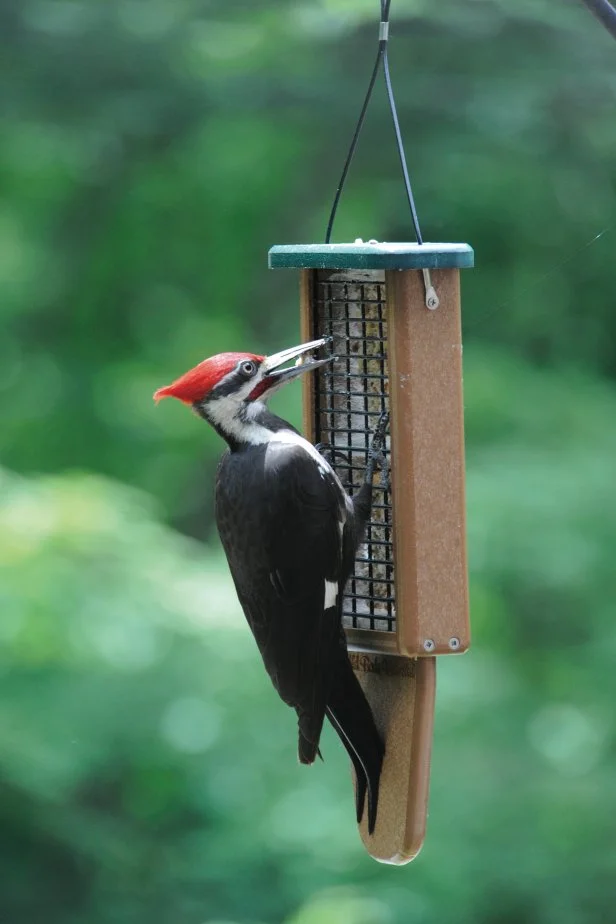
Credit: www.hgtv.com
Maintaining A Bird-unfriendly Environment
Creating an environment that doesn’t attract birds is key to keeping them away from your home. Birds visit because they find food, shelter, or safe spots to nest nearby. If you remove these attractions, you make your property less inviting, which naturally discourages birds from settling in or lingering.
Removing Food Sources
Birds are drawn to easy meals. Make sure to clean up any fallen fruit, seeds, or crumbs in your yard regularly. Secure your trash bins with tight-fitting lids and avoid leaving pet food outside. If you feed your pets outdoors, bring the bowls inside when they’re done.
Consider planting bird-resistant plants or those that don’t produce seeds or berries. You don’t want your garden to turn into a buffet. Have you noticed how quickly birds swarm when food is left out? Stopping this habit can make a big difference.
Clearing Nesting Sites
Birds look for quiet, sheltered places to build nests. Trim back overgrown bushes and trees, especially near windows or vents. Remove old nests promptly to discourage birds from returning to the same spot.
Check under eaves, roof overhangs, and in sheds—these are prime nesting locations. Installing bird spikes or netting in these areas can also prevent birds from settling in. Have you ever found a nest in an odd spot? Clearing those can stop repeated visits.
Regular Property Maintenance
Maintaining your property signals that it’s not a safe haven for birds. Repair broken vents, seal holes in walls, and fix loose gutters where birds might hide or nest. Regularly clean your outdoor spaces to remove debris where birds can hide.
Keep your lawn mowed and remove piles of leaves or wood. These can become nesting or feeding spots for birds and other pests. Could your property’s upkeep be the missing piece in keeping birds away?
Legal And Ethical Considerations
When trying to keep birds away from your home, it’s important to consider the legal and ethical aspects. Birds are an essential part of our ecosystem, and many species enjoy special protections under the law. Ignoring these factors can lead to unintended harm or even legal trouble.
Protected Bird Species
Some birds are protected by national laws and international agreements. Species like hawks, owls, and migratory songbirds often fall under these protections. Before taking any action, check if the birds around your home are on protected lists to avoid breaking the law.
Have you ever noticed how some birds seem untouchable because of these protections? This means you cannot harm them or disturb their nests. Knowing which species are protected helps you make smarter choices when deterring birds.
Humane Deterrent Methods
Using humane methods respects wildlife and avoids unnecessary suffering. Options like reflective tape, sound deterrents, or decoy predators can gently encourage birds to find other spots. These techniques work without causing injury or stress.
Consider how a simple move like placing shiny objects near your windows can make birds keep their distance. Have you tried using noise machines that emit bird distress calls? These methods let you protect your home while staying kind to the creatures around you.
Local Regulations
Different areas have varying rules about bird control. Your city or county might require permits for certain deterrents or have restrictions on removing nests. Contact local wildlife agencies or environmental offices to get accurate information.
Ignoring local rules can lead to fines or legal issues. Have you looked up your area’s regulations before installing bird spikes or netting? Staying informed ensures your efforts to scare birds away stay within the law and community standards.
Combining Methods For Best Results
Scaring birds away effectively often means combining several methods rather than relying on just one. Birds can quickly get used to a single deterrent, so mixing tactics keeps them guessing. This approach improves your chances of protecting your home without endless frustration.
Creating A Deterrent Strategy
Start by picking different types of deterrents that work together. Visual scare devices like reflective tape or fake predators can be paired with sound deterrents such as ultrasonic repellents or wind chimes. Adding physical barriers like netting or spikes helps create a multi-layer defense.
Think about your specific bird problem—are they attracted to food, shelter, or nesting spots? Tailor your strategy to target these reasons. For example, if birds come for your garden fruits, cover plants and remove fallen produce regularly.
Mixing methods also means placing deterrents in varied locations around your house. This forces birds to move on rather than finding a safe spot. Have you noticed how birds quickly learn which areas are safe? Changing your setup keeps them on edge.
Monitoring And Adjusting Tactics
Keep an eye on how birds react to your deterrents. Some methods may work well at first but lose effectiveness over time. Regularly check for signs like droppings, nests, or peck marks to measure success.
If birds start ignoring your devices, switch things up. Move scarecrows, replace old tapes, or try new sounds. Small changes can make a big difference because birds rely heavily on routine.
Ask yourself: Are the birds becoming bolder or just shifting locations? Adjust your tactics accordingly. Continuous monitoring helps you stay one step ahead and prevents birds from settling back in.
Frequently Asked Questions
How Can I Naturally Scare Birds Away From My House?
Using reflective objects like mirrors or shiny tape can deter birds. Loud noises or wind chimes also help. These natural methods are safe and eco-friendly for keeping birds away.
What Are The Best Bird Deterrents For Home Use?
Visual deterrents like scarecrows, reflective tape, and fake predators work well. Ultrasonic bird repellers and netting offer effective, humane solutions. Choose based on the bird species and property layout.
Are There Safe Ways To Keep Birds Off My Garden?
Yes, using bird netting, garden spikes, and natural repellents like garlic sprays protect plants. Regularly changing deterrents prevents birds from adapting. These methods are safe for birds and plants.
Can Noise Devices Effectively Scare Birds Away?
Noise devices can scare birds temporarily but may lose effectiveness over time. Combining sounds with visual deterrents improves results. Use them responsibly to avoid disturbing neighbors and pets.
Conclusion
Scaring birds away from your house takes patience and care. Use safe, gentle methods that do not harm the birds. Change your approach if one method stops working. Keep your outdoor space clean to avoid attracting birds. Small steps can make a big difference over time.
Protect your home while respecting nature’s creatures. Stay consistent and observe what works best for you. This way, you create a peaceful space for both you and the birds.




