
Are you looking for a simple, fun way to bring more birds to your yard? Making pine cone bird feeders is an easy and enjoyable project you can do with materials right outside your door.
Not only will you create a cozy spot for birds to visit, but you’ll also add a touch of nature to your space. Keep reading, and you’ll discover step-by-step how to turn ordinary pine cones into charming bird feeders that your feathered friends will love.
Let’s get started!
Materials Needed
Gathering the right materials is key to making pine cone bird feeders. Each item has a role in attracting birds and ensuring the feeder holds together well. Prepare everything before starting to keep the process smooth and fun.
Choosing Pine Cones
- Pick pine cones that are open and dry.
- Avoid cones with mold or broken scales.
- Look for medium to large sizes for better seed hold.
- Collect cones from safe, pesticide-free areas.
Selecting Bird-friendly Ingredients
- Use natural peanut butter or sunflower seed butter.
- Choose bird seeds like sunflower, millet, and cracked corn.
- Avoid salty or flavored seeds that harm birds.
- Add dried fruits like raisins or cranberries for variety.
Tools And Accessories
- Gather a butter knife or small spatula for spreading.
- Use string, twine, or yarn to hang feeders.
- Have a tray or newspaper to catch messes.
- Keep gloves handy if you want cleaner hands.
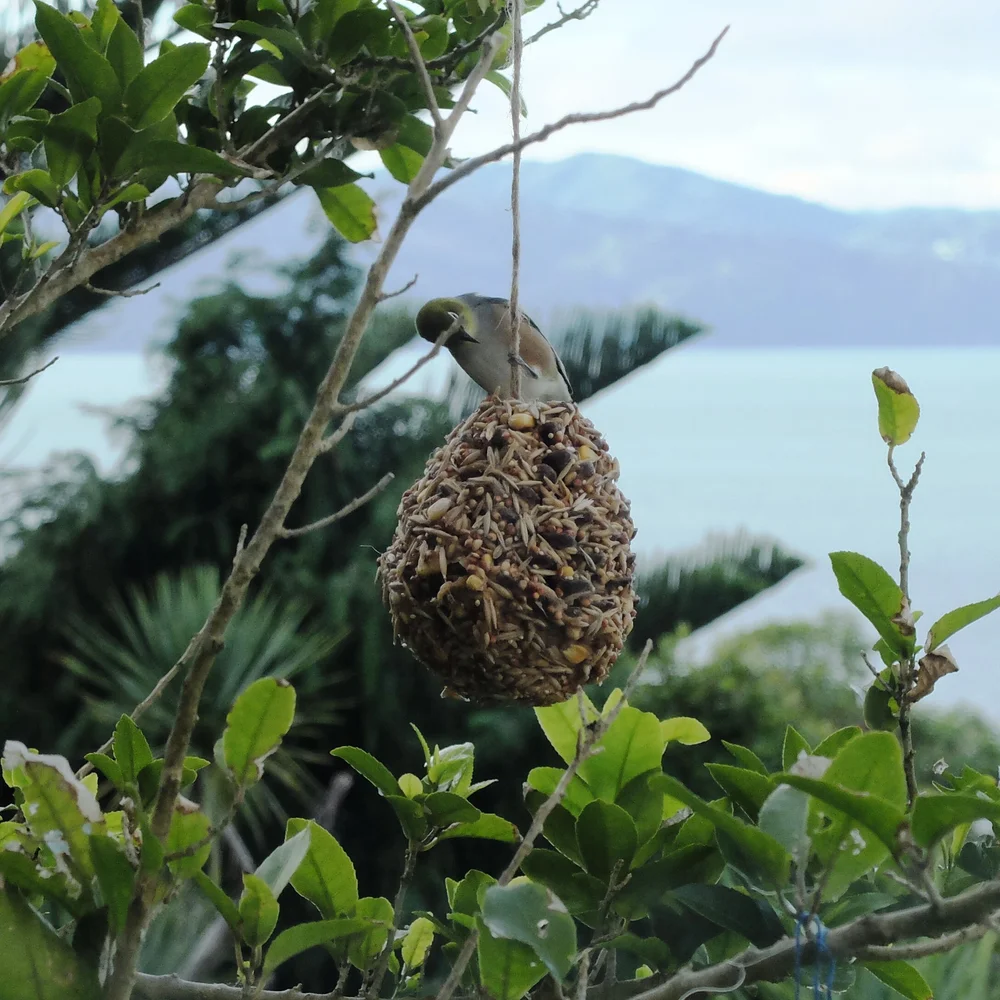
Credit: www.upstartmag.co.nz
Preparing Pine Cones
Preparing pine cones properly is key to creating a safe and attractive bird feeder. You want to make sure the cones are clean and dry before adding any birdseed. This prevents mold and keeps your feathered visitors healthy.
Cleaning And Drying
Start by gathering pine cones that are fully opened and free of any insects. Rinse them under warm water to wash away dirt and debris. If you notice any sap or sticky spots, gently scrub with a soft brush.
Next, dry the pine cones thoroughly. Spread them out on newspaper in a sunny spot or a warm, well-ventilated area. This step might take a day or two, but it’s important because damp cones can cause mold and spoil the birdseed.
Attaching A Hanging Loop
Once your pine cones are clean and dry, it’s time to add a way to hang them. You can use natural twine, string, or even fishing line, depending on your preference and the weight of the feeder.
Thread the string through the top of the pine cone and tie a secure knot. Make sure the loop is large enough to hang from a branch or hook but tight enough to hold the cone steady. Have you thought about how the placement might affect which birds visit your feeder?
Making The Bird Feeder Mix
Making the bird feeder mix is a fun and simple part of the pine cone bird feeder project. This mix will attract birds and provide them with energy during colder months. The key is to create a tasty and sturdy blend that sticks well to the pine cone. Start by preparing the fat base, then mix in seeds and nuts for the birds to enjoy.
Melting The Fat Base
The fat base holds the seeds and nuts in place on the pine cone. Use unsalted lard or suet for best results. Melt the fat slowly in a pan over low heat. Stir gently to avoid burning. Once fully melted, remove from heat and let it cool slightly. The fat should be warm but not hot before mixing with seeds.
Mixing Seeds And Nuts
Select bird-friendly seeds and nuts. Black oil sunflower seeds, millet, and crushed peanuts work well. Mix the seeds and nuts in a bowl. Pour the warm melted fat over the mix. Stir carefully until all pieces are coated. This sticky mix will cling to the pine cone and feed the birds. Prepare enough to cover the entire pine cone evenly.

Credit: playofthewild.com
Assembling The Bird Feeder
Assembling the bird feeder is a fun and simple part of the project. It brings the pine cone and bird food together to create a tasty treat for birds. This step makes sure the feeder is ready to hang outside and attract feathered friends.
Coating The Pine Cone
Start by spreading peanut butter or vegetable shortening all over the pine cone. Use a butter knife or spoon for easy spreading. Make sure to fill all the gaps between the pine cone scales. This sticky layer will hold the birdseed firmly in place.
Choose natural, unsalted peanut butter to keep birds safe. If allergies are a concern, vegetable shortening works well too. The coating also protects the pine cone from weather and helps the seeds stick longer.
Adding Extra Decorations
Decorate the pine cone to make it more attractive and personal. Tie a colorful ribbon or string at the top for hanging. Use natural twine or bright yarn to add charm.
Try adding small pine branches, dried flowers, or berries. These items make the feeder look pretty and blend with nature. Avoid anything harmful or artificial that birds might try to eat.
Make sure decorations do not cover the seed-covered areas. Birds need easy access to the food. Keep the feeder simple but inviting.
Hanging And Placing
Hanging and placing pine cone bird feeders properly helps attract more birds. A well-placed feeder offers safety and easy access to food. Birds feel secure in quiet areas with some cover nearby. Placement also affects how often birds visit your feeder.
Best Locations For Feeders
- Choose spots with some natural cover like trees or bushes.
- Hang feeders at least 5 feet above the ground to avoid predators.
- Place feeders near windows to enjoy bird watching safely.
- Avoid windy or very exposed areas to keep feeders steady.
- Keep feeders away from busy walkways to reduce stress on birds.
Timing For Feeding Birds
Start feeding birds early in the morning when they are most active. Refill feeders regularly to keep food fresh and available. Stop feeding during warm months if natural food is abundant. Feeding helps birds especially in cold winters and dry seasons. Remove feeders at the end of the season to prevent mold growth.
Maintaining Your Feeders
Keep your pine cone bird feeders clean by removing old seeds and debris regularly. Check for damage and replace feeders to ensure birds stay safe and healthy.
Maintaining your pine cone bird feeders is crucial for happy birds. Regular upkeep ensures birds keep visiting your garden. Clean and refill your feeders to keep them attractive. Proper storage also extends their life.Cleaning Tips
Keep your feeders clean to prevent mold and disease. Use warm, soapy water to wash them. Rinse thoroughly and let them dry completely. This simple routine keeps your bird feeders fresh and healthy.Refilling And Storage
Check your feeders regularly and refill them when low. Store extra bird seed in a cool, dry place. Sealed containers keep seeds fresh and free from pests. Rotate your feeders to give them a break and extend their life.Benefits For Birds And Garden
Creating pine cone bird feeders attracts birds that help control pests in your garden. These feeders also support local wildlife and add natural beauty to outdoor spaces. Birds enjoy easy access to food, which encourages them to visit regularly.
Creating pine cone bird feeders is not just a fun DIY project; it offers numerous benefits for both birds and your garden. By making these feeders, you can contribute to the local ecosystem in a simple yet effective way. They help attract a variety of wildlife and support the overall health of the birds visiting your garden.Attracting Local Wildlife
Pine cone bird feeders are a natural magnet for local wildlife. They invite a diverse range of bird species to your backyard, creating a lively and dynamic environment. Imagine waking up to the cheerful chirping of birds, each one unique in its song and color. Such activity can transform your garden into a mini wildlife sanctuary. Not only do birds come, but other creatures like squirrels might also pay a visit. This increased biodiversity can make your garden more vibrant and interesting.Supporting Bird Health
Bird feeders play a crucial role in supporting bird health. They provide essential nutrients that may be scarce in the natural environment, especially during harsh weather. By offering a steady food source, you help birds maintain their energy levels and overall well-being. Consider the satisfaction of knowing that your efforts directly contribute to the survival of these creatures. Wouldn’t it be rewarding to observe the positive impact on their health and vitality? Using a variety of seeds and nuts in your feeder can attract different types of birds, each with its own nutritional needs. Incorporating these feeders into your garden routine can be both enriching and educational. It not only benefits the wildlife but also adds a touch of serenity and beauty to your outdoor space. Plus, who wouldn’t enjoy the sight of colorful birds flitting around, adding life and movement to the garden?
Credit: www.youtube.com
Frequently Asked Questions
What Materials Are Needed To Make Pine Cone Bird Feeders?
You need pine cones, peanut butter, birdseed, string, and a butter knife. These simple materials are easy to find and safe for birds. They create an eco-friendly bird feeder that attracts various birds to your garden or yard.
How Do You Prepare Pine Cones For Bird Feeders?
First, clean the pine cones by shaking off debris. Avoid washing them to keep seeds inside. Then, attach a string for hanging. This preparation ensures the bird feeder is ready to hold peanut butter and birdseed properly.
What Type Of Birdseed Works Best For Pine Cone Feeders?
Use mixed birdseed with sunflower seeds and millet. These seeds attract a wide range of birds. Avoid large or oily seeds that might spoil quickly. Proper seed choice makes your feeder more attractive and beneficial for birds.
Where Should I Hang Pine Cone Bird Feeders?
Hang feeders in a quiet, shaded spot away from predators. Choose a location visible for bird watching but safe for birds. This placement helps birds feel secure while feeding and enhances your outdoor experience.
Conclusion
Making pine cone bird feeders is fun and easy. You only need a few simple materials. These feeders attract birds to your garden or yard. Watching birds enjoy the food is very rewarding. It also helps birds find food during cold seasons.
Try making different shapes and sizes for variety. This project is great for all ages. Give it a try and enjoy nature up close. Your feathered friends will thank you!




