
Have you ever wondered if birds start relying too much on your bird feeder? When you fill that feeder, you might think you’re just helping them out.
But could it be that your feathered friends become dependent on your kindness? Understanding this can change the way you feed birds and how you enjoy watching them. Keep reading to discover the surprising truth about bird feeders and what it means for the birds you care about.
Bird Feeders And Wild Birds
Bird feeders create a unique connection between people and wild birds. They offer food sources that can support birds, especially during tough weather or scarce natural resources. But you might wonder, do these feeders make birds too reliant on humans? Understanding the balance between help and dependence is key.
Purpose Of Bird Feeders
Bird feeders serve several important roles for wild birds. They provide a consistent food supply when natural seeds, insects, or fruits are limited. This is particularly helpful in winter or in urban areas where natural habitats shrink.
Many bird lovers use feeders to observe different species up close. This can deepen your appreciation and awareness of local wildlife. Plus, feeding birds can boost their chances of survival during harsh seasons.
However, it’s important to ask yourself if feeding birds year-round could reduce their natural foraging skills. Can you find a way to support them without creating dependence? Offering food only during difficult times might be a practical approach.
Common Types Of Feeders
Choosing the right feeder can attract specific birds and keep your feeder clean and safe. Here are common feeder types you might consider:
- Tube Feeders:Cylindrical feeders with multiple feeding ports. Great for small songbirds like finches and chickadees.
- Platform Feeders:Flat trays that can hold various seeds and attract larger birds like cardinals and doves.
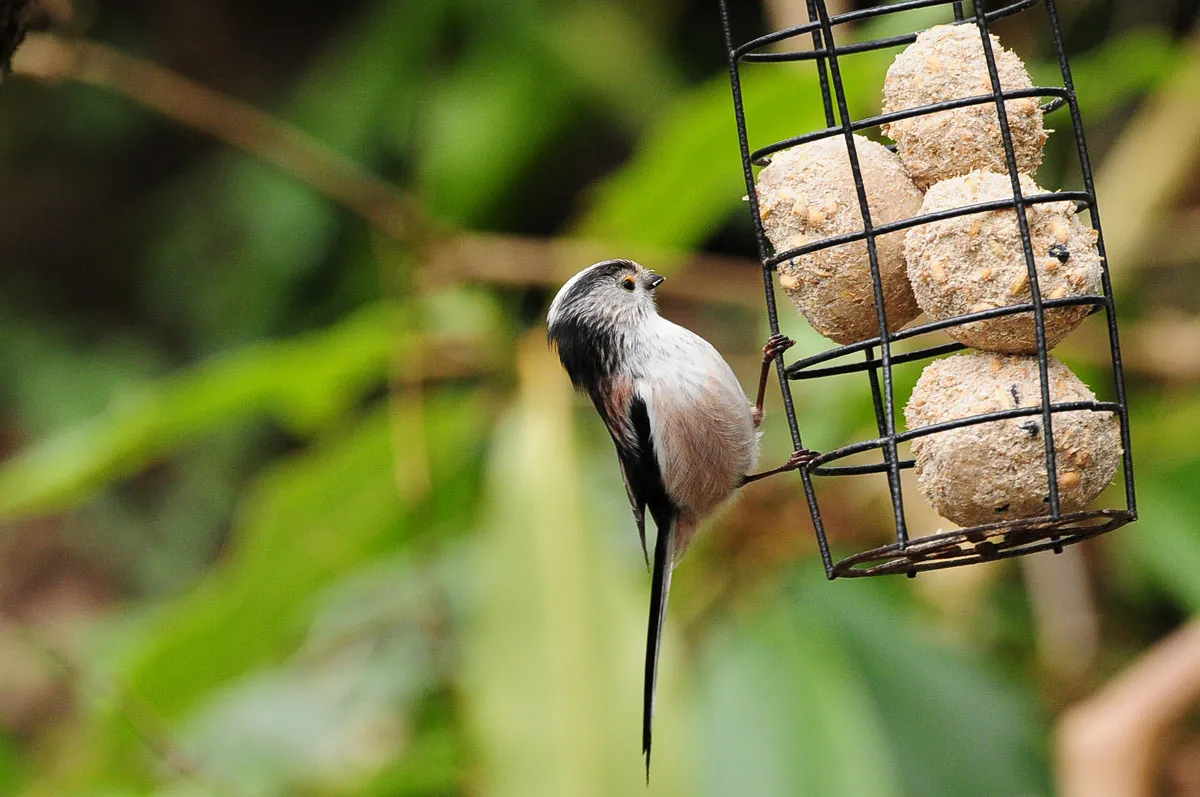
- Suet Feeders:Cages designed to hold suet cakes. These attract woodpeckers, nuthatches, and other insect-eaters.
- Hummingbird Feeders:Specialized feeders with small ports for nectar. Perfect for attracting hummingbirds.
Using a mix of feeder types can encourage a diverse bird population. Just be sure to clean feeders regularly to prevent disease. What types of birds do you hope to see at your feeder?
Credit: www.bto.org
Feeding Habits Of Birds
Understanding the feeding habits of birds is key to knowing whether they become dependent on bird feeders. Birds have evolved specific ways to find and eat food that suit their environment and survival needs. Observing these habits helps you decide how to support them without causing harm.
Natural Foraging Behavior
Birds spend a large part of their day searching for food. They pick insects off leaves, dig for seeds, or snatch berries. This activity keeps them active and healthy.
When you provide food through feeders, birds may visit for a quick meal, but many still rely on their natural skills. If you notice birds quickly returning to feeders and ignoring natural food sources, it might indicate some level of dependence.
Have you ever watched a chickadee switch between a feeder and tree bark? This balance shows how feeders can complement, not replace, natural foraging.
Seasonal Food Availability
Food availability changes with the seasons, affecting what birds eat. In winter, natural seeds and insects become scarce, making feeders a valuable resource.
During spring and summer, birds often find plenty of insects and fresh fruits, reducing their need for feeders. This seasonal shift means feeders act more as a backup than a primary food source.
Consider your local climate and how it impacts bird food sources. Feeding birds year-round might create reliance, but offering food during tough seasons supports their survival without harming natural habits.
Impact Of Feeders On Bird Behavior
Bird feeders change how birds behave around human habitats. They offer easy food access that can alter natural habits. This impact on bird behavior is important to understand for bird lovers and conservationists alike.
Changes In Feeding Patterns
Birds often shift their feeding routines due to feeders. They spend more time near feeders than searching for natural food. This can reduce their effort to forage in the wild.
Some birds become regular visitors, relying heavily on feeders. Others visit only occasionally, mixing natural and feeder food. Dependence varies by species and food availability.
Feeders can attract many birds to one spot, changing competition and social behavior. Some birds may grow more aggressive or territorial near feeders.
Effects On Migration
Feeders can influence bird migration patterns in subtle ways. Birds might delay migration if food is plentiful near feeders. This can affect their timing and distance traveled.
Some species may reduce migration distance or stop migrating altogether. This happens when feeders provide a reliable food source year-round.
Changes in migration can impact bird survival and breeding cycles. It may also affect ecosystems that depend on migrating birds.
Dependency Myths And Facts
Many people worry that birds become too dependent on feeders. This concern makes some hesitate to put out food. Myths about dependency can cause confusion. Understanding the facts helps clarify the real impact. Birds have natural ways to find food. Feeders often support them during tough times. Let’s explore what signs show dependency and what science says.
Signs Of Dependency
Birds visiting feeders regularly is normal behavior. Some think this means they cannot survive without feeders. True dependency shows more specific signs. Look for these clues:
- Birds ignoring natural food sources nearby
- Birds showing stress when feeders are empty
- Reduced foraging or hunting effort
- Unusual crowding or aggressive behavior at feeders
Most birds visit feeders but still search for natural food. They use feeders as a supplement, not a main source.
Scientific Studies Insights
Research shows birds adapt quickly to changes in food availability. Studies find feeders help birds survive harsh winters. Birds switch back to natural food in warmer months. Scientists have not seen feeders cause long-term dependency.
Experiments reveal:
| Finding | Details |
|---|---|
| Seasonal Use | Birds use feeders more in winter, less in summer |
| Natural Foraging | Birds continue to find wild food even with feeders |
| Health Effects | Feeders improve bird survival and body condition |
Feeders act as a food backup, not a sole source. Birds maintain their natural feeding habits alongside feeders.
Benefits Of Using Bird Feeders
Using bird feeders offers more than just a chance to enjoy colorful visitors in your yard. They can play a crucial role in supporting birds, especially during tough times. Feeding birds responsibly can create a positive impact on your local ecosystem and help maintain healthy bird populations.
Supporting Birds In Harsh Weather
Bird feeders become lifelines when natural food sources are scarce. During winter or dry seasons, birds struggle to find enough nourishment. Providing seeds and suet helps them conserve energy and survive harsh conditions.
I’ve noticed that on freezing mornings, my feeder attracts more birds than usual. It’s clear they rely on this extra food to get through the cold. Have you ever wondered how many birds might go hungry without a reliable food source in your area?
Encouraging Local Bird Populations
Regular feeding encourages birds to stay in your area, boosting local populations. A consistent food supply can attract different species, increasing biodiversity in your garden. This also helps young birds learn to forage and thrive.
By setting up feeders, you’re not just feeding birds—you’re creating a small sanctuary. Think about the variety of birds you could invite by choosing diverse seeds and feeder types. How might your garden change if you make it a welcoming spot for more bird species?

Credit: www.birdfeederco.com
Risks And Challenges
Bird feeders bring joy to many bird lovers, but they come with risks. Birds might rely too much on these easy food sources. This can lead to several challenges for their health and safety.
Health Concerns
Birds gathering at feeders can spread diseases quickly. Close contact allows germs to pass easily. Dirty feeders can worsen the spread of bacteria and mold. Regular cleaning of feeders is crucial to prevent this. Overeating at feeders can also lead to obesity in birds. This affects their ability to fly and escape predators.
Predator Attraction
Bird feeders can attract predators like cats and hawks. These predators know that feeders are bird hotspots. This puts feeding birds at higher risk of being hunted. Position feeders away from bushes where predators might hide. This can help keep birds safe while they eat.
Best Practices For Feeding Birds
Birds can still find natural food even with feeders around. Feeding helps during tough times but doesn’t make birds fully dependent. Offering food wisely supports their health without harming their natural habits.
Feeding birds can be a delightful way to connect with nature, but it’s crucial to do it right to ensure their well-being. Establishing best practices not only helps sustain local wildlife but also enriches your bird-watching experience. Here are some essential tips to keep in mind when feeding your feathered friends.Choosing The Right Food
Selecting the appropriate food is vital for attracting a variety of birds. Opt for seeds like sunflower and safflower, which appeal to many species. Avoid offering bread or crackers, as they provide little nutritional value. Different birds have different preferences. Cardinals love sunflower seeds, while goldfinches prefer thistle. Consider setting up multiple feeders with varied options to cater to diverse tastes.Maintaining Clean Feeders
Clean feeders are essential to keep birds healthy and prevent disease. Regularly wash feeders with a mild soap solution and rinse thoroughly. Dirty feeders can harbor harmful bacteria and mold, posing risks to birds. Think of it as maintaining a clean dining area for your avian visitors. Use a long-handled brush to reach tight spots. This ensures thorough cleaning, reducing the chances of contamination.Feeding Schedules
Having a consistent feeding schedule helps birds rely less on your offerings. Refill feeders at the same time each day to establish a routine. Birds often remember feeding times and will visit accordingly. This predictability helps them plan their foraging activities. Consider observing when birds are most active around your feeders. Adjust your schedule to maximize their visits and your viewing pleasure. Feeding birds responsibly can make your backyard a haven for these delightful creatures. Are you ready to make your bird-feeding station the talk of the neighborhood?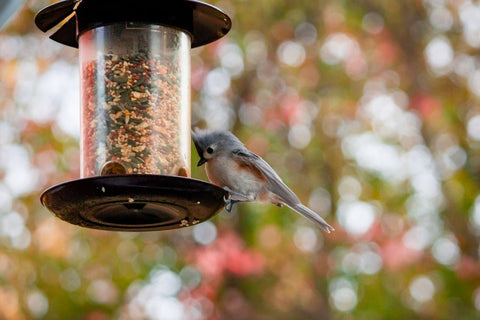
Credit: www.birdfy.com
Frequently Asked Questions
Do Birds Rely Solely On Bird Feeders For Food?
No, birds do not rely solely on feeders. They use feeders as a supplemental food source, especially in harsh conditions. Natural foraging remains essential for their diet and survival.
Can Bird Feeders Harm Birds’ Natural Foraging Skills?
Bird feeders generally do not harm natural foraging skills. Birds continue to search for food naturally. Feeders simply provide extra nutrition during scarce times or cold seasons.
How Often Should Bird Feeders Be Refilled?
Refill bird feeders regularly to ensure constant food supply. Check feeders every few days, more often during extreme weather or high bird activity.
Do Bird Feeders Attract More Birds To Your Garden?
Yes, bird feeders attract various bird species by offering easy food access. This increases bird diversity and activity in your garden, enhancing wildlife observation.
Conclusion
Bird feeders can help birds find food, especially in winter. Most birds still know how to find natural food on their own. Feeders do not make birds lazy or fully dependent. They act as a helpful extra source when food is scarce.
Watching birds visit feeders brings joy and supports local wildlife. Use feeders wisely and clean them regularly to keep birds safe. Feeding birds can be a fun way to connect with nature. Keep feeders as a supplement, not the main food source.
This balance helps birds stay healthy and strong year-round.




