
Have you ever felt tiny bites on your skin and wondered where they’re coming from? You might be dealing with bird mites in your home.
These tiny creatures can sneak in without you noticing and cause quite a nuisance. If you’ve spotted birds nesting nearby or noticed unexplained itching, it’s important to understand if bird mites could be the hidden troublemakers. Keep reading to find out how these pests infest your house, what signs to watch for, and what you can do to protect yourself and your family.
Don’t let these invisible invaders take over your space!
Bird Mites And Their Habits
Understanding bird mites and their habits is key to preventing an infestation in your home. These tiny creatures can be a hidden nuisance, especially if you have birds nesting nearby. Knowing where they live and how they spread can help you take control before they become a bigger problem.
What Are Bird Mites?
Bird mites are microscopic parasites that feed on the blood of birds. They belong to the family Dermanyssidae and are barely visible to the naked eye. Despite their size, their bites can cause itching and discomfort for both birds and humans.
Unlike common household pests, bird mites do not live on humans permanently. They only bite humans when their primary hosts—birds—are unavailable. This makes their presence in your home often linked to nearby bird nests.
Where Do Bird Mites Live?
Bird mites primarily live in bird nests, where they have easy access to their food source. These nests can be in trees, under eaves, or inside vents and chimneys. The mites thrive in warm environments close to their hosts.
Once the birds leave their nests, bird mites search for new hosts. This behavior increases the risk of them entering your home, especially if nests are close to windows or vents. Have you noticed birds nesting near your house recently?
How Bird Mites Spread To Homes
Bird mites enter homes through cracks, gaps, or openings near bird nests. They can hitch a ride on birds or even pets that have been near infested nests. Once inside, they seek out warm places and can bite humans if no birds are present.
Preventing their spread means addressing bird nests early and sealing entry points in your home. Regular inspections around your roof, vents, and windows can help you spot potential mite entryways. Are you taking steps to block these tiny invaders before they reach you?

Credit: www.bedbugbarrier.com.au
Signs Of Bird Mite Infestation
Recognizing the signs of a bird mite infestation early can save you from prolonged discomfort and potential health issues. These tiny pests are hard to spot, but their impact on both your living space and your body is often quite noticeable. Knowing what to look for helps you act quickly and protect your home.
Common Symptoms On Humans
If bird mites have found their way to you, itching is usually the first sign. You might notice small red bumps or rashes, especially around areas like your wrists, ankles, or neck. These bites can become inflamed and cause irritation that worsens at night, making it hard to sleep.
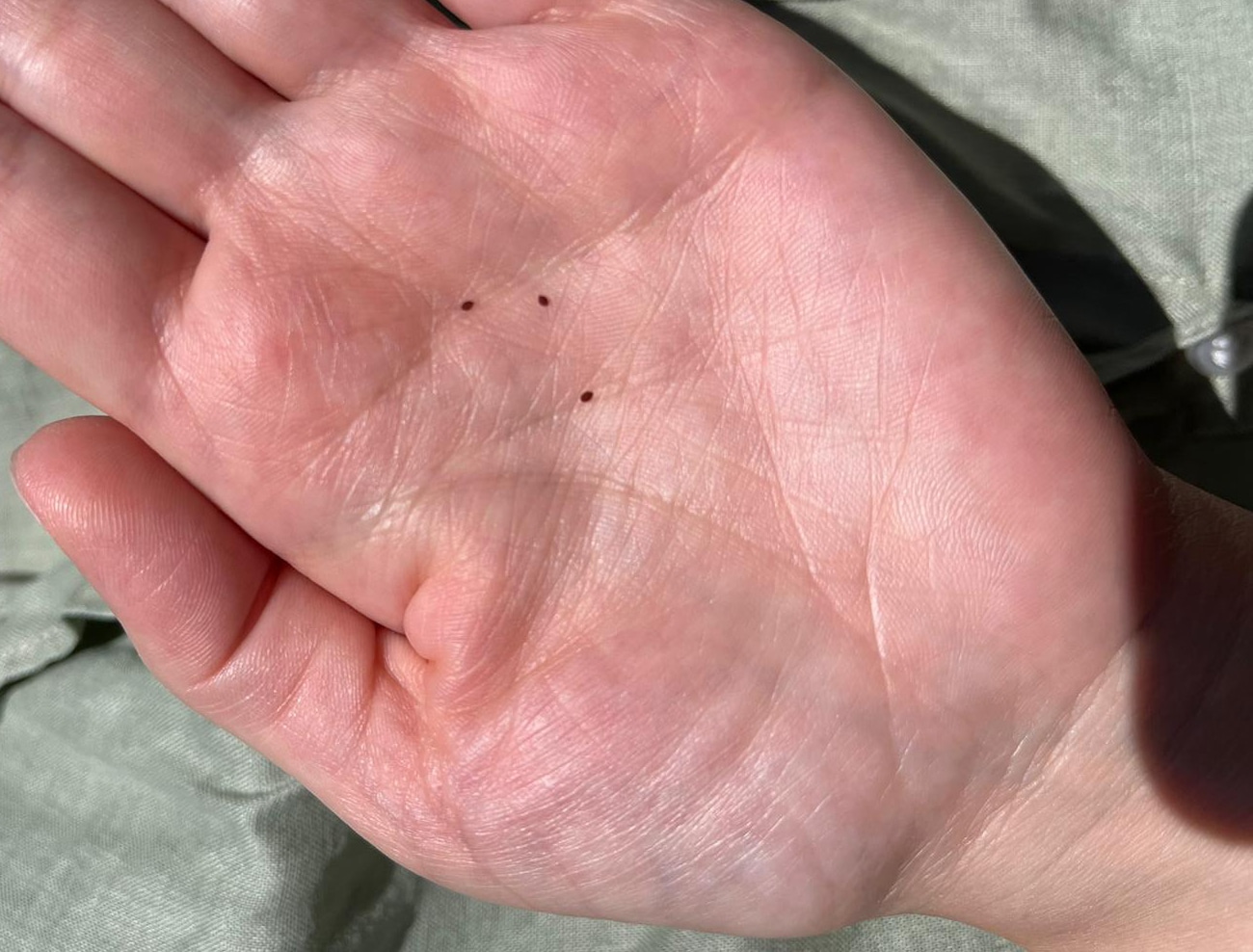
Unlike mosquito bites, bird mite bites often appear in clusters or lines. If you find yourself scratching more than usual without a clear reason, it’s worth checking if mites are the cause. Have you ever woken up with unexplained itching that fades during the day? That could be a clue.
Visible Evidence In The Home
Bird mites are nearly invisible to the naked eye, but their presence often leaves traces. Look for tiny moving dots especially near bird nests or windows where birds have roosted. You might also find shed skins or tiny eggs around these areas.
Another sign is increased bird activity or nesting near your home, as mites travel from birds to humans. If you spot small dark spots on walls or furniture, these could be mite droppings. Checking these signs can guide you to the infestation source before it spreads.
Areas Most Affected By Bird Mites
Bird mites usually target places where birds nest close to or inside your home. Common hotspots include attics, chimneys, and wall voids. Sometimes they enter through window frames or vents, especially if birds have built nests nearby.
Inside your living space, mites tend to gather around beds and sofas where you rest, since they seek warmth and blood meals. Focusing your inspection on these spots can help you identify an infestation early. Are you paying enough attention to less obvious corners of your home?
Health Risks From Bird Mites
Bird mites can be more than just a nuisance when they invade your home. These tiny creatures pose several health risks that you should be aware of. Understanding these dangers helps you take timely action to protect yourself and your family.
Skin Irritations And Reactions
Bird mites often bite humans, causing red, itchy bumps on the skin. These bites may look like small welts or rashes and can be extremely uncomfortable. If you notice unexplained itching, especially near windows or where birds nest, consider the possibility of bird mites.
Repeated bites can lead to intense irritation or even secondary infections from scratching. You might find that over-the-counter creams provide some relief, but stopping the mites from biting is key.
Potential Allergic Responses
Some people develop allergic reactions to bird mite bites. These can include swelling, redness, and in rare cases, difficulty breathing. If you find your symptoms worsen or spread beyond the initial bite area, allergies could be at play.
Have you ever wondered why some family members react differently to the same bug bites? Allergic sensitivity varies, so pay attention to how your body responds and keep track of any escalating symptoms.
When To Seek Medical Help
If you experience persistent itching, swelling, or signs of infection such as pus or fever, it’s time to see a doctor. Severe allergic reactions, including trouble breathing or dizziness, require immediate medical attention.
Don’t hesitate to get professional advice if self-care doesn’t ease your symptoms. Early treatment can prevent complications and help you get back to feeling normal faster.
Credit: www.bedbugbarrier.com.au
Preventing Bird Mite Infestations
Bird mites can enter homes through birds nesting nearby. Keeping windows closed and removing nests helps stop infestations. Regular cleaning reduces the chance of mites spreading inside.
Preventing Bird Mite Infestations Bird mites, though tiny, can cause significant discomfort if they infest your home. They often enter homes in search of new hosts after being displaced from bird nests. The key to keeping these pesky critters at bay is prevention. By taking proactive measures, you can protect your home and your peace of mind.Keeping Birds Away From Your Home
Birds are delightful to watch, but they can bring along unwanted guests. To prevent bird mites, discourage birds from nesting near your home. Install bird spikes or netting on ledges and eaves where birds tend to roost. Additionally, consider using reflective tape or garden pinwheels to deter them. Regularly check for nests and safely remove them, always ensuring they are empty before doing so. You’d be surprised how these small steps can make a significant difference.Sealing Entry Points
A tiny crack can be a grand entrance for bird mites. Inspect your home’s exterior for potential entry points. Pay special attention to windows, doors, and rooflines. Use caulk or weatherstripping to seal these gaps and keep unwelcome visitors out. It’s a simple task that can save you a lot of trouble down the line. Have you ever noticed how a small gap can let in a draft? Imagine what else it could invite in.Regular Home Maintenance Tips
Regular maintenance can be your best defense against bird mites. Keep your home clean and clutter-free, as mites thrive in dusty, unkempt environments. Vacuum regularly, especially in areas where birds might have been. Inspect and clean gutters to prevent birds from nesting there. Set a schedule for these tasks, and stick to it. Consistency is key, and it ensures your home remains a fortress against bird mites. Have you checked your gutters lately? It might be time.Effective Bird Mite Removal Methods
Dealing with bird mites in your home can feel overwhelming, but there are effective ways to get rid of them. Removing bird mites requires a combination of thorough cleaning, targeted treatments, and sometimes professional help. Understanding these methods empowers you to take control and protect your living space.
Diy Treatment Options
You can start by cleaning areas where bird mites hide, such as window sills, vents, and attic spaces. Use a vacuum cleaner to remove mites and their eggs, then immediately discard the vacuum bag outside your home to prevent re-infestation.
Washing bedding, curtains, and clothing in hot water is essential. Hot water kills mites and prevents them from spreading. Additionally, you might consider using over-the-counter insect sprays labeled safe for indoor use, but always follow the instructions carefully to avoid health risks.
Professional Pest Control Services
If DIY methods don’t fully solve the problem, professional pest control can offer targeted treatment. Experts use specialized insecticides and techniques not available to the public, ensuring deeper and longer-lasting mite elimination.
Professionals can also identify the source of bird mites, such as nests near your home, and advise on removal to prevent future infestations. Hiring a licensed service often saves time and stress, especially if mites have spread extensively.
Using Natural Remedies Safely
Natural remedies appeal to many who want to avoid harsh chemicals. Essential oils like tea tree, neem, or eucalyptus have properties that repel mites. You can mix a few drops with water and spray affected areas, but test a small spot first to avoid damage or allergies.
Diatomaceous earth is another option; it works by dehydrating mites. Sprinkle it in cracks and corners, but keep it away from pets and children. Remember, natural doesn’t always mean safe—use these remedies responsibly and combine them with cleaning for the best results.
Aftercare And Monitoring
After you’ve dealt with a bird mite infestation, the work isn’t quite over. Proper aftercare and monitoring are crucial to make sure these tiny pests don’t make a comeback in your home. Taking the right steps now can save you from another round of itching and sleepless nights.
Cleaning And Disinfecting Strategies
Start by thoroughly cleaning all affected areas. Use a vacuum cleaner on furniture, floors, and carpets to remove mites and eggs. Don’t forget to immediately discard the vacuum bag or empty the canister outside your home to prevent mites from escaping back inside.
Next, wash all bedding, curtains, and clothing in hot water (at least 130°F or 54°C) to kill mites effectively. Hard surfaces should be wiped down with a disinfectant or a mixture of water and mild detergent. Be sure to clean bird nests or roosting areas near your home, as these are common mite sources.
Preventing Reinfestation
Blocking bird access to your house is key. Seal any cracks, vents, or gaps where birds might nest. Installing bird spikes or netting on ledges can discourage birds from settling near your home.
Keep your environment dry and well-ventilated, as mites thrive in humid conditions. Regularly inspect your home’s exterior and remove any new bird nests promptly. Have you checked your attic or eaves recently for signs of bird activity?
When To Conduct Follow-up Inspections
Plan to inspect your home weekly for at least a month after treatment. Look closely at common hiding spots like baseboards, furniture joints, and window frames. Early detection can stop a small problem from becoming a full-blown infestation.
Consider using sticky traps or mite monitors to track any lingering activity. If you notice fresh bites or see mites again, act quickly with another round of cleaning or professional help. How confident are you that your home is mite-free after the first cleanup?

Credit: www.atpest.com.au
Frequently Asked Questions
What Are Bird Mites And Can They Infest Homes?
Bird mites are tiny parasites that feed on birds. They can infest homes if infested birds nest nearby. They may bite humans, causing irritation but don’t live long without bird hosts.
How Do Bird Mites Enter A House?
Bird mites enter homes through open windows, vents, or cracks near bird nests. They follow their bird hosts or stray when nests are removed. Proper sealing and nest removal help prevent infestations.
What Are The Signs Of Bird Mite Infestation?
Signs include small red bites on skin, itching, and tiny moving specks on furniture. Bird mites are visible under close inspection. Unusual bird activity near the home may also indicate infestation.
Can Bird Mites Live On Humans Or Pets?
Bird mites cannot live on humans or pets long-term. They bite humans temporarily but need bird hosts to survive. Without birds, their population declines quickly inside homes.
Conclusion
Bird mites can enter your home through birds nesting nearby. They cause itching and discomfort but do not spread diseases. Keeping birds away from your house helps prevent infestations. Regular cleaning and sealing entry points stop mites from settling inside.
Early action makes removal easier and faster. Stay alert for signs like small bites or tiny moving spots. Protect your home by taking simple steps today.




