
Are squirrels turning your peaceful bird feeding spot into their personal snack bar? You’re not alone.
These clever little creatures can quickly empty your feeders, leaving your feathered friends hungry and you frustrated. But what if you could keep squirrels away without harming them or giving up on your birdwatching hobby? You’ll discover simple, effective ways to repel squirrels from your bird feeders.
Keep reading to protect your birdseed and enjoy the birds you love, all while outsmarting those pesky squirrels.
Why Squirrels Invade Bird Feeders
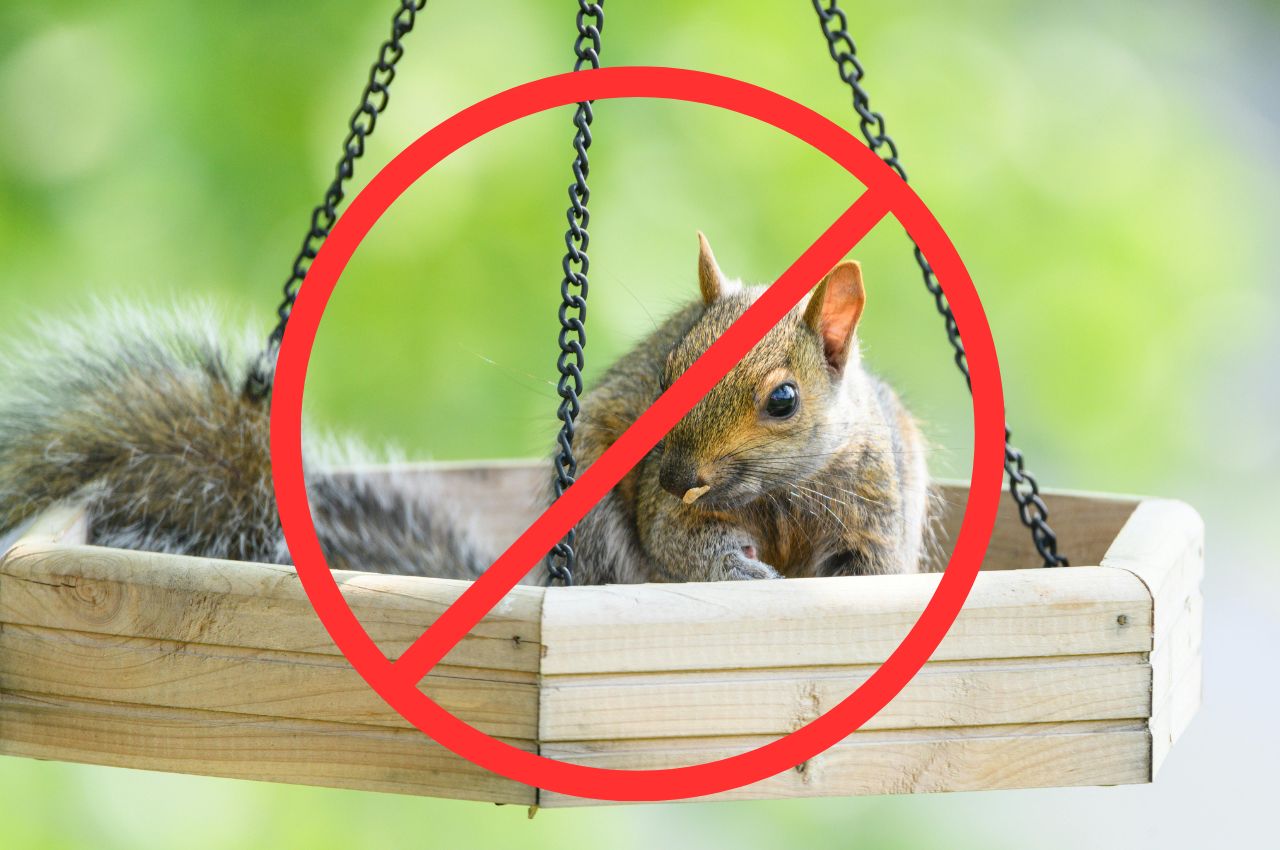
Squirrels are frequent visitors at bird feeders. They invade these feeders mainly to find an easy food source. Bird feeders offer seeds and nuts that squirrels find tasty and nutritious. Their natural curiosity and quick movements help them reach the food quickly.
Understanding why squirrels come to bird feeders helps in finding ways to keep them away. Their behavior and diet play a big role in this. Also, some feeder designs attract squirrels more than others.
Squirrel Behavior And Diet
Squirrels are active during the day. They search for food like seeds, nuts, fruits, and sometimes insects. Bird feeders are simple targets because they contain many seeds in one place.
Squirrels are clever and persistent. They climb trees and poles to reach feeders. They also remember where food is available. Their strong teeth help them crack open hard shells.
Common Feeder Designs They Target
Squirrels prefer feeders that are easy to access. Tube feeders with large openings attract them. Platform feeders without covers are also targets. Seed trays with no protection invite squirrels to feed freely.
- Feeders hung on thin poles without baffles
- Open trays placed near trees or walls
- Feeders with loose seed spilling on the ground
These designs make it simple for squirrels to reach and steal bird food. Choosing feeders with squirrel-proof features can reduce these visits.
Choosing Squirrel-proof Feeders
Choosing the right squirrel-proof feeder can save you a lot of frustration. A good feeder keeps the birds fed while keeping squirrels out. But what features really make a feeder squirrel-resistant? And which models stand out from the rest?
Features To Look For
Look for feeders with weight-sensitive perches. These close access to seeds when a squirrel lands, but stay open for lighter birds. A solid cage or metal mesh around the feeding ports also helps, blocking squirrels but letting birds through.
Consider feeders with seed trays that retract under a squirrel’s weight. This clever design drops the seed out of reach when heavier animals try to feed. Additionally, choose feeders made from durable, chew-proof materials like metal or thick plastic to prevent squirrels from gnawing their way in.
Are you aware that some feeders have spinning perches? When squirrels try to balance, these spin and toss them off. Think about your feeder’s placement too—keeping it away from jumping points like trees or fences adds another layer of protection.
Popular Squirrel-resistant Models
- Brome Squirrel Buster Plus:Known for its weight-activated mechanism, it closes off seed access quickly. Its steel construction resists chewing effectively.
- Audubon Squirrel-Proof Feeder:Features a spring-loaded perch that closes under heavier weight. It combines easy cleaning with strong squirrel resistance.
- Perky-Pet Squirrel-Be-Gone:Uses a metal cage surrounding the feeder, allowing small birds to enter but blocking squirrels.
- Droll Yankees Snappy Squirrel Feeder:Designed with a seed tray that retracts under squirrel weight and a durable metal build.
These models have worked well in my experience, reducing squirrel visits significantly. Which feature seems most promising to you? Trying one could change how you enjoy bird feeding.
Physical Barriers To Keep Squirrels Away
Physical barriers provide an effective way to stop squirrels from reaching bird feeders. These barriers block the squirrels’ paths and protect the bird food. Using the right barrier can save your feeder from being raided. It also keeps squirrels safe and away from harmful traps or poisons.
Baffles And Guards
Baffles and guards are common tools to block squirrels. They are usually made of metal or plastic. Attach a baffle below or above the feeder pole. The round or cone shape makes it hard for squirrels to climb past.
Guards wrap around the feeder or pole. They prevent squirrels from gripping and climbing. Choose a size that fits your feeder well. Regular checks keep them effective and clean.
Placement And Height Tips
Place bird feeders at least 10 feet away from trees or fences. Squirrels jump easily from nearby branches. Use a pole that is 5 to 6 feet tall. This height makes it hard for squirrels to reach.
Keep feeders away from jumping points. Avoid placing feeders near roofs or wires. Open spaces reduce squirrel access. Clear the ground under the feeder often. Remove fallen seeds to avoid attracting squirrels.

Credit: www.popsci.com
Natural Repellents And Deterrents
Keeping squirrels away from your bird feeders doesn’t have to involve harsh chemicals or expensive gadgets. Natural repellents and deterrents offer a safer, eco-friendly way to protect your feathered visitors. These methods use what nature already provides to discourage squirrels, making your garden a peaceful haven for birds.
Scents And Tastes Squirrels Dislike
Squirrels have a strong sense of smell and taste, which you can use to your advantage. Certain scents are particularly off-putting to them. For example, sprinkling cayenne pepper or chili powder around your feeder creates a spicy barrier squirrels avoid but doesn’t harm birds.
Other scents like garlic, peppermint, and vinegar work well too. You can soak cotton balls in peppermint oil and place them near the feeder to keep squirrels at bay. Have you ever noticed how squirrels quickly retreat from areas that smell strongly of these natural ingredients? That’s your cue to try them out.
Using Plants And Other Natural Methods
Planting certain herbs and flowers around your bird feeder can help repel squirrels naturally. Plants like lavender, rosemary, and marigolds emit scents squirrels dislike. Plus, they add color and life to your garden, making it a win-win.
Some gardeners swear by using physical barriers made from natural materials. Wrapping tree trunks with smooth metal collars or placing thorny branches near feeders can block squirrels without causing harm. Have you tried these gentle tactics that respect wildlife while protecting your feeders?
Feeding Strategies To Reduce Squirrel Visits
Feeding birds without inviting squirrels is a common challenge. Squirrels can quickly empty feeders and scare away birds. Adjusting feeding strategies helps reduce squirrel visits effectively. These strategies create a more bird-friendly space while limiting squirrel access.
Separate Feeding Stations
Place squirrel feeders away from bird feeders. This keeps squirrels busy and less interested in bird food. Use a separate tray or platform filled with nuts or corn. Position it far from trees or structures squirrels can jump from. This reduces their ability to leap onto bird feeders.
Separate stations also help birds feel safer. Birds often avoid feeders near active squirrels. By dividing feeding areas, both birds and squirrels get their own space.
Seed Types That Discourage Squirrels
Choose seeds that birds love but squirrels do not. Niger seed and safflower are good choices. Squirrels find safflower bitter and usually avoid it. Niger seed attracts small birds and stays mostly untouched by squirrels.
Avoid using sunflower seeds alone; squirrels love them. Mix safflower with sunflower seeds to reduce squirrel interest. This simple seed swap keeps squirrels away without harming birds.
Credit: www.beakybites.co.uk
Maintenance Tips For Squirrel Control
Keeping squirrels away from bird feeders is crucial for bird enthusiasts. Maintenance plays a vital role in controlling these pesky visitors. By focusing on regular upkeep, you can enjoy watching birds without disturbance. Here are some effective maintenance tips for squirrel control:
Regular Cleaning And Inspection
Keep your bird feeders clean. Scrub them weekly with soap and water. This prevents residue buildup that attracts squirrels. Inspect feeders for damages. Look for cracks or loose parts. Repair immediately to maintain effectiveness. A sturdy feeder is less inviting for squirrels.
Removing Spilled Seeds And Debris
Spilled seeds attract squirrels. Sweep the area under feeders daily. Dispose of debris properly. Place feeders over clean surfaces. This makes it easier to spot fallen seeds. Less mess means fewer squirrels. Consider using a catch tray. It collects spilled seeds, reducing ground litter.
When To Seek Professional Help
Persistent squirrel problems that damage feeders or property may need expert advice. Professionals can offer safe, effective solutions for difficult squirrel control situations.
Sometimes, despite your best efforts, squirrels seem to outsmart every tactic you employ. They chew through wires, destroy feeders, and scare away the very birds you want to attract. When these pesky creatures become more than just a minor nuisance, it might be time to consider seeking professional help.Signs Of Severe Squirrel Problems
If you notice that squirrels are causing significant damage to your property, it’s a clear sign of trouble. Chewed wires, broken feeders, and damaged plants are common indicators that squirrels are more than just occasional visitors. Are you finding squirrel droppings around your home? This is another sign that the problem may be more severe than you can handle alone. Moreover, if squirrels are nesting in your attic or walls, it poses a risk not only to your home but also to your health. These are situations where professional intervention is often necessary.Types Of Wildlife Control Services
Wildlife control services can provide a variety of solutions tailored to your specific squirrel problem. Here are some common services they offer:- Trapping and Removal:Professionals use humane traps to capture and relocate squirrels safely.
- Exclusion Techniques:Experts can seal entry points to prevent squirrels from entering your home.
- Damage Repair:Some services also offer repairs to areas damaged by squirrels.
- Consultation and Prevention:These services include advice on how to prevent future infestations.

Credit: www.amazon.ca
Frequently Asked Questions
How Can I Stop Squirrels From Eating Bird Food?
Use squirrel-proof feeders and place them away from launching spots. Adding baffles and spicy birdseed can deter squirrels effectively.
What Natural Deterrents Repel Squirrels From Feeders?
Peppermint oil, cayenne pepper, and garlic sprays can repel squirrels. These natural scents irritate squirrels but do not harm birds.
Are There Specific Bird Feeders Squirrels Can’t Access?
Yes, weight-sensitive feeders close access when squirrels land. Caged feeders and tube feeders with small openings also limit squirrel access.
Can Squirrels Be Trained To Avoid Bird Feeders?
Yes, consistent deterrents and removing food scraps teach squirrels to avoid feeders. Patience is key for effective training.
Conclusion
Keeping squirrels away from bird feeders is possible with a few simple steps. Use squirrel-proof feeders or place them in tricky spots. Adding barriers or using spicy birdseed can help too. Be patient and try different methods to find what works best.
Enjoy watching birds without the squirrel mess. Protect your feeders and keep the birds happy. Small changes make a big difference in your garden. Start today and see the results soon.




