
Do you want to bring more life and color to your backyard? Imagine waking up to the cheerful songs of birds right outside your window.
Getting birds to visit your yard is easier than you think, and it can turn your outdoor space into a peaceful retreat. You’ll discover simple, effective ways to attract a variety of birds to your backyard. Whether you have a big garden or a small patio, these tips will help you create a welcoming haven for feathered friends.
Keep reading, and soon your backyard will be buzzing with nature’s beauty.

Credit: happygardens.com
Choosing The Right Plants
Choosing the right plants is key to attracting birds to your backyard. The plants you select provide food, shelter, and nesting spots that birds need to thrive. Your choices can turn an ordinary garden into a vibrant bird haven.
Native Plants For Birds
Native plants are the best choice because local birds have adapted to them over time. They offer familiar food sources like seeds, nectar, and insects that birds rely on. Adding native wildflowers, grasses, and herbs can make your yard a natural magnet for birds.
For example, in many parts of the US, plants like purple coneflower, milkweed, and goldenrod attract a variety of birds. Have you checked what grows naturally in your area? That’s a great place to start.
Flowering And Fruiting Species
Birds love plants that bloom and bear fruit because they provide nectar, seeds, and berries. Bright flowers also attract insects, another favorite bird food. Plant species like sunflowers, zinnias, and bee balm for flowers, and serviceberry, elderberry, or holly for fruit.
Think about planting a mix that blooms at different times. This ensures food is available throughout the year, keeping birds coming back season after season.
Trees And Shrubs For Shelter
Trees and shrubs offer essential protection from predators and harsh weather. Birds use them for nesting and resting spots. Consider planting evergreens like junipers or deciduous shrubs like dogwood to provide year-round cover.
Does your yard have quiet corners with dense foliage? If not, adding these plants can create safe spaces where shy birds feel comfortable visiting and staying longer.
Setting Up Bird Feeders
Setting up bird feeders invites colorful visitors to your backyard. Feeders provide easy food access for birds, especially during colder months. A well-chosen feeder and seed mix attract different bird species. Proper placement helps birds feel safe while feeding. Creating a bird-friendly feeding station supports local wildlife and offers hours of enjoyment.
Types Of Feeders
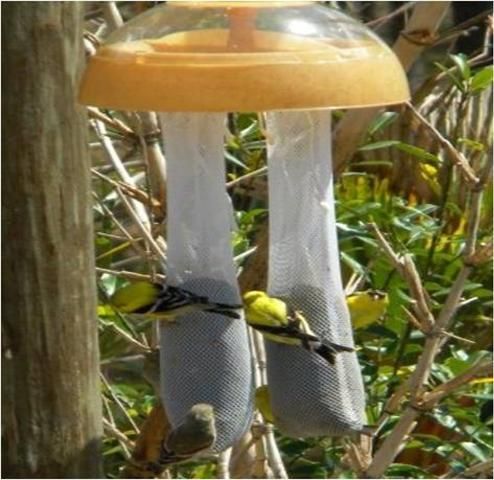
Several feeder types suit various bird species and feeding habits. Tube feeders hold seeds in a clear cylinder, great for small songbirds. Hopper feeders resemble small houses and can store large seed amounts. Platform feeders are flat and open, attracting ground-feeding birds. Suet feeders offer high-energy fat treats, perfect for woodpeckers and nuthatches. Nyjer feeders have tiny holes for thistle seeds, ideal for finches.
Best Bird Seeds
Choosing the right seed attracts more birds to your feeder. Black oil sunflower seeds appeal to many bird types and have thin shells. Millet is favorite food for sparrows and juncos. Nyjer seed attracts finches like goldfinches and siskins. Cracked corn feeds ground-feeding birds such as doves and jays. Avoid cheap seed mixes with fillers like red millet or oats, which birds often ignore.
Feeder Placement Tips
- Place feeders near trees or shrubs for shelter and perching spots.
- Keep feeders at least 10 feet away from windows to reduce collisions.
- Mount feeders 4 to 6 feet above ground to deter predators.
- Ensure feeders are easy to refill and clean regularly to prevent disease.
- Use squirrel baffles or hang feeders on thin wires to keep pests away.
Providing Water Sources
Providing water sources is essential to attract birds to your backyard. Birds need water for drinking and bathing. A reliable water source encourages them to visit often. Water also helps birds stay clean and healthy. Setting up water features can make your garden a bird-friendly space all year.
Birdbaths And Fountains
Birdbaths offer shallow water for birds to drink and bathe. Choose a birdbath with a gentle slope. It should be easy for small birds to stand on. Fountains add moving water that attracts birds. The sound of flowing water signals safety. Place birdbaths and fountains in open areas. Avoid spots near dense bushes where predators hide.
Maintaining Clean Water
Clean water is crucial for bird health. Change water every two to three days. Clean birdbaths with mild soap and water regularly. Remove algae and debris to keep water clear. Dirty water can spread diseases among birds. Use a scrub brush to clean hard-to-reach spots. A clean water source keeps birds returning.
Water Features For Different Seasons
Water needs change with the seasons. In summer, keep water cool and fresh. Add shade or place water features in shaded areas. In winter, try heated birdbaths to prevent freezing. Use safe heaters designed for outdoor use. Remove ice from bowls daily to provide access. Seasonal water features ensure year-round bird visits.

Credit: www.thebirdhousechick.com
Creating Safe Nesting Areas
Creating safe nesting areas is key to attracting more birds to your backyard. Birds need secure places to build their nests and raise their young without constant threats. Providing these spots shows birds that your yard is a trustworthy habitat.
Installing Birdhouses
Put up birdhouses designed for the species you want to attract. Different birds prefer different sizes and entrance hole diameters, so choose accordingly. For example, bluebirds like small houses with a 1.5-inch entrance.
Place birdhouses at varying heights and locations—on poles, trees, or walls—to see what works best. Make sure they face away from prevailing winds and direct sunlight. Cleaning the houses yearly helps keep them inviting and free from parasites.
Natural Nesting Spots
Leave some parts of your yard wild with dense shrubs, tall grasses, or dead trees. These natural spots offer shelter and nesting materials birds love. Birds like wrens and sparrows often prefer these spots over artificial houses.
Have you noticed birds building nests in unusual places like under eaves or inside hanging plants? Providing a variety of textures and materials nearby, like twigs, moss, and feathers, encourages them to settle in your yard. Try not to trim all branches or clear every leaf—some mess is a bird’s paradise.
Avoiding Predators
Protect nests from common predators like cats, raccoons, and snakes by placing birdhouses on poles with baffles or guards. Avoid mounting houses too close to branches or fences where predators can jump. Keeping feeders and water sources clean and away from nesting areas also reduces unwanted visitors.
Think about the safety of your feathered friends—would you leave your front door wide open in a dangerous neighborhood? Making your backyard a safe zone encourages birds to stay and raise their chicks with confidence. What small changes can you make today to improve their security?
Minimizing Hazards
Creating a safe space for birds in your backyard starts with reducing dangers. Birds face many risks that can keep them away. Simple changes help protect them and invite more visitors. Focus on removing common hazards to make your yard welcoming and safe.
Keeping Cats Indoors
Cats hunt birds, even when well-fed. Keeping cats inside protects birds from attacks. Outdoor cats can scare birds away or harm them. Use cat enclosures or leash walks to control cats safely. This simple step saves many backyard birds.
Reducing Window Collisions
Birds often fly into glass windows by mistake. Clear reflections confuse them. Place decals, screens, or tape on windows to break reflections. Move bird feeders away from windows to prevent crashes. These actions reduce deadly collisions significantly.
Avoiding Pesticides
Pesticides poison insects and plants birds eat. These chemicals can harm birds directly or indirectly. Choose natural pest control methods instead. Plant native flowers and herbs to attract safe insects. Avoid sprays and chemicals to keep birds healthy.
Credit: edis.ifas.ufl.edu
Encouraging Bird Activity
Birds bring life and color to your backyard. Encouraging bird activity can transform your outdoor space into a vibrant haven. With a few thoughtful strategies, you can attract a variety of feathered friends. This section explores simple yet effective ways to make your backyard appealing to birds.
Using Bird Calls And Sounds
Bird calls can attract curious birds to your yard. Consider recordings of specific species. Play them softly to mimic a natural environment. Ensure the sound is pleasant and not too loud. This invites birds without causing stress.
Providing Perches And Branches
Perches give birds a resting spot. Place branches and sticks around your yard. They offer safety and a place to observe. Natural materials blend seamlessly into the environment. Arrange them at varying heights for different bird species.
Seasonal Tips For Birdwatching
Seasons affect bird activity. In spring, migratory birds seek food and nesting sites. Summer is ideal for birdwatching with longer daylight hours. Autumn brings different species as they migrate south. Winter can be quieter, but feeders attract hardy birds. Adapt your yard with seasonal plants and food sources.
Frequently Asked Questions
How Can I Attract More Birds To My Backyard?
Provide fresh water, native plants, and bird feeders. Avoid pesticides and offer nesting boxes to create a safe habitat.
What Types Of Bird Feeders Work Best?
Tube feeders attract small birds, while platform feeders suit larger species. Use suet feeders in winter for extra energy.
Which Plants Attract The Most Backyard Birds?
Native flowering shrubs, trees with berries, and seed-producing plants draw various bird species. They also provide shelter and nesting sites.
How Important Is Water For Backyard Birds?
Water is essential for drinking and bathing. A clean birdbath or shallow water source will encourage birds to visit frequently.
Conclusion
Creating a bird-friendly backyard brings nature close to home. Provide food, water, and shelter to invite birds. Choose plants that offer seeds and berries. Keep feeders clean to protect bird health. Patience helps; birds may take time to visit. Enjoy the peaceful sounds and bright colors.
A small effort makes a big difference for wildlife. Your backyard can become a lively bird haven. Try these steps and watch your garden come alive.




