
Are you excited to bring more life and color to your garden? Attracting birds to your new bird feeder can be easier than you think.
Imagine waking up to the cheerful songs of bright, beautiful birds right outside your window. But how do you make sure your feeder becomes their favorite spot? You’ll discover simple and effective tips to draw birds in quickly and keep them coming back.
Ready to turn your outdoor space into a lively bird haven? Let’s dive in!
Choosing The Right Feeder
Choosing the right bird feeder is crucial to attract birds quickly. The feeder must suit the types of birds in your area and the kind of seeds you want to offer. A good feeder also needs to withstand weather and hold enough food to keep birds coming back. Picking the right feeder makes feeding birds easier and more enjoyable.
Types Of Bird Feeders
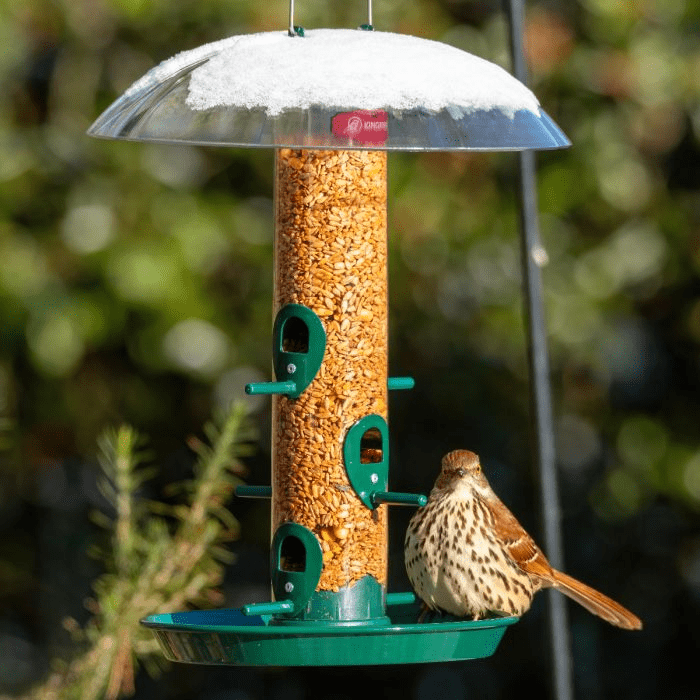
Several bird feeder styles attract different birds. Tube feeders work well for small songbirds like finches. Hopper feeders hold lots of seed and attract a variety of birds. Platform feeders are open and suit larger birds such as cardinals and jays. Suet feeders offer energy-rich food for woodpeckers and nuthatches. Choose a style that fits local birds’ needs.
Materials And Durability
Feeders come in plastic, metal, and wood. Metal feeders last long and resist squirrels. Wood feeders look natural but may need more care. Plastic feeders are light and easy to clean but can break in strong winds. Pick a feeder made from materials that hold up well in your climate. Durability keeps birds coming without frequent replacements.
Size And Capacity
Size matters for bird feeders. Small feeders suit fewer birds and are easy to refill. Large feeders hold more seed but need more space. Think about how many birds visit your area. A bigger feeder saves time refilling but can attract unwanted pests. Balance size with your space and how often you want to fill it.

Credit: avibirds.com
Selecting The Best Location
Choosing the right place for your new bird feeder is key to attracting birds. A good location makes birds feel safe and welcome. It also helps them see the feeder easily. Think about the environment around the feeder. Quiet, safe, and visible spots work best.
Safe And Quiet Spots
Birds prefer places away from loud noises. Avoid busy areas or spots near heavy traffic. Quiet spots give birds a calm place to eat. Look for a location with low human activity. Trees or bushes can offer natural shelter and reduce noise.
Visibility For Birds
Birds need to find your feeder easily. Place it where they have a clear view. Open areas near trees work well. Birds can spot the feeder from a distance. Make sure no large objects block the view.
Protection From Predators
Keep birds safe from cats and other predators. Avoid placing feeders too close to places predators hide. Use poles with baffles to stop climbing animals. Trees nearby should not be too close, so predators can’t jump to the feeder.
Picking The Right Bird Food
Choosing the right bird food is key to attracting a variety of birds to your new feeder. Birds have different tastes and nutritional needs depending on their species and the time of year. By offering the appropriate food, you invite more feathered friends to visit and stay longer.
Popular Seeds And Mixes
Black oil sunflower seeds are a favorite among many birds because they have a thin shell and high oil content. They attract species like cardinals, chickadees, and finches. Another great option is nyjer (thistle) seed, which is loved by small finches such as goldfinches and siskins.
Many commercial bird seed mixes combine various seeds to appeal to a broad range of birds. However, some mixes contain filler seeds like milo or red millet that few birds eat. You might want to choose mixes without these fillers or pick individual seeds based on the birds you want to attract.
Seasonal Food Choices
Birds’ dietary needs change with the seasons. In winter, high-fat seeds like sunflower or peanuts provide essential energy for warmth. In spring and summer, birds often seek more protein, so offering suet or mealworms can be a great choice.
Think about the natural food sources available in your area and complement them. Have you noticed which birds visit your yard at different times of the year? Adjusting your feeder’s offerings accordingly can keep visitors coming back.
Avoiding Harmful Foods
Some foods may seem harmless but can actually harm birds. Avoid bread, which lacks nutrients and can cause digestive problems. Also, steer clear of salted or flavored seeds and nuts, as salt is toxic to birds.
Remember to keep your feeder clean and discard moldy or spoiled food promptly. It’s better to offer less food but keep it fresh and safe. What steps can you take to ensure your feeder stays a healthy spot for birds?
Credit: www.youtube.com
Creating A Bird-friendly Environment
Creating a bird-friendly environment around your new bird feeder helps attract more birds. Birds need more than just food to visit regularly. A safe and welcoming space encourages them to stay longer and return often. Consider their basic needs like water, shelter, and natural surroundings. These elements make your yard a bird paradise.
Providing Water Sources
Birds need fresh water for drinking and bathing. Place a shallow birdbath near your feeder. Keep the water clean and refill it regularly. Moving water, such as a small fountain, attracts birds more. Make sure the water is easy to access and not too deep. Water helps birds stay healthy and comfortable.
Adding Shelter And Perches
Birds look for places to rest and hide from predators. Add shrubs, trees, or small bushes around the feeder. These plants offer protection and a place to perch. You can also add a few perches near the feeder. Birds feel safer with nearby cover. This encourages them to visit your feeder more often.
Planting Native Flora
Native plants support local bird species best. Plant flowers, shrubs, and trees that grow naturally in your area. They provide food, shelter, and nesting materials. Native plants attract insects, another food source for birds. Choose a variety of plants that bloom at different times. This offers food and shelter throughout the year.
Maintaining And Cleaning The Feeder
Keeping your bird feeder clean and well-maintained is key to attracting healthy, happy birds. A neglected feeder can deter birds and even spread disease. Making cleaning a regular habit helps ensure your feathered visitors keep coming back.
Regular Cleaning Tips
Clean your feeder every two weeks, or more often during wet weather. Use warm water and mild soap to wash all parts thoroughly. Rinse well to remove soap residue that could harm birds.
Allow the feeder to dry completely before refilling it. This prevents seeds from clumping and mold from growing. If you spot leftover seeds, remove them promptly to keep the feeder fresh.
Preventing Mold And Disease
Mold can develop quickly in damp feeders, posing health risks to birds. Wipe down surfaces regularly and avoid overfilling to reduce moisture buildup. Consider placing feeders in shaded areas to slow mold growth.
Disinfect your feeder monthly using a solution of one part white vinegar to four parts water. This natural cleaner kills germs without harsh chemicals. Rinse thoroughly afterward to ensure no residue remains.
Checking For Wear And Damage
Inspect your feeder for cracks, rust, or broken parts every time you clean it. Damaged feeders can injure birds or let seeds spill out, wasting food. Replace or repair feeders showing signs of wear to keep them safe and effective.
Pay attention to moving parts like perches and lids. Smooth operation encourages birds to feed comfortably and protects your investment. Have you noticed any areas of your feeder that need attention?
Attracting Different Bird Species
Placing a variety of seeds attracts different bird species to your feeder. Choose a quiet spot near trees for safety and shelter. Fresh water nearby also encourages birds to visit more often.
Attracting Different Bird Species Bringing a variety of bird species to your new bird feeder can be an exciting and rewarding experience. It’s like hosting a vibrant, feathered party in your backyard. But how do you ensure that your feeder becomes the preferred dining spot for different types of birds? Understanding their unique needs and preferences is key.Species-specific Food Preferences
Different birds have different tastes. For instance, while finches love nyjer seeds, cardinals are fond of sunflower seeds. Sparrows and doves might prefer cracked corn or millet. Experiment with a mix of seed types to see what works best. Your local bird population will have its own favorites based on species common to your area. Don’t forget to keep an eye on which seeds get eaten fastest to adjust your offerings accordingly.Feeder Styles For Various Birds
The type of feeder you use can influence which birds visit. Tube feeders are great for small birds like chickadees and finches. Platform feeders can accommodate larger species like jays and doves. If you love hummingbirds, consider adding a nectar feeder. Remember to place feeders at different heights to cater to ground feeders and those who prefer a higher perch. This variety ensures there’s something for every bird.Timing And Bird Activity
Birds are creatures of habit, often following a daily routine. Early mornings and late afternoons are peak feeding times. Keep your feeders stocked and clean during these periods to attract the most visitors. Do you notice birds skipping a meal? It might be a sign to freshen the food or try a new type. Watching for these patterns can turn your feeder into a bustling bird hub, offering endless avian entertainment.Using Additional Attractants
Attracting birds to a new feeder requires more than food. Using additional attractants can enhance your birdwatching experience. These strategies will make your feeder a popular spot for feathered visitors.
Bird Calls And Sounds
Bird calls can lure birds to your feeder. Birds respond to familiar sounds. Consider playing recordings of local bird calls near your feeder. This creates a welcoming atmosphere. Birds will feel safe and curious. Choose calls of species you want to attract. Ensure the volume is not too loud. Otherwise, it might scare them away.
Decoys And Visual Lures
Visual lures can intrigue birds. Use decoys that mimic local species. Place them near the feeder. Birds are social creatures. They may approach if they see others feeding. Shiny objects can also work. Hang small mirrors or colorful ribbons. They reflect light, catching birds’ attention.
Avoiding Common Deterrents
Keep your feeder area inviting. Avoid placing it near noisy areas. Loud sounds can frighten birds. Ensure the feeder is clean. Dirty feeders deter birds. Regularly check for predators. Cats and squirrels can scare birds away. Trim nearby branches to reduce hiding spots. This makes birds feel secure while feeding.
Patience And Observation
Attracting birds to a new feeder takes patience and careful observation. Birds may take time to discover the feeder. Watching quietly helps understand their habits. Noticing which birds visit and when can guide changes. This process builds a deeper connection with nature.
Tracking Bird Visits
Keep a simple journal or use an app to track visits. Note the types of birds and the time of day they appear. Check how often birds come to the feeder. Look for patterns in their behavior and preferences. This data helps decide what food or feeder works best.
Adjusting Strategies Over Time
Change the feeder’s location if birds do not visit. Try different seed types or feeder styles based on observations. Clean the feeder regularly to keep birds healthy. Small changes can make a big difference in attracting birds. Stay flexible and open to trying new ideas.
Enjoying Birdwatching
Watching birds can be relaxing and fun. Use binoculars or a camera for a closer look. Note different species and their behaviors. Enjoy the sounds and colors birds bring. Patience turns feeding birds into a rewarding hobby.
Credit: www.kingsyard.com
Frequently Asked Questions
How Do I Choose The Best Location For A New Feeder?
Place your feeder in a quiet, sheltered spot near trees or shrubs. Birds feel safe near cover and can easily spot food. Avoid busy or windy areas to attract more birds. Position the feeder where you can enjoy watching them too.
What Types Of Seeds Attract The Most Birds?
Black oil sunflower seeds attract many bird species due to their high fat content. Nyjer seeds are great for finches. Mixed seeds can attract a variety of birds but avoid fillers like red millet. Fresh, high-quality seeds ensure better bird visits.
How Can I Keep My Bird Feeder Clean And Safe?
Clean your feeder every two weeks with warm, soapy water. Rinse thoroughly and dry before refilling. This prevents mold, bacteria, and diseases. Regular cleaning keeps birds healthy and encourages consistent visits to your feeder.
When Is The Best Time To Feed Birds At A New Feeder?
Early morning and late afternoon are prime feeding times. Birds are most active during these hours searching for food. Filling your feeder at these times increases the chances of attracting birds quickly to your new feeder.
Conclusion
Attracting birds to a new feeder takes time and care. Choose the right seeds and place the feeder in a safe spot. Keep the feeder clean to invite more birds. Watch quietly and enjoy their visits. Patience helps birds feel comfortable and return often.
Small efforts bring big rewards in birdwatching joy. Keep trying, and soon your feeder will be full of feathered friends.




