
Are you eager to see colorful birds visit your yard more often? Attracting birds to your bird feeder can turn your outdoor space into a lively, peaceful retreat.
But how do you make sure those beautiful visitors keep coming back? The secret lies in simple, effective steps you can take right now. You’ll discover easy tips to fill your feeder with the right food, choose the best location, and create a welcoming environment that birds can’t resist.
Get ready to enjoy the joyful sights and sounds of birds right outside your window!
Choosing The Right Feeder
Choosing the right bird feeder plays a big role in attracting birds to your yard. Different birds prefer different feeders. The feeder’s design, material, and placement affect which birds visit. Picking the right feeder helps you enjoy more birdwatching.
Types Of Bird Feeders
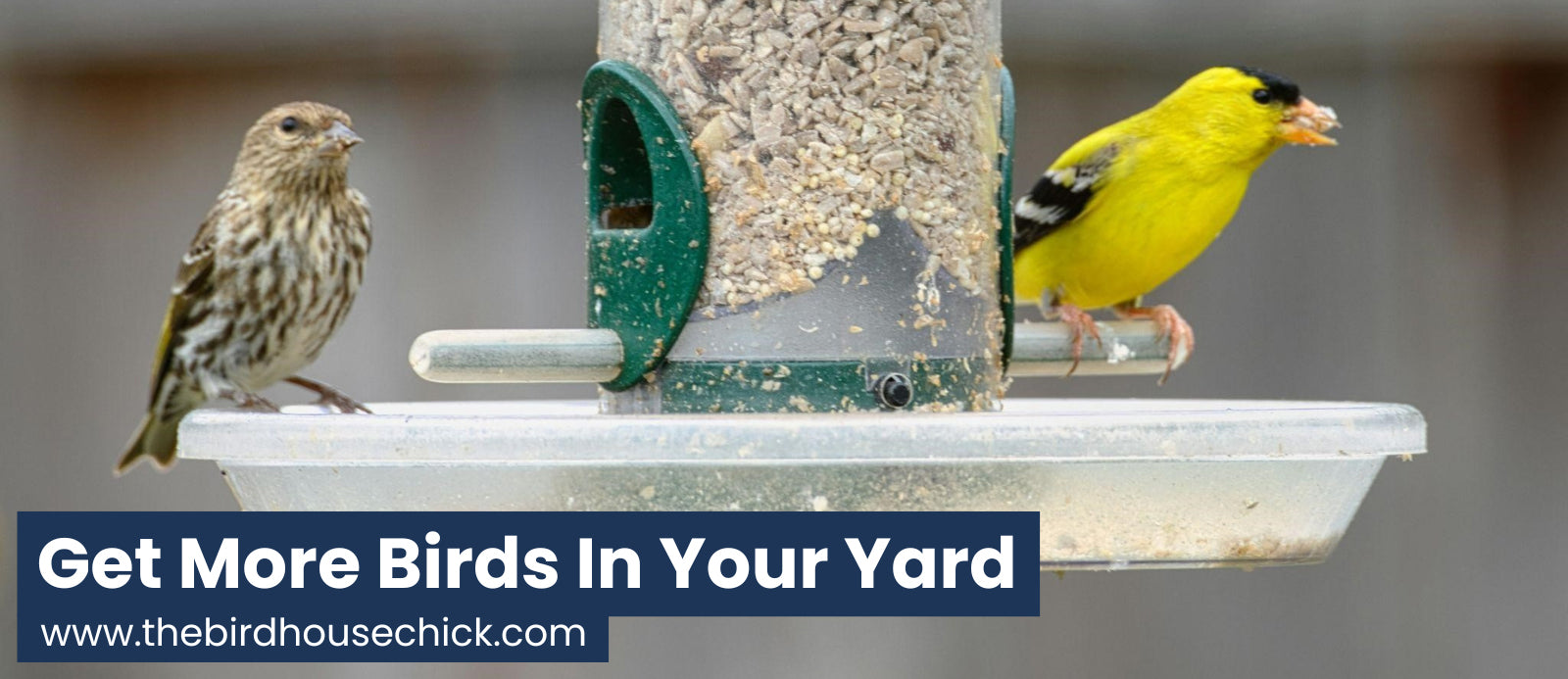
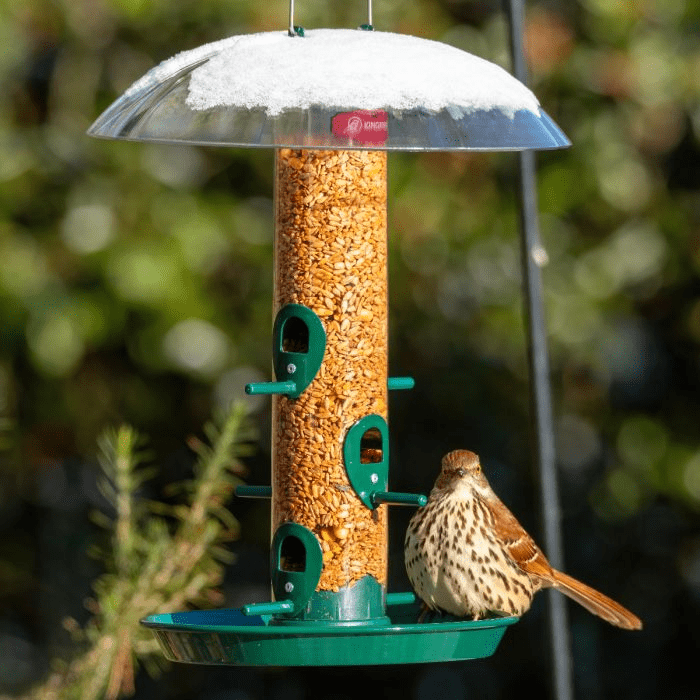
Several types of bird feeders suit different birds and seeds. Tube feeders are popular for small birds like finches and chickadees. Hopper feeders hold more seed and attract larger birds like cardinals and grosbeaks. Platform feeders are open and attract a variety of birds, including ground feeders. Suet feeders offer high-energy food for woodpeckers and nuthatches.
- Tube feeders:Small ports, ideal for small birds
- Hopper feeders:Large capacity, attracts medium to large birds
- Platform feeders:Open tray, attracts many bird types
- Suet feeders:Wire cage for fat cakes, attracts insect-eaters
Materials And Durability
Feeders come in wood, metal, and plastic. Wood blends well with nature but needs regular maintenance. Metal feeders resist squirrels and last longer. Plastic feeders are lightweight and budget-friendly but may fade or crack. Choose a feeder made of sturdy material that suits your climate. Weather resistance helps feeders last through all seasons.
Placement Strategies
Where you place the feeder affects bird visits. Place feeders near trees or shrubs to give birds shelter and perches. Avoid spots too close to windows to prevent bird collisions. Keep feeders away from high traffic areas to reduce stress on birds. Vary feeder height depending on bird species you want to attract. Clean and refill feeders regularly to keep birds healthy and happy.
Credit: www.thebirdhousechick.com
Selecting Bird Food
Selecting the right bird food is key to attracting a variety of birds to your feeder. Different birds prefer different seeds and treats. Offering the right food helps you enjoy watching more species visit your yard. Understanding popular seeds, specialty foods, and seasonal options makes feeding birds easier and more rewarding.
Popular Seeds And Mixes
Black oil sunflower seeds attract many common birds. They have thin shells and high oil content, perfect for small and large birds. Mixed seed blends combine millet, cracked corn, and sunflower seeds. These mixes appeal to a wide range of birds and provide variety. Nyjer seeds are ideal for finches and smaller birds. They are tiny and rich in oil.
Specialty Foods For Specific Birds
Peanuts attract woodpeckers, jays, and nuthatches. Offer them in shell or shelled form. Suet cakes provide energy-rich food for insect-eating birds like chickadees and woodpeckers. Mealworms are a favorite for bluebirds and wrens. Fruit pieces draw orioles, robins, and tanagers. Choose oranges, apples, or grapes for these visitors.
Seasonal Food Choices
Cold months call for high-fat foods like sunflower seeds and suet. These help birds keep warm and active. During spring and summer, offer fresh fruits and mealworms for breeding birds. In fall, seeds from sunflowers and asters become popular as birds prepare for migration. Changing food types with seasons supports bird health year-round.
Creating A Bird-friendly Environment
Creating a bird-friendly environment invites birds to visit your feeder often. Birds need more than just food to feel safe and comfortable. Providing water, shelter, and protection from danger helps them thrive nearby. A welcoming space encourages birds to stay longer and return regularly.
Providing Water Sources
Birds need fresh water to drink and bathe. Place a shallow birdbath near the feeder. Keep the water clean by changing it every few days. Moving water, like a small fountain, attracts birds more. Water helps birds stay healthy and cool, especially in warm weather.
Adding Natural Shelter
Birds seek cover to rest and hide from weather. Plant shrubs or small trees around the feeder. Evergreens provide year-round protection from wind and rain. Dense plants offer safe spots for birds to perch and watch. Natural shelter makes birds feel secure and encourages visits.
Avoiding Predators
Predators scare birds away quickly. Place feeders away from places where cats or hawks can hide. Keep feeders at least five feet from bushes or fences. Use baffles on feeder poles to block squirrels and larger animals. A safe feeding area helps birds eat without fear.

Credit: happygardens.com
Maintaining Your Feeder
Maintaining your bird feeder keeps it safe and inviting for birds. Clean feeders stop disease spread and keep birds coming back. Regular care also extends the feeder’s life and keeps seeds fresh. Small daily habits help create a healthy feeding spot.
Cleaning Tips
Wash your feeder every two weeks with warm, soapy water. Use a brush to scrub all parts, including corners and crevices. Rinse thoroughly to remove soap. Let the feeder dry completely before refilling. Avoid harsh chemicals that could harm birds.
Preventing Mold And Spoilage
Keep seeds dry to stop mold growth. Avoid overfilling the feeder. Use fresh seeds and discard old or damp ones. Place feeders in shaded areas to reduce moisture. Check often for clumps or discoloration in the seed mix.
Regular Replenishment
Refill your feeder regularly to keep food fresh. Birds return if they find a steady supply. Empty feeders may discourage visits. Watch seed levels daily during busy seasons. Clean before adding new seeds to avoid mixing old with fresh.
Attracting Different Bird Species
Attracting different bird species to your feeder adds life and color to your outdoor space. Each bird has unique preferences for food, feeder types, and habitat. Understanding these preferences helps you create an inviting environment that welcomes a variety of feathered visitors.
Common Backyard Birds
Many common backyard birds like sparrows, finches, and chickadees enjoy easy-to-find seeds such as sunflower, millet, and cracked corn. Use tube feeders or platform feeders to accommodate these birds comfortably. Keep your feeder clean and place it near shrubs or trees where birds can quickly retreat if they sense danger.
Have you noticed how some birds prefer to feed in groups while others are more solitary? Offering a mix of seed types can attract a broader range of these common birds, turning your yard into a lively gathering spot.
Attracting Hummingbirds
Hummingbirds are attracted to brightly colored feeders, especially red ones. Fill your feeder with a simple sugar-water solution—four parts water to one part sugar—without any additives. Position the feeder in a sunny spot with some shade nearby to protect these tiny birds from overheating.
Do you provide fresh nectar regularly? Hummingbirds need a constant supply. Changing the nectar every few days keeps it fresh and free from mold, making your feeder a reliable stop on their route.
Inviting Woodpeckers And Jays
Woodpeckers and jays prefer high-protein foods like suet and peanuts. Use suet cages and feeders with perches strong enough to support their weight. Place feeders near tree trunks or sturdy branches where woodpeckers feel safe to cling and peck.
Have you tried offering peanuts in the shell? Jays love cracking them open. Adding variety in food and feeder placement can encourage these bold birds to visit regularly and bring more excitement to your backyard.
Seasonal Bird Feeding Tips
Attracting birds to your feeder requires seasonal adjustments. Each season presents unique challenges and opportunities for bird feeding. Understanding these can enhance your bird-watching experience.
Winter Feeding Challenges
Winter can be harsh for birds. Food is scarce, and energy needs are high. Offer high-fat foods like suet and peanuts. Keep feeders clean and free from snow. Ensure water sources don’t freeze by using heated birdbaths. Place feeders where they are sheltered from cold winds.
Spring And Summer Adjustments
Spring brings migratory birds. Provide a variety of seeds to attract different species. Offer nesting materials like yarn and pet hair. In summer, maintain clean feeders to prevent mold. Supply fresh water regularly. Consider placing feeders near shrubs for shelter.
Fall Preparation
Fall is a time of change. Birds prepare for migration. Offer high-energy foods to support their journey. Clean and repair feeders before winter. Stock up on bird food to avoid shortages. Monitor local bird activity to adjust feeding strategies.
Credit: www.kingsyard.com
Frequently Asked Questions
What Types Of Seeds Attract The Most Birds?
Black oil sunflower seeds attract many birds due to their high oil content. Nyjer seeds are ideal for finches. Offering a variety of seeds can attract diverse bird species to your feeder.
Where Should I Place My Bird Feeder For Best Results?
Place feeders in quiet, sheltered areas near trees or shrubs. This provides birds with protection from predators and harsh weather, encouraging frequent visits.
How Often Should I Clean My Bird Feeder?
Clean feeders every two weeks or more often in wet weather. Regular cleaning prevents mold and disease, keeping birds healthy and eager to visit your feeder.
What Types Of Bird Feeders Work Best?
Tube feeders suit small birds like finches. Hopper feeders attract larger birds like cardinals. Platform feeders are versatile and accommodate various bird sizes.
Conclusion
Attracting birds to your feeder brings nature close to home. Choose fresh seeds and clean your feeder often. Place it where birds feel safe and can rest nearby. Add water for drinking and bathing to invite more visitors. Patience matters; birds will find your feeder with time.
Enjoy the peaceful moments watching colorful birds visit daily. Small efforts create a lively, bird-friendly space outside your door. Keep feeding and observing. Nature’s beauty will brighten your days.




