
Are you thinking about setting up bird houses in your yard but wonder if placing them close together is a good idea? You might be surprised how the distance between bird houses affects the birds’ behavior and safety.
Whether you want to attract more feathered friends or create a peaceful space for them, understanding how close is too close can make all the difference. Keep reading, and you’ll discover simple tips that help you create the perfect bird neighborhood right outside your window.

Credit: www.npr.org
Ideal Spacing For Bird Houses
Choosing the right distance between bird houses helps birds feel safe and secure. Proper spacing reduces fights and keeps birds comfortable. It also encourages more birds to nest in your yard. The ideal space depends on the bird species and their behavior. Understanding these factors makes your birdhouses more inviting.
Species-specific Distances
Different birds need different distances between houses. Small birds like chickadees or wrens can nest closer. They often tolerate neighbors nearby. Larger birds such as bluebirds or woodpeckers need more space. They prefer about 100 feet apart to avoid conflicts.
Here is a quick guide:
- Wrens and chickadees: 3 to 5 feet apart
- Bluebirds: 100 feet apart
- Woodpeckers: 50 to 100 feet apart
Territorial Behavior Impact
Birds defend their nesting area strongly. Territorial species need space to avoid fights. Placing houses too close can cause stress or abandonment. Some birds only tolerate neighbors during certain seasons. Watch how your local birds behave to adjust spacing.
Spacing respects their need for privacy and safety. This increases the chance of successful nesting. Birds that feel crowded may choose other spots. Give them room to thrive and raise young peacefully.
Benefits Of Proper Spacing
Proper spacing between bird houses plays a key role in creating a safe and welcoming environment for birds. It helps reduce conflicts and improves their chances of raising young successfully. Good spacing respects the natural behavior of birds and supports their wellbeing.
Reduced Aggression Among Birds
Birds can become territorial and aggressive if bird houses are too close. Proper spacing gives each bird enough room to claim its own space. This reduces fights and stress among neighbors. Peaceful surroundings allow birds to focus on nesting and feeding their chicks.
Better Nesting Success
Birds need quiet and safety to build nests and raise young. Properly spaced bird houses lower the chance of disturbances. This helps birds stay calm and care for their eggs and chicks better. More space means higher chances of successful hatching and growth.
Risks Of Placing Bird Houses Too Close
Placing bird houses too close to each other might seem like a good way to attract more birds to your yard. However, this practice can create several problems that affect the health and safety of the birds. Understanding these risks helps you provide a better environment for your feathered visitors.
Increased Competition
Birds are naturally territorial. When bird houses are placed too close, the birds may compete aggressively for space and resources.
This competition can lead to stress, injuries, and even abandonment of nests. You might notice birds chasing each other away or fighting over the same house, which reduces the chances of successful breeding.
Think about how you would feel if your personal space was constantly invaded. Would you be comfortable or stressed? Birds feel the same way.
Spread Of Parasites And Diseases
When bird houses are clustered together, parasites and diseases can spread quickly between nests.
Close proximity makes it easy for mites, ticks, and other parasites to move from one bird to another. Illnesses can also travel fast, putting entire bird families at risk.
Have you ever noticed how colds spread rapidly in crowded places? The same principle applies here. Keeping bird houses spaced apart helps reduce the chance of outbreaks and keeps your birds healthier.
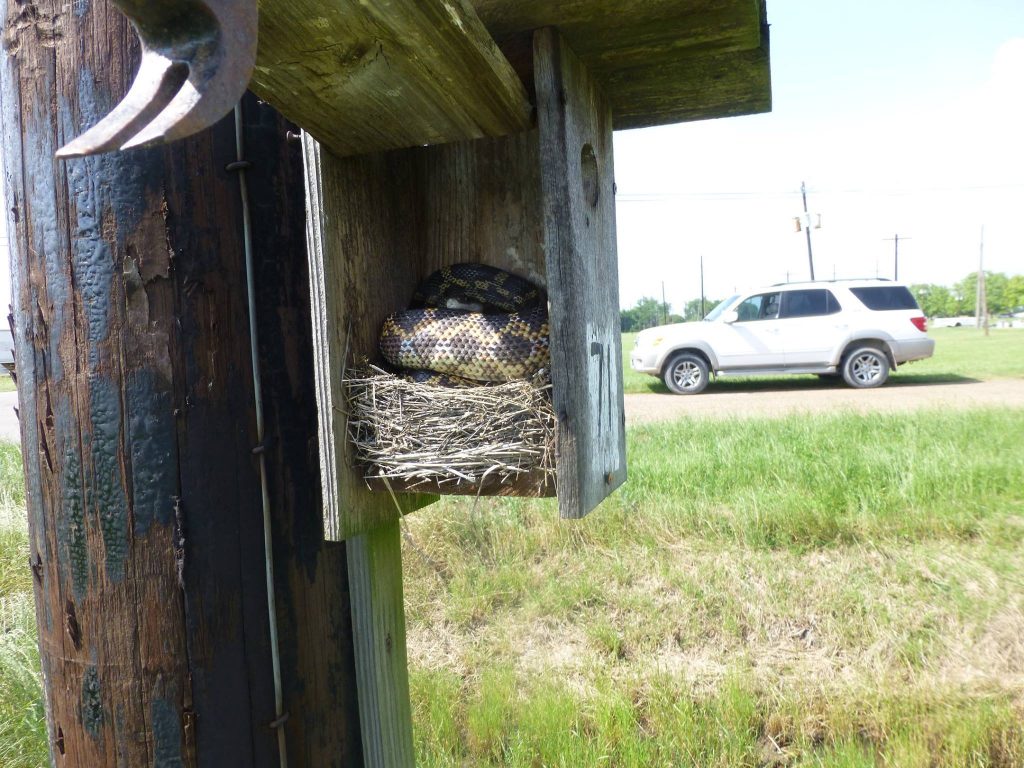
Credit: nestwatch.org
Tips For Grouping Bird Houses
Grouping bird houses can create a lively and inviting space for birds, but it requires thoughtful planning. You want to encourage nesting without causing stress or competition among feathered visitors. The right setup balances closeness with comfort, making your birdhouses a safe haven.
Choosing The Right Location
Pick a spot that offers natural protection from harsh weather. Trees or shrubs nearby can provide shelter and perching spots, but avoid placing houses too deep inside dense foliage where predators might hide.
Sunlight matters too. Aim for a location that gets morning sun but is shaded during the hottest part of the day. This helps keep the nest temperature comfortable for baby birds.
Think about accessibility for you as well. You’ll need to clean and check the houses regularly, so place them where you can reach them safely without disturbing the birds.
Maintaining Privacy And Safety
Birds value their space, even in a community setting. Keep at least 3 to 5 feet between bird houses to reduce territorial disputes and stress.
Make sure each house faces away from busy human activity or frequent pet paths. Noise and sudden movements can scare birds away or interrupt nesting.
Consider predator guards or mounting the houses on poles rather than trees to keep raccoons or cats at bay. Safety ensures the birds will return year after year.
Materials And Design Considerations
Choosing the right materials and design is key for bird houses placed close together. The structure must provide comfort and safety for birds. Wood is the preferred material because it is natural and breathable. Avoid metal or plastic, as they can trap heat and moisture.
Proper design improves air flow and protects birds from weather and predators. The size, shape, and placement of holes also impact bird activity. Thoughtful design helps create a healthy environment for nesting birds.
Ventilation And Drainage
Good ventilation prevents overheating and keeps air fresh inside the house. Small gaps near the roof or sides allow air to circulate. Ensure these openings are not too large to keep predators out.
Drainage holes at the bottom prevent water buildup. Standing water can harm chicks and cause mold. Drill small holes that let water escape quickly but do not weaken the structure.
Predator Protection Features
Keep predators away with smart design. Use small entrance holes sized for target bird species only. This limits access to larger animals like squirrels or raccoons.
- Install metal guards around entrance holes to prevent chewing.
- Place bird houses on poles with baffles to block climbing predators.
- Keep houses away from branches or structures that predators can jump from.
These features help keep nests safe and increase the chance of successful breeding.
Monitoring And Maintenance Practices
Bird houses can be placed close together, but proper spacing ensures healthy bird populations. Consider species’ territorial needs and provide enough distance to reduce competition. Regular monitoring helps maintain a safe and inviting environment for birds.
Monitoring and maintaining bird houses is crucial for success. Proper care ensures birds feel safe and return yearly. It also helps in preventing disease and keeping predators away. This section explores best practices for keeping bird houses in top shape.Regular Cleaning Schedules
Clean bird houses regularly to maintain a healthy environment. Remove old nests and debris after each breeding season. Use mild soap and water for cleaning. Avoid strong chemicals. Let the house dry completely before reassembling. Regular cleaning reduces the risk of disease. It also ensures the house is ready for new occupants.Observing Bird Activity
Watch the bird houses for activity. Note which houses are occupied. Keep an eye out for signs of distress or predators. Document which bird species use the houses. This helps understand patterns and preferences. Observing also allows early detection of issues. Quick action can prevent bigger problems. Adjust placements based on bird preferences and behavior.
Credit: happygardens.com
Frequently Asked Questions
Can Bird Houses Be Placed Close Together Safely?
Yes, bird houses can be placed close together if designed properly. Some bird species tolerate proximity, while others prefer space. Ensure adequate ventilation and entrances to reduce conflicts. Spacing depends on the bird species you aim to attract.
How Much Space Should Be Between Bird Houses?
The ideal space varies by bird species, typically 10 to 30 feet apart. Spacing reduces territorial disputes and competition for resources. Research your target birds to determine the best distance for healthy nesting.
Do Close Bird Houses Encourage Aggression Between Birds?
Close bird houses can increase aggression among territorial species. Birds may fight over nesting spots and resources if homes are too close. Proper spacing and design help minimize conflicts and promote peaceful cohabitation.
Will Birds Nest Successfully In Clustered Bird Houses?
Some birds nest successfully in clustered houses, especially social species like purple martins. However, many prefer solitary nests for safety and reduced competition. Choose species-specific designs and spacing to improve nesting success.
Conclusion
Placing bird houses close together can work for some species. Many birds prefer space to avoid fights and stress. Keep at least a few feet apart to help them feel safe. Watch how birds use the houses and adjust if needed.
Providing food and water nearby also helps attract birds. Try different setups to see what works best in your area. Enjoy watching your feathered visitors thrive in their new homes. Simple care makes a big difference for happy birds.




