
Have you ever wondered if you can hang bird feeders in trees? If you love watching birds visit your yard, this simple question might be on your mind.
Hanging feeders in trees can bring colorful birds closer to your home and create a peaceful, natural scene right outside your window. But is it the best spot for your feathered friends? You’ll discover the pros and cons of placing feeders in trees, tips to keep birds safe, and how to make your bird feeding experience even better.
Keep reading to find out everything you need to know before you hang that feeder.
Choosing The Right Tree
Choosing the right tree for hanging bird feeders is important for bird safety and feeder stability. The tree must support the feeder’s weight without damage. It should also provide a safe spot for birds to eat and rest. Picking the right tree helps attract more birds to your yard.
Tree Species That Work Best
Some trees are better than others for hanging feeders. Deciduous trees like maples and oaks offer strong branches. Pine and fir trees provide shelter with their needles. Avoid trees with weak or brittle branches. Evergreens protect birds from wind and rain while they feed.
Considering Tree Health And Stability
Choose trees that are healthy and sturdy. Look for firm branches without cracks or decay. Avoid trees with loose bark or signs of disease. A stable tree reduces the risk of feeders falling. Check branches for strength by gently shaking them.
Assessing Tree Location
Tree placement affects bird safety and feeder use. Trees near windows can cause bird collisions. Place feeders where birds have clear flight paths. Trees close to shrubs provide cover from predators. Make sure the tree is easy to access for refilling feeders.
Selecting Bird Feeders
Choosing the right bird feeder for your tree is key to attracting birds and keeping your feeder safe and functional. You want a feeder that blends well with your outdoor space, holds the right amount of food, and stands up to weather and wildlife. Let’s look at what makes a bird feeder ideal for hanging in a tree.
Types Of Bird Feeders Suitable For Trees
Not all feeders work well when hung from a branch. Tube feeders and hopper feeders are popular because they hang easily and offer good protection from rain. Platform feeders can work if secured properly, but they tend to sway more in the wind.
Think about the birds you want to attract. Tube feeders are great for small songbirds, while suet feeders attract woodpeckers and nuthatches. You can even try peanut feeders to bring in jays and titmice.
Materials And Durability
Durability matters, especially when your feeder faces rain, wind, and curious squirrels. Metal feeders resist chewing and rust, but some birds prefer wooden feeders for a natural look. Plastic feeders are lightweight but may crack over time.
Have you noticed how quickly cheap plastic feeders fade or break? Investing in sturdy materials saves you time and money. Look for feeders with UV protection and metal reinforcements to extend their life.
Feeder Size And Weight
The size of your feeder affects how much seed it holds and how well it hangs on a branch. A heavy feeder might damage delicate branches or cause too much swinging. Smaller feeders are easier to hang and refill but need more frequent filling.
Consider your tree’s branch strength before choosing a feeder. If you have a young or thin-branched tree, pick a lightweight feeder. Have you tried balancing feeder size with how often you want to refill it? Finding that sweet spot makes bird feeding enjoyable and hassle-free.
Hanging Techniques
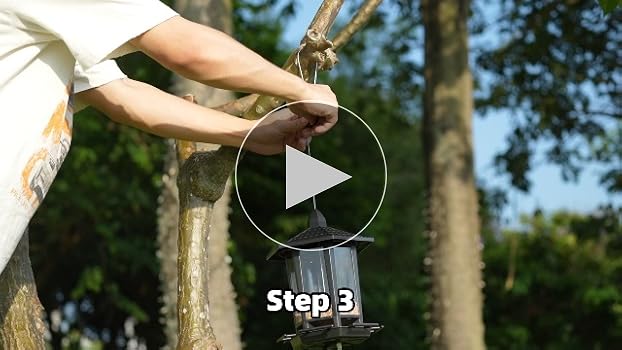
Hanging bird feeders in trees requires careful techniques to protect the tree and attract birds effectively. Choosing the right method ensures feeders stay secure and safe for both birds and trees. Simple steps can help maintain tree health and keep feeders in place, even on windy days.
Using Branches And Hooks
Use sturdy branches to hang feeders. Choose branches thick enough to hold the feeder’s weight. Avoid thin or weak branches that may break easily.
Attach hooks designed for hanging feeders. Screw hooks gently into the branch without damaging the bark. Use S-hooks or metal chains for easy feeder removal and cleaning.
Avoiding Damage To Trees
Protect tree bark by using soft materials between the feeder and branch. Wrap the branch with cloth or rubber before hanging the feeder. This prevents cuts and wounds on the bark.
Check feeders regularly to ensure they do not harm the tree. Avoid using nails or screws that penetrate deep into the wood. Choose methods that allow the tree to grow without restrictions.
Securing Feeders Against Wind
Wind can swing feeders, causing damage or scaring birds. Use strong cords or chains to keep feeders stable. Tie cords tightly to prevent excessive movement.
Consider adding a weight or stabilizer at the feeder’s base. This helps reduce swinging during windy weather. Place feeders in sheltered spots to minimize wind impact.

Credit: feedsnneeds.ca
Safety For Birds And Wildlife
Ensuring the safety of birds and other wildlife is essential when hanging bird feeders in trees. Your goal should be to create a welcoming spot that doesn’t expose birds to unnecessary risks. Thoughtful placement and maintenance can make a big difference in protecting these visitors.
Preventing Predator Access
Predators like cats and squirrels can easily reach feeders hung too close to branches or fences. To keep birds safe, hang feeders at least 6 feet away from any jumping-off points. You might also consider using baffles or guards to block predators from climbing up.
Have you noticed squirrels raiding your feeder? I once placed mine near a branch, and the squirrels quickly made it their playground. Moving it further out and adding a baffle stopped the problem almost immediately.
Safe Distance From Windows
Birds often don’t see glass and may fly into windows near feeders. Position your feeder at least 3 feet away from windows or closer than 1 foot to reduce collision risks. Adding window decals or screens can also help birds recognize glass surfaces.
Many bird lovers underestimate this danger. I learned this after finding a few stunned birds near my window. Adjusting feeder placement and adding decals helped keep my feathered friends safe.
Maintaining Cleanliness
Dirty feeders can spread diseases among birds and attract unwanted pests. Clean your feeders regularly with mild soap and water, rinsing thoroughly before refilling. Remove old or moldy seed to keep the food fresh and safe.
One season, I ignored cleaning for too long and noticed fewer birds visiting. After a thorough scrub, the feeder quickly became popular again. Keeping things clean protects not just birds but your enjoyment too.
Maintaining Bird Feeders
Hanging bird feeders in trees can offer birds a safe place to eat. It keeps them away from ground predators. Ensure the feeder is stable and accessible for easy refilling.
Maintaining bird feeders is crucial for attracting birds and ensuring their safety. Clean and well-maintained feeders provide a healthy environment. Regular checks and refills keep birds coming back. Here, we explore ways to maintain your bird feeders effectively.Regular Cleaning Schedules
Bird feeders can become breeding grounds for bacteria. Clean them every two weeks. Use warm water and a mild detergent. Rinse thoroughly to remove soap residue. Allow the feeders to dry completely before refilling. Cleanliness prevents diseases among birds.Checking For Wear And Tear
Inspect feeders for damage regularly. Check for rust, cracks, or broken parts. Replace any worn-out components immediately. Secure hangers and hooks to avoid accidents. A well-maintained feeder lasts longer and stays safe for birds.Refilling Tips
Refill feeders before they are completely empty. Birds rely on consistent food sources. Use a funnel to avoid spills and wastage. Keep seeds fresh by storing them in a cool, dry place. Regular refills attract more birds to your feeders.
Credit: birdphotographylife.com
Seasonal Considerations
Hanging bird feeders in trees can be a delightful way to invite nature closer to your home. However, the changing seasons bring unique challenges and opportunities for both you and the birds. Paying attention to seasonal considerations helps ensure your feeders remain safe, accessible, and appealing throughout the year.
Adjusting Feeder Placement
As seasons shift, so should your feeder placement. In summer, placing feeders in shaded areas of the tree protects seeds from spoiling quickly under the sun. During winter, moving feeders closer to sheltering branches can shield birds from harsh winds and give them a safe spot to rest.
Have you noticed how birds prefer different parts of the tree depending on the weather? Observing their habits can guide you to the best spots for your feeders. This simple adjustment can make a big difference in how often birds visit.
Protecting Feeders In Harsh Weather
Storms and heavy snowfall can damage feeders or make them inaccessible. Secure your feeders firmly to prevent them from swinging wildly in strong winds. Adding a waterproof cover or placing feeders under dense branches can keep seeds dry and prevent mold growth.
Think about the last time a sudden storm hit—did your feeders survive? Preparing for harsh weather protects your investment and keeps birds fed when they need it most. A little extra care before bad weather arrives goes a long way.
Feeding Strategies For Different Seasons
Birds’ dietary needs change with the seasons, and your feeder contents should reflect that. In colder months, offer high-energy foods like sunflower seeds and suet to help birds stay warm. During spring and summer, provide fruits, nectar, and mealworms to support breeding and raising young.
Try mixing your offerings to attract a wider variety of species throughout the year. Have you experimented with different seeds or treats? Watching which foods attract the most birds can turn your feeding routine into a fun seasonal experiment.
Credit: www.amazon.ca
Frequently Asked Questions
Can You Hang Bird Feeders Directly On Tree Branches?
Yes, you can hang bird feeders on tree branches. Ensure branches are sturdy and can support the feeder’s weight safely. Use strong hooks or cords and avoid damaging the tree bark to keep both the tree and birds safe.
What Are The Benefits Of Hanging Feeders In Trees?
Hanging feeders in trees offers natural shelter, attracting more birds. Trees provide shade, protection from predators, and a comfortable environment for birds to feed and rest.
How High Should Bird Feeders Be Hung In Trees?
Feeders should hang 5 to 6 feet above the ground. This height helps protect birds from ground predators while remaining accessible for refilling and cleaning.
Are Trees Safe Locations For Squirrel-proof Bird Feeders?
Trees can be challenging for squirrel-proof feeders. Squirrels are agile climbers and may reach feeders easily, so additional squirrel deterrents like baffles or placement strategies are recommended.
Conclusion
Hanging bird feeders in trees works well for many bird lovers. Trees offer shade and shelter for birds while they eat. Choose strong branches to hold the feeder safely. Keep the feeder clean to protect bird health. Watch birds enjoy their food close to nature.
Trees also help keep squirrels away from feeders. Enjoy the peaceful moments as birds visit your yard. Small steps like these support local wildlife daily. Try it yourself and see the difference today.




