
Have you ever noticed tiny footprints near your bird feeder and wondered if something other than birds is visiting? If you love watching birds but worry about unwanted guests like mice showing up, you’re not alone.
Bird feeders can be a magnet not just for feathered friends but for rodents too. Understanding why this happens and what you can do about it will help you enjoy your backyard visitors without the hassle. Keep reading to discover how bird feeders might attract mice and simple steps you can take to keep your space rodent-free.
How Bird Feeders Attract Wildlife
Bird feeders invite more than just birds. They create a small hub of wildlife activity. Animals are drawn by the food, shelter, and safe spots near feeders. This makes bird feeders a popular place for many creatures, including mice.
Seeds And Food Spills
Bird feeders often drop seeds and bits of food on the ground. This leftover food attracts small animals searching for an easy meal. Mice find these spills especially tempting because they can eat without much effort. The constant supply of food near feeders keeps mice coming back regularly. This steady food source can support a local mouse population near your home.
Shelter And Nesting Spots
Bird feeders and their stands offer shelter from rain and wind. Small animals use these areas to hide from predators. Dense bushes or trees near feeders provide safe nesting spots. Mice use these places to build nests close to food. The combination of food and shelter makes the area around feeders very attractive to them.
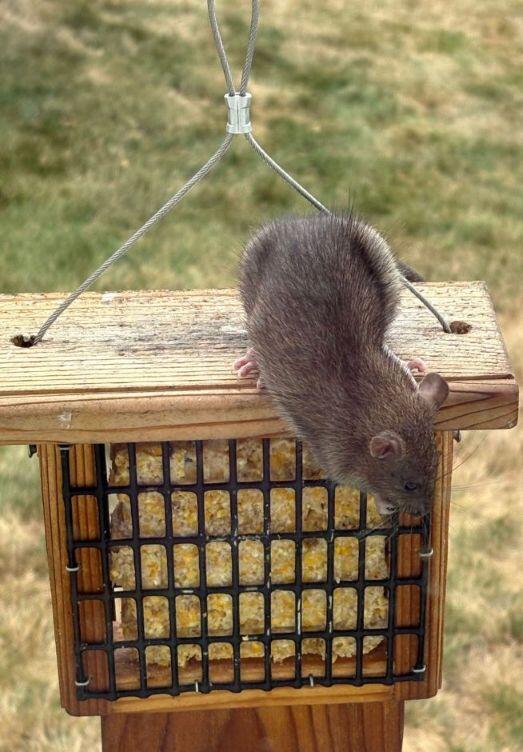
Credit: www.mass.gov
Why Mice Are Drawn To Bird Feeders
Have you noticed tiny footprints near your bird feeder and wondered if mice are visiting? Bird feeders can unintentionally become a hotspot for these small creatures. Understanding why mice are drawn to bird feeders can help you manage your outdoor space better and keep unwanted guests away.
Easy Access To Food
Bird feeders often spill seeds onto the ground, creating a free buffet for mice. These little rodents have a keen sense of smell that guides them straight to the fallen seeds. Even a small amount of scattered food can be enough to attract mice consistently.
Once they find a reliable food source, mice tend to return regularly. This means your bird feeder can become a permanent dining spot for them if you don’t keep it clean. Have you checked the ground beneath your feeder lately?
Safe Hiding Places Nearby
Mice look for food, but they also need shelter to feel safe. Shrubs, tall grass, and woodpiles near bird feeders offer perfect hiding spots. These areas provide cover from predators and harsh weather, making it easier for mice to stay close to their food source.
If your yard has dense plantings or clutter near the feeder, you might be unknowingly inviting mice. Clearing out debris and trimming vegetation can reduce their comfort zone. What steps can you take today to make your garden less mouse-friendly?
Risks Of Mice Near Bird Feeders
Having a bird feeder in your yard can bring joy and a closer connection to nature. But have you noticed tiny footprints or chewed-up seeds around your feeder? This could mean mice are visiting too, and that comes with risks you might not expect. Understanding these risks helps you protect your home, health, and the birds you love to watch.
Health Hazards
Mice carry diseases that can spread to humans and pets. Their droppings and urine often contaminate areas around bird feeders, creating a health risk. You might not see it right away, but these germs can linger on surfaces you touch daily.
Have you thought about how often you clean your feeder area? Regular cleaning reduces the chance of disease spreading. Keep in mind, diseases like hantavirus and salmonella are linked to rodent droppings and can cause serious illness.
Damage To Property
Mice don’t just eat seeds; they chew on wood, wires, and insulation. This behavior can lead to costly repairs in your yard or even inside your home. I once ignored signs of mice near my feeder, only to find damage to outdoor wiring that was expensive to fix.
Check your bird feeder setup for gaps or places where mice can hide or nest. Sealing these spots can prevent damage and keep your yard safe. What areas around your feeder look vulnerable to nibbling or nesting?
Impact On Bird Populations
Mice compete with birds for food at feeders, often eating more than their share. This competition can stress bird populations, especially in winter when food is scarce. You might notice fewer birds visiting or hear less bird song in your yard.
Additionally, mice can disturb bird nests or eggs nearby. Protecting feeders from mice helps ensure birds get the nourishment and safety they need. What changes have you seen in your local birds since setting up a feeder?

Credit: www.amazon.com
Preventing Mice Around Feeders
Preventing mice from gathering around your bird feeders is essential to maintain a healthy and enjoyable feeding area. Mice are attracted to spilled seeds and easy food sources, so your goal is to make your feeders less appealing to these unwelcome visitors. You can take simple but effective steps to keep mice at bay while still supporting your feathered friends.
Choosing The Right Feeder Type
Some feeders are designed to minimize seed spillage, which is a major attractant for mice. Tube feeders with small feeding ports or hopper feeders with seed trays that close tightly can reduce the amount of seed that falls to the ground.
Consider feeders made with metal rather than plastic or wood, as mice can easily chew through softer materials. Have you noticed if certain feeders in your yard seem to attract more mice? Switching to a more mouse-proof design might be the key.
Maintaining Clean Feeding Areas
Cleanliness is your best defense. Regularly sweep or rake up spilled seeds and husks beneath feeders to remove the food source that draws mice in.
Try placing a seed-catching tray under your feeder to catch excess seed. Empty and clean this tray frequently to prevent buildup. This small habit can make a big difference in discouraging mice.
Using Natural Deterrents
You can also try natural ways to repel mice without harming birds. Peppermint oil-soaked cotton balls placed near feeders are known to deter rodents due to their strong smell.
Planting mint or using crushed red pepper flakes around the feeding station can create a barrier mice avoid. Would you be willing to experiment with these natural options to protect your bird sanctuary?
Alternative Feeding Strategies
Alternative feeding strategies help reduce unwanted visitors like mice. Changing where and how you feed birds can make a big difference. These methods keep birds happy while keeping rodents away. Simple adjustments to feeding habits promote a cleaner, safer garden environment.
Ground Feeding Options
Feeding birds on the ground can attract different species. Use a flat tray feeder or scatter seeds on the soil. Choose large seeds like sunflower or corn to limit small seed spills. Place feeders away from bushes or walls to reduce hiding spots for mice. Clean leftover food daily to avoid buildup. Ground feeding invites birds like doves and sparrows while discouraging rodents.
Seasonal Feeding Adjustments
Bird feeding needs change with the seasons. During winter, birds need high-energy foods like suet and nuts. Offer these in feeders designed to limit seed drops. In warmer months, reduce feeding to prevent leftover food. Clean feeders more often to stop mold and pests. Adjust feeding times to early morning or late afternoon. This keeps food fresh and limits access for mice during the night.

Credit: www.livingwithbirds.com
Frequently Asked Questions
Can Bird Feeders Attract Mice To My Garden?
Yes, bird feeders can attract mice as they provide easy access to spilled seeds. Mice are drawn to the food source and shelter near feeders. To reduce mice presence, clean up seed spills and use rodent-proof feeder designs.
What Types Of Bird Feeders Attract Mice Most?
Feeders that dispense loose seeds or have open trays attract mice the most. Tube feeders with small seed holes are less accessible to mice. Choosing feeders that minimize seed spillage can help prevent mice from visiting.
How Can I Prevent Mice Around Bird Feeders?
Keep the area clean by regularly sweeping up spilled seeds. Use feeders designed to limit seed access for rodents. Consider placing feeders away from walls or structures where mice can hide.
Do Certain Bird Seeds Attract Mice More?
Yes, seeds like sunflower, millet, and cracked corn are highly attractive to mice. These seeds are easy for mice to consume and store. Using less attractive seed types can reduce mice visits.
Conclusion
Bird feeders can attract mice if food spills on the ground. Mice find easy access to seeds and crumbs near feeders. Keeping the area clean helps reduce unwanted visitors. Using feeders designed to limit seed spillage also helps. Regularly checking and cleaning around feeders keeps mice away.
Enjoy feeding birds while protecting your home from pests. Simple steps make your garden safer and more pleasant. Watch your feeders closely and act quickly if mice appear. A tidy feeding spot keeps birds happy and mice gone.




