
Have you ever wondered what it feels like to spot a splash of vibrant color flying through the dense green of a tropical rainforest? Imagine your eyes catching a glimpse of a bird so bright and beautiful, it seems almost magical.
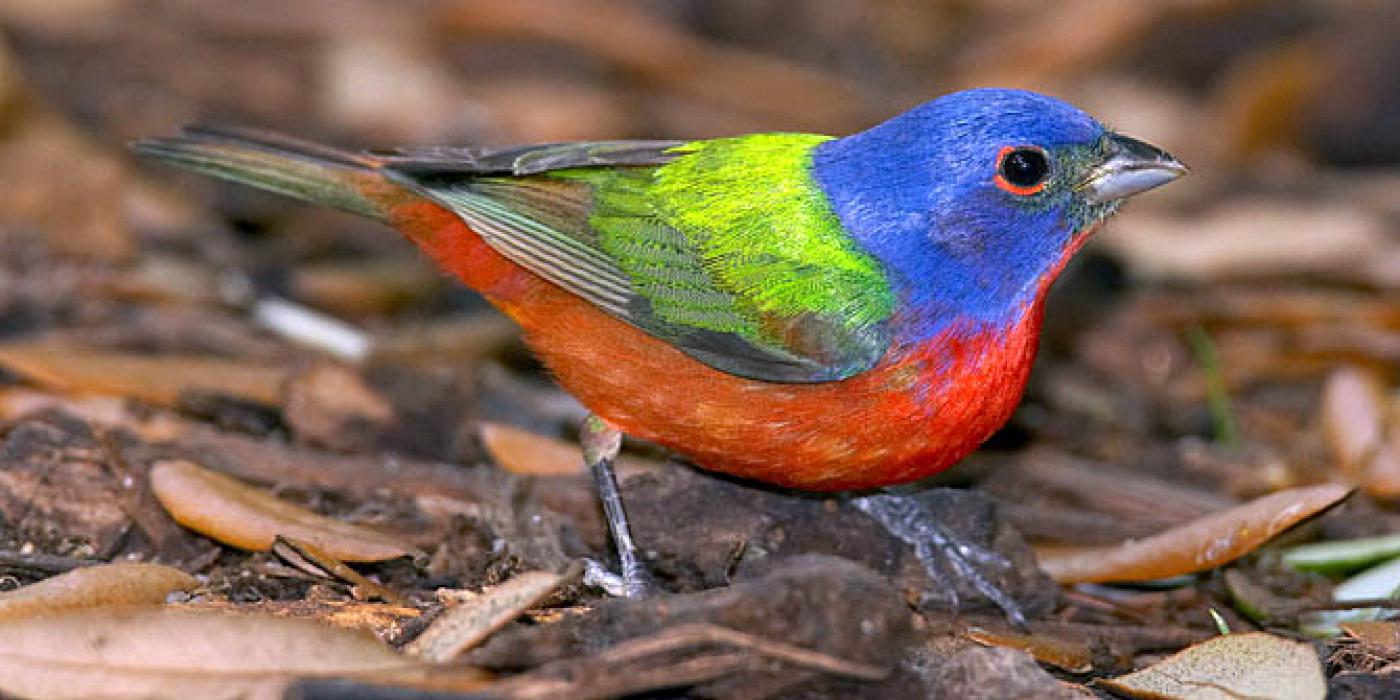
This colorful bird isn’t just a feast for your eyes—it holds secrets about nature’s wonders and the delicate balance of life in the rainforest. Keep reading, and you’ll discover why this dazzling creature deserves your attention and how it plays a vital role in one of the most amazing ecosystems on Earth.
Your next adventure into the wild starts here.
Credit: nationalzoo.si.edu
Tropical Rainforest Habitats
The tropical rainforest habitats are some of the most vibrant and dynamic ecosystems on Earth. These lush environments provide a perfect home for a vast array of colorful birds, each adapted to thrive amid the dense foliage and constant humidity. Understanding the conditions that create these habitats helps you appreciate the unique species that call them home.
Climate And Vegetation
Tropical rainforests experience warm temperatures year-round, usually between 20°C and 30°C (68°F to 86°F). The high humidity and frequent rainfall—often exceeding 2000 mm annually—keep the environment moist and perfect for dense plant growth.
The vegetation is thick and layered, ranging from towering emergent trees to understory shrubs and ground plants. This variety creates multiple niches for birds to nest, feed, and hide from predators. Have you ever noticed how some colorful birds blend seamlessly with the bright flowers or fruits? This natural camouflage is no accident but a result of millions of years of adaptation.
Biodiversity Hotspots
These habitats are biodiversity hotspots, meaning they support more species than almost any other ecosystem. You’ll find hundreds of bird species, many with bright feathers that help them attract mates or warn rivals.
Places like the Amazon Basin and Southeast Asian rainforests are prime examples where this rich diversity thrives. Protecting these areas is crucial, not just for the birds but for the balance of the entire ecosystem.
- Many colorful birds rely on specific plants for food and shelter.
- Loss of habitat can lead to rapid declines in bird populations.
- Supporting conservation efforts helps preserve these natural wonders.
What steps can you take to support the survival of these vibrant birds in tropical rainforests? Even small actions, like supporting sustainable products or contributing to conservation groups, can make a difference.
Credit: stock.adobe.com
Vibrant Plumage And Adaptations
The vibrant plumage of tropical rainforest birds is not just a feast for the eyes; it plays a crucial role in their survival and behavior. These bright colors and patterns are the result of millions of years of adaptation, helping birds communicate, hide, or attract mates. Understanding these features can change how you observe birds during your next rainforest visit.
Color Patterns And Functions
Birds in tropical rainforests often showcase a mix of dazzling colors like blues, reds, and yellows. These colors come from pigments and structural elements in their feathers that reflect light uniquely.
Each color serves a purpose:
- Warning signals:Bright colors can warn predators that the bird might be toxic or unpalatable.
- Species recognition:Helps birds identify their own kind, which is vital in dense forests.
- Social status:Some birds show off brighter feathers to assert dominance within their group.
Camouflage And Mating Displays
While vibrant colors seem opposite to camouflage, some birds cleverly use patterns to blend into the rainforest’s complex light and shadow play. Their feathers can mimic leaves, flowers, or even sunlight filtering through the canopy.
On the flip side, mating displays rely heavily on these bright colors to catch attention. Male birds often flaunt their most brilliant feathers, performing elaborate dances or poses to impress potential partners.
Have you noticed how some birds suddenly flash a burst of color just when they want to be seen? Next time, watch closely and see how plumage changes with the bird’s mood or situation.
Diet And Feeding Behavior
The diet and feeding behavior of this colorful bird reveal much about its survival and role in the tropical rainforest ecosystem. Understanding what it eats and how it finds food can offer you a closer look into its daily life and habits. Observing these patterns also helps in conserving the bird’s natural habitat effectively.
Favorite Foods
This bird prefers a mix of fruits, insects, and nectar. Its bright colors often match the vibrant fruits it enjoys, such as berries and figs. Occasionally, it supplements its diet with small insects and spiders, providing essential protein.
Have you ever noticed how the bird’s preferred fruits change with the seasons? This flexibility keeps it well-nourished year-round. Knowing which foods attract these birds can help you spot them more easily in the wild or at feeders.
Foraging Techniques
The bird uses keen eyesight to spot ripe fruits and hidden insects. It often hops from branch to branch, searching carefully rather than rushing. This patient approach increases its chances of finding the best food sources.
- It probes flowers for nectar using its specialized beak.
- It pecks under bark to uncover insects.
- It sometimes follows army ants to catch prey flushed out by the swarm.
Watching these behaviors up close can change how you think about bird feeding strategies. What might seem like random movement actually follows a purposeful, energy-saving plan.

Credit: www.peckperk.com
Role In Ecosystem
The vibrant bird you spot darting through the tropical rainforest does more than add color to the landscape. It plays a crucial role in maintaining the balance of this complex ecosystem. Understanding its contributions can change the way you see these birds—not just as beautiful creatures, but as vital players in forest health and regeneration.
Seed Dispersal
These colorful birds are nature’s gardeners. They eat a variety of fruits and carry seeds far from the parent tree. This movement helps plants spread across the forest floor, promoting genetic diversity and healthy forest growth.
Imagine walking through a rainforest where new trees sprout in unexpected places. That’s often because of these birds dropping seeds after a meal. Without their help, many tree species would struggle to find space to grow, affecting the entire ecosystem.
Pollination Contributions
Beyond seeds, these birds also assist in pollination. As they feed on nectar, pollen sticks to their feathers and beaks. When visiting the next flower, they transfer pollen, enabling plants to reproduce and bear fruit.
Have you ever noticed flowers that only bloom in areas where these birds live? Their role in pollination supports the survival of many plant species. This connection highlights how your actions, like protecting bird habitats, directly influence the plants you see around you.
Threats And Conservation
The vibrant colors of tropical rainforest birds often hide a fragile reality. These birds face serious threats that put their survival at risk. Understanding these challenges is key to protecting them and keeping the rainforest alive for future generations.
Habitat Loss
One of the biggest dangers for colorful tropical birds is habitat loss. Rainforests are shrinking rapidly due to logging, farming, and urban expansion.
This destruction leaves birds with fewer places to live and find food. Imagine your home shrinking every year—how would you adapt? Many birds cannot adjust quickly, leading to population decline.
You might wonder: how can you help stop habitat loss? Supporting sustainable products and raising awareness are small steps that make a real difference.
Conservation Efforts
Conservation programs play a crucial role in protecting these birds. Organizations work on preserving habitats and creating protected areas where birds can thrive safely.
Some projects involve local communities, teaching them how to balance their needs with wildlife preservation. This approach often leads to better long-term results.
Have you ever participated in a local conservation event or supported a wildlife charity? Your involvement can boost efforts to save these stunning birds and their homes.
Notable Species Examples
A vibrant bird enchants tropical rainforests with its colorful feathers. Its striking appearance catches the eye of nature lovers. This bird’s lively presence adds beauty to the lush green surroundings.
In the vibrant world of tropical rainforests, certain birds captivate with their colors. These birds are stunning examples of nature’s beauty. Let’s explore some notable species.Resplendent Quetzal
The Resplendent Quetzal is a breathtaking sight. It flaunts brilliant green and red plumage. This bird is found in Central American rainforests. Its long tail feathers are iconic. These feathers can grow up to three feet. The Quetzal is a symbol of freedom and wealth. Ancient civilizations revered it. The Quetzal’s diet includes fruits and insects. Its habitat is cloud forests. These forests have high humidity and frequent mist. The Quetzal relies on old trees for nesting. These trees provide safe havens for their young.Scarlet Macaw
The Scarlet Macaw is another stunning bird. Its feathers are vivid red, yellow, and blue. This bird inhabits Central and South American forests. It is one of the largest parrots in the world. The Scarlet Macaw is highly intelligent. It can mimic sounds and human speech. Social interactions are crucial for its well-being. These birds often travel in pairs or flocks. They feed on fruits, seeds, and nuts. Macaws play a role in seed dispersal. This helps maintain forest health. Their loud calls can be heard from a distance. Deforestation threatens their habitat. Conservation efforts are vital for their survival.Frequently Asked Questions
What Is A Colorful Bird Found In Tropical Rainforests?
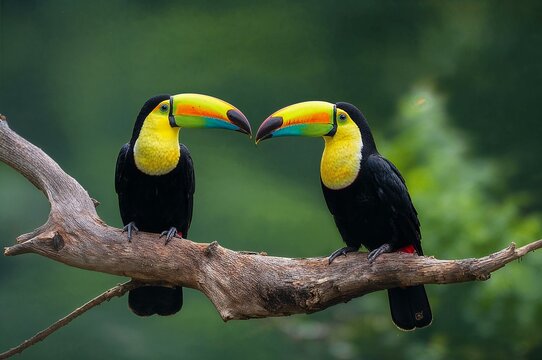
A colorful bird commonly found in tropical rainforests is the toucan. It has vibrant plumage and a large, colorful beak. Toucans live in Central and South America’s rainforests, where they feed on fruits and insects. Their bright colors help them blend with the lush environment.
Why Do Tropical Rainforest Birds Have Bright Colors?
Bright colors help tropical birds attract mates and communicate. These vibrant hues also provide camouflage among flowers and fruits. Additionally, bright feathers can warn predators of toxicity. Colorful plumage plays a key role in survival and reproduction in dense rainforests.
How Do Colorful Rainforest Birds Adapt To Their Habitat?
Colorful rainforest birds adapt by developing strong beaks for fruit and insect feeding. Their feathers blend with the vibrant environment for protection. Many have loud calls to communicate through dense foliage. These adaptations help them thrive in humid, dense, and competitive rainforest habitats.
What Role Do Colorful Birds Play In Rainforests?
Colorful birds help spread seeds by eating fruits and excreting seeds elsewhere. They control insect populations by feeding on them. Their presence promotes biodiversity, making rainforests healthier. These birds are vital for ecological balance and forest regeneration.
Conclusion
This colorful bird brightens the tropical rainforest. Its vivid feathers catch the eye quickly. Watching it shows nature’s beauty and life. Protecting its home helps keep the bird safe. Every small effort counts in saving wildlife. Exploring these forests offers a chance to learn.
The bird’s charm inspires care for nature. Let’s treasure these creatures and their habitats. They remind us how rich Earth’s life is. Nature’s colors bring joy and hope to all.




