
Are you tired of the mess and bare patches under your bird feeders? What you choose to plant beneath them can make a big difference.
The right plants not only hide fallen seeds and droppings but also create a beautiful, inviting space for birds to visit. Imagine turning that patch of ground into a lively garden that attracts more feathered friends while keeping your yard looking fresh.
Keep reading to discover the best plants to grow under your bird feeders and how they can transform your outdoor space.
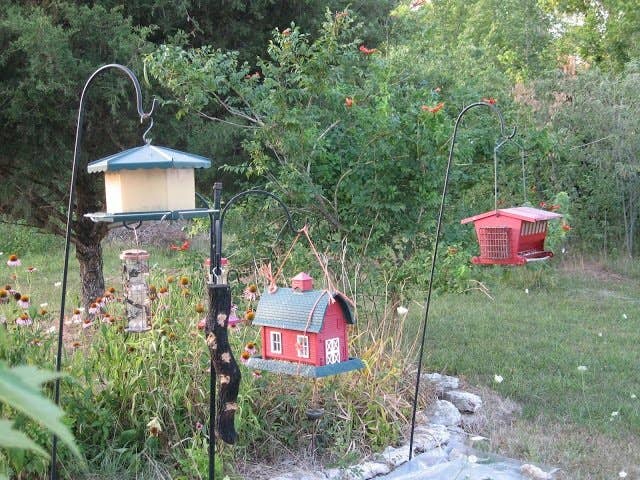
Credit: dengarden.com
Choosing Plants For Wildlife Gardens
Choosing the right plants for your wildlife garden, especially under bird feeders, can transform your outdoor space into a thriving habitat. It’s not just about adding beauty; it’s about supporting local wildlife and creating a balanced ecosystem. What if the plants beneath your feeders could provide food, shelter, and safety for birds and other creatures?
Benefits Of Planting Under Bird Feeders
Plants under bird feeders do more than decorate the area—they create a welcoming environment for wildlife. They offer natural cover from predators, making birds feel safer while they feed. This means you’ll see more visits and longer stays from your feathered friends.
Additionally, the plants help catch spilled seeds, reducing waste and feeding ground-dwelling birds. They also improve soil health by preventing erosion and adding organic matter as leaves and stems decompose. Have you noticed how a patch of greenery can attract a variety of insects? These insects, in turn, provide extra food for birds, enriching the garden’s food web.
Key Features Of Suitable Plants
Choosing plants that thrive under bird feeders means looking for certain qualities. Opt for species that are hardy and low-maintenance, as the area can get compacted or messy. Native plants are ideal since local wildlife is adapted to them and they require less water and care.
- Dense foliage:Provides shelter and hiding spots from predators.
- Seed-producing:Offers an additional natural food source beyond the feeder.
- Non-toxic:Ensures safety for birds and other animals in your garden.
- Ground cover capability:Prevents soil erosion and controls weeds.
Think about plants like coneflowers, native grasses, or low-growing shrubs such as holly or juniper. These choices create layered habitats that support birds at different levels. Which plants in your area could offer these benefits while complementing your garden style?
Native Plants That Attract Birds
Choosing native plants to grow under your bird feeders does more than beautify your garden—it creates a natural habitat that birds love. Native plants provide familiar food sources and shelter, encouraging a wider variety of birds to visit your yard. By planting thoughtfully, you can enjoy watching birds thrive while supporting local ecosystems.
Flowering Plants With Seeds
Many native flowering plants produce seeds that attract birds after the blooms fade. Sunflowers, for example, offer large seeds loved by finches and cardinals. Coneflowers and black-eyed Susans also produce seeds that small birds can easily eat.
Planting a mix of these flowers ensures a steady seed supply throughout the season. Have you noticed which seeds attract the most birds in your area? Try observing and adjusting your plant choices based on what the birds prefer.
Shrubs With Berries
Shrubs that produce berries are natural magnets for birds, especially in late summer and fall. Native options like serviceberry, elderberry, and holly provide nutritious berries that many birds depend on.
These berry-producing shrubs also add texture and color to your garden. Placing them near feeders can encourage birds to linger longer and explore your yard more fully.
Trees Providing Shelter
Trees are essential for birds looking for safety and nesting sites. Native trees like oaks, maples, and pines offer dense foliage where birds can hide from predators and harsh weather.
Besides shelter, these trees also support insects that many birds eat. Do you have trees near your feeders that provide both food and refuge? If not, adding one or two could make a big difference.
Seasonal Planting Tips
Choosing the right plants beneath bird feeders helps create a welcoming space for birds all year. Seasonal planting supports local wildlife and adds beauty to the garden. Plants also catch seed debris, reducing mess and attracting insects that birds enjoy.
Spring And Summer Choices
Spring and summer call for plants that thrive in warmth and sunlight. Select flowers and shrubs that bloom during these seasons to attract pollinators and provide shelter. Bright colors and nectar-rich blooms draw birds closer to the feeder.
- Lavender: Fragrant and drought-tolerant, perfect for sunny spots.
- Black-eyed Susan: Vibrant yellow flowers that attract insects.
- Coneflower (Echinacea): Easy to grow, offers seeds after blooming.
- Bee balm: Attracts hummingbirds and butterflies with its nectar.
- Salvia: Long blooming season and bright colors for birds and bees.
Fall And Winter Selections
Plants for cooler months should offer seeds and shelter. Choose hardy varieties that survive frost and snow. These plants provide food and protection when natural resources are scarce.
- Sunflower: Produces seeds that many birds love.
- Goldenrod: Late bloomers that support insects and birds.
- Winterberry Holly: Bright berries that last through winter.
- American Cranberrybush: Offers fruit for birds in cold weather.
- ornamental grasses: Provide cover and seed heads in winter.
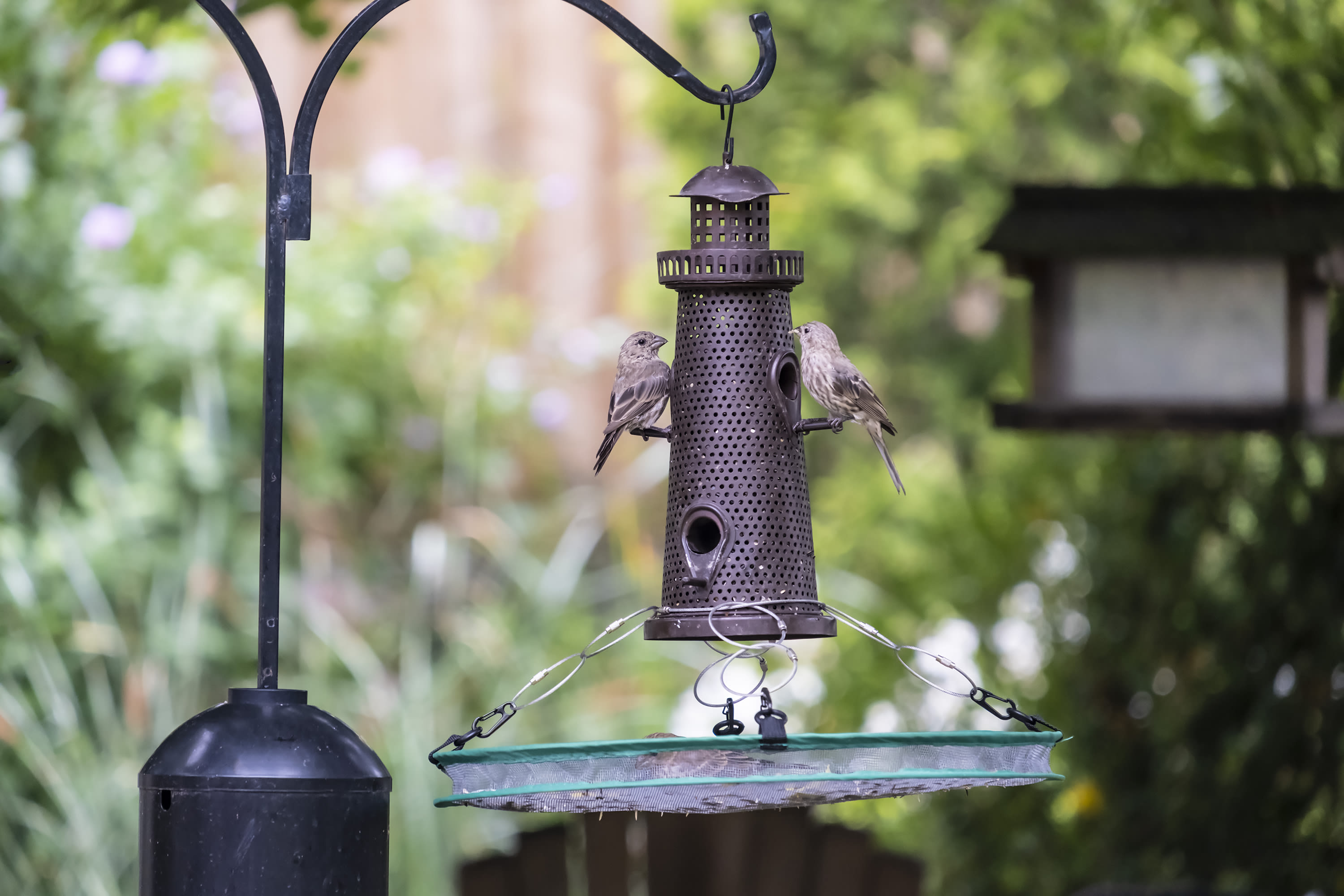
Credit: dengarden.com
Low-maintenance Plant Options
Choosing low-maintenance plants to grow under your bird feeders can save you time and effort while creating a welcoming environment for birds. These plants thrive with minimal care, allowing you to enjoy watching your feathered visitors without worrying about constant upkeep. Let’s look at some reliable options that balance beauty, durability, and ease.
Drought-tolerant Species
Plants that handle dry spells well are perfect if you want to avoid daily watering. They survive on natural rainfall and require little extra attention, which means less hassle for you.
- Lavender:Besides smelling wonderful, lavender attracts pollinators and stays vibrant with minimal water.
- Sedum (Stonecrop):These succulent plants store water, making them hardy during drought conditions.
- Russian Sage:This plant offers airy purple flowers and thrives in hot, dry spots.
Have you noticed how some plants stay green even during dry summers? Choosing drought-tolerant species lets your garden look lively without constant watering chores.
Plants Resistant To Pests
Plants that repel or tolerate pests reduce the need for chemical treatments, keeping your garden eco-friendly and safe for birds.
- Marigolds:Their scent deters many common garden pests like aphids and mosquitoes.
- Catmint:This aromatic plant keeps away pesky insects and is loved by many birds.
- Alliums:These bulb plants naturally resist deer and rodents, making them a smart choice near feeders.
Have you ever spent hours battling garden pests? Choosing pest-resistant plants means you can focus more on enjoying your garden than fighting bugs.
Creating A Safe Feeding Area
Creating a safe feeding area under bird feeders is key to attracting birds and protecting them. The right plants make the space inviting and secure. They provide shelter, cover from predators, and help keep the ground clean. Thoughtful choices can reduce risks and encourage birds to visit often.
Plant Placement Strategies
Place plants to create natural hiding spots around feeders. Use low shrubs or ground covers near the base. Taller plants can go a few feet away to give birds a quick escape route. Avoid overcrowding to keep good visibility. Space plants so birds can easily fly in and out.
Arrange plants in layers. Ground covers, small bushes, and taller trees help birds feel safe. This setup also attracts insects that birds like to eat. Keep pathways clear for easy cleaning and refilling of feeders.
Avoiding Toxic Plants
Check plants for bird safety before planting. Some common garden plants are toxic to birds. Examples include azaleas, oleander, and yew. Avoid these to prevent accidental poisoning.
Choose native, non-toxic plants that support local bird species. These plants also require less maintenance. Use resources like local extension offices or birding groups for safe plant lists. Keep the area free from pesticides and chemicals that harm birds.
Enhancing Garden Biodiversity
Planting under bird feeders can enhance garden biodiversity. The right plants attract different wildlife. They create a balanced ecosystem. This approach benefits both the garden and its visitors. By choosing wisely, your garden becomes a haven for various creatures.
Supporting Pollinators
Pollinators like bees and butterflies are vital for gardens. They help plants grow and produce seeds. To attract them, plant flowers rich in nectar. Sunflowers and cosmos are great choices. They are bright and inviting. Lavender also works well. Its scent draws in pollinators. These plants make your garden lively and colorful.
Encouraging Beneficial Insects
Beneficial insects control pests naturally. Ladybugs and lacewings are examples. They eat aphids and other harmful bugs. Planting yarrow or dill can attract them. These plants provide shelter and food. This balance keeps your garden healthy. It reduces the need for chemical pesticides. A garden with beneficial insects is a thriving ecosystem.
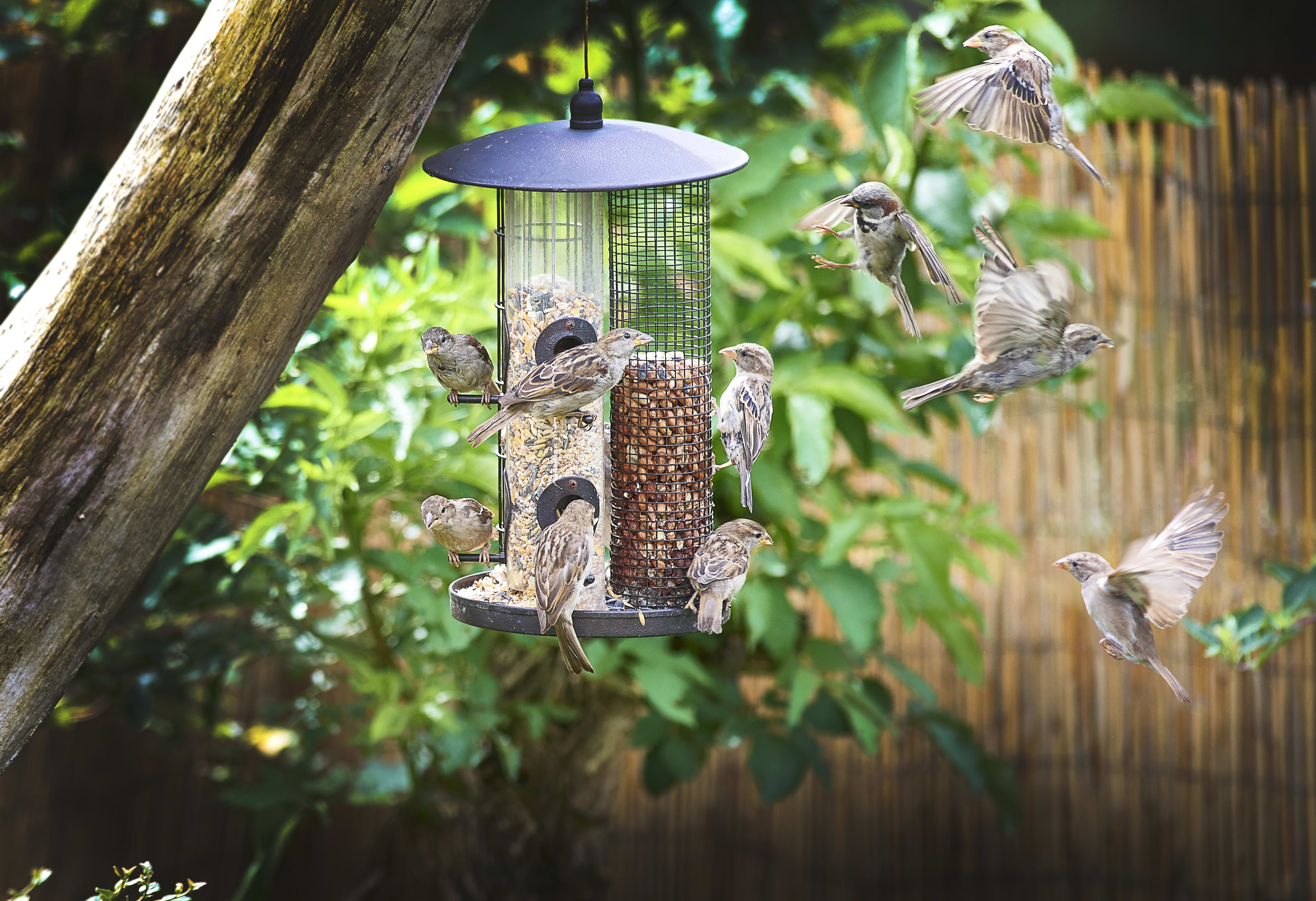
Credit: dengarden.com
Frequently Asked Questions
What Plants Attract Birds Near Feeders?
Native flowering plants and shrubs attract birds. Examples include coneflowers, sunflowers, and serviceberry. These provide food, shelter, and perching spots.
Why Plant Under Bird Feeders?
Plants under feeders create natural habitat and protect birds. They catch spilled seeds and reduce ground mess. This supports bird health and garden beauty.
Which Plants Deter Squirrels From Feeders?
Plant prickly or thorny bushes like holly or barberry. These discourage squirrels without harming birds. It helps keep feeders clean and focused on birds.
How To Choose Plants Safe For Birds?
Select native, non-toxic plants that provide seeds or berries. Avoid pesticide use near feeders. This ensures a safe environment for feeding birds.
Conclusion
Planting beneath bird feeders helps keep your garden healthy and lively. Choose plants that catch spilled seeds and attract birds. These plants provide food and shelter, inviting more wildlife. They also reduce mess and protect the soil. Simple choices, like native grasses and low shrubs, work best.
This small step creates a welcoming space for birds to visit. Enjoy watching nature thrive right outside your window. Your garden becomes a peaceful spot full of life and color. Start planting today to support your feathered friends.




