
Have you ever wondered what you can feed birds right from your kitchen? You might be surprised to learn that many common foods in your pantry can become a tasty treat for your feathered friends.
Feeding birds at home not only brings nature closer but also gives you a chance to watch their charming visits up close. But how do you choose the right foods that are safe and healthy for them? Keep reading, and you’ll discover simple, smart options that will make your backyard a favorite spot for birds—and a joy for you to watch.
Safe Foods For Birds
Feeding birds from your kitchen is a kind way to help local wildlife. Choosing safe foods is important for their health. Birds need a variety of nutrients from fresh, natural foods. Avoid anything salty, spicy, or processed. Here are some safe options you can offer.
Fruits Birds Love
- Apples (remove seeds)
- Berries like blueberries and strawberries
- Bananas, sliced or mashed
- Grapes, cut in half
- Melons without seeds
- Peaches and pears, cut small
Fruits provide vitamins and natural sugars. They attract many bird species like robins and finches.
Vegetables To Offer
- Carrots, chopped or shredded
- Peas, fresh or thawed
- Leafy greens like spinach and kale
- Broccoli and cauliflower, small pieces
- Cucumber slices
Vegetables give birds fiber and minerals. Serve them fresh, not cooked or salted.
Grains And Seeds
- Oats, plain and uncooked
- Brown rice, cooked and cooled
- Sunflower seeds, unsalted
- Millet and flax seeds
- Quinoa, cooked
Grains and seeds are high in energy and fat. Many birds like sparrows and chickadees enjoy these treats.
Foods To Avoid
Feeding birds from your kitchen can be a rewarding way to connect with nature. However, not everything in your pantry is safe for them. Knowing which foods to avoid is crucial to protect their health and well-being.
Toxic Ingredients
Some common kitchen ingredients can be poisonous to birds, even in small amounts. Avoid giving birds foods that contain:
- Onions and garlic:These can cause digestive upset and even damage red blood cells in birds.
- Avocado:A single bite can be deadly due to a toxin called persin.
- Chocolate:Contains theobromine, which is toxic and can lead to seizures or death.
- Caffeine:Found in coffee, tea, and energy drinks, it overstimulates a bird’s heart and nervous system.
- Alcohol:Even tiny amounts can cause serious harm and impair coordination.
If you ever wonder why some foods are off-limits, think about how sensitive a bird’s metabolism is compared to ours. What seems harmless to you might be dangerous to them.
Harmful Processed Foods
Processed foods often contain salt, sugar, and additives that can harm birds. These substances disrupt their natural diet and cause health problems over time.
- Salty snacks:Chips, pretzels, and salted nuts can lead to dehydration and kidney issues.
- Sugary treats:Candies and baked goods may cause obesity and interfere with a bird’s natural feeding habits.
- Processed meats:These often have preservatives and spices that birds cannot handle.
- Artificial sweeteners:Some can be toxic or cause digestive distress.
Next time you consider tossing a crumb from your sandwich, ask yourself: Is this really good for the bird or just convenient for me?
Preparing Bird-friendly Snacks
Preparing bird-friendly snacks is a great way to attract and nourish wild birds using simple kitchen ingredients. These snacks provide essential nutrients and keep birds energized throughout the day. Making your own treats helps avoid harmful additives found in many store-bought mixes.
Start with natural, fresh items that are safe and healthy for birds. Avoid salt, sugar, and processed foods. Mixing different ingredients creates variety and appeals to a wider range of bird species. Below are easy ideas to prepare tasty snacks that birds will love.
Simple Seed Mixes
Seed mixes are a staple for many birds. Use seeds commonly found in your kitchen or pantry. Combine them in a clean container and offer in feeders or on flat surfaces.
- Sunflower seeds (black oil sunflower preferred)
- Millet
- Cracked corn
- Safflower seeds
- Oats (uncooked and plain)
Mix these seeds in equal parts or adjust based on bird preferences in your area. Avoid seeds with shells that birds cannot open easily. Keep the mix dry and fresh for the best results.
Fruit And Nut Treats
Birds enjoy fruits and nuts for energy and vitamins. Use fresh or dried fruits without added sugar or preservatives. Chop fruits into small pieces for easy eating.
- Apples (remove seeds)
- Bananas
- Grapes (cut in half)
- Raisins or sultanas
- Unsalted peanuts or almonds (crushed)
Place fruit and nut treats on a platform feeder or scattered on the ground. Avoid citrus fruits, as many birds dislike their strong taste. Regularly clean feeding areas to keep birds healthy.

Credit: gratefulprayerthankfulheart.com
Feeding Tips And Best Practices
Feeding birds from your kitchen can be a rewarding experience. It helps birds find extra food, especially in tough seasons. Following good feeding tips keeps birds healthy and safe. It also keeps your yard clean and pleasant.
Portion Control
Offer small amounts of food at a time. Birds eat little by little throughout the day. Too much food can attract pests or spoil quickly. Use a small dish or scatter seeds in a limited area. This prevents waste and keeps the food fresh for longer.
Feeding Frequency
Feed birds once or twice a day. Birds will visit more if food is available regularly. Try to feed at the same times each day. This builds trust and routine for the birds. Stop feeding during warm seasons when natural food is plenty.
Keeping Feeding Areas Clean
Clean feeding spots regularly to avoid disease. Remove old or moldy food every day. Wash feeders and dishes with warm soapy water once a week. Dry them completely before refilling. Clean areas prevent harmful bacteria and keep birds safe.
Seasonal Feeding Adjustments
Birds need different foods as the seasons change. Their bodies react to weather shifts and food availability. Adjusting what you feed birds helps them stay healthy year-round.
Seasonal feeding means offering foods that suit the current weather. It supports birds’ energy needs and hydration. Kitchen scraps can be a great source if chosen wisely.
Winter Nutrition Boost
Cold weather makes birds burn more energy. They need foods high in fat and protein for warmth and strength. Use these kitchen scraps to help:
- Unsalted nuts and seeds, chopped if large
- Cooked rice or pasta mixed with small bits of fruit
- Bits of cooked eggs, peeled hard-boiled eggs work well
- Vegetable scraps like carrot or sweet potato, cooked and chopped
Keep food dry and fresh to avoid mold. Avoid salty or sugary leftovers. Birds need natural energy sources that boost their fat reserves.
Summer Hydration Snacks
Hot weather can dry out birds quickly. Offer moist foods rich in water to keep them hydrated. Some kitchen scraps perfect for summer include:
- Fresh fruits like watermelon, melon, or cucumber, cut into small pieces
- Soft berries such as strawberries or blueberries
- Cooked vegetables with high water content, like zucchini
- Small amounts of unsweetened yogurt as a treat
Place fresh water nearby for drinking. Avoid spoiled or fermented foods. These snacks help birds cool down and stay healthy in heat.

Credit: gratefulprayerthankfulheart.com
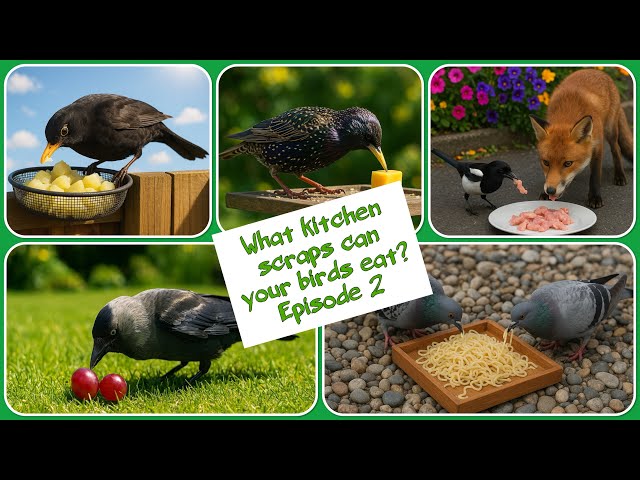
Credit: www.youtube.com
Frequently Asked Questions
What Kitchen Scraps Are Safe For Feeding Birds?
Safe kitchen scraps include unsalted nuts, cooked rice, oats, and small fruit pieces. Avoid salty, sugary, or spicy foods as they harm birds.
Can Birds Eat Bread From The Kitchen?
Bread is not ideal for birds. It offers little nutrition and can cause digestive issues if fed in large amounts.
How Often Should I Feed Birds With Kitchen Leftovers?
Feed birds small amounts daily or every other day. Fresh food attracts birds and prevents spoilage and pests.
Which Fruits From The Kitchen Do Birds Prefer?
Birds enjoy apples, berries, bananas, and grapes. Always cut fruits into small pieces and remove seeds or pits.
Conclusion
Feeding birds from your kitchen helps them stay healthy and happy. Simple foods like seeds, nuts, and fruit work best. Avoid giving birds anything salty, sugary, or spoiled. Fresh water is important too, especially in warm weather. Watching birds enjoy your kitchen scraps brings joy and calm.
Small acts like these connect us with nature every day. Try different safe foods and see which birds visit your yard. Enjoy the peaceful moments and the lively bird songs outside your window.




