
Are you ready to capture stunning moments of birds visiting your feeder? Choosing the right camera for your bird feeder can make all the difference between blurry shots and breathtaking photos.
Whether you’re a beginner or a seasoned bird watcher, finding a camera that fits your needs and budget is key. You’ll discover exactly what features to look for, how to avoid common mistakes, and the best camera options to bring your bird feeder photography to life.
Keep reading, and soon you’ll be snapping sharp, vibrant images of your feathered visitors like a pro.
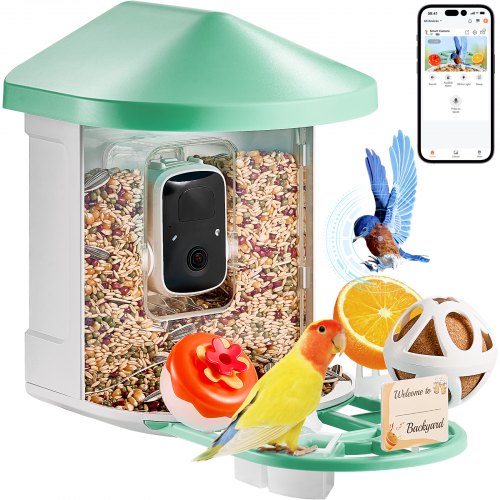
Credit: www.vevor.ca
Choosing The Right Camera
Choosing the right camera for your bird feeder photos is important. The right camera helps capture clear, detailed images of birds. It allows you to see colors, shapes, and actions well. A good camera also works well in different light conditions. This makes your bird photos look lively and natural. Knowing what features to look for can make a big difference. It helps you pick a camera that fits your needs and budget.
Key Features For Wildlife Photography
- Fast shutter speed to catch quick bird movements
- Good zoom or telephoto lens for close-up shots
- High resolution for sharp, detailed images
- Silent shooting to avoid scaring birds
- Good performance in low light or early morning
- Weather resistance to handle outdoor conditions
- Image stabilization to reduce blur from hand shake
Types Of Cameras Suitable For Bird Feeding Shots
- DSLR Cameras:Offer high image quality and fast focus.
- Mirrorless Cameras:Compact with excellent zoom and speed.
- Bridge Cameras:Affordable with built-in long zoom lenses.
- Trail Cameras:Motion-activated, perfect for hands-free photos.
- Smartphone Cameras:Convenient and improving in quality.

Credit: www.amazon.ca
Top Cameras For Bird Feeder Photography
Choosing the right camera for bird feeder photography can greatly improve your shots. The best cameras capture sharp details and vibrant colors of birds. They work well in different lighting and allow fast shutter speeds. Here are top camera options for capturing beautiful bird feeder moments.
Best Dslr Cameras
- Nikon D500:Excellent autofocus and fast shooting speed.
- Canon EOS 90D:High resolution with great image quality.
- Sony Alpha A77 II:Durable body and good low-light performance.
Best Mirrorless Cameras
- Sony Alpha A7 III:Full-frame sensor with superb image quality.
- Fujifilm X-T4:Great color reproduction and fast autofocus.
- Canon EOS R6:Excellent for action shots and video.
Best Compact Cameras
- Panasonic Lumix FZ1000 II:Long zoom and easy to carry.
- Canon PowerShot SX70 HS:Powerful zoom with good image stabilization.
- Sony RX10 IV:Fast autofocus and versatile zoom lens.
Essential Camera Accessories
Choosing the right camera is just the start for bird feeder photography. Essential accessories improve your shots and make the process easier. They help capture sharp, clear images of birds up close and in motion.
These tools let you adjust focus, stabilize the camera, and trigger photos remotely. Using the right accessories helps catch every detail and moment at the feeder.
Lenses For Capturing Birds
Long lenses bring birds closer without disturbing them. Telephoto lenses with 300mm or more zoom are ideal. They capture fine details like feathers and eyes from a distance.
Macro lenses work well for small birds or close shots. Wide-aperture lenses help in low light and create a blurred background. Choose lenses that balance sharpness and zoom for best results.
Tripods And Mounts
Tripods keep your camera steady for clear images. They reduce blur caused by hand movements. A sturdy tripod is crucial for long lens setups.
Mounts attach cameras securely near feeders. They allow flexible positioning and quick adjustments. Some mounts clamp on branches or poles for stability.
Look for lightweight, durable options that fit your camera gear.
Remote Triggers And Motion Sensors
Remote triggers let you take photos without touching the camera. They prevent shaking and help capture shy birds. Wireless remotes or apps work well.
Motion sensors automatically trigger the camera when birds appear. They catch unexpected moments without constant watching. Sensors with adjustable sensitivity reduce false triggers.
Combining remote triggers and sensors increases your chances of perfect shots.

Credit: www.amazon.ca
Tips For Stunning Bird Feeder Photos
Capturing stunning photos of birds at your feeder requires more than just having a good camera. It’s about understanding the settings, timing, and how you position yourself and your equipment. These tips will help you bring out the best in your bird feeder photography and create images that truly stand out.
Optimal Camera Settings
Set your camera to a fast shutter speed to freeze the quick movements of birds. A shutter speed of at least 1/1000 second works well for most small birds in flight or hopping around.
Use a narrow aperture (higher f-number) like f/8 or f/11 to keep the bird sharp while maintaining some background blur. This helps the bird stand out without losing detail.
Adjust ISO carefully; increasing it can brighten your shot but might add noise. Test your camera’s limits to find the balance between clarity and brightness.
Lighting And Timing
Natural light is your best friend. Early morning or late afternoon offers soft, warm light that enhances feather colors without harsh shadows.
Avoid shooting in direct midday sun, which can cause glare and overexposed highlights. Cloudy days can also provide even lighting, reducing the risk of blown-out spots.
Think about the bird’s routine. When do they visit your feeder most actively? Matching your shooting time to their peak activity increases your chances of dynamic shots.
Positioning And Focus Techniques
Position yourself at eye level with the bird to create a more engaging perspective. Shooting from above or below often results in less captivating photos.
Use continuous autofocus mode to keep moving birds sharp. Birds rarely stay still, so your camera needs to track their motion accurately.
Consider focusing on the bird’s eye—it draws viewers into the image. If your camera allows, use single-point autofocus to target this area precisely.
Budget Options For Beginners
Starting bird feeder photography doesn’t have to drain your wallet. Many budget-friendly cameras offer solid features that help you capture stunning bird moments without complicated setups. You can get impressive results while learning the ropes, keeping both your enthusiasm and finances intact.
Affordable Cameras With Good Performance
Look for cameras that balance price and quality, such as entry-level DSLRs or mirrorless models. Brands like Canon, Nikon, and Sony offer budget options with decent zoom and image stabilization. These features matter because birds move quickly, and sharp, clear shots depend on good autofocus and steady lenses.
Consider cameras with at least a 55-250mm zoom lens included or available separately. This range lets you get close enough without scaring the birds away. Some popular choices include:
- Canon EOS Rebel T7– Easy to use, affordable, and reliable autofocus.
- Nikon D3500– Great battery life and good image quality for beginners.
- Sony Alpha a6000– Compact mirrorless camera with fast autofocus and high resolution.
Ask yourself: How much zoom do you really need? Sometimes, having a versatile zoom lens beats a super expensive camera body.
Diy Solutions For Bird Photography
You don’t always need to buy a new camera to start snapping birds at your feeder. Many bird lovers use their smartphones paired with clever DIY tricks to capture great shots. For example, attach a telephoto lens adapter to your phone to zoom in closer without losing quality.
Another idea is to build a simple bird photography blind using household items. A cardboard box with a hole cut out for your lens can hide your movements and keep birds comfortable. This low-cost setup can improve your chances of photographing shy species.
Have you tried setting up a remote camera trigger? It allows you to snap photos without being near the feeder, reducing disturbances. Setting one up might sound tricky, but beginner-friendly kits are available and surprisingly easy to use.
Maintaining Your Camera Gear
Capturing birds at feeders requires a camera with a fast shutter speed and good zoom. A DSLR or mirrorless camera can work well. Ensure it has a reliable autofocus system to capture birds in motion clearly.
Maintaining your camera gear is vital for capturing stunning bird feeder moments. Proper care extends the life of your equipment and ensures clear, beautiful images. Regular maintenance helps avoid technical issues during crucial photo sessions.Cleaning And Storage Tips
Keeping your camera clean is essential for quality photos. Use a soft, lint-free cloth for wiping lenses. A lens blower can remove dust from hard-to-reach places. For stubborn dirt, a lens cleaning solution is useful. Store your camera in a dry, cool place. Use a padded camera bag for protection against bumps and falls. Keep silica gel packets in the bag to absorb moisture.Protecting Equipment Outdoors
Outdoor conditions can be harsh on camera gear. Use a rain cover to protect against moisture. Shield your camera from direct sunlight with a sunshade. Avoid leaving equipment in extreme temperatures. Use a sturdy tripod for stability on uneven ground. Keep extra batteries and memory cards in a waterproof pouch. This ensures uninterrupted shooting during long outdoor sessions.Frequently Asked Questions
What Is The Best Camera For Bird Feeder Photography?
The best camera for bird feeder photography offers fast autofocus, high resolution, and good low-light performance. DSLR or mirrorless cameras with telephoto lenses work well for capturing detailed bird images at feeders.
Can I Use A Smartphone Camera For Bird Feeders?
Yes, modern smartphones with good zoom and image stabilization can capture birds at feeders. However, dedicated cameras usually provide better zoom and image quality in varied lighting.
Which Lens Is Ideal For Bird Feeder Cameras?
A telephoto lens between 200mm to 400mm is ideal for bird feeders. It lets you capture close-up details without disturbing the birds, ensuring sharp and clear photos.
How Important Is Camera Shutter Speed For Bird Feeders?
Fast shutter speed, typically 1/1000 second or faster, is crucial. It freezes bird movement, preventing blur and capturing sharp images of birds in action at feeders.
Conclusion
Choosing the right camera makes bird watching more fun and rewarding. Good cameras capture clear, close-up images of birds at your feeder. Consider factors like zoom, image quality, and ease of use. Affordable options work well for beginners. Remember, patience helps you get the best shots.
Enjoy watching birds come alive through your camera lens. Capture moments that show their beauty and behavior. A simple camera can bring nature closer to your home. Start with what fits your needs and budget best. Happy bird watching!




