
If you keep chickens or other birds in your backyard, protecting them from bird flu is crucial. Bird flu can spread quickly and cause serious harm to your flock.
You don’t want to lose your birds or risk the health of your family. You’ll discover simple, effective ways to keep your flock safe and healthy. Keep reading to learn how to spot the signs, prevent infection, and act fast if bird flu strikes.
Your birds depend on you—let’s make sure they stay protected.
Recognizing Bird Flu Signs
Recognizing bird flu signs early is vital to protect your backyard flock. The disease spreads fast and can cause severe harm. Being able to spot symptoms helps you act quickly and reduce risks.
Common Symptoms In Poultry
- Sudden death without warning
- Swelling around the eyes, neck, and head
- Purple discoloration of wattles and combs
- Difficulty breathing and coughing
- Diarrhea and loss of appetite
- Drop in egg production or soft, misshaped eggs
- Lethargy and weakness
Behavioral Changes To Watch
- Less active than usual
- Isolating from the flock
- Reluctance to eat or drink
- Unsteady walking or trembling
- Excessive sleeping or drooping wings
Knowing these signs helps you identify bird flu quickly. Early detection gives your flock a better chance to stay safe.
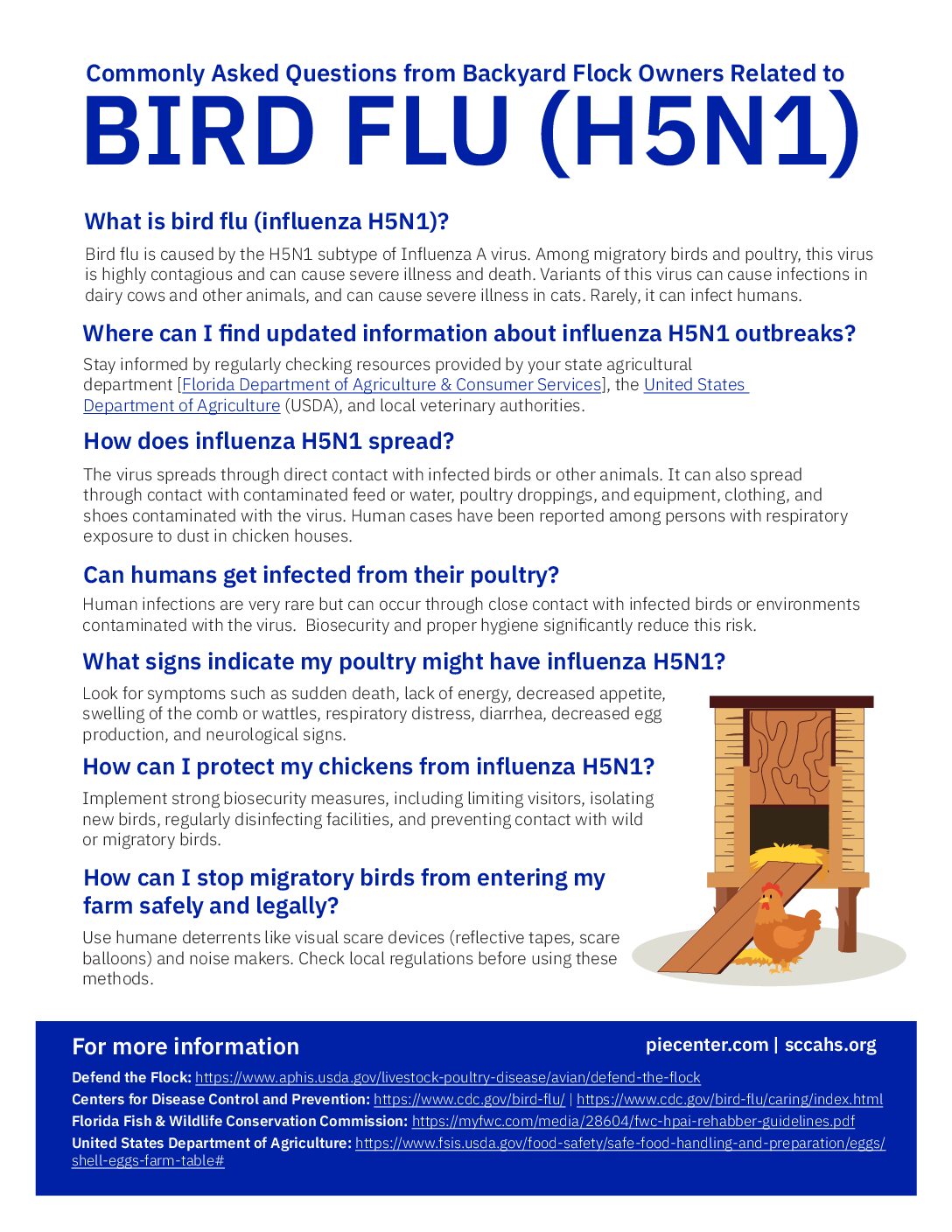
Credit: piecenter.com
Creating A Secure Environment
Creating a secure environment is vital to protect your backyard flock from bird flu. Keeping your birds safe starts with controlling their space and limiting exposure to potential sources of infection. A well-protected area reduces the chances of disease entering the flock. Focus on strong barriers and careful management of wildlife contact.
Fencing And Coop Protection
Use sturdy fencing around the entire area where your birds roam. The fence should be high enough to keep out predators and wild birds. Repair any holes or weak spots regularly. The coop must be secure and sealed to prevent wild birds or rodents from entering. Make sure doors and windows close tightly. Consider adding a fine mesh over ventilation openings to block small pests.
Limiting Wild Bird Contact
Wild birds often carry diseases like bird flu. Keep feeders and waterers inside the coop or covered areas. Avoid leaving food scraps outside, as they attract wild birds. Remove standing water where wild birds might gather. Clean and disinfect feeding areas regularly. Observe your flock often to spot any signs of sickness early. Minimizing contact helps stop disease spread before it starts.
Maintaining Cleanliness
Maintaining cleanliness in your backyard is key to stopping bird flu. Clean surroundings reduce germs and keep birds healthy. Simple habits can make a big difference. Focus on the coop and feeding areas. Regular care lowers infection risks and improves flock health.
Regular Coop Cleaning
Clean the coop often to remove dirt and droppings. Use a scraper to clear old bedding and debris. Sweep and wash floors and walls with warm, soapy water. Dry the coop completely before adding fresh bedding. Good air flow helps keep the coop dry and fresh. Clean coops stop disease spread and keep birds comfortable.
Sanitizing Feeders And Waterers
Feeders and waterers collect dirt and germs fast. Wash them daily with hot water and mild soap. Rinse well to remove soap residue. Use a safe disinfectant regularly to kill bacteria and viruses. Keep feed dry and clean to avoid mold. Clean feeders and waterers protect your birds from illness.
Credit: www.randyschickenblog.com
Safe Feeding Practices
Safe feeding practices play a key role in protecting backyard flocks from bird flu. Feeding birds with clean, uncontaminated food and water reduces the risk of spreading the virus. Careful attention to feed quality and water sources helps maintain flock health and prevent illness. This section outlines how to choose safe feed and keep water free from contamination.
Choosing Quality Feed
Always select feed from trusted suppliers. Use fresh feed that shows no signs of mold or spoilage. Store feed in sealed containers to keep pests and moisture out. Avoid feed that has been exposed to wild birds or rodents. Clean feeders regularly to stop bacteria and viruses from building up.
Avoiding Contaminated Water Sources
Provide fresh water daily in clean containers. Avoid using standing water, which can harbor germs. Change water often, especially during warm weather. Keep waterers off the ground to reduce contact with dirt and droppings. Use waterers with covers or drinkers that limit bird access to prevent contamination.
Monitoring Flock Health
Monitoring your backyard flock’s health plays a key role in stopping bird flu outbreaks early. Keeping a close eye on your birds helps spot signs of illness fast. This allows quick action to protect the whole flock and your property.
Routine Health Checks
Check each bird daily for signs of sickness. Look for changes in behavior, appetite, or droppings. Pay attention to breathing problems, swelling, or unusual feathers. Use a simple checklist to track symptoms over time.
- Observe birds calmly without causing stress
- Note any loss of energy or movement issues
- Check eyes and nostrils for discharge
- Record temperature if possible
Frequent health checks improve chances of catching bird flu early. Early detection helps stop the disease from spreading.
Isolating Sick Birds
Separate any bird showing illness signs immediately. Use a clean, quiet area away from healthy birds. Limit contact to prevent the virus from spreading.
- Wear gloves and wash hands after handling sick birds
- Clean and disinfect the isolation area regularly
- Provide fresh food and water in isolation
- Monitor isolated birds closely for worsening symptoms
Quick isolation reduces risk to the flock. It also gives sick birds a chance to recover safely or receive care.
Implementing Biosecurity Measures
Protecting your backyard flock from bird flu requires strong biosecurity measures. These actions reduce the chance of infection and keep your birds safe. Simple habits and rules help stop the virus from entering your yard.
Biosecurity means controlling what enters and leaves your bird area. It also means using tools and clothing that prevent germs from spreading. Good biosecurity saves you time, money, and stress in the long run.
Controlling Human Access
Limit visitors to your bird area. Only allow people who care for the flock. Ask visitors to follow strict hygiene rules before entering. This lowers the risk of bringing in the virus.
- Use a sign to show who can enter.
- Keep a log of everyone who visits.
- Ask visitors to wash hands with soap and water.
- Provide a footbath with disinfectant at the entrance.
- Close gates and doors behind visitors.
Keep children and pets away from the flock. Avoid sharing tools or equipment with neighbors. These steps help keep germs out of your bird area.
Using Protective Gear
Wear special clothing when working with your birds. This prevents germs from moving on your clothes or shoes. Use gear only inside the bird area to avoid contamination.
- Wear coveralls or old clothes that can be washed.
- Use boots or shoe covers dedicated to the bird area.
- Change gloves between handling different birds.
- Wash hands often with soap and water.
- Clean and disinfect all gear after use.
Keep a separate bag or box for clean and dirty gear. This simple routine cuts the chance of spreading bird flu in your flock.
Vaccination And Veterinary Care
Vaccination helps keep your birds safe from bird flu by building their immunity. Regular veterinary care ensures early detection and treatment of illnesses, protecting your flock’s health.
Protecting your backyard flock from bird flu is crucial for their health and your peace of mind. One of the most effective strategies involves vaccination and veterinary care. This approach not only safeguards your birds from potential outbreaks but also ensures they live healthier, happier lives. Understanding the vaccine options available and knowing when to consult a vet can make all the difference in managing your flock’s well-being.Vaccine Options
Vaccination is a proactive step in keeping your flock safe from bird flu. There are several vaccines available that target different strains of the virus. It’s important to choose a vaccine that matches the specific type of bird flu prevalent in your region. Consult your local agricultural extension office or a poultry vet to identify the best vaccine for your flock. Many bird owners find it helpful to keep a vaccination schedule to ensure no bird is missed. Regularly updating this schedule can also help you keep track of booster shots.When To Consult A Vet
A vet is your best ally in maintaining your flock’s health. You should consult a vet if you notice any unusual behavior or symptoms in your birds, such as lethargy, sudden drop in egg production, or unusual respiratory signs. These could be early indicators of bird flu or other illnesses. Regular health check-ups with a vet can preemptively catch issues before they become serious. A vet can also provide guidance on proper nutrition, housing, and biosecurity measures. How often do you evaluate the health of your flock? Taking a proactive approach could save you time and stress later. Your vet’s expertise is invaluable, so make sure you have a good relationship and open communication with them. Taking these steps can create a safer and healthier environment for your beloved flock.Responding To An Outbreak
Keep your flock safe by limiting contact with wild birds and regularly cleaning their living area. Watch for signs of illness and isolate sick birds quickly to prevent spread. Use protective clothing when handling poultry to reduce infection risk.
Responding to an outbreak of bird flu in your backyard flock is crucial. Immediate action can prevent further spread and protect your birds. This section guides you through essential steps to take when an outbreak occurs.Reporting To Authorities
Contact local animal health authorities as soon as you detect symptoms. They provide guidance on managing the outbreak. Reporting helps track the disease and prevent its spread. This step is vital for the safety of your flock and the community.Quarantine Procedures
Isolate sick birds from the healthy ones immediately. Use separate enclosures to ensure no contact between them. Limit access to the quarantined area to prevent contamination. Clean and disinfect equipment used in the quarantine area regularly. These actions help contain the virus and safeguard your flock.
Credit: x.com
Frequently Asked Questions
How Can I Prevent Bird Flu In My Backyard Flock?
To prevent bird flu, keep your flock indoors during outbreaks. Maintain strict hygiene, disinfect equipment regularly, and avoid contact with wild birds. Quarantine new birds for at least 30 days before introducing them to your flock.
What Are The Early Signs Of Bird Flu In Chickens?
Early signs include sudden death, coughing, sneezing, nasal discharge, and swollen wattles. Monitor your flock daily for changes in behavior or appetite. Immediate action helps prevent spread and reduces losses.
Should I Vaccinate My Backyard Flock Against Bird Flu?
Vaccination can reduce bird flu risk but is not always available or recommended. Consult a local vet for guidance based on your region’s risk level and regulations. Follow biosecurity measures regardless of vaccination.
How Do I Disinfect My Backyard Poultry Area Effectively?
Use approved disinfectants like bleach solutions or commercial poultry disinfectants. Clean all surfaces, feeders, and waterers daily. Remove manure and organic debris before applying disinfectants for best results.
Conclusion
Protecting your backyard flock from bird flu takes steady care. Keep your birds clean and dry every day. Watch for signs of sickness and act fast. Limit visitors and wild birds near your flock. Clean feeders and water often to stop germs.
Simple steps help keep your birds safe and healthy. Stay alert and follow good habits for strong, happy birds. Your care makes a big difference in preventing bird flu.




