
Do you want to enjoy the cheerful songs and colorful sights of birds right in your backyard? Attracting birds to your feeder isn’t as hard as you might think.
With a few simple tips, you can turn your outdoor space into a lively bird haven. Imagine watching beautiful birds visit every day, brightening your mornings and calming your evenings. Keep reading to discover easy and effective ways you can invite these feathered friends to your feeder and create a peaceful retreat just outside your door.

Credit: happygardens.com
Choosing The Right Feeder
Choosing the right feeder is crucial to attracting a variety of birds to your yard. The feeder you pick affects which bird species visit, how safe they feel, and how easy it is for you to maintain the feeder. Understanding the options available helps you make the best choice for your feathered friends.
Types Of Bird Feeders
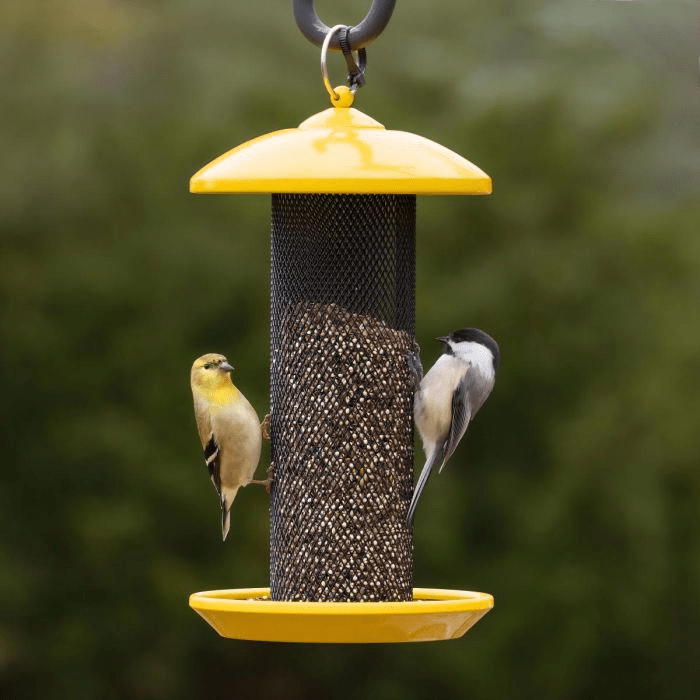
Different birds prefer different feeders. Tube feeders are great for small songbirds like finches and chickadees. Platform feeders work well for larger birds such as cardinals and jays.
Hopper feeders hold a large amount of seed and attract a wide range of birds. Suet feeders are perfect if you want to invite woodpeckers and nuthatches. Think about what birds are common in your area and what they like to eat before deciding.
Material And Durability
Feeders come in plastic, metal, and wood. Metal feeders usually last longer and resist squirrels better. Plastic feeders can be lightweight and affordable but might crack or fade under sun exposure.
Wood feeders look natural but require regular maintenance to avoid mold and rot. Consider your climate and how much time you want to spend on upkeep. A sturdy feeder saves you time and money in the long run.
Placement For Safety
Where you place your feeder affects bird safety and your enjoyment. Position feeders at least 10 feet away from windows to prevent collisions. Also, keep feeders near shrubs or trees so birds can quickly escape predators.
Avoid placing feeders too close to areas where cats can hide. Think about the view from your favorite window—will you get a good look at visiting birds? Safe, accessible spots encourage birds to return often.

Credit: www.youtube.com
Selecting The Best Bird Food
Selecting the best bird food is key to attracting a variety of birds to your feeder. Different birds prefer different types of seeds and mixes. Using the right food keeps birds coming back regularly. Fresh, high-quality food also supports their health and energy. Understanding bird food types and preferences helps create a welcoming feeding spot.
Popular Seeds And Mixes
Sunflower seeds are a favorite for many birds. Black oil sunflower seeds have thin shells and high oil content. Millet is good for small birds like sparrows and finches. Nyjer seeds attract finches, especially goldfinches. Mixed seed blends combine several seeds for variety. Some blends include cracked corn, safflower, and peanuts. Choose mixes without fillers like red millet or oats. These add little value and waste food.
Food Preferences By Bird Species
| Bird Species | Preferred Food |
|---|---|
| Cardinals | Sunflower seeds, safflower |
| Finches | Nyjer, thistle seeds |
| Chickadees | Black oil sunflower, peanuts |
| Woodpeckers | Suet, peanuts, sunflower seeds |
| Sparrows | Millet, cracked corn |
Matching food to bird species attracts specific visitors. Observe birds in your area and select foods they enjoy.
Avoiding Mold And Spoilage
Always use fresh bird food and replace old seed often. Moldy or spoiled food can harm birds. Store seeds in a cool, dry place. Clean feeders regularly to remove debris and dust. Avoid letting seed sit wet in feeders. Use feeders with good drainage to keep food dry. Feeding spoiled seed can scare birds away.
Creating A Bird-friendly Environment
Creating a bird-friendly environment involves choosing the right feeder and food. Offer a variety of seeds to attract different bird species. Keep feeders clean and place them near shrubs or trees for safety and easy access.
Creating a bird-friendly environment is essential to attracting birds to your feeder. Birds need more than just food to thrive. They require a safe and welcoming habitat. By creating a supportive environment, you can enjoy the beauty and songs of various bird species. Let’s explore how to make your backyard inviting for birds.Providing Water Sources
Birds need water for drinking and bathing. A birdbath can be an excellent addition. Choose a shallow basin with a gentle slope. Place it near trees or shrubs. This offers birds a quick escape if threatened. Change the water regularly to keep it clean. In winter, consider a heated birdbath. It prevents the water from freezing.Planting Native Flora
Native plants offer food and shelter to local birds. They attract insects, which are a food source. Native plants are adapted to your region’s climate. They require less maintenance and water. Choose a mix of trees, shrubs, and flowers. This variety supports different bird species. Dense shrubs provide hiding spots from predators.Offering Shelter And Nesting Spots
Birds need safe places to rest and nest. Install birdhouses in your yard. Ensure they are at the right height for specific birds. Avoid placing them in areas with high human activity. Dense foliage and trees provide natural shelter. Leave dead trees standing if safe. They offer nesting cavities for certain birds.Maintaining Your Feeder
Maintaining your bird feeder is essential for attracting healthy, happy birds. A clean and well-kept feeder invites more birds and keeps them safe. Regular care ensures fresh food and a welcoming environment for all visitors.
Regular Cleaning Tips
Clean the feeder every two weeks. Use warm water and mild soap to remove dirt and old seeds. Rinse thoroughly to avoid soap residue. Dry the feeder completely before refilling. This prevents mold and bacteria growth. Avoid harsh chemicals that can harm birds.
Preventing Pests And Predators
Keep pests like ants and squirrels away by using baffles or guards. Place feeders away from places predators can hide. Remove spilled seeds regularly to avoid attracting unwanted animals. Check feeder placement often to keep birds safe.
Refilling And Monitoring
Refill the feeder often to keep food fresh and dry. Avoid overfilling to prevent waste and mold. Watch for signs of spoiled seeds or wet food. Adjust feeding times to the birds’ activity patterns. Monitor feeder use to know which seeds attract the most birds.
Attracting Specific Bird Species
Attracting specific bird species to your feeder can turn your backyard into a lively sanctuary filled with color and song. Different birds have unique preferences for food, feeder types, and environments. Understanding these preferences helps you create a welcoming spot that suits the birds you want to see most.
Tips For Hummingbirds
Hummingbirds love nectar-rich food. Use a feeder designed specifically for them with bright red accents to catch their attention.
Make your own nectar by mixing one part sugar with four parts water. Avoid using honey or artificial sweeteners, as they can harm the birds.
Place feeders near flowers or shrubs where hummingbirds can rest. You’ll notice how quickly they find your feeder once you’ve created a perfect feeding station.
Attracting Finches And Sparrows
Finches and sparrows prefer feeders that allow them to perch comfortably. Tube feeders with small perches work well for finches, while platform feeders attract sparrows.
Offer seeds like nyjer and sunflower seeds. Nyjer seeds are especially popular with finches and can attract vibrant goldfinches to your feeder.
Adding some natural shelter nearby, such as bushes or trees, encourages these birds to linger longer and feel safe.
Welcoming Woodpeckers And Jays
Woodpeckers and jays are attracted to feeders that hold suet or peanuts. Suet feeders hung on tree trunks mimic their natural feeding habits.
Jays appreciate larger seeds like cracked corn or whole peanuts. Use sturdy feeders that can handle their size and strength.
Think about placing feeders near tall trees where woodpeckers and jays like to perch and watch for predators. Have you noticed how these birds become regular visitors when you meet their specific needs?
Seasonal Adjustments
Seasonal changes affect bird behavior and food needs. Adjusting your feeder and food type helps attract more birds throughout the year. Each season brings unique challenges and opportunities for feeding birds.
Feeding In Winter
Winter is tough for birds. Cold weather makes food scarce. Offer high-energy foods like sunflower seeds and suet. These provide fat and calories to help birds stay warm.
Keep your feeder clean and free of ice. Place it near natural cover to protect birds from wind and predators. Fresh water is important too; use heated birdbaths if possible.
Spring And Summer Strategies
Birds need protein for raising chicks in spring and summer. Offer mealworms and suet to support growth. Fresh fruits and nectar attract hummingbirds and orioles.
Remove feeders with seeds that spoil quickly in heat. Clean feeders often to prevent mold and disease. Plant native flowers and shrubs to provide natural food and shelter.
Preparing For Fall Migration
Fall is a busy time for birds. They need extra food to fuel long flights. Offer high-fat seeds, like black oil sunflower seeds. Add fruit to attract migrating species.
Keep feeders stocked regularly. Avoid sudden changes to food or feeder locations. Create a safe stopover by minimizing disturbances near your feeders.
Credit: www.kingsyard.com
Frequently Asked Questions
What Types Of Bird Feeders Attract The Most Birds?
Tube feeders and platform feeders attract various bird species. Tube feeders work well for small songbirds, while platform feeders attract larger birds. Using a mix of feeders increases bird diversity at your feeder.
Which Bird Seeds Are Best For Feeder Attraction?
Black oil sunflower seeds attract many bird species due to their high oil content. Nyjer seeds are perfect for finches. Using a variety of seeds helps attract a wide range of birds.
How Often Should I Clean My Bird Feeder?
Clean feeders every two weeks to prevent disease spread. Use warm, soapy water and rinse well. Regular cleaning keeps birds healthy and encourages them to return.
Where Should I Place My Bird Feeder For Best Results?
Place feeders near trees or shrubs for bird cover and safety. Ensure feeders are visible but protected from predators. Proper placement increases bird visits and feeding comfort.
Conclusion
Attracting birds to your feeder brings joy and life to your yard. Choose the right seeds and keep feeders clean. Place feeders where birds feel safe and can see food easily. Add water for drinking and bathing to invite more visitors.
Patience helps; birds take time to find new feeders. Watch and enjoy the colorful visitors that come each day. Small steps create a lively space full of feathered friends. Keep feeding, and nature will reward your effort.




