
Are you worried about the safety of your backyard birds? You might have heard about bird flu and wondered if it could affect the feathered friends visiting your garden.
Understanding how bird flu impacts backyard birds is important to keep them healthy and protect your home environment. You’ll discover the facts about bird flu, how it spreads, and what you can do to safeguard your birds. Keep reading to learn simple steps that can make a big difference for your feathered visitors.
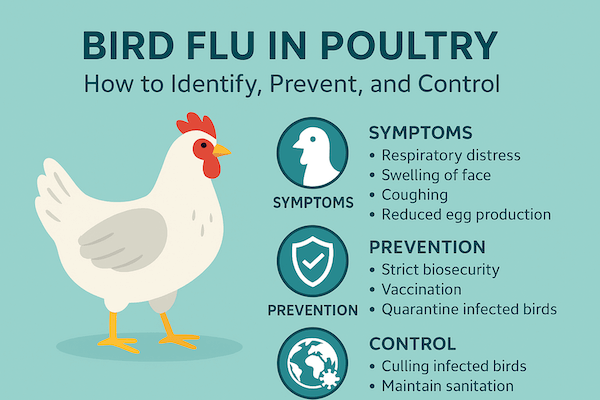
Credit: www.bivatec.com
Bird Flu Basics
Understanding bird flu is important for anyone with backyard birds. This illness can affect many types of birds, including those in your yard. Knowing the basics helps protect your feathered friends and keep your home safe.
What Is Bird Flu?
Bird flu, also called avian influenza, is a virus that infects birds. It mainly affects wild birds and poultry. The virus can cause mild to severe illness. Some bird flu strains can spread to other animals and humans.
Bird flu attacks the bird’s respiratory, digestive, and nervous systems. Sick birds may show coughing, sneezing, and trouble breathing. Sometimes, sudden death occurs without warning signs.
Types Of Bird Flu Viruses
Bird flu viruses belong to the influenza A family. They are divided into two groups:
- Low Pathogenic Avian Influenza (LPAI): Causes mild illness and few deaths.
- Highly Pathogenic Avian Influenza (HPAI): Causes severe disease and high mortality.
The H5 and H7 subtypes are the most dangerous. These can spread quickly and kill many birds fast.
How Bird Flu Spreads
Bird flu spreads mainly through contact with infected birds. It passes by:
- Direct contact with bird saliva, mucus, or droppings
- Contaminated water, food, or surfaces
- Wild birds flying near backyard flocks
People can carry the virus on clothes or shoes. Backyard birds near wild birds face higher risk. Good hygiene and keeping birds apart from wild birds helps reduce spread.
Backyard Birds At Risk
Backyard birds are part of many gardens and parks. They bring life and color to outdoor spaces. These birds face risks from diseases like bird flu. Understanding which birds are at risk helps protect them. Knowing signs of infection can save these backyard visitors.
Common Backyard Bird Species
Many birds visit or live in backyards. Some of the most common include:
- House Sparrows
- Robins
- Blue Jays
- Cardinals
- Finches
- Woodpeckers
These birds often feed at bird feeders or rest in trees. Their frequent contact with each other can spread diseases.
Susceptibility To Bird Flu
Bird flu affects many bird species differently. Waterfowl and wild birds often carry the virus. Backyard birds can catch bird flu from these wild birds. Birds with weaker immune systems are more vulnerable. Some species show no symptoms but still spread the virus. Others become very sick quickly.
Signs Of Infection In Birds
Bird flu symptoms vary but common signs include:
- Swelling around the eyes, neck, or head
- Difficulty breathing or coughing
- Sudden death without clear cause
- Loss of appetite and energy
- Drooping wings and feathers
Spotting these signs early helps prevent spread. Sick birds need care or safe removal to protect others.
Transmission In Backyard Settings
Transmission of bird flu in backyard settings happens in several ways. Understanding these routes helps protect your birds. Backyard birds live close to nature and people, increasing risks of catching the virus.
Role Of Wild Birds
Wild birds often carry the bird flu virus without showing symptoms. They can spread the virus by landing near backyard flocks. Their droppings, feathers, and saliva can contaminate areas. Backyard birds may get infected by touching these contaminated spots.
Contaminated Feed And Water
Bird flu spreads through contact with infected feed and water. Wild birds can drop the virus into feeders and water containers. Sharing these resources allows the virus to pass easily. Keeping feed and water clean and covered lowers risks.
Human And Pet Interaction
Humans and pets can carry the bird flu virus on clothes, shoes, and fur. Handling infected birds or touching contaminated surfaces spreads the virus. Pets that roam outside can bring the virus back to backyard birds. Washing hands and disinfecting gear helps prevent transmission.
Preventing Bird Flu In Backyard Birds
Preventing bird flu in backyard birds protects their health and your environment. Taking simple steps reduces the risk of infection spreading. Backyard bird owners play a key role in keeping birds safe.
Safe Feeding Practices
Feed birds in clean, dry areas. Use feeders that are easy to clean. Avoid overcrowding by spacing feeders apart. Remove leftover food daily to prevent mold. Do not feed birds with wild bird species that may carry viruses.
Sanitation And Hygiene Tips
Clean feeders and birdbaths regularly with hot, soapy water. Disinfect with a mild bleach solution (one part bleach to nine parts water). Wear gloves when handling bird equipment. Wash hands thoroughly after any contact with birds or their droppings. Keep pet birds separate from wild birds to reduce disease risk.
Monitoring And Reporting Illness
Watch birds daily for unusual behavior or sickness signs. Symptoms include lethargy, ruffled feathers, and loss of appetite. Report sick or dead birds to local wildlife or agricultural authorities. Early reporting helps control outbreaks quickly. Avoid touching sick birds without protection.
Impact On Bird Owners
Owning backyard birds brings joy and a special connection to nature. However, the presence of bird flu introduces challenges that every bird owner should understand. The impact goes beyond your feathered friends; it affects your health, finances, and responsibilities as a caretaker.
Health Risks To Humans
Bird flu viruses can sometimes pass from birds to humans, especially if you handle sick birds or their droppings without protection. Simple actions like cleaning cages or feeding can expose you to the virus if you’re not careful.
Wearing gloves and washing your hands thoroughly after contact with birds reduces your risk significantly. Have you considered how often you sanitize your bird’s environment? Small habits can make a big difference in keeping you safe.
Economic Consequences
When bird flu hits, the cost isn’t just emotional—it can hit your wallet hard. You might face expenses for veterinary care, testing, or replacing birds lost to illness.
Some bird owners have shared stories of losing entire flocks, which meant starting over completely. Are you prepared for the financial impact if your birds fall ill? Planning ahead can ease the burden.
Legal Regulations And Guidelines
Authorities enforce strict rules to control bird flu outbreaks. This can include quarantine orders, mandatory reporting, and restrictions on moving birds.
Ignoring these rules can lead to fines or legal trouble. Knowing the regulations in your area helps you stay compliant and protects the wider bird community. Have you checked the latest guidelines for backyard bird owners near you?
Recent Bird Flu Outbreaks
Bird flu can spread to backyard birds, putting small flocks at risk. Close contact with wild birds often causes infections. Protecting backyard birds helps prevent the disease from spreading further.
Recent years have seen a surge in bird flu outbreaks that have left many backyard bird owners concerned. The virus, once considered a problem for commercial poultry, is now making headlines for its impact on smaller flocks. How does this affect your feathered friends, and what can you learn from recent outbreaks?Case Studies
Several recent case studies highlight the vulnerability of backyard birds to bird flu. In 2022, a small farm in the Midwest reported a significant loss of chickens due to the virus. The owner, who practiced free-range farming, noticed symptoms like lethargy and decreased egg production before the outbreak took a toll. This case underscores the importance of vigilance and early detection. If you notice unusual behavior in your birds, it might be time to consult a vet. Quick action can save your flock from severe consequences.Geographic Spread
Bird flu is not restricted to a single region. Recent outbreaks have been recorded across the globe, from Europe to North America. The virus spreads through wild birds, which can travel great distances, making it a global concern. This wide geographic spread means that no backyard is truly safe. You might think your isolated location offers protection, but migrating birds can bring the virus to your doorstep. Are you prepared to handle such a situation if it arises?Lessons Learned
One key takeaway from recent outbreaks is the need for robust biosecurity measures. Simple actions like sanitizing equipment and limiting contact with wild birds can make a big difference. The farms that implemented strict hygiene protocols reported fewer cases, proving that prevention is better than cure. Moreover, staying informed about local outbreaks can give you a head start in protecting your flock. Subscribe to alerts or join community groups to stay updated. Knowledge is your first line of defense against the bird flu. Are you ready to take these steps to safeguard your backyard birds? Your proactive measures today can ensure a healthier flock tomorrow.Future Outlook
Backyard birds may face risks from bird flu outbreaks, affecting their health and local populations. Monitoring and preventive care can help reduce the spread and impact of the disease.
The future outlook for bird flu and its impact on backyard birds brings a mix of optimism and challenges. The bird flu, while a persistent concern, is met with evolving strategies aimed at safeguarding our feathered friends. As we move forward, understanding the advancements in prevention, vaccine development, and community involvement becomes crucial.Advances In Prevention
New preventive measures are continually being developed to keep bird flu at bay. Improved biosecurity practices, such as maintaining clean coops and limiting bird exposure to wild species, are vital steps you can take. Researchers are also exploring innovative technologies to detect and prevent the spread of the virus before it becomes a threat.Vaccine Development
Vaccines have emerged as a promising solution in the fight against bird flu. Ongoing research aims to create vaccines that are both effective and easy to administer. Imagine being able to vaccinate your backyard birds with a simple method that ensures their safety and your peace of mind.Community Involvement
Your role in community efforts is more important than ever. By staying informed and sharing knowledge with fellow bird enthusiasts, you contribute to a collective defense against the flu. Engaging in local forums or online groups can provide support and up-to-date information on managing and preventing outbreaks. The combined efforts of individuals, researchers, and communities offer hope for a future where backyard birds thrive despite the challenges posed by bird flu. How will you contribute to this positive outlook?
Credit: www.randyschickenblog.com

Credit: agwaycapecod.com
Frequently Asked Questions
Can Bird Flu Infect Backyard Birds Easily?
Yes, bird flu can infect backyard birds, especially if they contact wild birds or contaminated environments. Proper biosecurity helps reduce risks.
What Are Bird Flu Symptoms In Backyard Birds?
Symptoms include lethargy, swollen eyes, nasal discharge, coughing, and sudden death. Early detection is crucial for containment and treatment.
How To Protect Backyard Birds From Bird Flu?
Limit contact with wild birds, clean feeders regularly, and avoid sharing equipment between flocks. Quarantine new birds before introducing them.
Is Bird Flu Dangerous To Humans From Backyard Birds?
Human infection is rare but possible. Avoid direct contact with sick birds and practice good hygiene to minimize risks.
Conclusion
Bird flu can affect backyard birds, causing illness and death. Watching your birds closely helps spot signs early. Keep bird feeders clean and avoid contact with wild birds. Taking simple steps protects your feathered friends and your home. Staying informed about bird flu keeps your birds safer.
Small actions make a big difference in preventing the disease. Protect your backyard birds and enjoy their company longer.




