
Are you wondering if your bird feeder is secretly inviting more than just birds to your yard? You’re not alone.
Many people who love watching colorful birds soon find themselves facing unexpected visitors—raccoons. These clever creatures are known for sneaking around at night, and your feeder might be an easy snack spot for them. If you want to enjoy your feathered friends without unwanted guests raiding your yard, it’s important to understand how bird feeders can attract raccoons and what you can do about it.
Keep reading to discover simple tips that can help you protect your feeder and keep your backyard peaceful.

Credit: www.yahoo.com
Raccoons And Bird Feeders
Raccoons are clever and curious creatures often spotted near bird feeders. Their natural instinct to forage for food leads them straight to these backyard buffets. If you’ve noticed raccoons rummaging around your feeders at night, you’re not alone—many homeowners face this challenge.
Why Raccoons Are Drawn To Feeders
Raccoons are attracted to bird feeders because they offer an easy meal. Unlike hunting or foraging in the wild, feeders provide a consistent and accessible food source. The scent of seeds and nuts can travel far, pulling raccoons out of hiding.
Another reason is their adaptability. Raccoons use their nimble paws to open feeders or spill contents onto the ground. This makes feeders an irresistible target for them.
Common Food Items Raccoons Seek
Raccoons enjoy a variety of foods found in bird feeders. Some of their favorites include:
- Sunflower seeds:High in fat and easy to crack open.
- Peanuts:Rich in protein and often left uneaten by birds.
- Suet cakes:Packed with energy, perfect for cold nights.
- Fruit bits:Sweet and appealing to their taste buds.
Have you ever caught raccoons sneaking a midnight snack from your feeder? Understanding their favorite foods can help you decide how to protect your bird supply while keeping raccoons at bay.
Types Of Bird Feeders That Attract Raccoons
Understanding which types of bird feeders attract raccoons can help you protect your bird food and keep those curious critters at bay. Not all feeders are equal when it comes to inviting raccoons to your backyard. The design and materials play a big role in whether raccoons see your feeder as a tasty opportunity or just a bird buffet.
Open Vs. Enclosed Feeders
Open feeders, like platform or tray feeders, offer easy access to birds—and raccoons. These feeders provide little to no barrier, making it effortless for raccoons to grab a snack.
Enclosed feeders, such as tube or hopper feeders with small feeding ports, are less inviting to raccoons. The design forces animals to reach through narrow openings, which raccoons often find challenging or frustrating.
Have you noticed that raccoons can be surprisingly clever? Even some enclosed feeders can be breached if the design isn’t secure enough. Choosing a feeder with tight access points can reduce the chances of raccoons getting in.
Material And Design Impact
Feeders made of lightweight plastic or thin metal are easier for raccoons to damage or manipulate. Raccoons use their dexterous paws to pry open lids or tear apart flimsy materials.
Sturdy feeders made from heavy-duty metal or thick wood stand up better to raccoon attempts. Designs that include locking mechanisms or weight-activated perches can discourage raccoons from feeding.
Think about how raccoons manage to climb and hang upside down to reach food. Feeders designed with smooth, slippery poles or baffles can prevent raccoons from gaining access.
- Heavy metal feeders with locking lids
- Feeders with weight-sensitive perches that close access
- Feeders mounted on poles with raccoon baffles
Choosing the right combination of material and design can save you from frequent feeder raids. What changes can you make to your current bird feeder setup to keep raccoons at a distance?
Behavior Of Raccoons Around Feeders
Raccoons are curious and clever creatures, especially around bird feeders. Their behavior near feeders can tell you a lot about their habits and what attracts them. Understanding how raccoons act around your feeders can help you decide whether to protect your bird food or accept these nighttime visitors as part of your backyard ecosystem.
Nocturnal Activity Patterns
Raccoons are mostly active at night. You might not see them during the day, but once darkness falls, they come alive. Their strong sense of smell helps them locate bird feeders easily in the dark.
They usually approach feeders quietly and cautiously to avoid predators. It’s common to find raccoons visiting your feeder just after sunset or before dawn. Have you ever noticed unusual sounds outside your window late at night? That could be raccoons on the prowl.
Signs Of Raccoon Visits
Raccoons leave behind clear clues when they raid bird feeders. You might find scattered seeds on the ground or damaged feeder parts. Their footprints, which look like tiny human hands, often appear in soft soil or mud nearby.
- Empty or tipped-over seed trays
- Broken feeder cages or bent metal parts
- Droppings near the feeder area
- Tracks leading to and from the feeder
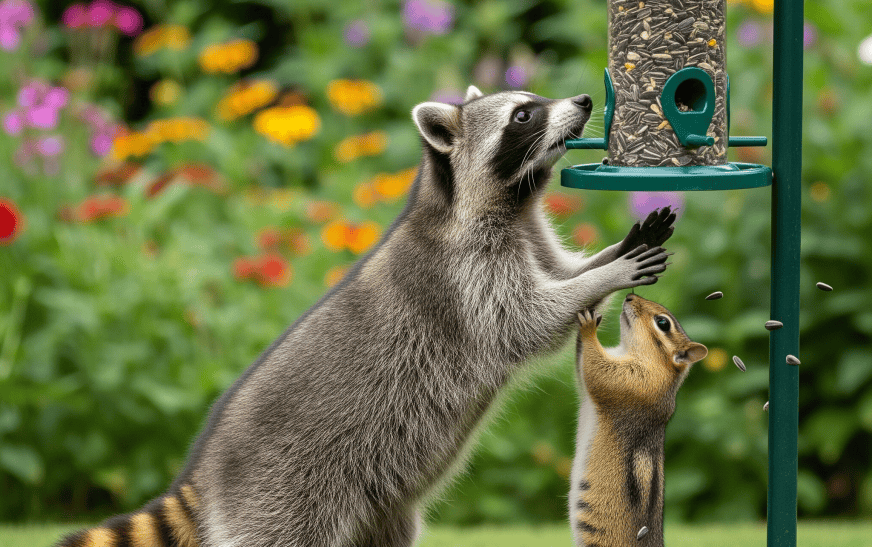
Once, I noticed my feeder swinging oddly in the night. The next morning, seeds were strewn across the lawn and I spotted raccoon paw prints in the dirt. This experience made me realize how determined raccoons can be to get a snack.
Credit: squirrelsinfo.com
Risks Of Raccoons Visiting Bird Feeders
Raccoons often visit bird feeders searching for easy food. While it may seem harmless, their presence can cause several problems. These animals are clever and strong, which can lead to damage and health risks. Understanding these risks helps protect your garden and local wildlife.
Damage To Feeders And Property
Raccoons use their sharp claws and strong paws to break feeders. They can tear apart plastic or wooden feeders quickly. This destruction means frequent replacements and higher costs. Raccoons may also damage nearby plants and garden furniture. Their digging can ruin flower beds and lawns. They sometimes leave messes of spilled seeds and feathers. This mess attracts other pests like rats and insects. The constant visits can create noise that disturbs neighbors. Protecting feeders from raccoons requires sturdy materials and secure placement.
Health Concerns For Birds And Humans
Raccoons carry diseases that can spread to birds and humans. They often leave behind germs in feeder areas. Birds feeding near raccoon droppings risk infections. Diseases like salmonella and parasites can harm bird populations. Humans can catch diseases through direct contact or contaminated surfaces. Children and pets are especially vulnerable to these risks. Raccoons may also bring fleas and ticks into your yard. Maintaining clean feeders and safe distances can reduce health dangers.
Preventing Raccoons From Accessing Feeders
Raccoons are clever and persistent when it comes to finding food, especially around bird feeders. Preventing them from accessing your feeders requires a mix of smart placement, the right equipment, and offering alternative food sources. These steps help protect your bird feed, keeping your backyard visitors the feathered kind.
Feeder Placement Tips
Where you put your bird feeder matters a lot. Place feeders at least 10 feet away from trees, fences, or structures that raccoons can climb or jump from. Hanging feeders on smooth, metal poles with baffles can also stop raccoons from climbing up.
Think about your yard’s layout—do you have spots that are hard for raccoons to reach but easy for birds? Adjusting feeder height to 5-6 feet off the ground often helps, since raccoons are great climbers but less likely to jump that high.
Using Raccoon-proof Feeders
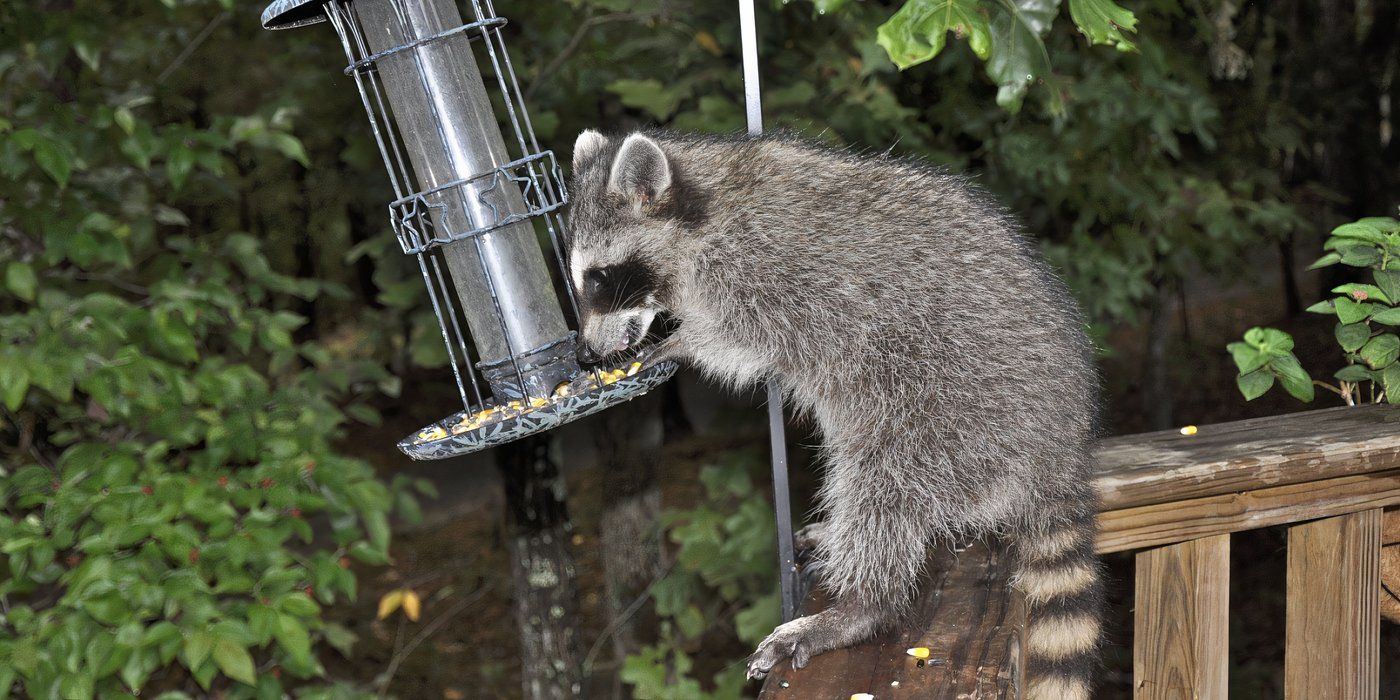
Special feeders designed to keep raccoons out are a game changer. Look for feeders with weight-sensitive perches that close access when something heavy, like a raccoon, steps on them. Feeders with cages around them allow small birds in but keep larger animals out.
My neighbor switched to a metal cage feeder and saw a big drop in raccoon visits. These feeders also reduce seed waste, saving you money. Are you ready to invest a little more to protect your bird food?
Alternative Food Sources
Raccoons are opportunistic eaters, so giving them another food source might distract them from your feeders. Consider setting up a small feeding station with corn or fruits away from your bird areas. This can reduce raccoon interest in your bird feed.
However, be cautious not to attract more raccoons by overfeeding. Monitor how much you put out and adjust as needed. Would providing a separate food source change how raccoons behave in your yard?
Credit: www.backyardboss.net
Attracting Birds Safely Without Raccoons
Bird feeders can draw raccoons, but using specific designs helps prevent this. Opt for feeders with raccoon-proof features. Place feeders high and away from trees or structures to deter climbing.
Attracting birds to your backyard can be a delightful experience, but the presence of raccoons can turn this joy into a challenge. These nocturnal creatures are clever and persistent, often drawn to bird feeders in search of an easy meal. By following a few strategic tips, you can enjoy the beauty of birds without inadvertently inviting raccoons to the feast.Choosing Bird-friendly Seeds
Selecting the right seeds is crucial. Opt for seeds that birds love but raccoons find less appealing. Consider using safflower seeds. Birds like cardinals and chickadees enjoy them, but raccoons typically don’t. Additionally, nyjer seeds are a favorite among finches yet often ignored by raccoons. A mix of these seeds can attract a variety of birds while discouraging unwanted visitors. Always check labels for ingredients to ensure you’re choosing seeds that meet your feathered friends’ tastes.Timing And Maintenance
The timing of when you fill your bird feeder can make a big difference. Try adding seeds in the morning. Birds are most active then, and this minimizes the opportunity for raccoons, who are primarily nocturnal, to raid the feeder. Regular maintenance of your feeding station is essential. Clean up fallen seeds beneath the feeder to remove any incentives for raccoons. Keep your feeder in top shape by inspecting it frequently. This ensures it stays inviting to birds but not to raccoons. Have you ever wondered how small changes can keep your backyard a peaceful bird haven? By tweaking your seed choice and feeding schedule, you can maintain a safe environment that attracts birds while deterring raccoons.Frequently Asked Questions
Do Bird Feeders Attract Raccoons At Night?
Yes, raccoons are nocturnal and often visit bird feeders after dark. They are attracted to leftover seeds and easy food sources.
Why Do Raccoons Like Bird Feeders?
Raccoons find bird feeders appealing because they offer an easy meal. Seeds and nuts attract them, especially when feeders are accessible.
How Can I Prevent Raccoons From Visiting Feeders?
To deter raccoons, use raccoon-proof feeders, clean spills, and place feeders away from trees or structures they can climb.
Are Certain Bird Feeder Types Better Against Raccoons?
Yes, feeders with cages or weight-sensitive perches help keep raccoons away while allowing smaller birds to feed safely.
Conclusion
Bird feeders can attract raccoons looking for food at night. Raccoons are clever and will find ways to reach seeds. Keep feeders clean and place them in safe spots. Use baffles or hang feeders where raccoons cannot climb. Protect your garden while still enjoying watching birds.
Small changes help keep raccoons away from feeders. Stay patient and try different methods if needed. Enjoy nature without unwanted visitors disturbing your space.




