
Have you ever wondered if vinegar can be the secret to keeping your bird feeders sparkling clean? You want to make sure your feathered friends have a safe and healthy place to eat.
But cleaning bird feeders can be tricky, and you might worry about using harsh chemicals. What if there was a simple, natural solution right in your kitchen? You’ll discover how vinegar can help you clean your bird feeders effectively, why it’s a great choice, and some easy tips to get the job done quickly.
Keep reading to protect your birds and enjoy a cleaner feeder all year round!

Credit: valleyfarms.shop
Why Clean Bird Feeders
Keeping your bird feeders clean is more than just a chore—it’s essential for the well-being of the birds that visit your yard. Dirty feeders can become breeding grounds for harmful bacteria and mold. Regular cleaning helps you create a safe and inviting space for your feathered friends.
Preventing Disease Spread
Birds gather in groups around feeders, which can easily spread illnesses if the feeder is contaminated. Diseases like salmonella and avian pox thrive on leftover food and droppings. Cleaning your feeders regularly breaks the cycle of infection and protects your local bird population.
Attracting Healthy Birds
Birds prefer clean feeders because they offer fresh, uncontaminated food. If your feeder is dirty, birds might avoid it or stop visiting altogether. By maintaining a clean feeder, you encourage more birds to visit and enjoy your yard, creating a lively and colorful environment.
Maintaining Feeder Longevity
Regular cleaning prevents mold, rust, and buildup that can damage your feeder’s materials. This means your feeder stays functional and attractive for longer periods. Investing a little time in cleaning now saves you money on replacements later.
Vinegar As A Cleaning Agent
Vinegar is a popular choice for cleaning bird feeders because it effectively removes dirt and kills germs without harmful side effects. Its natural acidity breaks down stubborn grime and prevents mold growth, making your feeders safe and inviting for birds. Using vinegar is simple, affordable, and environmentally friendly, which makes it a smart option for regular maintenance.
Natural Disinfectant Properties
Vinegar contains acetic acid, which acts as a natural disinfectant. This acid can kill many types of bacteria, viruses, and fungi that may accumulate on your bird feeders. Unlike bleach or other harsh chemicals, vinegar’s antimicrobial power works without leaving toxic residues that could harm birds.
Have you noticed mold on your feeders after rainy days? Vinegar’s ability to prevent mold growth keeps your feeders clean and safer for birds. Simply soaking the feeder parts in a vinegar solution for a few minutes is enough to sanitize them thoroughly.
Safe Alternative To Harsh Chemicals
Many commercial cleaners contain chemicals that may be toxic to birds or leave harmful residues. Vinegar offers a safer alternative that won’t irritate your skin or the wildlife you want to protect. It’s also a good choice if you have children or pets around.
You don’t have to worry about rinsing excessively to remove chemical traces. After cleaning with vinegar, a quick rinse with water will leave your feeder ready for reuse. This ease of use makes vinegar practical for frequent cleanings.
Types Of Vinegar Suitable For Cleaning
Not all vinegars are created equal when it comes to cleaning. White distilled vinegar is the most effective and affordable option because it has a higher concentration of acetic acid and no added colors or flavors. Apple cider vinegar can work but may leave a slight odor and is less acidic.
Avoid using flavored or malt vinegars as they may stain surfaces or attract unwanted insects. Keep a bottle of white vinegar handy for your bird feeder cleaning routine to ensure the best results without any surprises.
Step-by-step Vinegar Cleaning Process
Cleaning your bird feeder with vinegar is a simple, natural way to keep it safe and inviting for birds. The process involves a few clear steps that ensure all harmful bacteria and mold are removed without harsh chemicals. Let’s break down how you can do this effectively, even if you’re new to using vinegar for cleaning.
Preparing The Vinegar Solution
Start by mixing one part white vinegar with four parts warm water in a bucket or large bowl. This ratio is strong enough to disinfect but gentle enough to avoid damaging your feeder. Make sure you have enough solution to fully submerge or thoroughly soak the feeder parts.
Gather your cleaning tools too—an old toothbrush or soft scrub brush works well. Do you have any leftover vinegar from past cleaning tasks? This is a great way to use it up without waste.
Soaking And Scrubbing Techniques
Place the feeder parts into the vinegar solution and let them soak for at least 30 minutes. Soaking loosens dried seeds, dirt, and mold, making scrubbing easier. After soaking, scrub every nook and cranny carefully to remove stubborn debris.
Focus on areas where mold tends to hide, like feeding ports and perches. Be gentle to avoid scratching plastic or glass surfaces. Have you noticed how much better your feeder looks and smells after this step?
Rinsing And Drying Properly
Rinse each part thoroughly with clean water to remove all vinegar residues. Leaving vinegar behind can affect the taste of the seeds and discourage birds from visiting. Use a spray bottle or running water to ensure no spots are missed.
Dry the feeder completely before refilling it. Moisture can cause seeds to spoil quickly and promote mold growth. Placing the feeder in direct sunlight helps speed up drying—have you tried this yet?
Tips For Effective Cleaning
Cleaning bird feeders regularly keeps birds healthy and happy. Vinegar is a safe, natural cleaner that removes dirt and harmful germs. Effective cleaning requires the right approach and tools. Follow these tips to maintain your feeder well and attract more birds.
Frequency Of Cleaning
Clean bird feeders every two weeks to prevent mold and bacteria growth. During wet or humid weather, clean them more often. If many birds visit, increase cleaning frequency. Regular cleaning stops diseases and keeps feeders fresh.
Tools To Use
- Use a soft brush or sponge to scrub surfaces gently.
- A bottle brush helps reach tight spots inside feeders.
- Wear gloves to protect your hands from dirt and germs.
- Mix one part vinegar with four parts water for cleaning solution.
- Use a spray bottle for easy application of vinegar solution.
Handling Stubborn Residue
Soak the feeder in vinegar solution for 10 to 15 minutes to loosen tough grime. Use a brush to scrub away remaining dirt after soaking. For hard-to-remove spots, repeat soaking and scrubbing. Rinse well with clean water to remove vinegar taste before refilling.
Precautions When Using Vinegar
Using vinegar to clean bird feeders is safe and effective if done carefully. Vinegar is a natural cleaner that removes dirt and kills germs. Precautions help avoid damage and keep birds and plants safe. Follow these tips to clean feeders properly with vinegar.
Avoiding Damage To Feeder Materials
Vinegar is acidic and may harm some feeder materials. Avoid using it on feeders made of soft metals like copper or aluminum. Wood feeders can absorb vinegar and weaken over time. Test vinegar on a small, hidden area first. Use a diluted vinegar solution to reduce risk. Rinse feeders well after cleaning to protect their surface.
Ensuring No Residue Remains
Vinegar can leave a strong smell or taste that birds dislike. Rinse feeders thoroughly with water after cleaning. Let feeders dry completely before refilling with seeds. This prevents birds from avoiding the feeder. Use a soft brush to scrub hard-to-reach spots. Make sure no vinegar pools inside the feeder to avoid residue build-up.
Protecting Surrounding Plants And Wildlife
Spilled vinegar can harm plants and small animals near feeders. Clean feeders over a sink or hard surface to catch drips. Do not pour vinegar directly onto the ground or soil. Store vinegar safely out of reach of pets and wildlife. Use just enough vinegar to clean, avoiding excess waste. This keeps the environment safe and healthy.

Credit: green-backyard.com
Alternative Cleaning Methods
Cleaning bird feeders with vinegar is an effective method. Vinegar acts as a natural disinfectant, removing dirt and bacteria. Mix equal parts of vinegar and water, scrub gently, and rinse thoroughly. This eco-friendly solution ensures a safe, clean feeder for birds.
Cleaning bird feeders regularly is essential for the health of your feathered visitors. While vinegar is a popular cleaning agent, it’s not the only method available. Exploring alternative cleaning methods can provide flexibility and effectiveness, ensuring your feeders are clean and safe. Let’s dive into some options that could be just what you need.Using Bleach Safely
Bleach is a powerful disinfectant that can effectively clean and sanitize bird feeders. To use bleach safely, mix one part bleach with nine parts water. Soak the feeder in this solution for about ten minutes. Rinse thoroughly with water to ensure no bleach residue remains. Consider using bleach outdoors or in a well-ventilated area to avoid inhaling fumes. Always wear gloves to protect your skin during the process.Commercial Feeder Cleaners
Many stores offer commercial feeder cleaners designed specifically for bird feeders. These products are formulated to remove dirt and grime without harming birds. You can find them in pet stores or online, and they usually come with instructions for safe use. While they might be more expensive than DIY solutions, the convenience and effectiveness can be worth it. Remember to check the ingredients to ensure they’re safe for wildlife.Steam Cleaning Options
Steam cleaning is an eco-friendly option that uses hot steam to disinfect surfaces. A handheld steam cleaner can be an excellent tool for this task. The heat from the steam kills bacteria and loosens dirt without chemicals. It’s ideal for those who prefer a natural cleaning method. However, be cautious as the steam is hot and can cause burns if not handled properly. Consider this method if you already own a steam cleaner or are looking for a chemical-free cleaning solution. Have you tried any of these methods? Which one suits your needs and lifestyle best?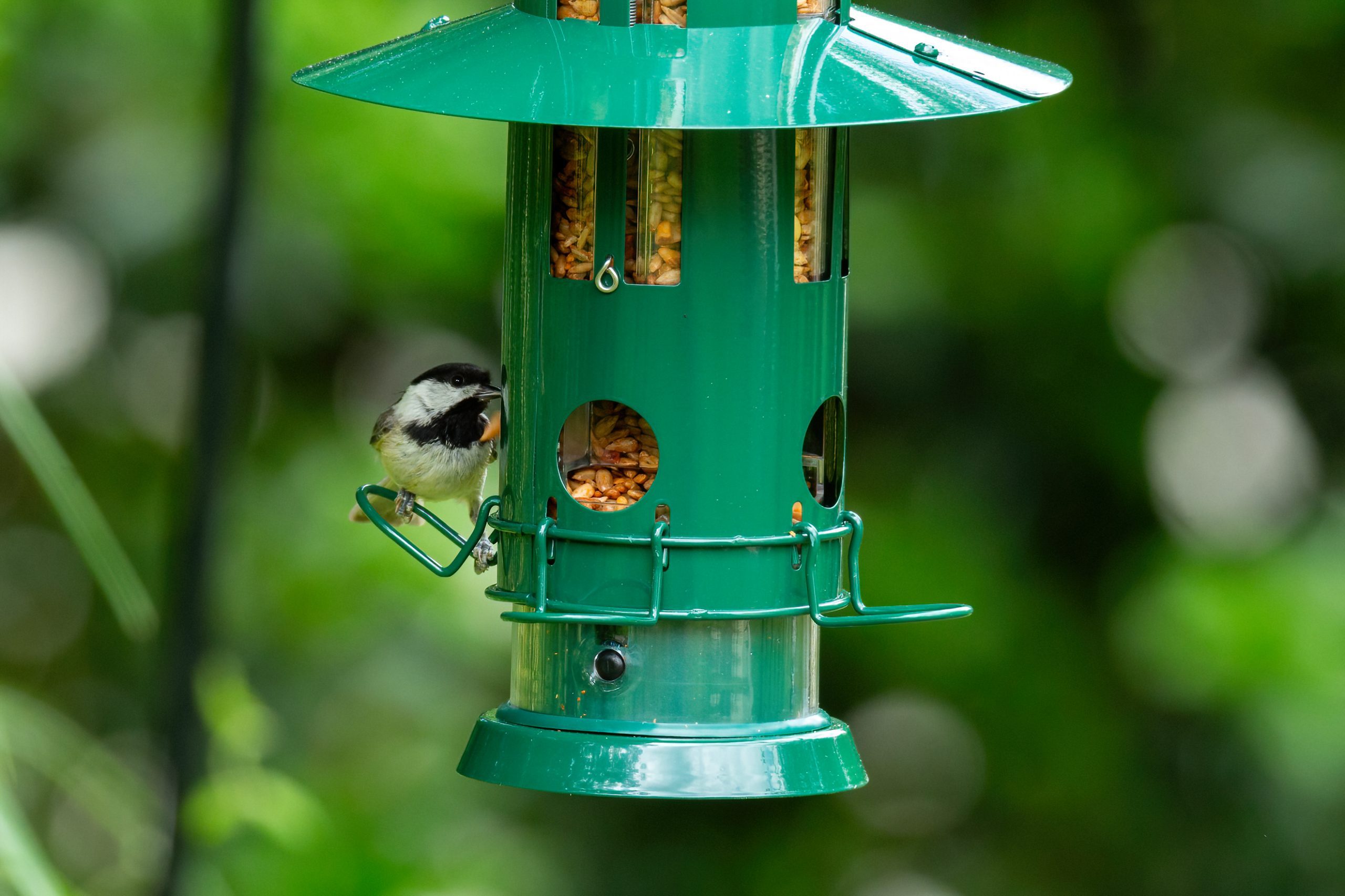
Credit: www.kingsyard.com
Frequently Asked Questions
Can Vinegar Effectively Clean Bird Feeders?
Yes, vinegar is effective for cleaning bird feeders. It kills mold, bacteria, and removes dirt safely without harmful chemicals. Use a diluted vinegar solution for best results. Rinse thoroughly and let dry before refilling to keep birds healthy.
How Do I Use Vinegar To Clean Bird Feeders?
Mix one part white vinegar with four parts water. Soak the feeder for 10-15 minutes. Scrub with a brush to remove debris. Rinse well with clean water. Dry completely before adding birdseed to prevent mold growth.
Is Vinegar Safe For Birds When Cleaning Feeders?
Yes, vinegar is safe when used properly. It leaves no toxic residue after rinsing. Avoid harsh chemicals that can harm birds. Always rinse feeders thoroughly to ensure no vinegar remains before refilling.
How Often Should Bird Feeders Be Cleaned With Vinegar?
Clean bird feeders every two weeks or more often in wet weather. Frequent cleaning prevents mold and bacteria buildup. Using vinegar regularly keeps feeders hygienic and birds healthy. Adjust frequency based on bird activity and weather conditions.
Conclusion
Vinegar works well to clean bird feeders safely and naturally. It kills germs without harsh chemicals. Regular cleaning keeps birds healthy and happy. Use vinegar mixed with water for best results. Rinse feeders thoroughly before refilling with seed. Clean feeders every two weeks or more often.
A clean feeder invites more birds to visit. Simple steps make a big difference for wildlife. Try vinegar to keep your bird feeder fresh and safe.




