
Have you ever wondered what makes an exotic bird so special? Maybe you’ve seen a flash of bright feathers or heard a unique call and felt curious.
Exotic birds aren’t just colorful creatures—they carry stories, mysteries, and surprises that can captivate your attention like nothing else. You’ll discover what exactly defines an exotic bird, why they fascinate so many people, and how understanding them can bring a whole new level of excitement to your world.
Keep reading, and you might find yourself seeing birds in a way you never have before.

Credit: birdsnways.com
Exotic Birds: A Spectrum Of Colors
Exotic birds amaze us with their bright and varied colors. Their feathers show a wide range of hues. These colors attract attention and make them unique. Many people love watching these birds because of their beauty. They live in different parts of the world, mainly in tropical places. Their colors are not just for looks but also help in many ways.
Defining Exotic Birds
Exotic birds are species not common in local areas. They often come from faraway lands with warm climates. These birds stand out due to their unusual colors and shapes. Their bright feathers help them find mates and scare off enemies. Many exotic birds have special calls and behaviors. They are often rare and need special care in captivity.
Famous Colorful Species
Some exotic birds are famous for their stunning colors. Here are a few well-known ones:
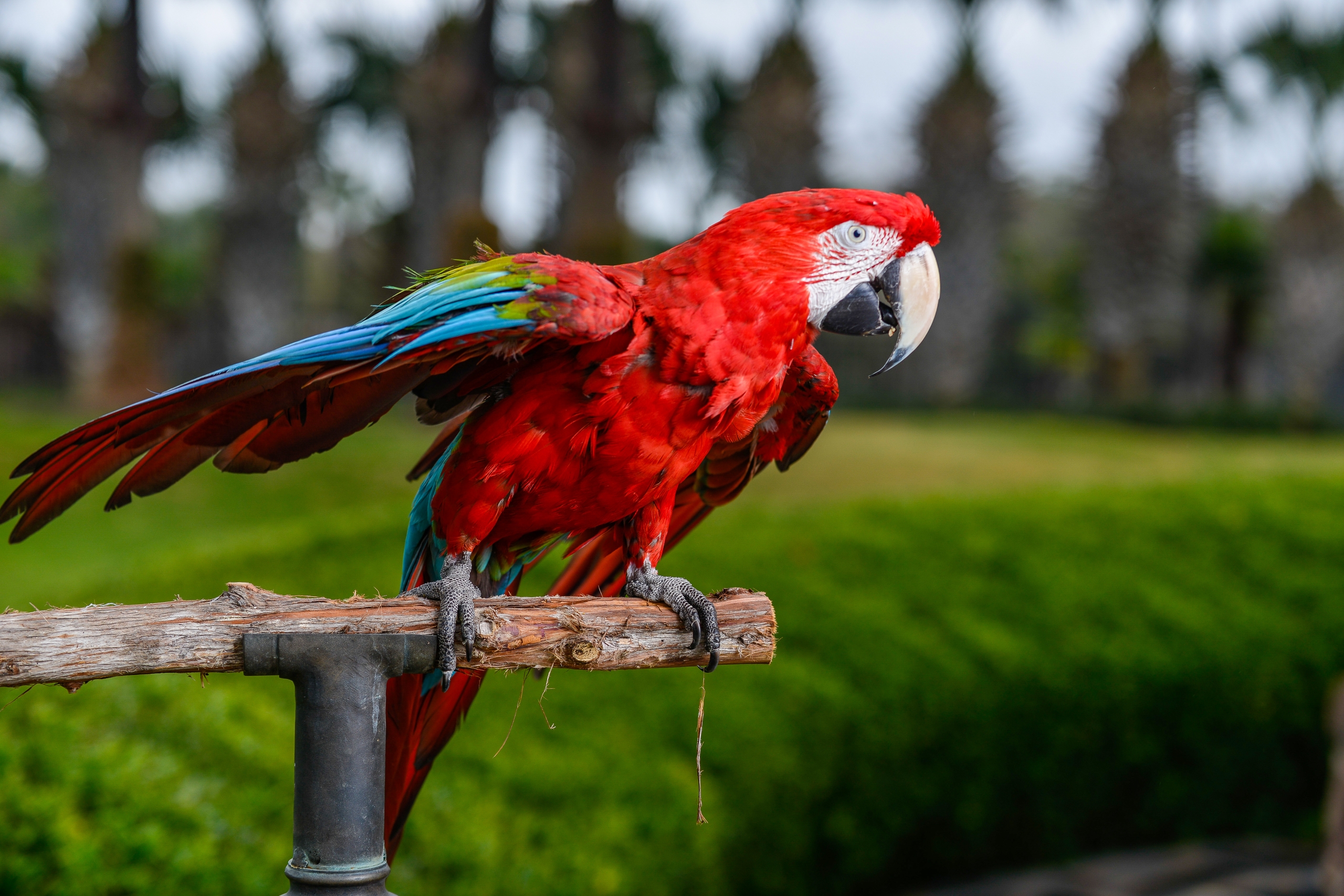
- Macaws:Large parrots with red, blue, and yellow feathers.
- Peacocks:Known for their bright blue and green tail feathers.
- Scarlet Ibis:Bright red birds found in South America.
- Mandarins:Small birds with orange, blue, and green colors.
- Rainbow Lorikeets:Multicolored parrots with green, blue, and orange feathers.
These birds show nature’s amazing talent for color. Their vibrant feathers make them popular among bird watchers and pet lovers.
Credit: www.hsbresort.com
Habitat And Distribution
The exotic bird’s habitat and distribution reveal much about its unique lifestyle and survival strategies. Understanding where these birds thrive helps you appreciate their role in various ecosystems. It also shows how adaptable they can be across different environments.
Tropical Rainforests
Tropical rainforests are home to many exotic bird species. These dense, lush forests provide abundant food sources like fruits, insects, and nectar. The high canopy offers shelter and nesting spots, perfect for birds that prefer privacy and protection.
Have you noticed how some birds blend seamlessly with the vibrant foliage? Their colors and calls are finely tuned to this environment, helping them avoid predators and attract mates.
Islands And Remote Regions
Islands often host exotic birds found nowhere else on Earth. Isolation leads to unique adaptations, like specialized beaks or unusual behaviors. These remote areas offer less competition, but limited resources challenge the birds to be resourceful.
Think about the Galápagos finches—each species evolved differently based on the island it inhabits. This shows how location shapes the exotic bird’s appearance and habits in surprising ways.
Urban Adaptations
Some exotic birds have surprisingly adapted to city life. Parks, gardens, and even buildings provide new feeding and nesting opportunities. These birds adjust their diets and behaviors to thrive alongside humans.
Next time you spot an exotic bird in your neighborhood, observe how it interacts with the urban environment. Their ability to survive here challenges the idea that exotic birds only belong in wild, untouched habitats.
Unique Adaptations And Features
Exotic birds captivate us not just with their beauty but with the remarkable ways they have adapted to thrive in diverse environments. Their unique features go beyond looks, revealing survival strategies and communication skills that might surprise you. Understanding these adaptations gives you a deeper appreciation of their role in nature and what makes each species truly special.
Feather Patterns And Pigmentation
Exotic birds display a dazzling array of feather colors and patterns that serve more than just aesthetic purposes. These vibrant pigments come from natural chemicals like carotenoids and melanins, which can signal health and vitality to other birds.
Some species, like the peacock, use iridescent feathers that change color with light angle, helping them attract mates. Others, such as the snowy owl, rely on camouflaging patterns to blend into their environment and avoid predators.
Have you noticed how some birds’ feathers change with seasons or age? This dynamic pigmentation helps them adapt to changing environments and social roles.
Vocal Abilities
The vocal talents of exotic birds are nothing short of astonishing. Many can mimic human speech or replicate complex sounds from their surroundings, which helps them communicate effectively in dense forests or noisy habitats.
Take the lyrebird, famous for its ability to imitate chainsaws and camera shutters—an impressive skill that aids in territory defense and attracting mates. These vocalizations are often learned behaviors, showing how adaptable and intelligent these birds can be.
Think about the last time you heard a bird’s call—did it make you stop and listen? Their sounds carry information about danger, food, or even social bonding.
Behavioral Traits
Exotic birds often exhibit fascinating behaviors that improve their chances of survival and reproduction. Many species engage in intricate courtship dances, tool use, or cooperative hunting strategies.
For example, some parrots use twigs to extract insects from tree bark, demonstrating problem-solving skills. Others form strong social bonds within flocks, which helps them protect each other from predators.
What can you learn from these behaviors? Observing their social interactions might inspire you to think differently about communication and teamwork in your own life.
Role In Ecosystems
Exotic birds play a vital role in maintaining healthy ecosystems. Their actions support plant growth and balance animal populations. These birds help many plants reproduce and keep nature’s food chain steady. Understanding their ecological roles reveals their importance beyond just beauty and rarity.
Pollination And Seed Dispersal
Many exotic birds act as pollinators. They visit flowers to feed on nectar. While doing this, pollen sticks to their feathers or beaks. This pollen transfers to other flowers, helping plants produce fruit and seeds.
Exotic birds also disperse seeds. They eat fruits and fly away. Later, they drop seeds in new places. This helps plants spread across wide areas. Seed dispersal supports forest growth and diversity.
Predator And Prey Relationships
Exotic birds take part in food chains as both predators and prey. Some feed on insects, small animals, or other birds. This controls pest populations and keeps ecosystems balanced.
At the same time, exotic birds serve as food for larger predators. Their presence supports animals higher up in the food chain. This exchange of energy sustains ecosystem health and stability.
Threats To Exotic Birds
Exotic birds face several serious threats that put their survival at risk. Understanding these challenges is key to protecting these vibrant creatures. Let’s look closely at the main dangers they encounter daily.
Habitat Loss
Exotic birds rely on specific natural environments to thrive. When forests are cut down or wetlands drained, these birds lose their homes and food sources. You might notice fewer colorful birds in your area if their habitats disappear.
Preserving natural spaces helps maintain the delicate balance these birds need. Have you ever visited a place and realized how empty it felt without the usual bird songs? That silence is a sign of habitat loss in action.
Illegal Wildlife Trade
Many exotic birds are trapped and sold illegally as pets or for decorations. This trade often involves cruel treatment and disrupts wild populations. If you’ve ever seen a rare bird in a market, you might have witnessed the consequences of this harmful trade.
Choosing to support ethical wildlife practices can make a difference. Ask yourself: Are the birds I admire in homes or stores truly there by choice? Promoting awareness helps reduce demand for illegally traded birds.
Climate Change Effects
Changing weather patterns affect exotic birds’ migration, breeding, and food availability. Warmer temperatures and unpredictable storms can destroy nests and reduce insect populations birds feed on. Have you noticed shifts in bird behaviors or appearances in recent years?
Understanding climate impacts encourages you to support conservation efforts. Small actions, like planting native trees or reducing carbon footprints, help create stable environments for these birds.
Conservation Efforts
Exotic birds face many threats in the wild, making conservation efforts vital. Protecting their habitats helps keep these unique creatures safe. Many groups work hard to save exotic birds from extinction.
Conservation efforts play a vital role in protecting exotic birds. These initiatives aim to preserve their habitats and ensure their survival. With a combined approach, conservationists focus on various strategies to help these unique creatures thrive.Protected Areas And Reserves
Creating protected areas is essential for bird conservation. These spaces provide safe habitats for exotic birds. Reserves restrict human activities that harm the environment. By maintaining these areas, we safeguard the natural homes of many bird species. This helps prevent habitat loss and fragmentation.Breeding Programs
Breeding programs are crucial for conserving endangered exotic birds. These initiatives help boost bird populations. In controlled environments, experts breed birds to increase their numbers. Such programs often focus on rare or endangered species. They aim to reintroduce healthy birds into the wild. This supports population recovery efforts.Community Involvement
Community involvement is key to successful conservation. Local communities play a crucial role in preserving bird habitats. Educating people about the importance of exotic birds fosters awareness. Communities can help monitor bird populations and report threats. Engaging locals ensures sustainable conservation practices. It creates a shared responsibility for protecting these beautiful creatures.Exotic Birds In Culture
Exotic birds are colorful creatures often seen as symbols in many cultures. They represent beauty, freedom, and mystery in stories and art. These birds capture attention with their unique shapes and vibrant feathers.
Exotic Birds in Culture Exotic birds have fascinated humans for centuries, captivating our imaginations with their vibrant colors and unique behaviors. These magnificent creatures are not just biological wonders but cultural icons woven into the tapestry of human history. From ancient myths to modern ecotourism, exotic birds have played a significant role in shaping our cultural landscapes.Symbolism And Mythology
Throughout history, exotic birds have been powerful symbols in various cultures. The phoenix, often depicted as a colorful bird, symbolizes rebirth and immortality. In Egyptian mythology, the Bennu bird is associated with creation and renewal. In many indigenous cultures, birds are seen as messengers between the earthly and spiritual realms. The peacock, with its dazzling plumage, represents beauty and grace in many cultures, including Hindu and Greek traditions. How do these symbols influence your perception of these stunning creatures?Birdwatching And Ecotourism
Birdwatching has grown into a popular pastime and is a key component of ecotourism. Enthusiasts travel the globe to catch a glimpse of exotic species in their natural habitats. This not only supports local economies but also raises awareness about conservation. Have you ever considered how your travel choices impact bird habitats? By supporting ethical birdwatching tours, you contribute to the protection of these incredible species. Imagine the thrill of spotting a rare bird, knowing your visit helps preserve its environment.
Credit: birdsnways.com
Frequently Asked Questions
What Defines An Exotic Bird Species?
An exotic bird is typically non-native to an area. It often has unique colors, shapes, or behaviors. These birds attract attention due to their rarity or striking appearance. Exotic birds are popular in aviculture and among birdwatchers.
Where Do Most Exotic Birds Come From?
Most exotic birds originate from tropical regions. Countries in South America, Africa, and Asia are rich in exotic bird species. These areas have diverse habitats that support various unique bird populations.
Why Are Exotic Birds Popular As Pets?
Exotic birds are popular pets for their vibrant colors and intelligence. They often mimic sounds and interact playfully with owners. However, they require special care and attention to thrive in captivity.
How Can You Identify An Exotic Bird?
Exotic birds usually have bright plumage or unusual features. Their calls and behaviors differ from native birds. Identification guides or expert advice can help recognize exotic species accurately.
Conclusion
Exotic birds are colorful and unique creatures found worldwide. They bring beauty and interest to nature. Many people enjoy watching and learning about them. Caring for exotic birds needs attention and knowledge. These birds show us how diverse life can be.
Understanding them helps protect their homes and future. Their charm continues to fascinate bird lovers everywhere. Exploring exotic birds opens a window to a vibrant world. Keep discovering and appreciating these amazing animals.




