
Are you ready to bring the beauty of birds right to your fingertips? Choosing the best camera bird feeder can transform your backyard into a live wildlife show.
Imagine capturing stunning close-ups of vibrant birds as they visit, all without disturbing their natural behavior. But with so many options out there, how do you find the perfect one for your needs? Keep reading, and you’ll discover exactly what to look for to make your bird-watching experience unforgettable.

Credit: www.amazon.com
Benefits Of Camera Bird Feeders
Camera bird feeders offer more than just a place for birds to eat—they bring the vibrant world of wildlife right to your fingertips. They allow you to observe, record, and appreciate birds in ways that traditional feeders can’t match. Understanding the benefits of these devices can help you decide if they’re the right addition to your outdoor space.
Capturing Wildlife Up Close
Camera bird feeders let you see birds in stunning detail without disturbing their natural behavior. You can capture sharp photos and videos of birds feeding, preening, or interacting, all from the comfort of your home.
Have you ever missed a rare bird because it flew away too quickly? With a camera feeder, you can replay and study each visit, ensuring you never miss a moment.
Enhancing Bird Watching Experience
Watching birds through a camera feeder adds a new layer of excitement to birding. You don’t need to be an expert to enjoy close-up views of feathers, beaks, and expressions.
These feeders often connect to apps or screens, letting you share the experience with family or friends instantly. Imagine turning a quiet afternoon into an interactive nature session for everyone around.
Educational And Research Uses
Camera bird feeders serve as valuable tools for education and scientific study. Teachers can use live footage to engage students in learning about bird species and behavior.
Researchers can monitor bird populations and habits without physically interfering. What insights could you gain about your local bird community by observing them in this unobtrusive way?
Key Features To Consider
Choosing the best camera bird feeder means understanding what features truly matter. Your goal is to capture clear, lively images of birds without missing a moment or worrying about your equipment failing. Think about how each feature will affect your birdwatching experience and what will make it easier for you to enjoy and share stunning photos.
Image Quality And Resolution
High image quality is essential to capture the fine details of feathers and colors. Look for cameras with at least 12 megapixels to ensure crisp photos. A good resolution helps you zoom in on the birds without losing clarity, making every shot impressive.
Consider if the camera offers HD or 4K video capabilities too. Videos add life to your birdwatching memories, but only if they’re sharp and smooth. Would you rather scroll through blurry images or see every feather flutter?
Trigger Speed And Sensitivity
Birds move quickly, so your camera’s trigger speed can make or break your shots. A fast trigger speed means the camera snaps as soon as a bird arrives. If the trigger is slow, you might miss the perfect pose or action.
Sensitivity also plays a role in detecting small or fast-moving birds. Cameras with adjustable sensitivity let you avoid false triggers like leaves blowing, saving battery and storage. Do you want your camera reacting to everything or only when the birds come close?
Durability And Weather Resistance
Your camera feeder will face rain, wind, and sun. Durability ensures it won’t break down after a few weeks outside. Look for materials like sturdy plastics or metals that can withstand rough weather.
Weather resistance, including waterproof or water-resistant ratings, protects your device from damage. Imagine setting up your camera only to find it stopped working after a storm. Wouldn’t you want peace of mind that your gear can handle nature’s unpredictability?
Power Options And Battery Life
Long battery life lets you capture birds all day without frequent recharging. Some cameras use rechargeable batteries, while others rely on replaceable ones. Think about what fits your routine better—charging often or swapping batteries.
Solar-powered options can be handy if your feeder is in a sunny spot, reducing the need for manual charging. How often do you want to climb up and check your camera? Power options can make this task easier or harder.
Types Of Camera Bird Feeders
Choosing the right type of camera bird feeder can dramatically change how you experience birdwatching. Different models offer unique features that cater to various needs and preferences. Understanding these types helps you pick one that fits your style, whether you want to capture every flutter or just enjoy casual viewing.
Motion-activated Cameras
Motion-activated cameras start recording or snapping photos the moment a bird lands on the feeder. This feature ensures you don’t miss any action while saving battery life and storage space. Imagine watching a shy hummingbird appear only when it moves—these cameras catch those spontaneous moments perfectly.
Many models include adjustable sensitivity, so you can fine-tune what triggers the camera. This reduces false alarms from wind or passing insects. If you want a camera that works like an automatic birdwatcher, this type is ideal.
Time-lapse Cameras
Time-lapse cameras take pictures at set intervals, creating a video that shows bird activity over hours or even days. This is great if you want to observe patterns, like when certain species visit or how they interact. I once recorded an entire morning at my feeder and spotted behaviors I never noticed before.
These cameras don’t rely on movement, so they capture every moment regardless of activity level. However, they require more storage and battery power. If you enjoy watching nature unfold in slow motion, time-lapse cameras offer a unique perspective.
Wi-fi And Remote-controlled Models
Wi-Fi and remote-controlled bird feeders let you monitor your feathered friends from anywhere using your smartphone or tablet. This means you can check on your feeder without disturbing the birds or missing a rare visitor. I found this especially useful during bad weather or when I was away from home.
Some models allow you to adjust settings remotely, like camera angle or recording mode. You get real-time alerts when birds arrive, so you never miss a moment. If convenience and connectivity are your priorities, these high-tech options deliver.
Top Camera Bird Feeders On The Market
Choosing the right camera bird feeder can transform your backyard into a lively wildlife gallery. The market offers a variety of options tailored to different needs, skill levels, and budgets. Whether you want crisp close-ups of hummingbirds or candid shots of sparrows, there’s a model that fits your goals perfectly.
Best Overall Performance
The top pick for overall performance combines durability, image quality, and ease of use. Look for feeders with built-in high-resolution cameras that capture sharp images even in low light. Some models offer motion sensors to snap photos only when birds approach, saving memory and battery life.
One standout is the BirdCam Pro. It delivers crystal-clear photos and videos without scaring the birds away. Its weatherproof design means you won’t have to worry about rain or dust affecting your shots.
Best Budget-friendly Option
If you want to enjoy birdwatching without breaking the bank, some affordable camera feeders still offer great features. These usually have simpler cameras but can capture decent images for casual observation. The Backyard Buddy Camera Feeder is a popular choice, offering easy setup and clear pictures under $100.
Keep in mind that cheaper models may lack advanced sensors or night vision, but they provide excellent value for beginners or hobbyists. Have you considered starting small and upgrading as you learn more about bird photography?
Best For Beginners
For those new to bird photography, user-friendly features make a huge difference. A feeder with straightforward controls and quick setup helps you focus on capturing moments instead of troubleshooting. The EasySnap Bird Feeder comes with a plug-and-play camera and simple app connectivity, perfect for beginners.
This model also includes helpful tutorials and automatic photo adjustments. It encourages you to experiment and improve your skills without feeling overwhelmed. What’s the first bird you hope to photograph with your new feeder?
Best For Advanced Photographers
Experienced photographers need more control and higher image quality from their camera bird feeders. Look for models with adjustable focus, manual settings, and RAW image support. The Avian Elite Camera Feeder offers professional-grade optics and customizable triggers that capture every detail.
Its advanced features allow you to fine-tune exposure and shutter speed, giving you creative freedom. If you crave stunning close-ups and dynamic shots, this feeder meets those demands. Are you ready to push your bird photography to the next level?
Setting Up Your Camera Bird Feeder
Choosing the best camera bird feeder depends on clear views and easy access for birds. Place it where natural light highlights feather colors and movements. Ensure the camera is secure and weatherproof for sharp, lasting photos.
Setting up your camera bird feeder ensures amazing footage of your feathered visitors. Positioning the feeder correctly is key for capturing vibrant, close-up shots. Following these setup tips can enhance your birdwatching experience.Choosing The Right Location
Pick a spot with good lighting for clear images. Avoid direct sunlight. This prevents glare and ensures balanced exposure. Place the feeder near trees or bushes. Birds feel safer with nearby cover. Ensure the location is easily visible from your home.Mounting And Positioning Tips
Secure the feeder at a height that deters predators. Use sturdy mounts or brackets. Angle the camera slightly downward. This provides a full view of the feeder. Check the camera’s field of vision. It should cover the entire feeding area.Attracting Birds Safely
Offer a variety of seeds to attract different species. Use clean and fresh feed to ensure bird health. Provide water sources nearby for drinking and bathing. Maintain a safe distance from high-traffic areas. This reduces stress on the birds. Keep feeders clean to prevent disease. Regular maintenance is essential.Tips For Stunning Bird Photos
Capturing stunning bird photos takes more than just a good camera bird feeder. It requires attention to detail, the right settings, and a bit of patience. Here are some practical tips that can help you get those sharp, vibrant shots that truly showcase the beauty of your feathered visitors.
Timing And Lighting
Light makes or breaks your bird photos. Early morning and late afternoon offer soft, warm light that enhances colors without harsh shadows.
Avoid midday sun, which can create strong contrasts and wash out details. Overcast days can also be great—they provide even lighting that prevents glare on feathers.
Watch how the light changes and try to position your camera bird feeder where birds are backlit or side-lit for dramatic effects. Have you noticed how a simple change in light angle can transform a shot?
Camera Settings For Sharp Shots
Fast shutter speed is key. Birds move quickly, so set your shutter speed to at least 1/1000th of a second to freeze motion.
Use a wide aperture (small f-number) to blur the background and make your subject pop. However, balance it to keep the bird fully in focus—too shallow and parts might be blurry.
Increase ISO only when needed to maintain a fast shutter speed, but watch for noise. Many cameras have a noise reduction feature—turn it on if your photos look grainy.
Patience And Observation
Patience is your best tool. Spend time watching the birds’ behavior before snapping photos.
Notice when they pause, preen, or look around—these moments create more interesting and natural images than constant motion.
Try to predict their next move. This anticipation gives you a chance to prepare your shot rather than reacting after the fact. How often do you find that waiting quietly rewards you with a perfect shot?
Maintaining Your Camera Bird Feeder
Maintaining your camera bird feeder ensures it works well. Regular care keeps it clean and functional. This also helps in capturing clear bird images. A few simple steps can make your feeder last longer. Below are some essential tips to keep in mind.
Cleaning And Care
Clean your feeder every two weeks. Use mild soap and water for cleaning. Rinse thoroughly to remove soap residue. Dry it completely before refilling. This prevents mold and bacteria buildup. Always remove leftover seeds and debris.
Regular Maintenance Checks
Check your feeder’s camera regularly. Ensure the camera lens is clean. Wipe it gently with a soft cloth. Inspect for any loose parts. Tighten screws if needed. Test the battery and replace it if weak. This keeps your camera functioning smoothly.
Troubleshooting Common Issues
If the camera stops working, check the power source. Make sure the battery is charged. Reset the camera if it freezes. Read the user manual for specific instructions. If images are blurry, clean the camera lens. Adjust the focus settings for better clarity.

Credit: www.amazon.com
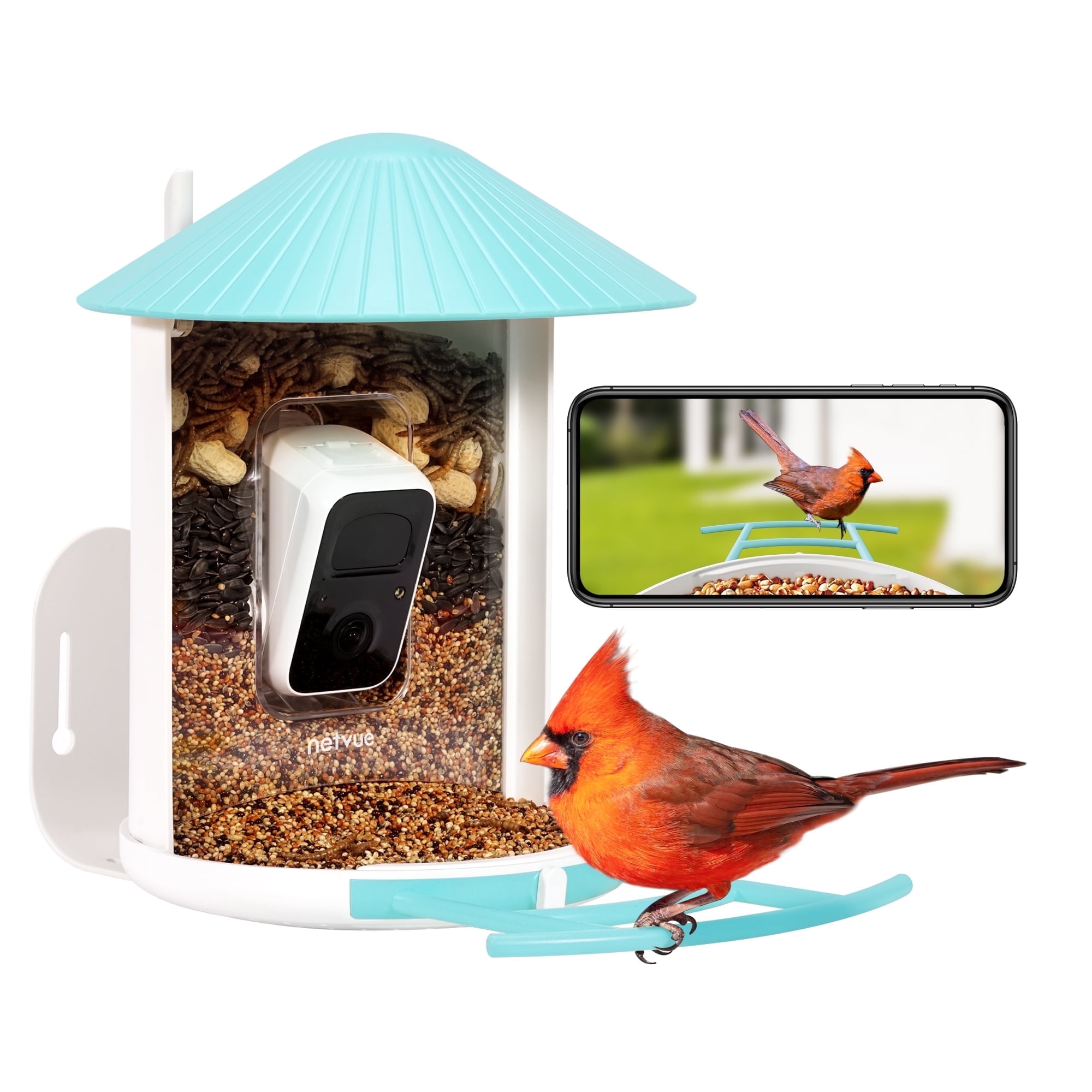
Credit: www.walmart.com
Frequently Asked Questions
What Features Make A Bird Feeder Camera The Best?
The best bird feeder camera offers high resolution, weather resistance, and easy installation. It should have motion detection and night vision for clear bird footage. Connectivity options like Wi-Fi enhance remote viewing and recording. These features ensure quality bird watching and capturing moments effectively.
How Does Camera Bird Feeder Improve Bird Watching?
A camera bird feeder allows close-up views without disturbing birds. It captures detailed images and videos automatically when birds visit. This tech helps identify species and observe behaviors. It enhances the bird watching experience by providing convenience and real-time access anytime.
Are Wireless Camera Bird Feeders Easy To Install?
Yes, wireless camera bird feeders are generally easy to install. They require minimal tools and can be mounted on poles or trees. Most models connect via Wi-Fi, eliminating complex wiring. Clear instructions usually come with the package for hassle-free setup.
Can Camera Bird Feeders Work Well In Low Light?
Many camera bird feeders have night vision or infrared capabilities. These features enable clear recording during dawn, dusk, or cloudy conditions. This ensures you don’t miss bird activity in low light. Check product specs for specific low-light performance details.
Conclusion
Choosing the best camera bird feeder brings joy to bird lovers. It lets you watch birds up close every day. Clear photos and easy setup make the experience better. Durable materials keep the feeder safe in all weather. Remember, the right camera helps you capture special moments.
Enjoy nature’s beauty right from your window. Start your bird-watching adventure with the perfect feeder today. Small steps create big memories with feathered friends.




