
Do you want to attract more colorful birds to your garden? Making homemade bird treats is easier than you think, and it’s a fun way to care for your feathered friends.
Imagine watching birds gather around, enjoying the tasty snacks you prepared just for them. You’ll discover simple, natural recipes that use ingredients you probably already have at home. Keep reading, and you’ll learn how to create treats that are healthy, budget-friendly, and perfect for any season.
Your backyard birds will thank you!
Benefits Of Homemade Bird Treats
Making bird treats at home gives you control over what your birds eat. It helps you avoid harmful ingredients often found in store-bought snacks.
Homemade treats can support your bird’s health, save money, and let you tailor snacks to your bird’s preferences and needs.
Health Advantages For Birds
Homemade bird treats contain natural ingredients without preservatives or artificial colors. This reduces the risk of allergies and digestive problems.
- Use fresh fruits and vegetables for vitamins and minerals.
- Add seeds and nuts for protein and healthy fats.
- Control sugar and salt levels to keep treats safe and healthy.
Cost Savings
Making treats at home costs less than buying commercial bird snacks. You can use leftover ingredients and bulk items from the store.
| Store-Bought Treats | Homemade Treats |
| High price per pack | Lower cost per batch |
| Added preservatives | Fresh, natural ingredients |
| Fixed flavors | Mix and match ingredients |
Customizing Ingredients
Homemade treats let you choose ingredients that suit your bird’s taste and health needs. You can avoid foods that cause allergies or upset their stomach.
Benefits of customizing treats include:
- Selecting favorite fruits and nuts
- Adding supplements for extra nutrition
- Adjusting texture for young or older birds

Credit: gratefulprayerthankfulheart.com
Essential Ingredients
Making homemade bird treats is fun and rewarding. Using the right ingredients helps keep birds healthy.
Birds need a variety of foods for good nutrition. Seeds, nuts, fruits, and binders all play a part.
Seeds And Grains
Seeds and grains provide energy and important nutrients. You can mix different types to attract many bird species.
- Sunflower seeds: High in fat and protein
- Millet: Small seed loved by finches
- Safflower seeds: Good for cardinals and grosbeaks
- Oats: Provide fiber and texture
- Cracked corn: Favorite for larger birds
Nuts And Fruits
Nuts and fruits add variety and vitamins. They offer birds natural sweetness and crunch.
| Ingredient | Benefits |
| Peanuts (unsalted) | Rich in protein and fats |
| Almonds (chopped) | Good source of healthy fats |
| Raisins | Provide natural sugar and energy |
| Dried cranberries | Contain antioxidants and vitamins |
| Apple pieces | Fresh vitamins and moisture |
Binders And Supplements
Binders hold the treat together. Supplements add extra nutrition and flavor.
Common binders include:
- Peanut butter (natural, no salt)
- Honey (use sparingly)
- Plain yogurt
- Gelatin (unflavored)
Supplements to add:
- Chia seeds for omega-3
- Ground flaxseed for fiber
- Vitamin powder (bird safe)
Tools And Supplies Needed
Making homemade bird treats is simple and fun. You only need a few basic tools to get started. These tools help you mix, shape, and store the treats safely.
Using the right supplies ensures your treats hold together well and stay fresh for your birds to enjoy.
Mixing Bowls And Utensils
Mixing bowls and utensils help you combine ingredients evenly. Choose bowls that are easy to clean and large enough for your recipe. Use spoons or spatulas to stir and blend the mixture well.
- Medium to large mixing bowl (glass or plastic)
- Spoon or spatula for stirring
- Measuring cups and spoons
- Whisk for smooth mixing
Molds And Cutters
Molds and cutters give your bird treats fun shapes. You can use cookie cutters or silicone molds. These make it easy to portion the treats and help them dry evenly.
| Tool | Use | Material |
|---|---|---|
| Cookie cutters | Cut dough into shapes | Metal or plastic |
| Silicone molds | Shape soft mixtures | Silicone |
| Baking tray | Hold shapes while drying | Metal or glass |
Storage Containers
Storage containers keep your bird treats fresh and safe from pests. Choose airtight containers to lock in moisture and flavor. Label the containers with the date you made the treats.
- Plastic or glass airtight containers
- Zip-lock bags for small batches
- Labels and markers
- Cool, dry storage area
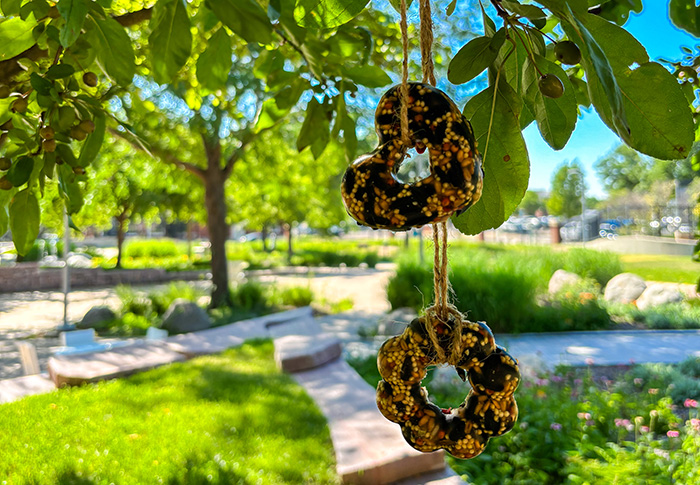
Credit: prairieplay.org
Simple Recipes To Try
Making bird treats at home is easy and fun. You can use simple ingredients found in your kitchen.
These treats help feed birds in your garden and keep them happy and healthy.
Seed And Nut Clusters
Seed and nut clusters are crunchy and full of energy for birds. They use seeds, nuts, and a binding ingredient to hold them together.
You can make these clusters by mixing ingredients and letting them harden into bite-sized pieces.
- Mix sunflower seeds, chopped nuts, and cornmeal.
- Add a little honey or peanut butter to bind.
- Shape into small clusters and place on wax paper.
- Let them dry for a few hours until firm.
Fruit And Oat Bars
Fruit and oat bars are soft treats full of natural sweetness. They are great for birds that enjoy fruit flavors.
This recipe uses oats, dried fruit, and a sticky binder to hold the bars together.
- Combine rolled oats, chopped dried apples, and raisins.
- Add mashed bananas or applesauce to bind the mix.
- Press the mixture into a flat pan and chill.
- Cut into bars once firm and place outside for birds.
Peanut Butter Treats
Peanut butter treats are rich and popular with many birds. Peanut butter helps hold the ingredients and adds protein.
You can add seeds or oats to make these treats more nutritious and tasty.
- Mix peanut butter with birdseed and rolled oats.
- Form small balls or spread on pine cones.
- Chill in the fridge to harden.
- Hang or place in feeders for birds to enjoy.
Tips For Safe Treat Preparation
Making bird treats at home is fun and rewarding. It helps keep your feathered friends healthy and happy.
Safety is very important when preparing treats. Follow these tips to avoid risks and keep treats fresh.
Avoiding Harmful Ingredients
Not all foods are safe for birds. Some common kitchen ingredients can harm them. Always check what you use.
Avoid ingredients like chocolate, caffeine, salt, and avocado. These can be toxic to birds.
- Do not use sugary or salty snacks
- Skip onions, garlic, and spicy seasonings
- Use only bird-safe nuts and fruits
Ensuring Freshness
Fresh treats are more tasty and safer for birds. Old or spoiled food can cause illness.
Use fresh ingredients and prepare small batches. This keeps treats from going bad quickly.
- Check for mold or discoloration
- Use fresh fruits and seeds
- Make treats in small portions
Proper Storage
Store homemade bird treats correctly to keep them safe and tasty. Proper storage slows spoilage.
Keep treats in airtight containers. Store them in a cool, dry place away from direct sunlight.
- Use sealed containers or jars
- Label with the preparation date
- Refrigerate if treats contain fresh fruit
Feeding And Presentation Ideas
Creating homemade bird treats can be a fun and rewarding experience. Birds enjoy a variety of foods, and you can make treats that will attract them to your garden.
It’s important to think about how you present these treats. Proper presentation can enhance a bird’s dining experience and attract more feathered friends.
Attracting Different Bird Species
Different birds like different foods. Knowing what to offer can attract various species to your garden. Use seeds, fruits, and nuts in your treats.
- Sunflower seeds attract cardinals and finches.
- Berries appeal to robins and bluebirds.
- Peanuts are loved by woodpeckers and jays.
Using Treats In Feeders
Feeders are a great way to offer homemade treats to birds. Different types of feeders can help attract different birds. Choose a feeder that matches the food you have.
| Treat Type | Feeder Type |
| Seeds | Tube Feeder |
| Fruits | Platform Feeder |
| Nuts | Hopper Feeder |
Seasonal Feeding Tips
Birds need different foods depending on the season. Adjust your homemade treats to match the season’s needs. It helps birds stay healthy and strong.
- Winter: Offer high-fat foods like suet and nuts.
- Spring: Provide protein-rich foods like mealworms.
- Summer: Fresh fruits and berries are ideal.
- Fall: Seeds and grains prepare birds for winter.

Credit: www.youtube.com
Frequently Asked Questions
What Ingredients Are Best For Homemade Bird Treats?
Use seeds, nuts, dried fruits, and oats for bird treats. Avoid salt, sugar, and artificial additives. Fresh, natural ingredients attract various bird species and provide essential nutrients.
How Do I Make Bird Treats Safe For Wild Birds?
Choose non-toxic, natural ingredients and avoid processed foods. Use unsalted nuts and fresh fruits. Ensure treats are free from mold or chemicals to keep wild birds healthy and safe.
How Can I Store Homemade Bird Treats Properly?
Store treats in airtight containers in a cool, dry place. Avoid moisture to prevent mold growth. Proper storage preserves freshness and extends the shelf life of your bird treats.
How Often Should I Offer Homemade Bird Treats?
Offer treats 2-3 times a week to supplement birds’ diets. Avoid overfeeding to keep birds reliant on natural food sources. Moderation supports healthy feeding habits.
Conclusion
Making homemade bird treats brings joy and care to your garden. Birds enjoy tasty, fresh snacks made by you. Simple ingredients create healthy treats that attract many birds. You help local wildlife thrive by feeding them safely. Try different recipes to find what birds love most.
Watch birds gather and enjoy your thoughtful creations daily. It’s a small effort with big rewards in nature. Start today and see your garden come alive with feathered friends!




