
Have you ever wanted to bring more life and color to your backyard? Creating a bird habitat is a simple way to attract beautiful birds right to your doorstep.
Imagine waking up to cheerful bird songs and watching them build nests or feed nearby. In this guide, you’ll discover easy steps to make a safe and welcoming space for birds. By the end, you’ll have everything you need to turn your outdoor area into a lively bird haven.
Ready to make your garden a favorite spot for feathered friends? Let’s get started!
Choosing The Right Location
Choosing the right location for your bird habitat is essential to attract and support a variety of feathered visitors. The perfect spot balances sunlight, safety, and access to water, creating an inviting environment where birds can thrive. Let’s break down these factors to help you make smart decisions for your backyard sanctuary.
Assessing Sunlight And Shade
Birds need a mix of sunlight and shade to stay comfortable. Too much direct sun can overheat them, especially during summer, while too much shade might keep them cold or discourage activity.
Look for areas that receive morning sun and afternoon shade. This pattern provides warmth early in the day and cooler spots later, mimicking natural conditions many birds prefer.
Have you noticed how birds often rest in shaded trees during midday? That’s a clue about their comfort needs. Try to replicate this balance in your habitat.
Avoiding Predators
Predator safety is a top priority. Cats, raccoons, and even larger birds can threaten your feathered friends.
Choose locations away from heavy shrubbery or dense undergrowth where predators like to hide. Open spaces with good visibility help birds spot danger early.
Consider placing birdhouses or feeders at least 5 feet off the ground and away from jumping-off points like fences or rooftops to reduce predator access.
Considering Nearby Water Sources
Water attracts birds for drinking and bathing. Having a water source nearby makes your habitat more inviting and helps birds stay healthy.
If you don’t have a natural pond or stream close by, think about adding a birdbath or a small water feature. Keep it clean and fresh to encourage frequent visits.
Does your chosen spot drain well after rain? Standing water can attract unwanted pests, so good drainage is key to maintaining a safe environment.
Selecting Native Plants
Selecting native plants is a crucial step in creating a bird habitat that truly thrives. Native plants have evolved alongside local birds and wildlife, making them the perfect choice to meet the needs of your feathered visitors. They offer the right food, shelter, and nesting materials, increasing the chances that birds will visit and stay in your garden.
Attracting Local Birds
Native plants naturally attract the birds that belong to your area. These plants produce the kinds of seeds, berries, and nectar that local birds have adapted to eat. You might notice more vibrant visits from species like chickadees, finches, or hummingbirds when you plant varieties native to your region.
Think about plants like coneflowers, serviceberries, or dogwoods in North America, which provide both food and cover. Have you ever wondered why certain birds avoid your garden? It could be because the plants don’t offer the right resources they need.
Providing Food And Shelter
Native plants offer a dual benefit: they supply food and create shelter. Birds need safe places to hide from predators and harsh weather. Shrubs and dense foliage offer perfect cover, while flowers and fruit feed them throughout the year.
Consider adding plants like elderberry or sumac, which offer berries and thickets. Don’t forget about native grasses and wildflowers that provide seeds and attract insects, a vital protein source for many birds. How well does your current garden protect and nourish its visitors?
Seasonal Planting Tips
To keep your bird habitat active year-round, choose plants that bloom and fruit during different seasons. Early spring blossoms provide nectar for hummingbirds and insects. Summer fruits sustain birds raising their young, while fall berries prepare them for winter.
Mix evergreens with deciduous plants to ensure shelter during colder months. Maples and oaks can host caterpillars in spring, a favorite bird food. Have you planned your garden calendar to support birds through every season?
Building Nesting Areas
Building nesting areas is key to attracting birds to your space and helping them thrive. Providing safe and comfortable spots for birds to lay eggs and raise their young gives you a closer connection to nature. It’s rewarding to watch these tiny creatures find shelter you created with care.
Installing Birdhouses
Choose birdhouses that fit the species common to your area. Different birds prefer different sizes and entrance hole diameters. Mount the birdhouses securely on poles or trees, ideally 5 to 10 feet above the ground.
Place birdhouses away from direct sunlight and heavy wind. Facing the entrance away from prevailing winds increases comfort for nesting birds. Regularly clean the birdhouses after each season to prevent disease buildup.
Creating Natural Nesting Spots
Not all birds use birdhouses; many prefer natural settings. You can encourage natural nesting by planting dense shrubs, tall grasses, or native plants that offer shelter and materials. Leave some leaf litter and twigs on the ground for birds to collect.
Have you noticed how birds often choose thorny bushes or thick evergreens for nests? These spots provide protection from predators. Mimic this by growing such plants in your garden to create inviting natural habitats.
Using Safe Materials
Use untreated wood, natural fibers, and non-toxic paints if you build or modify nesting areas. Avoid metal or plastic that can overheat or trap moisture. Sharp edges and small gaps can harm birds, so smooth surfaces and tight joints are important.
Think about what you would want if you were a bird seeking shelter. Providing safe materials means fewer risks and a better chance for birds to thrive. Have you checked your existing birdhouses for hazards lately?

Credit: www.madebybarb.com
Adding Water Features
Adding water features to your bird habitat can transform it into a lively oasis. Birds need water not just for drinking but also for bathing and cooling off. Thoughtfully placed water sources can attract a variety of bird species and keep them coming back.
Choosing Birdbaths
Select birdbaths that are shallow with a gentle slope. Birds prefer water that’s no deeper than 2 inches to stand safely while drinking or splashing.
Material matters too—ceramic and stone birdbaths stay cooler in the sun, while plastic options are lightweight and easy to move. Think about placement; a birdbath near shrubs or trees offers birds a quick escape if they sense danger.
Maintaining Clean Water
Dirty water can deter birds and spread disease. Change the water every couple of days and scrub the birdbath weekly with a brush and mild soap.
Adding a small fountain or dripper keeps the water moving, discouraging mosquitoes and making the birdbath more inviting. Have you noticed how birds are drawn to the sound of running water? That simple trick can make a big difference.
Incorporating Small Ponds
Small ponds create a natural water source that supports more than just birds—they attract frogs, insects, and beneficial plants, enhancing your habitat’s ecosystem.
Keep pond edges shallow and plant native vegetation around them to provide safe landing spots and shelter. If you’ve tried this before, you might have seen how birds cautiously approach ponds, appreciating the variety of water depths.
Water features do more than beautify—they invite life. What water element will you add first to your bird habitat?
Providing Food Sources
Providing food sources is a key part of creating a thriving bird habitat. Birds need reliable access to nutritious food to stay healthy and visit your space regularly. Your choices in food can influence which species come by and how often they return.
Setting Up Feeders
Choose feeders that suit the type of birds you want to attract. Tube feeders work well for small songbirds, while platform feeders can accommodate a variety of species. Place feeders in safe, visible spots—near shrubs or trees but away from predators.
Keep feeders clean and refill them regularly. Dirty feeders can spread diseases, turning your bird haven into a hazard. Have you noticed how some birds prefer hanging feeders over ground feeders? Observing their habits helps you adjust your setup.
Selecting Bird-friendly Seeds
Offer seeds that provide high energy and nutrition, such as black-oil sunflower seeds. These are popular with many birds because of their thin shells and high fat content. Millet and cracked corn attract ground-feeders like sparrows and doves.
Mix different seeds to welcome a variety of birds. Avoid mixes with fillers like red millet or oats, which birds often discard. Think about your local bird species and what seeds they prefer to make your habitat more inviting.
Avoiding Harmful Foods
Not all foods are safe for birds. Avoid feeding bread, salty snacks, or anything processed—they can harm bird health and disrupt natural diets. Fruit pits and avocado are also dangerous and should never be offered.
Consider this: birds rely on your feeding station as a food source. Would you want to rely on a place that offers junk food? Choosing safe, nutritious options protects the birds and keeps your habitat a safe haven.
Ensuring Safety And Maintenance
Regular checks keep the bird habitat safe and clean. Removing old nests and fixing damages helps protect birds. Proper care ensures a healthy space for birds to live and grow.
Creating a bird habitat in your backyard is a rewarding way to support local wildlife. However, ensuring the safety and maintenance of this haven is crucial for the well-being of its feathered visitors. By paying attention to a few key areas, you can make your bird habitat not only a sanctuary but a thriving ecosystem. Let’s dive into how you can achieve this.Keeping Pets Away
Pets, especially cats and dogs, are natural predators of birds. To keep your feathered friends safe, consider placing your bird feeders and nests out of pets’ reach. Use physical barriers like fences or netting. If your pet is particularly curious, you might need to supervise them during outdoor playtime. Additionally, installing motion-activated sprinklers can deter pets from approaching the bird area. These sprinklers can startle pets without causing them harm.Regular Cleaning Routines
A clean habitat is a healthy habitat. Regularly clean bird feeders and baths to prevent the spread of disease. Use a mild soap and water solution, rinsing thoroughly to ensure no residue remains. Create a cleaning schedule that suits you, perhaps every two weeks, to keep everything in top shape.Monitoring Bird Health
Keeping an eye on the health of visiting birds can prevent the spread of illness. Notice any unusual behavior, like sluggishness or unusual feather loss. If you spot a sick bird, consider contacting a local wildlife expert for advice. Ensure your bird habitat provides nutritious food and fresh water to support their immune system. Providing a variety of seeds and fruits can cater to different bird species, helping maintain their health and attracting a diverse range of birds. Have you ever noticed how some birds seem to thrive while others struggle? Monitoring their health can make all the difference.Encouraging Year-round Activity
Creating a bird habitat that offers food, water, and shelter helps birds stay active all year. Providing native plants and safe spaces invites birds to visit through every season.
Creating a bird habitat that attracts activity throughout the year enriches your garden. Birds bring beauty, sounds, and ecological benefits. Encouraging them to visit in every season requires thoughtful planning. Let’s explore how to keep your bird habitat bustling all year long.Adjusting Habitat For Seasons
Every season brings unique challenges and opportunities. During spring, ensure plenty of fresh water sources. Birds need water for drinking and bathing. In summer, provide shaded areas with dense foliage. This offers protection from the sun. Autumn is perfect for planting native berry-producing plants. These provide food as natural resources dwindle.Adding Shelter For Winter
Winter poses harsh conditions. Birds need shelter to stay warm and safe. Install birdhouses with small entrances. This keeps larger predators out. Use natural materials like wood for insulation. Position them facing away from prevailing winds. Add dense shrubs and evergreen trees. These serve as natural windbreaks and shelters.Supporting Migratory Birds
Migratory birds need rest stops during their long journeys. Provide food sources high in energy, like sunflower seeds. Offer fresh water daily to help them rehydrate. Consider planting native flowers that bloom in late summer. These attract insects, providing a valuable food source. Create open spaces for easy landing and takeoff. This minimizes energy expenditure for tired birds.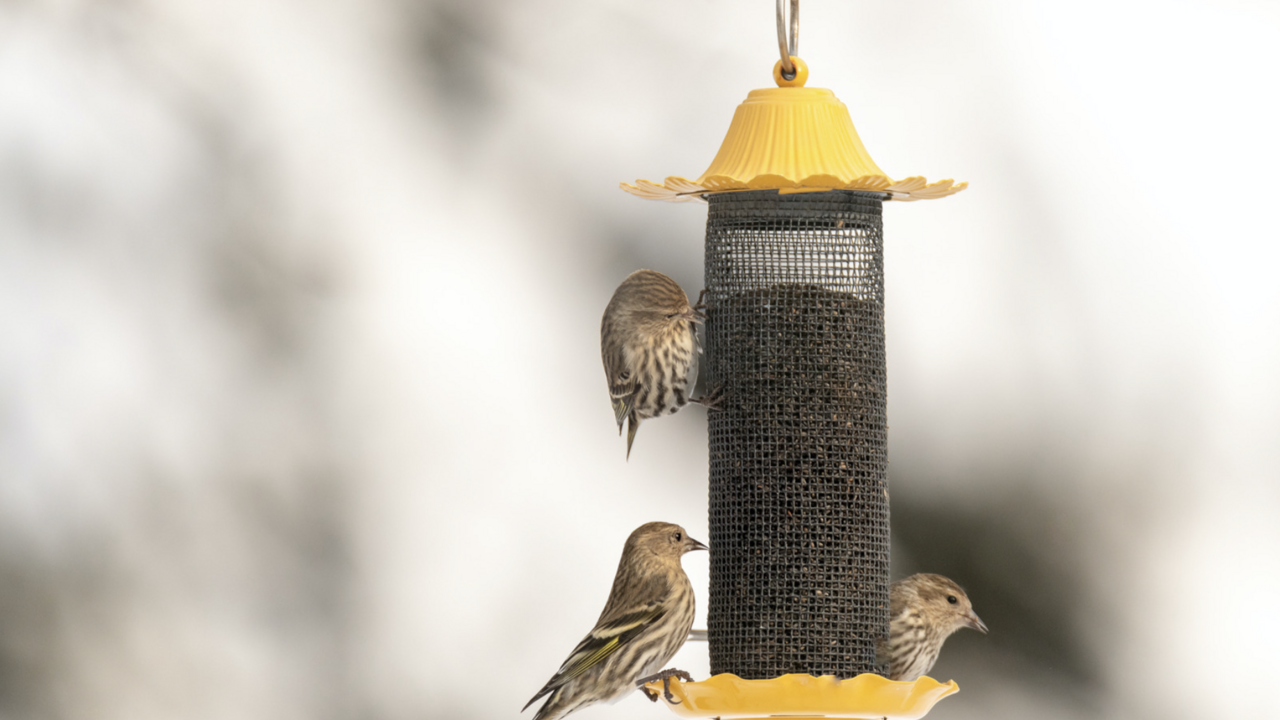
Credit: extension.msstate.edu

Credit: underatinroof.com
Frequently Asked Questions
What Materials Are Best For Building A Bird Habitat?
Use natural materials like wood, twigs, leaves, and native plants. Avoid plastics or treated wood to keep it safe and eco-friendly for birds.
How Do I Attract Birds To My Habitat?
Provide food, water, shelter, and native plants. Use bird feeders and birdbaths to encourage visits and create a welcoming environment.
Where Should I Place My Bird Habitat?
Choose a quiet, sheltered spot away from predators. Ensure it has some shade and is visible for easy birdwatching.
What Plants Support A Healthy Bird Habitat?
Plant native shrubs, trees, and flowers that offer food and shelter. Examples include berry bushes, sunflowers, and conifers.
Conclusion
Creating a bird habitat helps birds find food and shelter. It also brings nature closer to your home. Simple steps can make a big difference. Plant native flowers and provide fresh water. Avoid using harmful chemicals in your garden. Watch birds visit and enjoy their songs daily.
Small efforts grow into a safe place for birds. Start today and help protect local wildlife. Your garden becomes a peaceful spot for both you and birds. This project is rewarding and good for the environment.




