
If you’ve noticed that your bird feeder pole is squeaking, sticking, or attracting unwanted pests, it’s time to take action. Greasing your bird feeder pole is a simple step that can make a big difference.
It keeps your feeder working smoothly and helps protect the birds you love watching. In this guide, you’ll discover exactly how to grease your bird feeder pole quickly and easily. By the end, you’ll have a hassle-free setup that invites more birds to visit your yard.
Ready to learn the secret to a happier, cleaner bird feeder? Let’s dive in!
Why Grease A Bird Feeder Pole
Greasing a bird feeder pole is a simple task with big benefits. It keeps the pole working well and protects it from damage. Regular greasing saves time and money by avoiding repairs and replacements. Knowing why greasing matters helps maintain a safe and inviting spot for birds.
Preventing Rust And Corrosion
Metal poles face moisture and weather daily. Water causes rust, which weakens the pole. Grease forms a barrier against water and air. This stops rust and corrosion from forming. A well-greased pole stays strong and safe longer.
Ensuring Smooth Movement
Bird feeder poles often have moving parts. These parts can stick or squeak without lubrication. Grease reduces friction, allowing parts to move freely. Smooth movement makes adjusting or cleaning easier. It also prevents wear and tear on the pole.
Extending Pole Lifespan
Regular maintenance extends the life of any tool or equipment. Greasing prevents damage and keeps parts working well. A longer-lasting pole means fewer replacements and less waste. It helps you enjoy bird watching without interruptions.
Best Types Of Grease For Bird Feeder Poles
Choosing the right grease for bird feeder poles is key for smooth operation. Grease protects the pole from rust and wear. It also helps bird feeders spin or move without sticking. Some greases handle weather better. Others last longer or resist water well. Here are the best types of grease to keep your bird feeder pole working great.
Silicone-based Grease
Silicone-based grease works well outdoors. It stays flexible in cold or hot weather. This grease repels water and prevents rust. It does not attract dirt or dust. It is safe around birds and plants. Use silicone grease for smooth, quiet pole movement.
Lithium Grease
Lithium grease is thick and long-lasting. It protects metal parts from corrosion. This grease can handle heavy loads and pressure. It works well for bird feeder poles with moving parts. Lithium grease stays in place and resists water. It also reduces squeaking and friction.
Water-resistant Options
Water-resistant grease is perfect for rainy areas. It keeps poles dry and rust-free. These greases do not wash away easily. They create a strong barrier against moisture. Use water-resistant grease for bird feeders exposed to rain or snow. This helps poles last longer and work smoothly.
Tools And Materials Needed
Preparing to grease a bird feeder pole requires specific tools and materials. Gathering these items ensures the job is clean, safe, and effective. Each category plays a key role in the process.
Cleaning Supplies
- Soft cloth or rag to wipe off dirt and old grease
- Mild detergent or soap for removing stubborn grime
- Water bucket for rinsing the pole
- Brush with soft bristles to clean crevices
- Paper towels for drying the surface
Application Tools
- Grease suitable for outdoor metal surfaces
- Small brush or grease applicator for precise spreading
- Disposable gloves for clean handling
- Plastic scraper to remove any hardened residue
Protective Gear
- Gloves to protect hands from grease and dirt
- Safety goggles to shield eyes during cleaning
- Old clothes or apron to avoid stains
- Mask if using strong cleaning agents

Credit: feedsnneeds.ca
Preparing The Pole For Greasing
Preparing your bird feeder pole for greasing is a crucial step that ensures smooth application and long-lasting protection. Skipping this part can lead to uneven grease layers or attract dirt, which defeats the purpose of maintenance. Taking a few extra minutes to prepare the pole properly will save you from future frustrations and keep your bird feeder functioning flawlessly.
Removing The Feeder
Start by carefully detaching the bird feeder from the pole. This gives you full access to the pole’s surface and prevents grease from getting on your feeder, which could harm the birds. If your feeder is heavy or awkward, ask for help or place it on a soft surface to avoid damage.
Cleaning The Pole Surface
Next, remove dirt, old grease, and any rust from the pole. Use a stiff brush or a cloth soaked in mild detergent to scrub the surface thoroughly. Pay extra attention to joints and grooves where grime tends to build up, as these spots can block grease from spreading evenly.
Drying Thoroughly
After cleaning, dry the pole completely using a clean cloth or let it air dry in a sunny spot. Moisture left on the pole can cause the grease to clump or wash away quickly. Have you ever noticed grease sliding off a wet surface? Avoid that by making sure your pole is bone dry before applying any grease.
Step-by-step Greasing Process
Greasing a bird feeder pole keeps it working smoothly and extends its life. The process requires careful application to prevent damage or mess. Follow these clear steps to apply grease correctly. Proper greasing stops squeaks and rust while making maintenance easier.
Applying Grease Evenly
Start by choosing a suitable grease for outdoor use. Use a clean cloth or brush to spread a thin layer over the pole. Cover all areas where metal parts touch or move. Avoid applying too much grease, as it can attract dirt and pests. Even coverage ensures smooth operation and protection from moisture.
Working Grease Into Moving Parts
Move the parts gently to help grease reach all surfaces. Rotate or slide the feeder components several times. This action spreads the grease inside joints and hinges. It reduces friction and prevents wear. Ensure every moving part feels slick and free.
Wiping Off Excess
Use a clean cloth to remove any extra grease from the pole. Excess grease can drip or catch debris. Wipe carefully around sensitive areas and the base. Leaving a neat finish keeps the feeder tidy and safe for birds. Check regularly for buildup and clean as needed.

Credit: www.amazon.ca
Maintenance Tips For Bird Feeder Poles
Greasing a bird feeder pole keeps it moving smoothly and prevents rust. Apply a small amount of lubricant to the joints and wipe off any excess to avoid dirt buildup. Regular care helps extend the pole’s life and keeps your feeder stable.
Maintaining your bird feeder pole ensures it remains a welcoming spot for birds. By keeping it in top condition, you also prevent pests and prolong its life. Regular maintenance can help you enjoy birdwatching without interruptions.Regular Inspection Schedule
Check your bird feeder pole every two weeks. Look for rust, wear, or damage. Ensure all parts are secure. Tighten any loose bolts or screws. Early detection prevents bigger issues later.Cleaning Frequency
Clean your bird feeder pole monthly. Use soapy water and a cloth. Remove any dirt or bird droppings. Rinse thoroughly and let it dry. Clean feeders improve bird health and attract more visitors.Reapplying Grease
Reapply grease every three months. Use a non-toxic lubricant. Focus on the pole’s surface to deter pests. Apply a thin, even layer. This keeps squirrels and other critters away.Common Mistakes To Avoid
Applying too much grease can attract dirt and pests, causing damage. Using the wrong type of grease may harm the pole or feeder. Neglecting to clean the pole before greasing reduces effectiveness and lifespan.
Greasing your bird feeder pole can be a simple yet effective way to keep those pesky squirrels at bay. However, there are several common mistakes that many people make which can render their efforts useless. Understanding these pitfalls can help you maintain a squirrel-free bird watching experience.Using The Wrong Grease Type
Choosing the right type of grease is crucial. Some greases can harm wildlife or damage the pole material. Avoid using engine oils or any petroleum-based products, as they can be toxic to birds and small animals. Opt for a non-toxic, eco-friendly grease, such as petroleum jelly. It’s safe for both the environment and your feathered friends.Over-greasing
Applying too much grease might seem like a foolproof solution, but it can backfire. Excessive grease can drip down the pole, making a mess and potentially harming the surrounding area. A thin, even layer is usually enough to deter squirrels without creating additional problems. Think about it—would you want your backyard or garden covered in slippery residue?Neglecting Pole Cleaning
Before you apply grease, it’s essential to clean the pole. Dirt and grime can prevent the grease from adhering properly. If the pole is not clean, you may find yourself reapplying the grease more often than necessary. Take a moment to wipe down the pole with a damp cloth, ensuring a smooth surface for the grease to stick. This simple step can make all the difference in your bird feeding success. Avoiding these common mistakes can transform your bird feeding routine into a more enjoyable and hassle-free experience. Have you encountered any of these issues before? Share your thoughts and let us know how you overcame them!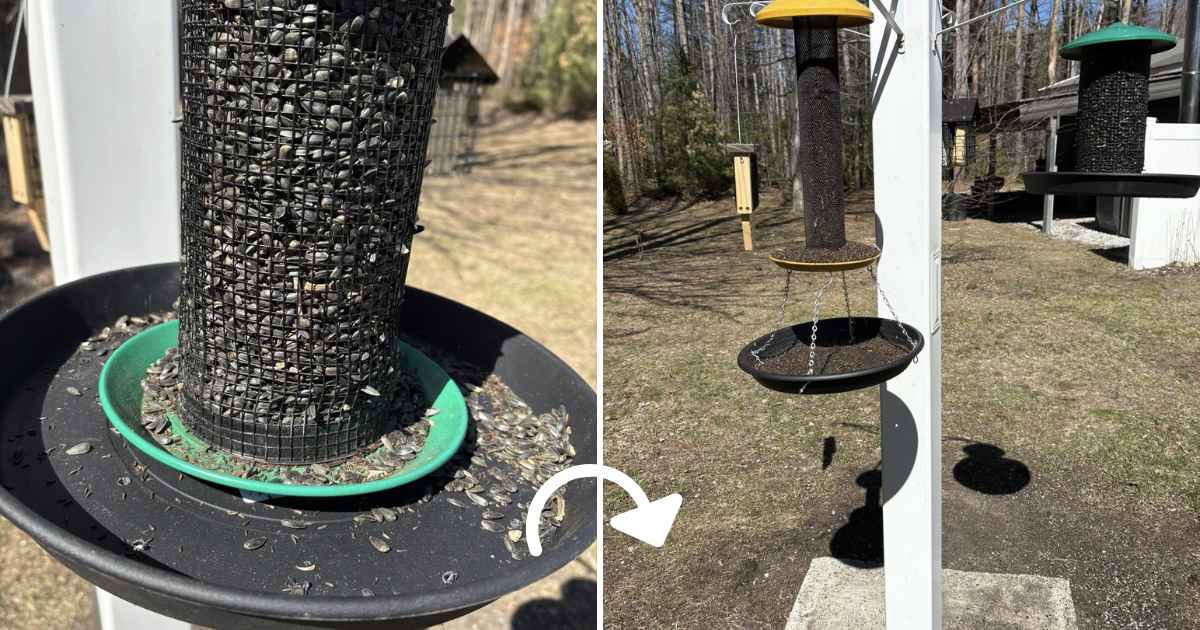
Credit: www.greenmatters.com
Frequently Asked Questions
How Often Should I Grease A Bird Feeder Pole?
Grease the bird feeder pole every 3 to 6 months. Regular greasing prevents rust and keeps squirrels away. Adjust frequency based on weather and usage.
What Type Of Grease Is Best For Feeder Poles?
Use non-toxic, waterproof grease. Silicone or lithium-based grease works well. Avoid petroleum-based grease to keep birds safe.
Can Greasing Prevent Squirrels From Climbing Poles?
Yes, greasing creates a slippery surface. This deters squirrels from climbing and accessing the feeder. It’s an effective, humane method.
How Do I Apply Grease On The Feeder Pole?
Clean the pole first. Use a cloth or brush to apply a thin, even layer of grease. Reapply when it wears off.
Conclusion
Greasing your bird feeder pole keeps birds safe and happy. It stops squirrels from climbing up and stealing food. Use the right grease and apply it carefully. Clean the pole before greasing for best results. Check the pole often and reapply grease as needed.
This simple step helps your feeder last longer. Enjoy watching birds without interruptions. Small effort, big difference. Keep your feeder pole well-greased for a peaceful bird-watching experience.




