
Have you ever wondered if bird flu could harm the birds in your own backyard? If you care about your feathered visitors or raise backyard birds, this question is more important than you might think.
Bird flu can spread quickly and cause serious problems for your birds’ health. But don’t worry—understanding how bird flu affects backyard birds can help you protect them. Keep reading to discover what you need to know to keep your backyard birds safe and healthy.
Bird Flu Basics
Understanding the basics of bird flu is essential if you keep backyard birds or simply care about their health. This knowledge helps you protect your feathered friends and spot any signs of trouble early. Let’s break down what bird flu is, the types of viruses involved, and how it spreads among birds.
What Is Bird Flu
Bird flu, also called avian influenza, is a contagious viral infection that affects birds. It mainly targets wild birds and domestic poultry like chickens and ducks. Some strains can be deadly, causing severe illness or sudden death in birds.
You might wonder if your backyard birds are at risk. The answer depends on the type of virus and the environment where your birds live.
Types Of Bird Flu Viruses
Bird flu viruses fall into two main groups based on how harmful they are:
- Low Pathogenic Avian Influenza (LPAI)– Causes mild symptoms or no symptoms at all. Birds might look healthy but still carry the virus.
- Highly Pathogenic Avian Influenza (HPAI)– Leads to severe disease and often death. This type spreads rapidly and can wipe out entire flocks.
It’s important to know which type is around your area because your response will differ. Have you checked if local wildlife or farms have reported cases recently?
How Bird Flu Spreads
Bird flu spreads mainly through direct contact with infected birds or their droppings. Contaminated water, feed, or equipment can also carry the virus. Wild migratory birds often bring the virus to new areas, unknowingly passing it to domestic birds.
Think about your backyard setup. Do your birds share water or space with wild birds? Could you improve hygiene to reduce risks?
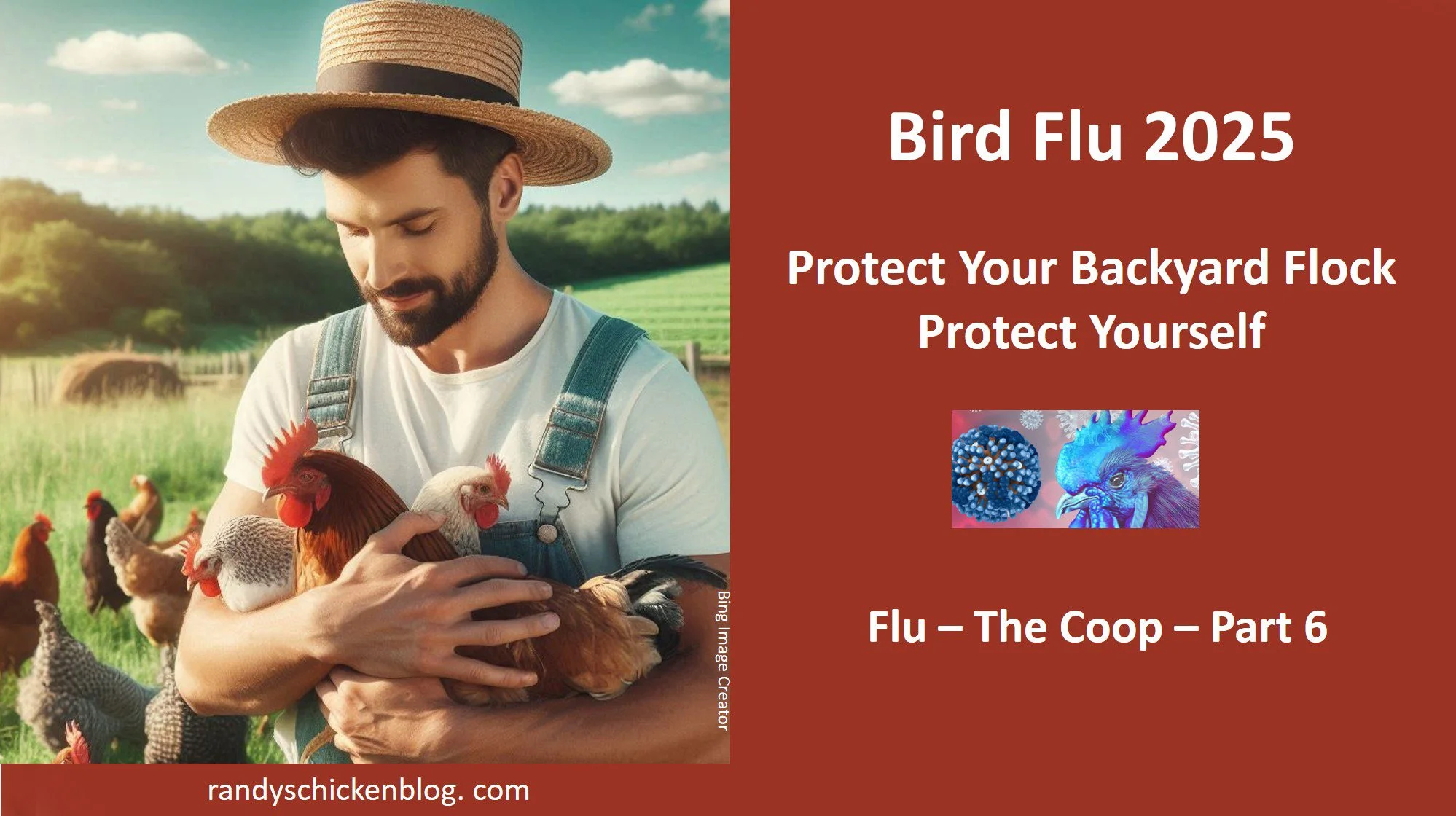
Simple steps like keeping feeders clean, limiting contact with wild birds, and monitoring your birds for signs of illness can make a big difference in preventing bird flu.
Credit: www.randyschickenblog.com
Backyard Birds At Risk
Backyard birds play an important role in local ecosystems. They add beauty and help control insects. Bird flu poses a threat to these birds, causing concern for many bird lovers. Understanding which birds are at risk helps protect them better.
Common Backyard Bird Species
Many bird species visit backyards regularly. Some of the most common include:
- House sparrows
- American robins
- Blue jays
- Cardinals
- Chickadees
- Finches
These birds often gather around feeders and water sources. Their close contact increases the chance of disease spread.
Susceptibility To Bird Flu
Bird flu can infect many wild birds, including backyard species. Birds with weaker immune systems are more vulnerable. Young birds and those stressed by weather or food shortages face higher risks.
Bird flu spreads through contact with infected birds or contaminated surfaces. Birds that feed on the ground or near water have more exposure.
Symptoms In Backyard Birds
Bird flu symptoms vary but common signs include:
- Swelling around the eyes and head
- Difficulty breathing or coughing
- Weakness and lethargy
- Loss of appetite
- Unusual droppings
Infected birds may also show poor coordination or paralysis. Early detection helps reduce the spread and protect other birds.
Transmission In Backyard Settings
Bird flu can spread quickly in backyard settings. Understanding how transmission happens helps protect your birds. The virus moves through various ways, often unnoticed. Close contact and shared environments make it easier for the flu to reach backyard birds.
Role Of Wild Birds
Wild birds often carry the bird flu virus without signs. They visit feeders, ponds, and yards, bringing the virus close. Droppings from wild birds can contaminate areas where backyard birds live. This contact creates a risk of infection for your birds.
Contaminated Feed And Water
Feed and water can harbor the virus if not kept clean. Wild birds or infected birds may leave droppings on these surfaces. Backyard birds then ingest the virus while eating or drinking. Regular cleaning and fresh supplies reduce this risk significantly.
Human Activity And Spread
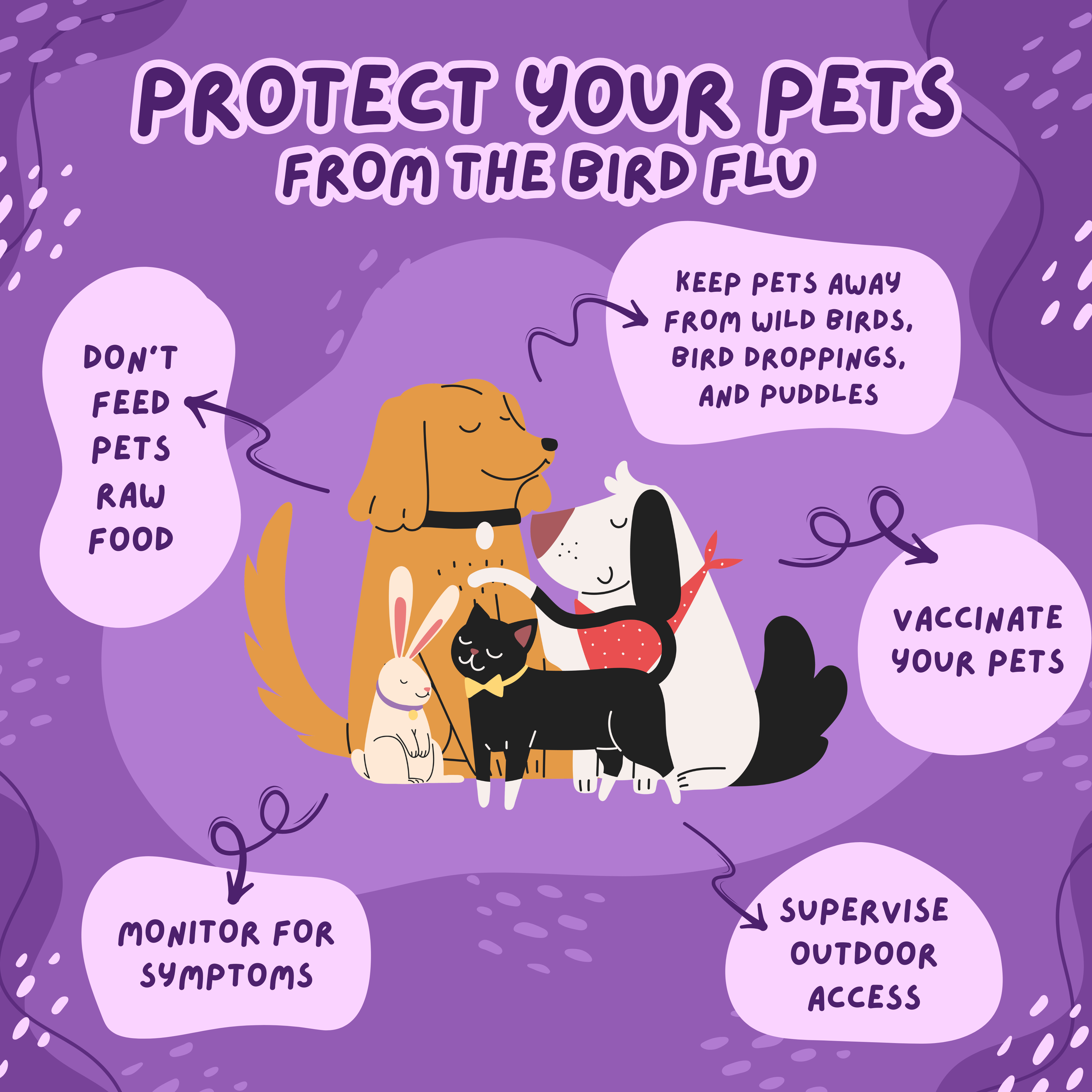
People can carry the virus on clothes, shoes, or hands. Handling infected birds or equipment spreads the virus quickly. Visitors and caretakers must follow hygiene steps to avoid transmission. Simple actions can stop the flu from entering your backyard.
Credit: www.helpinghandsforpas.org
Preventive Measures For Bird Owners
Protecting your backyard birds from bird flu requires more than just hope—it demands action. Taking preventive measures helps reduce the risk of infection and keeps your feathered friends safe. Here’s how you can actively guard your birds against this threat.
Biosecurity Practices
Keeping your bird area clean is the first step to preventing bird flu. Regularly disinfect feeders, water containers, and cages to eliminate viruses. Limit visitors and avoid contact between your birds and wild birds, which often carry diseases without showing symptoms.
Think about your own habits: do you change clothes or wash your hands before handling your birds? This simple step can stop germs from spreading. Also, quarantine any new birds for at least two weeks before introducing them to your flock to catch any hidden illnesses early.
Safe Feeding Habits
Feeding birds safely means avoiding contamination. Use feeders designed to minimize droppings and keep food dry. Clean up spilled seeds promptly to discourage wild birds and rodents, which can be carriers of bird flu.
Have you noticed if your birds share their feeding spots with wild birds? It might be time to place feeders in locations less accessible to wild birds, reducing cross-contact. Providing fresh water daily also lowers the chance of disease spreading through stagnant water.
Monitoring Bird Health
Watching your birds closely helps catch signs of illness early. Look for sudden changes in behavior, appetite, or droppings. Early detection can prevent the spread of bird flu within your flock.
Keep a simple log of your birds’ health and any unusual symptoms. If you spot anything worrying, contact a vet immediately. Remember, quick action can save lives and protect your entire flock from serious outbreaks.
Response To Outbreaks
Responding quickly to bird flu outbreaks protects backyard birds and nearby wildlife. Prompt action limits the virus spread and keeps birds safe. Clear steps follow official guidelines to manage the outbreak effectively.
Reporting And Notification
Report any sick or dead birds to local animal health authorities immediately. Early notification helps experts track and control the disease. Authorities may ask for details like bird type, number affected, and symptoms observed.
Notification triggers official investigations and advice. It also alerts neighbors and community bird owners to watch for signs. Timely reports save many birds from infection.
Quarantine Procedures
Quarantine stops the virus from spreading beyond the outbreak area. Birds and equipment within the affected zone stay isolated. No new birds enter or leave until authorities say it is safe.
Limit access to bird housing and outdoor areas. Use separate clothing and footwear when caring for birds in quarantine. This reduces the risk of carrying the virus outside the area.
Disinfection And Cleanup
Thorough cleaning removes the bird flu virus from surfaces and equipment. Use approved disinfectants on cages, feeders, and water containers. Dispose of waste safely to avoid contamination.
Clean hands and footwear after contact with birds or their environment. Regular disinfection lowers chances of re-infection or spread. Follow official guidelines for effective cleanup methods.

Credit: www.cbc.ca
Impact On Bird Populations And Humans
The impact of bird flu on bird populations and humans is significant. Bird flu, or avian influenza, affects many bird species, including backyard birds. This virus can spread quickly, leading to a decline in bird numbers. It also poses health risks to humans, especially those in close contact with infected birds. Understanding its effects and available treatments is crucial for bird owners and enthusiasts.
Effect On Backyard Bird Numbers
Bird flu can reduce backyard bird numbers significantly. Infected birds often die quickly from the virus. This leads to fewer birds visiting gardens and feeders. Bird flu outbreaks can also cause fear among bird enthusiasts. Many may stop feeding birds to avoid spreading the virus further.
Risks To Human Health
Humans can contract bird flu through contact with infected birds. Symptoms in humans include fever, cough, and sore throat. Severe cases can lead to pneumonia or respiratory failure. People with weakened immune systems are more at risk. It’s important to handle birds with care to avoid infection.
Vaccination And Treatment Options
Vaccination options for birds are limited but crucial. Vaccines can protect birds from severe symptoms. Treatment for infected birds often involves supportive care. For humans, antiviral medications can help if taken early. It’s essential to consult a health professional if exposure is suspected.
Frequently Asked Questions
Can Backyard Birds Catch Bird Flu?
Yes, backyard birds can catch bird flu. The virus spreads through direct contact with infected birds or contaminated surfaces. It is essential to monitor your birds and maintain cleanliness to reduce risks.
What Are Bird Flu Symptoms In Backyard Birds?
Bird flu symptoms include sudden death, coughing, sneezing, swollen eyes, and loss of appetite. Infected birds may also show lethargy and watery diarrhea.
How Can I Protect My Backyard Birds From Bird Flu?
To protect birds, avoid contact with wild birds, keep feeders clean, and quarantine new birds. Regularly disinfect birdhouses and provide fresh water to prevent infection.
Is Bird Flu Dangerous To Humans From Backyard Birds?
Bird flu rarely spreads to humans from backyard birds. However, close contact with sick birds or their droppings can pose a small risk. Use protective gear when handling birds showing symptoms.
Conclusion
Bird flu can affect backyard birds and cause serious illness. It spreads through contact with wild birds or contaminated surfaces. Watching your birds closely helps spot signs early. Keeping feeders clean and limiting wild bird contact reduces risk. Protecting backyard birds helps keep your flock healthy and safe.
Stay aware and take simple steps to prevent bird flu. Your care matters in stopping the disease spread.




