
Have you ever wondered if those bird feeders in your yard might be inviting more than just birds? If you enjoy watching feathered friends up close, you probably want to keep your space safe and peaceful.
But what if your bird feeder is actually attracting bears? This can be a real concern, especially if you live near wooded areas. Keep reading to discover why bird feeders might draw in bears, what risks this poses, and how you can protect your home and wildlife without giving up your love for birdwatching.
Your safety and the well-being of the animals depend on knowing the facts.
How Bird Feeders Attract Wildlife
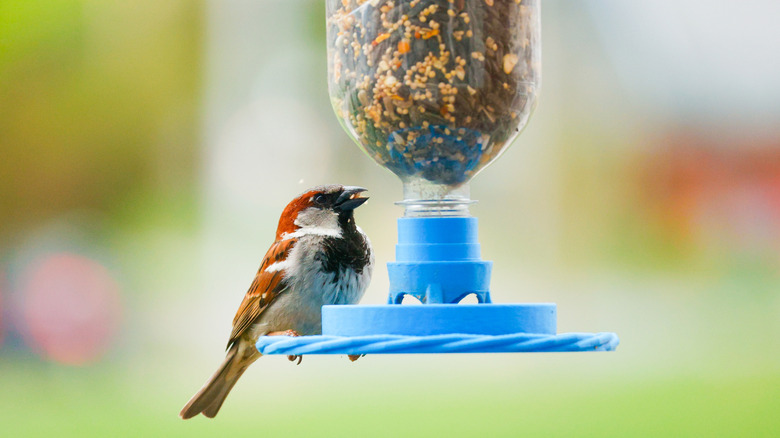
Bird feeders offer more than a simple treat for birds. They also attract various wildlife to your yard. Animals are drawn by easy access to food and the smells that feeders create. This can include small mammals and sometimes larger animals like bears. Understanding how bird feeders attract wildlife helps manage and enjoy your garden safely.
Types Of Food That Draw Animals
Different foods appeal to different animals. Seeds, nuts, and suet attract many small birds and squirrels. Fruits and sweet nectar draw hummingbirds and some mammals. High-fat foods like peanuts and sunflower seeds are very tempting to larger animals.
- Sunflower seeds attract birds and squirrels
- Peanuts lure chipmunks and raccoons
- Suet cakes draw woodpeckers and bears
- Fruit pieces can bring deer and bears
Animals follow the scent and taste of these foods. This leads them to feeders and sometimes to your property.
Bird Feeders As Food Sources
Bird feeders provide a reliable food source all year. This constant supply makes feeders hotspots for wildlife activity. Animals learn to visit feeders for easy meals. In cold months, feeders become crucial for some species. This consistent food can encourage animals to stay nearby longer than usual.
Because of this, feeders may attract unwanted visitors like bears. Bears have a strong sense of smell and can detect food from far away. Feeders with fatty or sugary foods are especially attractive. They may visit your yard looking for an easy meal. Understanding this helps in placing and managing feeders safely.
Credit: www.outdoorguide.com
Bears And Their Food Habits
Bears are smart animals with diverse eating habits. Their diet changes based on the environment and season. Understanding what bears eat helps explain why they visit certain places, like near bird feeders.
Bear Diet Preferences
Bears eat a wide range of foods. They like plants, fruits, nuts, insects, and small animals. Many bears enjoy sweet foods, such as berries and honey. Some bears also eat fish or meat when they find it. Their diet depends on what is easy to find and tastes good to them.
Seasonal Changes In Bear Foraging
Bears change their food choices with the seasons. In spring, they eat fresh plants and insects. Summer offers plenty of berries and fruits. In fall, bears focus on nuts and seeds to store fat for winter. During winter, bears mostly hibernate and eat little or no food. These changes affect how often bears search for food near homes or feeders.
Do Bears Visit Bird Feeders?
Bears are curious animals and often explore areas with easy food sources. Bird feeders can attract bears because of the seeds, suet, and other tasty treats they contain. Understanding if bears visit bird feeders helps protect both wildlife and property.
Incidents And Reports
Bears have been spotted near bird feeders in many regions. Homeowners often report feeders being knocked down or emptied overnight. Some bears climb trees or poles to reach feeders. These incidents show bears seek out high-calorie food in bird feeders.
Reports come mostly from areas close to bear habitats. Black bears are the most common visitors. People notice damage to feeders and sometimes nearby plants. These encounters can be dangerous for both bears and humans.
Factors That Lure Bears
- Strong smells from seeds and suet attract bears.
- Easy access to feeders without barriers or protection.
- Scarce natural food during dry or cold seasons.
- Feeding habits of birds that spill seeds on the ground.
- Quiet and undisturbed locations where bears feel safe.
Bird feeders offer a reliable food source for hungry bears. This makes them more likely to visit and stay nearby. Taking precautions can reduce bear visits and protect your feeders.

Credit: www.birdsandblooms.com
Risks Of Feeding Bears Unintentionally
Bird feeders can attract more than just birds. Bears often find these feeders and come searching for food. This can lead to serious risks for both humans and bears. Feeding bears without meaning to can cause problems in many ways. Understanding these risks helps keep everyone safe.
Safety Concerns For Humans
Bears visiting bird feeders can be dangerous. Bears are strong and unpredictable. They may become aggressive if they feel threatened or cornered. Close encounters can lead to injuries or worse. People may try to scare bears away, which can provoke attacks. Children and pets are especially at risk near feeders. Food left outside invites bears closer to homes. This increases the chance of a sudden bear encounter. Keeping feeders away from living areas reduces these risks.
Impact On Bear Behavior
Bears that find easy food from feeders change their natural habits. They become less afraid of humans. This can make them bold and more likely to enter neighborhoods. Bears may stop foraging for wild food. They grow dependent on human food sources. This leads to unhealthy diets and poor nutrition. Habituated bears often cause property damage. Wildlife officials may have to remove or euthanize these bears. Feeding bears unintentionally disrupts their natural lifestyle and survival skills.
Preventing Bear Visits To Bird Feeders
Bears are curious and strong animals attracted to easy food sources. Bird feeders can unintentionally become a target for hungry bears. Preventing bear visits helps protect both birds and bears. It keeps your yard safe and preserves natural bear behavior.
Simple changes in feeder placement and using special feeders can reduce bear visits. These steps help maintain a peaceful space for bird watching without unwanted wildlife encounters.
Bird Feeder Placement Tips
- Place feeders at least 10 feet away from trees or structures.
- Hang feeders 5 feet above the ground to limit bear access.
- Keep feeders away from your home’s walls or fences.
- Clear fallen seeds or shells regularly to avoid attracting bears.
- Remove feeders during bear active seasons, like spring and summer.
Bear-resistant Feeding Solutions
- Use feeders designed with weight-sensitive mechanisms that close for heavy animals.
- Select metal or heavy-duty feeders that bears cannot break easily.
- Install feeders on poles with bear baffles to block climbing.
- Choose seed blends less attractive to bears, such as safflower seeds.
- Consider automatic feeders that retract when not in use.

Credit: www.birdsandblooms.com
Alternatives To Traditional Bird Feeders
Traditional bird feeders can attract unwanted visitors like bears. Bears are drawn to the smell of bird seed. This can lead to safety concerns for both bears and people. To enjoy birdwatching without the risks, consider alternatives to traditional feeders.
Feeding Birds Safely
Choose plants that provide natural food sources. Native plants offer seeds, berries, and nectar. They attract birds without the risk of attracting bears. Sunflowers, coneflowers, and berry bushes are excellent choices. These plants also add beauty to your garden.
Another safe method is using bird baths. Fresh water attracts birds and keeps them hydrated. Ensure water sources are kept clean to prevent disease. This way, you support local wildlife without enticing bears.
Creating Bear-free Birdwatching Areas
Make your yard less appealing to bears. Remove any potential food sources. Secure garbage bins and compost piles. Store pet food indoors and clean barbecue grills. These steps help maintain a bear-free zone.
Install bird feeders that are bear-resistant. Use models that close when weight is applied. Hang feeders at least 10 feet off the ground. This makes it difficult for bears to reach them. By taking precautions, you can create a safe environment for birdwatching.
Frequently Asked Questions
Do Bird Feeders Attract Bears To Backyards?
Yes, bird feeders can attract bears as they contain seeds and nuts. Bears are drawn by the scent and easy food source. It is important to use bear-resistant feeders or remove feeders during bear active seasons to avoid unwanted visits.
Why Are Bears Attracted To Bird Seed?
Bears find bird seed high in calories and nutrients. The scent of seed can travel far and lure bears looking for food. Bird seed is an easy, reliable food source, especially during spring and summer when bears are active.
How Can I Keep Bears Away From Bird Feeders?
To keep bears away, use bear-proof feeders or hang feeders at least 10 feet high. Remove feeders at night or during bear season. Clean spilled seeds regularly to avoid attracting bears and other wildlife to your yard.
Are All Bird Feeders Equally Attractive To Bears?
No, feeders with seeds high in oil and fat attract bears more. Suet feeders and feeders with nuts are particularly enticing. Tube feeders with small seeds are less likely to attract bears compared to platform feeders.
Conclusion
Bird feeders can attract bears, especially in areas where bears live nearby. Bears are curious and follow food smells easily. Placing feeders close to homes might invite unwanted visits. Keeping feeders clean and removing spilled seeds helps reduce bear attraction.
Using bear-proof feeders is a smart choice for safety. Remember, protecting wildlife means keeping both bears and people safe. Always stay alert and take simple steps to avoid bear encounters around your yard. Safe bird watching is possible with careful planning and respect for nature.




