
Have you ever wondered if putting up a bird feeder is actually helping or hurting the birds you want to attract? You might think it’s a simple way to enjoy nature right outside your window, but there’s more to the story.
What if your good intentions are causing unexpected problems for the birds or even your garden? Before you fill that feeder, keep reading to discover the surprising truths about bird feeders—and find out if they’re really a good idea for your backyard.
Benefits Of Bird Feeders
Bird feeders offer more than just a way to watch feathered visitors from your window. They play a significant role in supporting your local environment, providing hands-on learning moments, and adding charm to your outdoor space. Understanding these benefits can help you decide if a bird feeder fits into your lifestyle and garden goals.
Supporting Local Wildlife
Bird feeders provide a reliable food source, especially during harsh weather or scarce seasons. This support can help maintain bird populations around your home, giving species a better chance to thrive. By choosing the right seeds and keeping feeders clean, you contribute directly to the well-being of your neighborhood’s wildlife.
Educational Opportunities
Having a bird feeder turns your garden into a live classroom. You can observe different bird species, their behaviors, and feeding habits up close. This hands-on experience is perfect for children and adults alike, sparking curiosity and encouraging a deeper understanding of nature.
Enhancing Garden Beauty
Bird feeders attract colorful birds that bring movement and life to your garden. Their presence adds natural decoration and creates a peaceful atmosphere. Plus, watching birds can be a relaxing way to unwind after a busy day, right in your own backyard.
Common Risks To Birds
Feeding birds can feel like a wonderful way to connect with nature right outside your window. However, there are some common risks to birds that you should keep in mind if you want to make your bird feeder a safe spot rather than a hazard. Understanding these risks helps you decide how to feed birds responsibly and protect their health.
Disease Transmission
Bird feeders can unintentionally become hotspots for spreading diseases among birds. When many birds gather in one place, germs and parasites pass easily from one to another through spilled seeds, droppings, and close contact.
Dirty feeders especially increase this risk. You might notice sick birds around feeders if you don’t clean them regularly. To reduce disease spread, clean your feeders every two weeks with a mild bleach solution and rinse well.
Predator Attraction
Feeding birds can attract more than just feathered friends. Predators like cats, squirrels, and even hawks may be drawn to your feeder, putting birds at risk.
Once, I placed a feeder near a bush, and soon after, a neighborhood cat was lurking nearby daily. Moving the feeder to an open area helped birds spot danger early and escape quickly.
Consider placing feeders where birds have clear views and escape routes. You can also use baffles or other deterrents to keep predators away.
Nutritional Concerns
Not all bird food is healthy for every species. Offering the wrong seeds or processed mixes can lead to poor nutrition or dependence on unnatural food sources.
Some common mistakes include feeding only sunflower seeds or bread, which lack the variety birds need. Instead, offer a mix suited to the birds in your area, like nyjer for finches or suet for woodpeckers.
Have you checked if your feeder’s food matches the birds visiting? Adjusting what you offer can improve their health and encourage a wider range of species.
Environmental Impact
Bird feeders might seem like a simple way to help local wildlife, but their environmental impact deserves careful thought. Feeding birds can change how they interact with their natural surroundings in ways you might not expect. Understanding these effects can help you make better choices for both the birds and the environment.
Disrupting Natural Feeding Habits
Providing easy food sources at feeders can cause birds to rely less on their natural foraging skills. This shift might make them less prepared to find food during harsher seasons or in the wild. Over time, this dependency can weaken their survival instincts, especially for young birds learning to feed.
I once noticed my backyard finches spending more time at the feeder than searching for insects or seeds. It made me wonder if I was unintentionally making them less self-sufficient. Have you observed similar changes in bird behavior around your feeders?
Impact On Bird Migration Patterns
Bird feeders can also influence migration patterns by providing abundant food in areas where birds would normally move on. Some species may delay their migration or stay year-round if food is readily available. This change can affect ecosystems both where the birds stay and where they would have naturally traveled.
While feeding birds can be rewarding, consider how it might alter their natural rhythms. Could your feeder be encouraging birds to ignore the signals that usually guide their long journeys? Reflecting on this can help you decide how and when to feed responsibly.

Credit: www.cbc.ca
Proper Bird Feeder Maintenance
Proper bird feeder maintenance is essential for the health of birds and the enjoyment of birdwatchers. Clean feeders prevent disease and keep birds safe. Regular care also extends the feeder’s life and keeps the area tidy.
Maintaining feeders is simple with the right steps. It takes a little time but makes a big difference for birds visiting your yard.
Cleaning Techniques
Clean bird feeders every two weeks or more often in wet weather. Use warm water and mild soap to scrub all parts. Rinse well to remove soap residue. Let feeders dry completely before refilling. Avoid harsh chemicals that can harm birds.
Use a brush to reach small holes and corners. Soak feeders in a solution of one part bleach to nine parts water for 10 minutes to kill germs. Rinse thoroughly and dry. Clean the area around the feeder too, to stop mold and bacteria growth.
Safe Feeding Practices
Place feeders away from places where cats or predators can hide. Keep feeders high enough to avoid pests like squirrels. Use squirrel-proof feeders if needed. Remove old or wet seed quickly to prevent mold.
Offer fresh food suited to local birds. Avoid feeding bread or junk food. Provide fresh water nearby for drinking and bathing. Monitor feeders daily to catch problems early.
Alternatives To Traditional Feeders
If you’re questioning whether traditional bird feeders are the best choice, it’s worth considering some alternatives that support birds naturally and safely. These options not only attract birds but also encourage healthier behaviors and environments. They can reduce risks like disease spread and dependency on humans.
Natural Habitat Gardening
Creating a garden that mimics a bird’s natural habitat is one of the most effective ways to support local wildlife. Plant native trees, shrubs, and flowers that produce seeds, berries, and nectar birds love.
By doing this, you provide food sources without artificial feeders. Plus, natural plants offer shelter and nesting spots, which feeders alone can’t supply. Have you ever noticed how birds linger longer in areas with diverse plant life?
Providing Fresh Water Sources
Birds need water for drinking and bathing, and a clean water source attracts many species. Instead of relying on a feeder, try adding a birdbath or shallow water dish in your yard.
Keep it filled with fresh water and clean it regularly to avoid harmful bacteria. Even a small water feature can invite a variety of birds and help them stay healthy during dry periods. When was the last time you saw a bird eagerly splash in a bath?
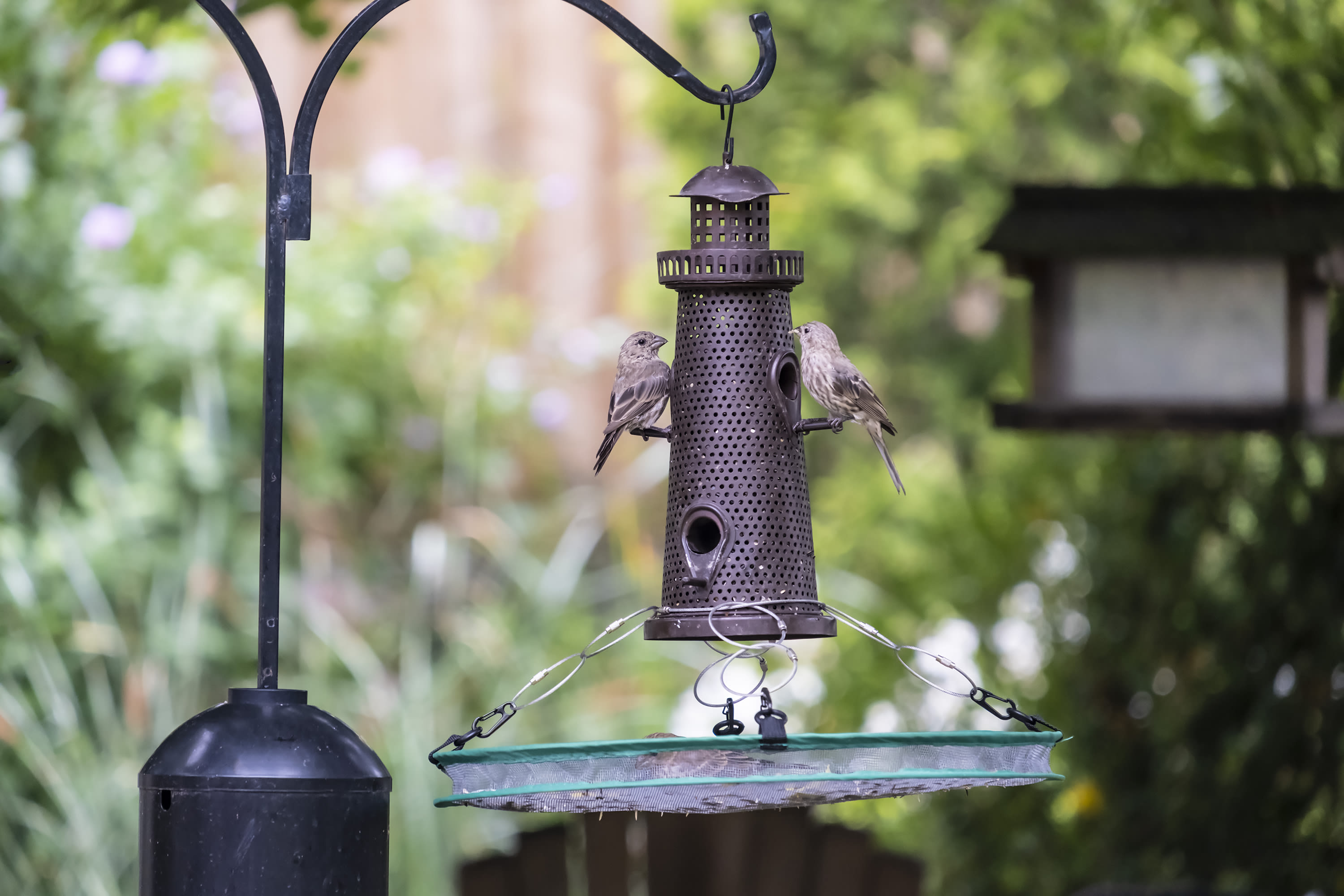
Credit: dengarden.com
Balancing Benefits And Risks
Bird feeders can attract diverse wildlife, offering birdwatching enjoyment. Yet, they may also pose risks like spreading disease or attracting predators. Balancing these benefits and risks is essential for maintaining a healthy ecosystem in your backyard.
Balancing the benefits and risks of bird feeders is crucial. Bird feeders provide essential food, especially in urban areas. They attract beautiful birds, offering joy and educational opportunities. Yet, feeders can also cause problems. They might spread diseases or attract predators. Understanding the balance can help support wildlife effectively.Tips For Responsible Bird Feeding
Providing food for birds can be rewarding. Follow these tips for safe feeding:- Keep feeders clean. Dirty feeders spread disease.
- Use quality seeds. Cheap seeds might contain harmful fillers.
- Place feeders at safe distances. Avoid areas near predators.
- Offer a variety of food. Different birds have different needs.
- Remove uneaten food. Prevent mold and pests.
When To Avoid Using Feeders
Certain situations call for not using feeders. They include:- If there’s a local disease outbreak. Feeders can worsen it.
- During nesting season. Natural feeding is more beneficial.
- In areas with high predator activity. Safety comes first.
- If you’re unable to maintain them. Neglected feeders do harm.
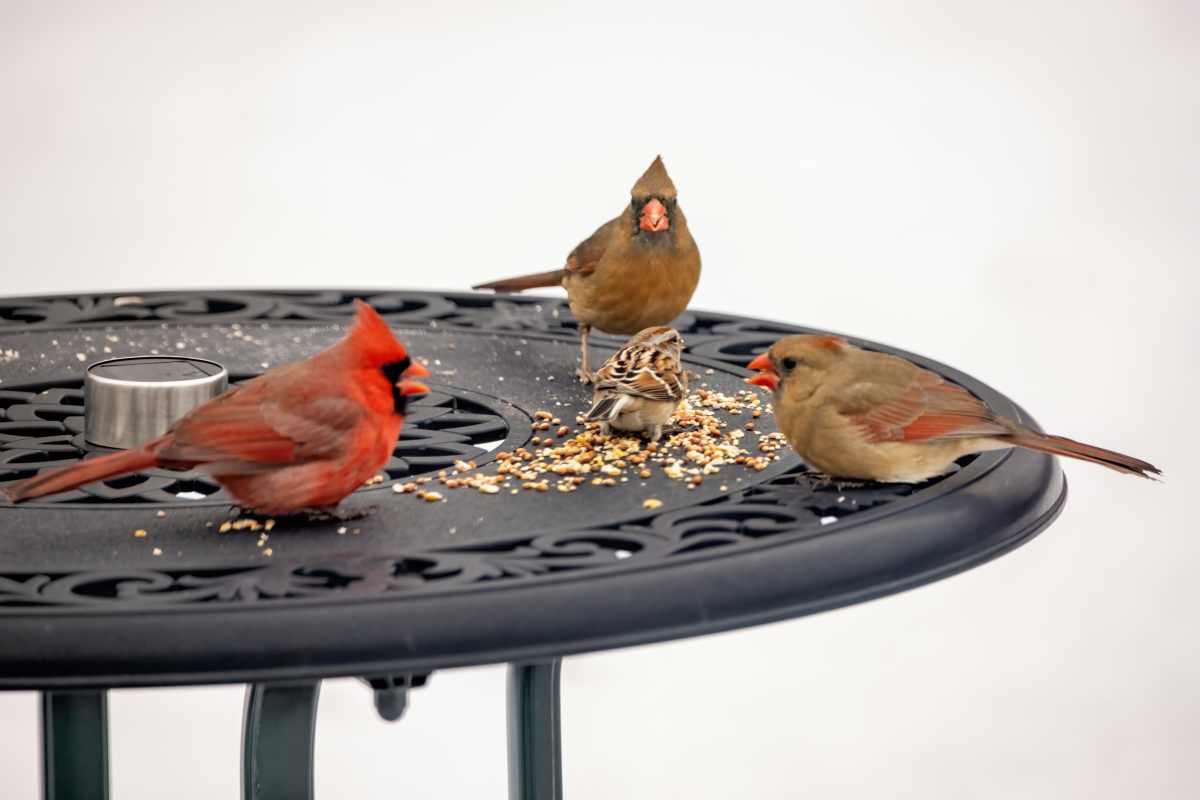
Credit: www.greenmatters.com
Frequently Asked Questions
Are Bird Feeders Harmful To Wild Birds?
Bird feeders can sometimes spread diseases if not cleaned regularly. However, with proper maintenance, they provide safe food and support bird populations during scarce seasons.
Do Bird Feeders Attract Unwanted Pests Or Predators?
Yes, bird feeders may attract squirrels, rats, or predators. Using squirrel-proof designs and placing feeders away from hiding spots reduces these risks effectively.
Can Bird Feeders Disrupt Natural Bird Behavior?
Feeding birds may alter their natural foraging habits. Yet, when feeders supplement natural food, they generally cause minimal disruption to bird behavior.
How Often Should Bird Feeders Be Cleaned?
Clean bird feeders every two weeks or more often in wet weather. Regular cleaning prevents mold, bacteria, and disease spread among visiting birds.
Conclusion
Bird feeders can bring joy but also challenges. They attract birds but may invite pests. Clean feeders often to keep birds safe. Choose feeders wisely and place them carefully. Watching birds can brighten your day. Weigh the pros and cons before starting.
Care and attention make bird feeding better. Enjoy nature while keeping it healthy and safe.




