
Are you curious about which Toyota models offer the Birds Eye View feature? Imagine having a clear, 360-degree view around your car, making parking and tight maneuvers easier and safer.
This advanced camera system can be a game-changer for your driving experience. You’ll discover exactly which Toyotas come with this smart technology and how it can help you feel more confident behind the wheel. Keep reading to find out if your next Toyota could give you this powerful advantage.
Birds Eye View Technology
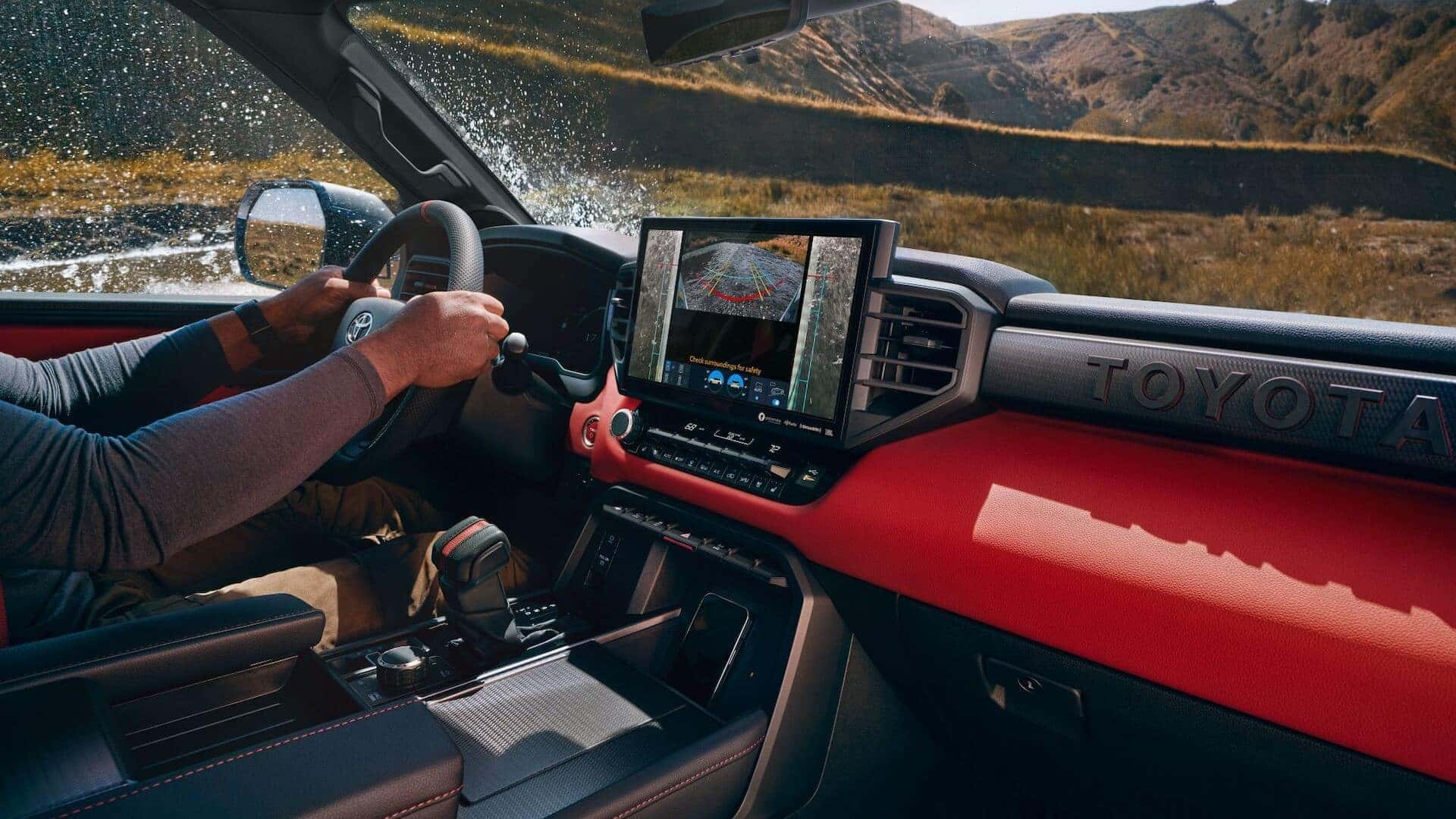
Birds Eye View technology helps drivers see all around their vehicle. It uses cameras to show a top-down view.
This technology improves safety and makes parking easier. Some Toyota models come with this feature.
How 360° Vision Works
360° vision uses multiple cameras placed around the car. These cameras capture images from different angles.
The system combines these images into one clear view. This shows the area around the car from above.
- Front camera shows what is ahead
- Rear camera shows what is behind
- Side cameras cover blind spots
- Software stitches images together
- Displays a complete view on the screen
Benefits Of Surround View Cameras
Surround view cameras help drivers park safely in tight spaces. They reduce the risk of hitting objects.
This technology also helps when driving in busy areas. It gives a better view of pedestrians and other vehicles.
- Improves parking accuracy
- Reduces blind spots
- Increases safety for pedestrians
- Helps avoid collisions
- Makes driving in narrow spaces easier
Toyota Models Featuring Birds Eye View
Birds Eye View is a camera system that shows a 360-degree view around the vehicle. It helps drivers park and avoid obstacles.
Many Toyota models offer this feature to improve safety and convenience. It is available in different vehicle types.
Compact Cars
Some compact Toyota cars include Birds Eye View as an option or standard feature. This helps in tight city parking.
The Toyota Corolla is a popular compact car with this technology in higher trims. It gives a clear view around the car.
- Toyota Corolla (select trims)
- Toyota Prius (higher trims)
Suvs And Crossovers
Toyota SUVs and crossovers often include Birds Eye View for better visibility. It helps drivers manage bigger vehicles.
Models like the RAV4 and Highlander offer this feature to assist with parking and navigating tight spaces.
- Toyota RAV4 (higher trims)
- Toyota Highlander
- Toyota Venza
- Toyota 4Runner (select trims)
Trucks And Larger Vehicles
Toyota trucks and larger SUVs use Birds Eye View to improve safety. It helps with trailer hookups and parking.
The Toyota Tacoma and Tundra feature this system in some trims. It gives a clear view around these bigger vehicles.
- Toyota Tacoma (selected trims)
- Toyota Tundra
- Toyota Sequoia
Trim Levels Offering 360° Vision
Some Toyota models come with a birds eye view or 360° camera system. This feature helps drivers see all around the car. It improves safety and parking ease.
Not all trims include this feature. Some offer it as standard, while others offer it as an option. Let’s look at which trims provide this view.
Standard Vs. Optional Packages
Birds eye view cameras may come standard or as part of an optional package. The availability depends on the Toyota model and trim. Some trims have it included, but others require adding a tech or safety package.
- Entry-level trims rarely have 360° vision standard.
- Mid-level trims may offer it in an optional package.
- Higher trims often include it as a standard feature.
- Packages that add the feature usually include other safety tech.
Luxury And Premium Trims
Luxury and premium trims of Toyota vehicles usually come with birds eye view cameras included. These trims focus on comfort and advanced technology.
| Model | Luxury Trim Name | 360° Vision Availability |
| Toyota RAV4 | Limited | Standard |
| Toyota Highlander | Platinum | Standard |
| Toyota Camry | XSE V6 | Optional Package |
| Toyota Sienna | Platinum | Standard |
| Toyota Venza | Limited | Standard |
Credit: www.toyotaofnorthcharlotte.com
Comparing Toyota’s 360° Vision To Competitors
Many car makers offer bird’s eye view cameras for parking help. Toyota calls its system 360° Vision. It shows a full view around the car.
This article compares Toyota’s 360° Vision with other brands. We look at how the technology works and how easy it is to use.
Technology Differences
Toyota uses four cameras placed around the car. These cameras create a combined top-down view. The system helps drivers see blind spots and obstacles.
Competitors like Nissan and Honda also use four-camera systems. Some brands add extra sensors for better detection. Toyota focuses on clear image stitching and real-time updates.
- Toyota’s 360° Vision uses high-resolution cameras.
- It updates the image quickly to match car movement.
- Competitors may use wider angle lenses for bigger views.
- Some brands include night vision or cross-traffic alerts.
User Experience
Drivers find Toyota’s system easy to use. The images are clear and easy to understand. The system activates automatically when parking or reversing.
Other brands may need manual activation or have more complex menus. Toyota keeps the screen layout simple. This helps drivers focus on the road and parking area.
- Toyota shows a clear top-down view with simple controls.
- Competitors sometimes add extra views like front or side cameras.
- Toyota’s system is quick to respond to car movements.
- Some brands offer more settings but with steeper learning curves.
Installation And Aftermarket Options
Birds eye view camera systems offer a wide view around a vehicle. Some Toyota models come with this system from the factory. Others can add it later with aftermarket parts. Installation and options vary depending on the choice.
This guide explains factory versus aftermarket systems. It also covers cost and compatibility details. This helps Toyota owners decide the best fit for their needs.
Factory Vs. Aftermarket Systems
Toyota installs birds eye view systems in some models like the Highlander and RAV4. These factory systems link directly to the car’s display and sensors. They offer smooth operation and full integration.
Aftermarket systems come as kits with cameras and control units. They fit many Toyota models but need professional installation. These systems may not work perfectly with all car electronics.
- Factory systems offer full integration with vehicle software.
- Aftermarket kits vary in quality and features.
- Installation time is shorter for factory options.
- Aftermarket installation may require extra wiring and parts.
Cost And Compatibility
Factory birds eye view cameras add to the car’s price or come with higher trims. Aftermarket options cost less but vary in price by brand and features. Compatibility depends on the Toyota model and year.
| System Type | Average Cost | Compatible Models | Installation |
|---|---|---|---|
| Factory | $800 – $1,500 | Highlander, RAV4, Camry (selected trims) | Dealer or factory installation |
| Aftermarket | $300 – $900 | Most Toyota models (check fitment) | Professional or DIY installation |
Credit: www.shopcolonialtoyota.com
Maintenance And Troubleshooting
Many Toyota models come with a Birds Eye View camera system. This system helps drivers see all sides of their vehicle. Proper care keeps it working well and avoids problems.
Maintaining the system involves regular checks and cleaning. Troubleshooting helps fix common issues quickly without extra cost.
Common Issues
Some common problems with the Birds Eye View system include blurry images, no video display, and sensor errors. These can happen due to dirt, software glitches, or hardware faults.
- Dirty or blocked cameras reduce image quality.
- Software updates may fix bugs causing display problems.
- Loose wiring can stop the system from working.
- Faulty sensors may give wrong signals to the system.
Tips For Longevity
Following simple steps can extend the life of your Birds Eye View system. These tips help keep the cameras and sensors in good shape.
| Maintenance Task | Frequency | Benefit |
| Clean cameras and sensors | Weekly | Clear images and accurate signals |
| Check wiring connections | Monthly | Prevent power loss and errors |
| Update system software | As updates release | Fix bugs and improve function |
| Avoid harsh impacts | Always | Protect hardware components |

Credit: www.reddit.com
Frequently Asked Questions
Which Toyota Models Feature Birds Eye View Cameras?
Toyota models like the Highlander, RAV4, and Sienna often include Birds Eye View cameras. Availability varies by trim and year. This feature enhances parking safety by providing a 360-degree view around the vehicle.
How Does Toyota’s Birds Eye View Camera System Work?
Toyota’s Birds Eye View system uses multiple cameras around the vehicle. It stitches images together to create a 360-degree bird’s eye perspective. This helps drivers see blind spots and park more easily.
Is Birds Eye View Standard On All Toyota Suvs?
No, Birds Eye View is usually available on higher trims of Toyota SUVs. It’s not standard on all models. Check specific trims and packages for inclusion of this feature.
Can Birds Eye View Improve Driving Safety In Toyota Cars?
Yes, Birds Eye View enhances safety by showing obstacles and surroundings clearly. It reduces parking accidents and blind spot risks. This makes driving and parking safer and more confident.
Conclusion
Toyota offers several models with the Birds Eye View. These models enhance safety and convenience. They provide a complete view around the car. This feature is popular in the Toyota RAV4 and Highlander. Camry and Avalon also include this advanced technology.
It helps drivers park easily and avoid obstacles. Always check the latest models for updates. Toyota continues to innovate and improve. Choosing the right model depends on your needs. Compare features and prices before deciding. Consider this technology for a safer driving experience.




