
Have you ever wondered where birds really feel at home? Understanding a bird’s habitat is like unlocking a secret world filled with trees, water, and skies that shape their lives every day.
Your curiosity about where birds live and thrive can take you closer to nature and help you see these amazing creatures in a whole new light. Keep reading, and you’ll discover what makes a bird’s habitat special—and why it matters to you and the world around you.

Credit: smallfarms.cornell.edu
Bird Habitats Around The World
Birds live in many places across the world. Each bird species chooses a habitat that suits its needs. Habitats provide food, shelter, and safety for birds. Different habitats support different types of birds. Understanding bird habitats helps protect these amazing creatures.
Forests And Woodlands
Forests have many trees and plants. Birds here find plenty of food and places to nest. Woodpeckers, owls, and songbirds live in forests. These habitats offer shade and protection from predators.
Wetlands And Marshes
Wetlands are watery areas like swamps and marshes. Birds such as herons, ducks, and cranes thrive here. Wetlands provide rich food sources like fish and insects. These areas are vital for many migratory birds.
Grasslands And Savannas
Grasslands are open areas covered with grass. Savannas have scattered trees and shrubs. Birds like larks, hawks, and bustards live in these wide spaces. These habitats offer good hunting grounds and nesting spots.
Deserts And Arid Regions
Deserts are dry and hot places with little water. Some birds like roadrunners and sandgrouse adapt well here. They find shelter in rocks and bushes. These birds survive on seeds and small animals.
Urban And Suburban Areas
Birds also live near humans in cities and towns. Pigeons, sparrows, and crows are common in these areas. They use buildings for nesting and find food easily. Urban habitats show how birds can adapt to change.
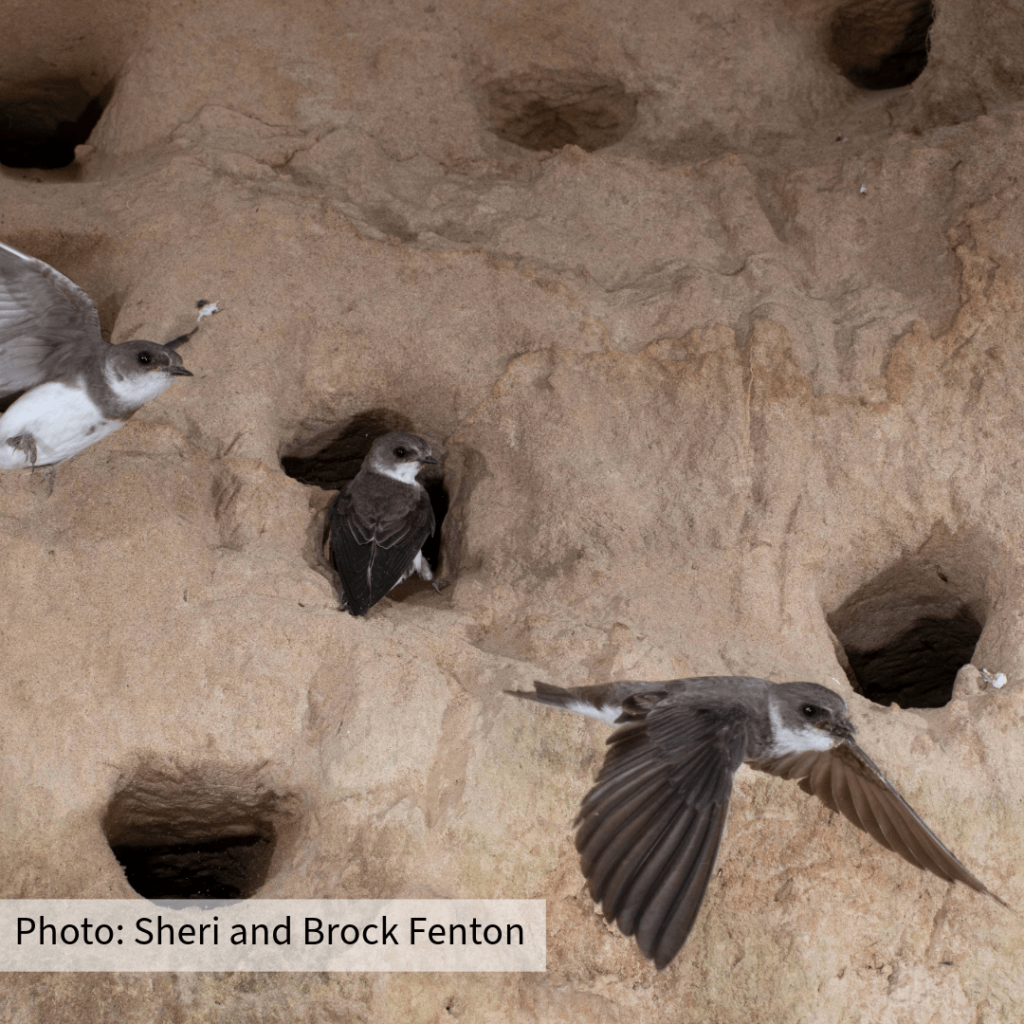
Credit: learn.birdscanada.org
How Birds Choose Their Homes
Birds don’t just pick any spot to settle down; they carefully weigh several factors before choosing their homes. Their decisions impact survival, reproduction, and daily comfort. Understanding these choices can help you appreciate the delicate balance birds maintain with their surroundings.
Food Availability
Food is a top priority for birds when selecting a habitat. They seek areas where their preferred diet—whether seeds, insects, or nectar—is abundant.
Think about a hummingbird that needs constant access to flower nectar. If you want to attract them, planting native flowering plants near your window can make a big difference.
Have you noticed how birds flock to berry bushes during autumn? It’s a clear sign that food supply directly guides their home choice.
Shelter And Nesting Sites
A good home must provide safe shelter and suitable places to build nests. Birds look for trees, shrubs, or even man-made structures that protect them from harsh weather and predators.
Woodpeckers, for instance, prefer dead trees where they can carve out nesting holes. If you leave some old trees standing, you might invite these fascinating builders into your yard.
Could your garden offer the perfect nook for a nest? Small details like dense bushes or birdhouses play a huge role in attracting birds.
Climate And Weather
Birds adapt to climates that match their survival needs. Some species thrive in warm, tropical zones, while others prefer cooler or temperate areas.
Seasonal changes also influence their movements. Migration is often triggered by temperature shifts that affect food availability and breeding conditions.
Have you ever wondered why some birds disappear in winter? Their homes simply become inhospitable, prompting them to seek better climates elsewhere.
Predator Avoidance
Safety from predators is crucial when birds pick a habitat. They avoid open areas where they are easy targets and instead favor places with good cover.
Birds often choose dense foliage or high branches that offer quick escape routes. Even the shape and location of their nests are designed to keep predators at bay.
Next time you watch birds darting away suddenly, consider how their choice of home helps them stay one step ahead of danger.
Adaptations To Different Habitats
Birds thrive in a wide range of habitats, from dense forests to open deserts. Their ability to survive and flourish depends on unique adaptations shaped by their environment. These adaptations help them find food, protect themselves, and reproduce successfully in their specific habitats.
Beak And Foot Specializations
Your bird’s beak tells a story about its diet and habitat. Birds that eat seeds often have strong, thick beaks to crack shells, while those feeding on nectar have long, slender beaks to reach deep into flowers.
Feet also vary greatly depending on where a bird lives. Birds in wetlands may have webbed feet for swimming, while those in forests might have sharp claws for gripping branches. Have you noticed how a woodpecker’s feet help it cling vertically to tree trunks?
Camouflage And Coloration
Coloration helps birds blend into their surroundings or stand out when needed. Some desert birds have sandy tones that make them almost invisible against the arid landscape.
Others display bright colors to attract mates or warn predators. Imagine a bird trying to hide in plain sight—how would its colors affect its chances of survival?
Migration Patterns
Many birds travel thousands of miles to find ideal living conditions. Migration allows them to avoid harsh weather and scarce food during winter months.
Tracking these journeys reveals how birds navigate using the sun, stars, and Earth’s magnetic field. Have you ever wondered how they manage such precise navigation without modern tools?
Behavioral Adaptations
Birds also change their behavior to fit their environment. Some species form flocks to reduce the risk of predators, while others use complex songs to defend territory or attract mates.
These behaviors can shift with seasons or habitat changes, showing how flexible birds can be. What behaviors have you observed that seem to help birds survive in your local area?
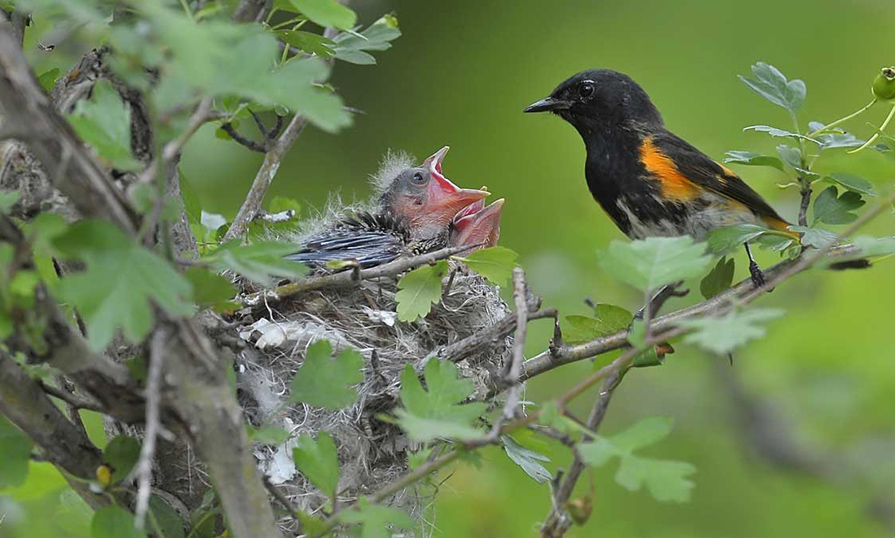
Credit: www.nscc.ca
Threats To Bird Habitats
Bird habitats face many threats that directly affect their survival and well-being. These dangers not only reduce the spaces where birds live but also disrupt their food sources and breeding grounds. Understanding these threats can help you see why protecting bird habitats matters for both wildlife and people.
Deforestation And Habitat Loss
Cutting down forests removes the homes of countless bird species. Trees provide shelter, nesting sites, and food, so losing them forces birds to relocate or face starvation. Have you noticed fewer birds in areas where trees have been cleared? That’s a clear sign of how deforestation impacts them.
Pollution And Climate Change
Pollution poisons the air, water, and soil, making habitats unsafe for birds. Chemicals and plastics can harm their health or reduce their food supply. Climate change shifts weather patterns, causing some birds to lose their traditional habitats. How do you think rising temperatures affect the places birds depend on?
Urban Expansion
As cities grow, natural spaces shrink. Birds lose vital green areas and face dangers like window collisions and predators such as cats. Urban noise and light pollution also interfere with their communication and sleep. Could city planning include more bird-friendly spaces to help them thrive?
Invasive Species
Non-native plants and animals can take over habitats and outcompete native birds for food and shelter. Predators introduced by humans, like rats and snakes, can devastate bird populations. Have you seen how quickly invasive species spread? Their impact on bird habitats is often sudden and severe.
Protecting Bird Homes
Protecting bird homes is essential to keep bird populations healthy. Birds rely on safe habitats for food, shelter, and breeding. Human actions can harm these natural spaces. Protecting habitats helps birds survive and thrive. Small efforts can make a big difference.
Conservation Efforts
Conservation groups work to save bird habitats worldwide. They protect forests, wetlands, and grasslands. Laws also help limit habitat destruction. Restoring damaged areas gives birds new homes. Protecting habitats stops many bird species from disappearing.
Creating Bird-friendly Spaces
People can make their yards friendly for birds. Plant native trees and shrubs that provide food and shelter. Avoid pesticides that harm birds and insects they eat. Put up bird feeders and birdhouses. Water sources like birdbaths attract birds too.
Community Involvement
Communities can protect local bird habitats together. Organize clean-up days to remove trash from parks and rivers. Educate neighbors about the importance of birds. Create local birdwatching groups to monitor bird health. Community action helps maintain safe spaces for birds.
Supporting Wildlife Organizations
Wildlife groups focus on bird protection and research. Supporting these groups helps fund habitat conservation. Donations and volunteering are valuable ways to help. These organizations also raise awareness about bird needs. Together, they work to keep bird homes safe.
Frequently Asked Questions
What Defines A Bird’s Habitat?
A bird’s habitat is the natural environment where it lives and thrives. It provides food, shelter, and breeding grounds essential for survival.
Why Is Habitat Important For Birds?
Habitats supply birds with resources like food and nesting sites. They ensure birds can reproduce, find safety, and maintain healthy populations.
How Do Birds Adapt To Different Habitats?
Birds adapt by changing behaviors, diets, and nesting styles. These adaptations help them survive in forests, wetlands, deserts, and urban areas.
What Threats Impact Bird Habitats?
Habitat loss, pollution, climate change, and human activities threaten bird habitats. These factors reduce food sources and nesting sites, endangering bird populations.
Conclusion
Birds live in many different places. Each habitat gives them food, shelter, and safety. Forests, wetlands, and grasslands all support birds. Changing or losing habitats can harm bird populations. Protecting habitats helps keep birds healthy and thriving. Understanding where birds live helps us care for nature.
Birds depend on their homes to survive and grow. Every small action to protect habitats makes a difference. Nature and birds need each other to stay strong.




