
Have you ever watched birds in your backyard and wondered if they stick with one partner for life? Discovering which backyard birds mate for life can change the way you see these feathered visitors.
Knowing their loyalty stories makes every sighting more special and connects you deeper to nature right outside your window. Keep reading to find out which birds show true commitment and how this fascinating behavior impacts your backyard’s lively community. You won’t want to miss these surprising facts!
Traits Of Lifelong Bird Mates
Birds that mate for life show fascinating traits that help them maintain strong partnerships year after year. These traits are not just about survival; they reveal deep connections and teamwork. Understanding these behaviors can change how you watch your backyard birds and appreciate their relationships.
Bonding Behaviors
Birds that stay together for life often engage in special bonding activities. They preen each other’s feathers to keep clean and build trust. You might notice them sitting close or touching beaks—simple acts that strengthen their pair.
Some species perform courtship dances or sing duets to renew their bond. Have you ever seen two birds singing together in perfect harmony? That’s their way of saying, “We’re a team.”
Shared Nesting Duties
One clear sign of lifelong mates is how they share nesting responsibilities. Both birds take turns gathering materials like twigs, leaves, or feathers. This teamwork speeds up nest building and ensures a safe home for their young.
Once the eggs hatch, you’ll see both parents feeding and protecting the chicks. This shared care increases the survival chances of their babies. You might even spot one bird standing guard while the other hunts for food.
Communication Patterns
Lifelong bird mates develop unique ways of talking to each other. They use calls, songs, and body language to stay connected. Some pairs have distinct calls only they understand, almost like secret codes.
Pay attention to how they respond quickly to each other’s sounds or gestures. These communication patterns help them coordinate daily activities and warn of danger. How often do you notice birds exchanging subtle signals in your backyard?

Credit: www.youtube.com
Common Backyard Birds That Mate For Life
Spotting birds that mate for life in your backyard adds a special kind of magic to birdwatching. These pairs show remarkable loyalty, often returning year after year to the same nesting spots. Watching their interactions can teach you a lot about partnership and commitment in the wild.
Northern Cardinals
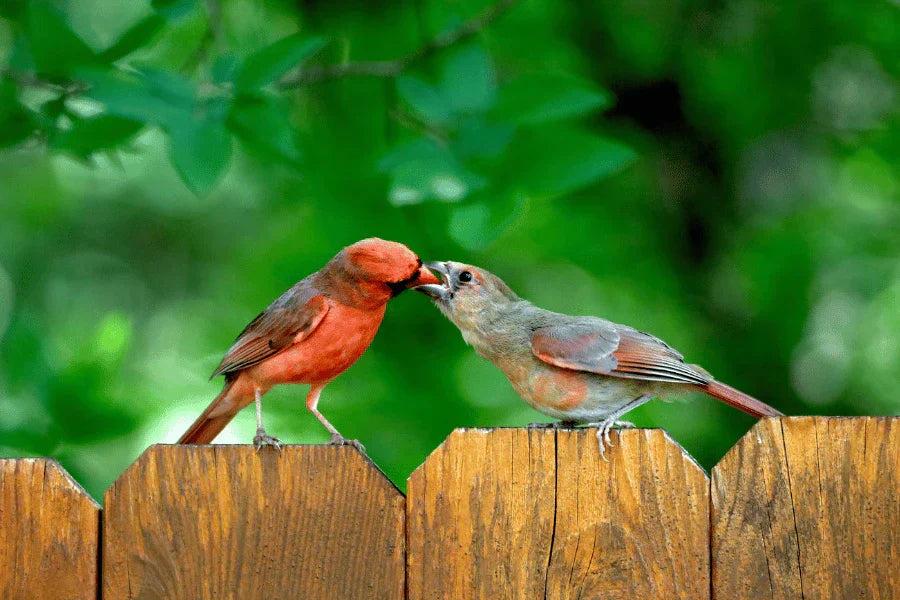
Northern Cardinals are known for their vibrant red plumage and strong pair bonds. Once they find a mate, they usually stay together throughout the year, raising multiple broods. You might notice the male feeding the female during nesting season, a clear sign of their close bond.
American Robins
American Robins often form lasting pairs that defend their territory together. They share responsibilities like building nests and feeding their young. If you see two robins hopping around your lawn, there’s a good chance they’re a devoted couple.
Eastern Bluebirds
Eastern Bluebirds are another backyard favorite that stick with one partner. They cooperate closely in nesting and raising their chicks, often using birdhouses you might provide. Have you ever seen a pair perched side by side, singing to each other? That’s their way of strengthening their bond.
Black-capped Chickadees
Black-capped Chickadees are small but mighty when it comes to loyalty. These birds form strong pair bonds that last through the breeding season and beyond. Watching them share food or fluff up together during cold days can give you a glimpse of their affectionate partnership.
How Birds Choose Their Partners
Understanding how birds choose their partners reveals fascinating behaviors that often go unnoticed in your own backyard. These choices are not random; they involve specific actions and signals that help birds find the right mate. Watching closely, you might notice patterns that explain why some birds stay loyal for life.
Courtship Displays
Birds use courtship displays to catch the attention of potential mates. These displays can include vibrant plumage, singing, dancing, or even building intricate nests. For example, the male cardinal’s bright red feathers and melodic songs help him attract a female.
Have you ever seen a bird puff up its chest or perform a rhythmic dance? These behaviors show strength and vitality, qualities important for raising healthy offspring. Your backyard birds are essentially putting on a show to prove they’re the best partner available.
Territory Selection
Choosing a good territory is a critical part of partner selection. Birds often pick mates based on the quality of the nesting area they defend. A safe, resource-rich territory means better chances for raising chicks successfully.
Think about the blue jays in your yard. They prefer spots with plenty of food and cover from predators. This means you might notice pairs staying close to the same area year after year.
Mate Fidelity
Some bird species form lifelong bonds, returning to the same partner each season. This fidelity helps maintain strong cooperation in nesting and chick rearing. Swans, for example, are known for their long-term partnerships.
Why do you think staying faithful is beneficial for these birds? It often means less time and energy spent finding a new mate, allowing more focus on raising young. Observing these loyal pairs can give you a new appreciation for the commitment some backyard birds demonstrate.

Credit: www.wildlifenomads.com
Benefits Of Lifelong Pairing
Lifelong pairing among backyard birds offers several important benefits. These long-term bonds help birds survive and thrive in their natural habitats. Birds that mate for life often show better teamwork, especially in raising their young. Their steady partnerships also help protect their home areas from rivals. Such strong relationships improve the overall health and success of bird families.
Increased Survival Rates
Birds that stay together have higher chances of survival. Partners watch for predators and warn each other quickly. They share food and shelter during tough times. This teamwork reduces risks and increases their lifespan. Safe and secure pairs often live longer than solitary birds.
Efficient Parenting
Birds that mate for life work well as a team to raise chicks. Both parents share feeding and protecting duties. This balance helps chicks grow faster and healthier. Constant cooperation lowers stress and improves care quality. Young birds learn better behaviors from two involved parents.
Stable Territory Defense
Long-term pairs defend their territory with more confidence. They know their land and its resources well. Partners coordinate to chase away intruders and rivals. This teamwork keeps their nest safe and food supply secure. Stable territory boosts breeding success and family growth.
Tips To Attract Loyal Bird Couples To Your Backyard
Attracting loyal bird couples to your backyard creates a peaceful and lively space. Birds that mate for life seek places that meet their needs for shelter, food, and safety. Small changes in your yard can invite these faithful pairs to stay and thrive.
Creating Suitable Habitats
Bird couples prefer areas that feel like home. Plant native trees and shrubs that provide cover and protection. Dense bushes offer hiding spots from predators. Water features such as birdbaths or small ponds encourage birds to visit. Keep your yard quiet and free from disturbances to make birds feel safe.
Providing Food Sources
Food is a top reason birds choose where to live. Offer a mix of seeds, nuts, and fruits that attract different species. Use feeders designed for pairs, allowing space for two birds to eat comfortably. Plant flowers and trees that produce berries and seeds naturally. Fresh water is essential for drinking and bathing.
Safe Nesting Sites
Bird couples need secure places to build nests. Install birdhouses with the right size entrance for local species. Place nests away from busy paths and predators like cats. Leave some natural materials like twigs and leaves for nest building. Avoid using chemicals or pesticides near nesting areas.
Credit: www.birdfy.com
Frequently Asked Questions
Which Backyard Birds Mate For Life?
Many backyard birds like cardinals, swans, and geese form lifelong pairs. These birds stay together through breeding seasons and share parenting duties.
Why Do Some Backyard Birds Mate For Life?
Birds mate for life to improve offspring survival. Long-term pairs coordinate better in nest building, feeding, and protecting their young.
How Can I Attract Lifelong Mated Birds To My Yard?
Provide native plants, fresh water, and safe nesting spots. Consistent food sources encourage birds like cardinals and swans to settle and breed.
Do All Birds That Mate For Life Stay Together Year-round?
Not always. Some birds stay together only during breeding seasons, while others, like swans, remain paired year-round.
Conclusion
Backyard birds that mate for life show us true loyalty in nature. These pairs stay together through seasons and challenges. Watching them helps us appreciate love’s simple, lasting bond. Their commitment inspires us to value connection and care. Next time you see a bird couple, remember their special story.
Nature’s lessons often come in small, beautiful moments. Keep enjoying your backyard visitors and their lifelong partnerships.




