
Have you ever wondered if you should take down your bird feeders? It’s a question many bird lovers face, especially as seasons change.
You want to help your feathered friends, but is your kindness actually doing more harm than good? You’ll discover important facts that could change how you care for birds in your backyard. Keep reading to find out when and why it might be time to remove your feeders—and how to make the best choice for both you and the birds you cherish.
Risks Of Leaving Bird Feeders Up
Bird feeders bring joy and help birds find food, especially in colder months. Still, leaving feeders up all year can cause problems. Some risks affect bird health and behavior. Others impact the surrounding environment. Understanding these risks helps decide when to take feeders down.
Disease Transmission Among Birds
Bird feeders can become spots where diseases spread fast. Sick birds leave germs on seeds and feeder surfaces. Healthy birds then pick up these germs. Crowded feeders make it easier for diseases to jump between birds. This can cause outbreaks of illnesses like salmonella. Cleaning feeders often helps, but leaving them up long increases risks.
Attracting Predators
Feeders draw not just birds but also predators. Cats, hawks, and squirrels watch feeders for easy meals. Birds feeding at feeders can be easy targets. Predators learn to wait near feeders. This raises danger for small and young birds. Removing feeders during vulnerable times can reduce predator threats.
Impact On Bird Migration Patterns
Bird feeders provide a steady food supply. This may cause some birds to stay longer than usual. Birds rely on natural food cycles for migration cues. Constant food can confuse these cues. Birds might delay migration or stay in one place. This can harm their health and breeding success. Taking feeders down at migration times helps birds follow natural patterns.
When To Take Down Bird Feeders
Knowing the right time to take down bird feeders helps protect birds and maintain a healthy environment. Timing depends on many factors, such as seasons, bird activity, and weather. Removing feeders at the correct time prevents disease spread and encourages natural feeding habits.
Seasonal Considerations
Bird feeders often stay up during cold months when food is scarce. In spring, natural food sources return. Birds begin nesting and feeding their young. Taking down feeders during this time encourages birds to forage naturally.
In summer, insects and fruits provide plenty of food. Feeders can attract unwanted pests or cause overcrowding. Fall is a good time to keep feeders active as birds prepare for migration. After the last frost, consider taking feeders down to avoid dependency.
During Bird Population Surges
Bird populations can increase rapidly in certain areas. Overcrowding at feeders can cause stress and disease. Removing feeders during these surges helps reduce competition. It also prevents the spread of illnesses among birds.
Watch for signs like many birds crowding or leftover seed mold. These signs indicate it might be time to take feeders down for a while.
In Extreme Weather Conditions
Extreme heat or heavy storms can impact bird feeders. In hot weather, seed can spoil quickly and attract mold. During storms, feeders may become damaged or unsafe for birds. Taking feeders down protects birds from harmful conditions.
After bad weather passes, clean feeders before putting them back up. This keeps birds safe and healthy.
Safe Practices For Using Bird Feeders
Using bird feeders can bring joy and a closer connection to nature, but it comes with responsibilities. Safe practices ensure that your feathered visitors stay healthy and that local wildlife is protected. Paying attention to how you care for your feeders can make a big difference in creating a safe environment for birds.
Regular Cleaning And Maintenance
Keeping your bird feeders clean is essential to prevent the spread of diseases among birds. Clean feeders every two weeks with a solution of one part bleach to nine parts water, then rinse thoroughly and let dry.
Check for moldy or wet seeds regularly and remove them immediately. Dirty feeders can attract pests and cause harm to birds, so staying on top of maintenance protects both your visitors and your garden.
Choosing The Right Feeder And Food
Select feeders designed to minimize spillage and contamination. Tube feeders with small feeding ports reduce mess and discourage larger, aggressive birds from taking over.
Offer fresh, high-quality seeds suited to the birds in your area. Black oil sunflower seeds attract many species, while nyjer seed works well for finches. Avoid bread or processed foods, as they provide little nutrition and can harm birds.
Placement Tips To Protect Wildlife
Place feeders in locations that offer shelter but keep birds safe from predators like cats. Hanging feeders at least 5 feet off the ground and away from dense shrubbery can reduce risks.
Think about how water runoff might affect the area below your feeder. Wet ground can lead to mold and attract unwanted rodents, so consider placing feeders over gravel or hard surfaces.
How do you balance your love for birds with keeping them safe? Small changes in feeder care can create a healthier environment for your garden’s winged visitors.

Credit: www.cbc.ca
Alternatives To Traditional Bird Feeders
If you’re thinking about whether to take down your bird feeders, consider exploring alternatives that still support local birdlife without some of the common downsides feeders can bring. These options not only provide food but also create a safer, more natural environment for birds. Let’s look at some practical ways you can help birds thrive around your home.
Natural Food Sources
Instead of relying solely on feeders, try planting native trees and shrubs that produce seeds, berries, and nuts. Species like sunflower, coneflower, and elderberry are favorites for many birds. These plants offer a steady, natural food supply throughout the year.
You’ll notice birds visiting more often and staying longer when they find familiar foods in your yard. Plus, natural food sources reduce the risk of disease spread that sometimes happens at feeders.
Creating Bird-friendly Habitats
Think beyond food by making your garden welcoming for birds to nest and shelter. Adding brush piles, leaving dead trees standing, or installing nesting boxes can provide essential safe spots. Birds need more than just food; they need places to raise their young and hide from predators.
Have you tried leaving a patch of your yard a bit wild? It might surprise you how many different bird species show up when there’s natural cover. Small changes like these can make your space a true bird sanctuary.
Using Water Features Safely
Birds need water to drink and bathe, so adding a birdbath or small pond can attract them without the risks feeders sometimes pose. Make sure to keep the water clean and change it regularly to prevent mosquitoes and bacteria buildup.
Shallow water with gentle slopes helps birds of all sizes feel safe while drinking. Have you noticed how birds often linger around water spots? Providing safe water encourages them to visit your yard more frequently and stay healthier.
Community Efforts For Wildlife Safety
Community efforts play a crucial role in keeping wildlife safe while enjoying the benefits of bird feeders. Taking down feeders may seem like a simple fix, but working together as a community can create safer environments for birds without giving up the joy of watching them. These efforts help balance feeding with health and safety, making sure your feathered friends thrive.
Collaborative Feeding Stations
Setting up shared feeding stations in your neighborhood can reduce the risks associated with individual feeders. When you and your neighbors pool resources, feeders can be placed in safer spots and cleaned regularly. This cooperation lowers the chances of disease spread and predator attacks.
Have you noticed how birds seem to gather more comfortably when feeders are well-maintained? Collaborative stations encourage better hygiene and strategic placement, which benefits both birds and watchers alike.
Educational Programs
Community workshops and online sessions help you learn the best practices for feeding birds safely. These programs teach how often to clean feeders, what types of food to avoid, and ways to spot signs of bird distress.
Imagine sharing these tips with friends and neighbors—how much safer would your local bird population be? Education empowers everyone to take small, consistent actions that add up to big improvements.
Monitoring And Reporting Bird Health
Keeping an eye on bird behavior and health near feeders can alert you to problems early on. Reporting unusual symptoms or sudden declines in bird numbers to local wildlife groups helps protect the entire community.
Have you ever seen a sick bird at your feeder? Taking a moment to note details and inform experts can prevent wider outbreaks. Your observation skills matter more than you might think.
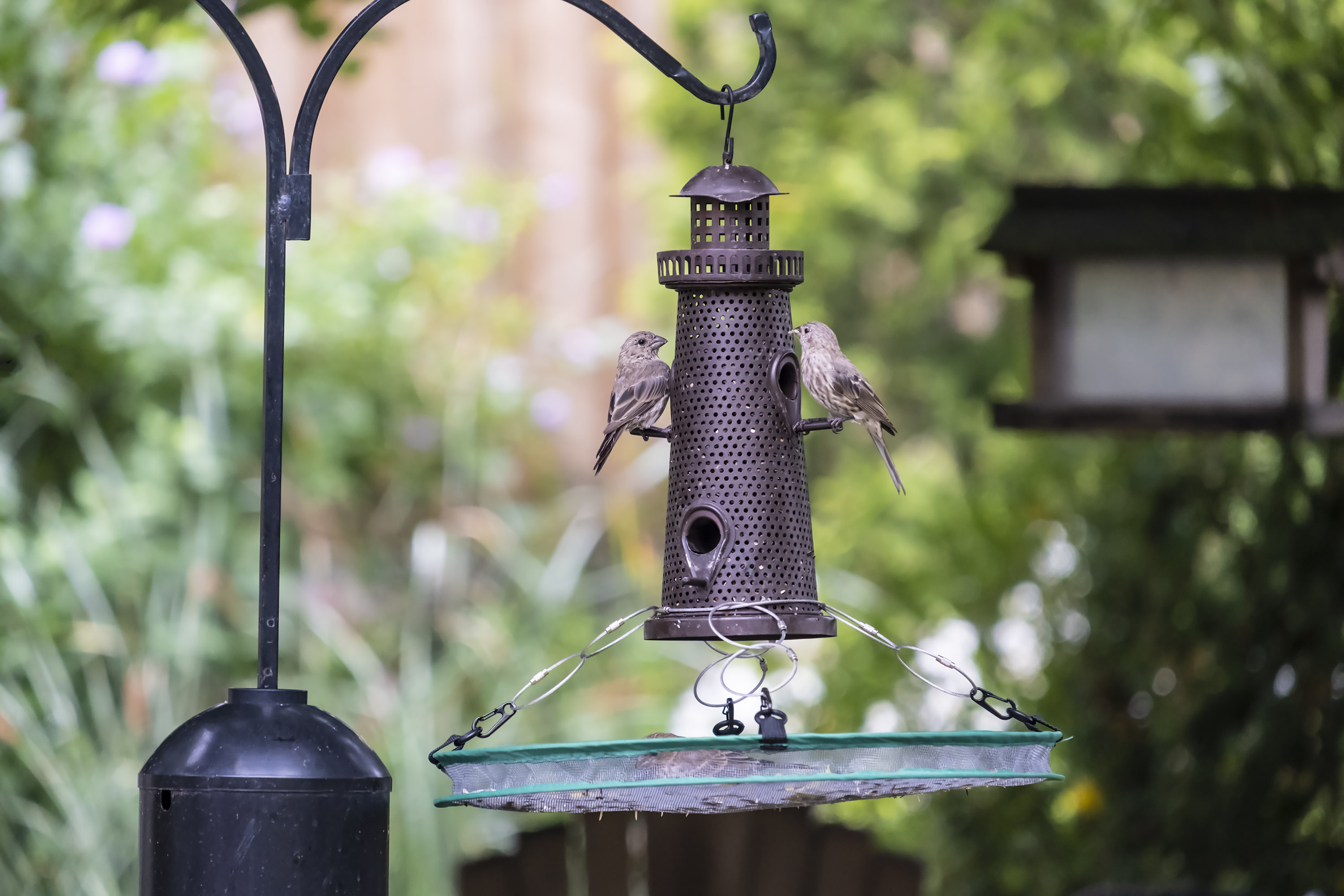
Credit: dengarden.com
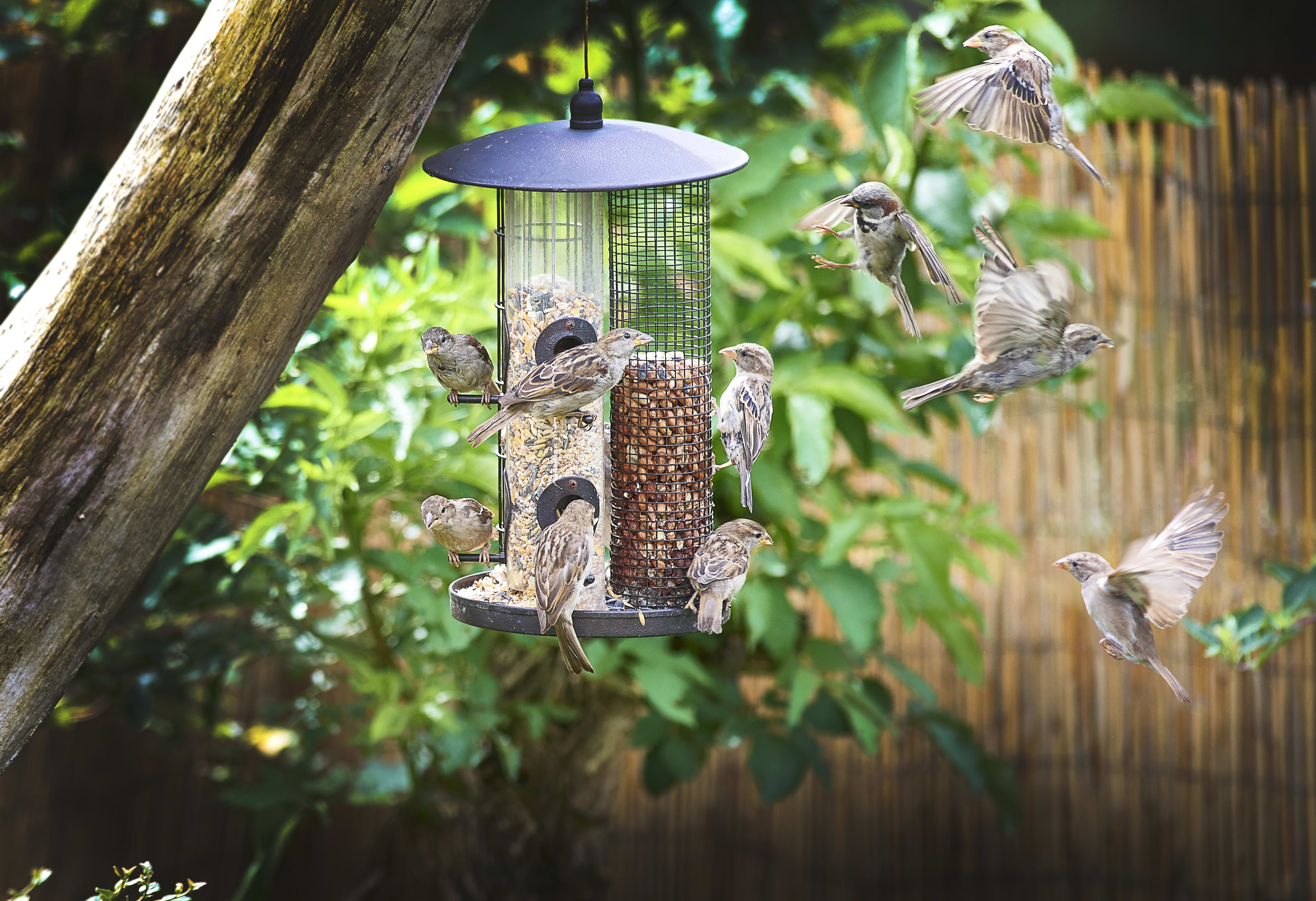
Credit: dengarden.com
Frequently Asked Questions
Why Should Bird Feeders Be Taken Down Temporarily?
Bird feeders may need removal to prevent disease spread among birds. Cleaning feeders regularly and taking them down during outbreaks helps keep birds healthy and reduces contamination risks.
When Is The Best Time To Take Down Bird Feeders?
Take down bird feeders during extreme weather or bird flu outbreaks. This limits bird crowding and protects local wildlife from stress and illness.
Can Bird Feeders Harm Local Bird Populations?
Improperly maintained feeders can spread diseases and attract predators. Regular cleaning and thoughtful placement minimize harm and support bird health and safety.
How Often Should Bird Feeders Be Cleaned?
Clean bird feeders every two weeks or more often in wet weather. Regular cleaning prevents mold, bacteria, and diseases that can harm visiting birds.
Conclusion
Bird feeders bring joy and help birds find food. But sometimes, taking them down is needed. Disease can spread if feeders are not clean. Birds may also become too dependent on feeders. Watching nature closely helps decide what is best.
Keep feeders clean and place them safely. Balance feeding with natural habits for healthy birds. Taking feeders down for a while can help birds stay strong. Care for birds with simple, thoughtful actions. Your choice can support their health and happiness.




