
Have you ever wanted to welcome more birds into your garden? Building a bird house is a simple and rewarding way to do just that.
Imagine watching colorful birds visit your yard, singing and nesting right outside your window. You don’t need special skills or expensive tools to create a cozy home for these feathered friends. In this guide, you’ll discover easy steps to build a bird house that suits your space and attracts the birds you love.
Ready to bring nature closer and enjoy the peaceful beauty of birdlife every day? Let’s get started!
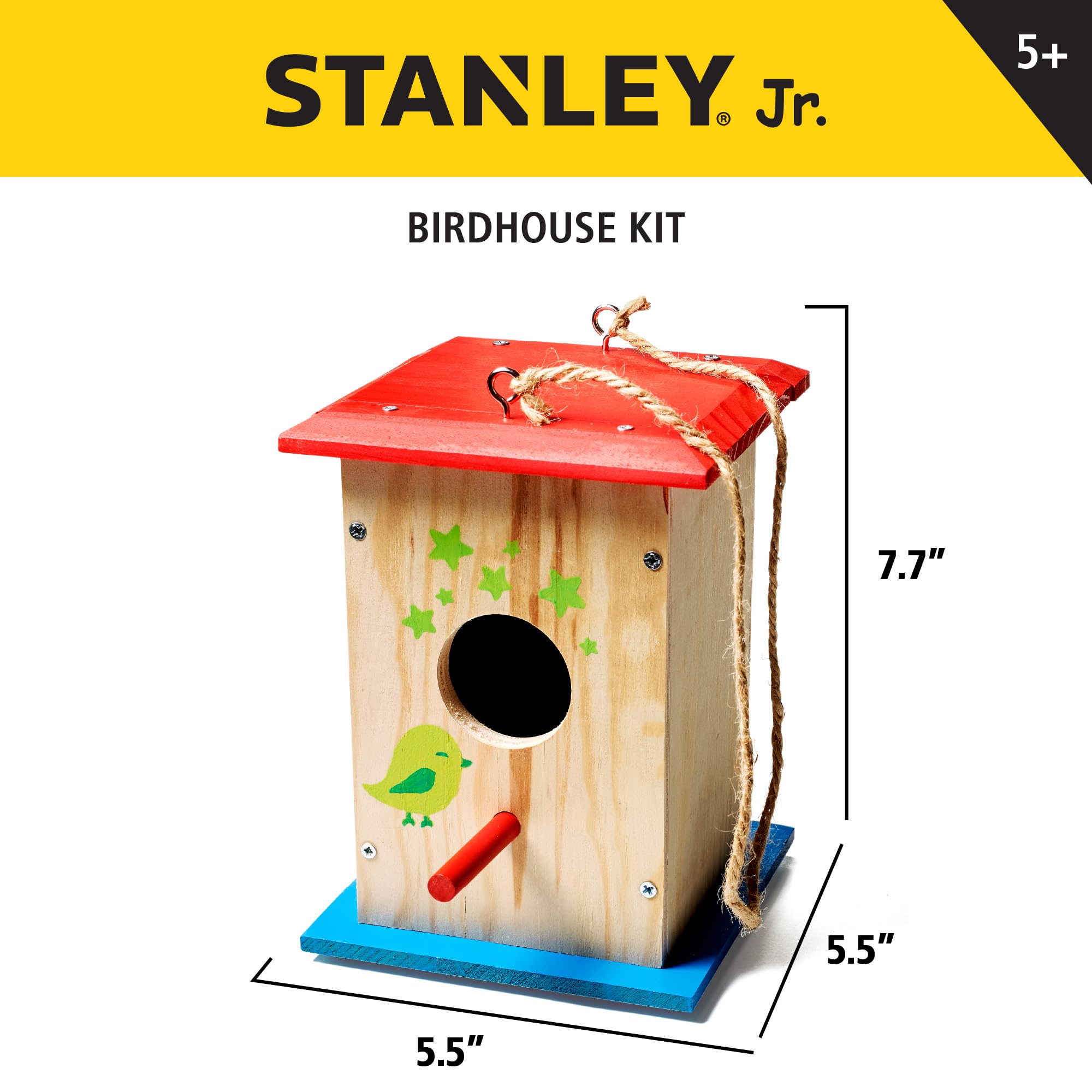
Credit: www.amazon.ca
Choosing The Right Materials
Choosing the right materials is essential when building a bird house that lasts and attracts feathered friends. The materials affect durability, safety, and comfort for the birds. Understanding what to pick ensures your project is both practical and rewarding.
Selecting Durable Wood
Wood is the best choice for bird houses because it offers natural insulation and breathability. Look for untreated, rot-resistant woods like cedar, pine, or redwood. These types can withstand weather changes without harming the birds.
Avoid pressure-treated or painted wood since chemicals can be toxic. You want the birds to feel safe and cozy inside. Think about how long the bird house will last outside and pick wood that won’t warp or crack easily.
Gathering Necessary Tools
Having the right tools makes building smoother and safer. You’ll need a saw for cutting wood, a drill for making holes, and a hammer or screwdriver for assembly. Sandpaper helps smooth rough edges to protect birds from splinters.
Don’t forget safety gear like gloves and goggles. These keep you protected while working with tools. If you’re new to woodworking, simple hand tools might be better than power tools to stay in control.
Eco-friendly Options
Choosing eco-friendly materials benefits both the birds and the environment. Reclaimed wood or scrap pieces from other projects are great options. They reduce waste and give your bird house a unique look.
Natural finishes like linseed oil or beeswax protect wood without harmful chemicals. You might also consider avoiding plastic or synthetic materials that don’t breathe well. What small change can you make to keep your project green?

Credit: www.youtube.com
Planning Your Bird House
Planning your bird house is the foundation of a successful project that attracts the right feathered friends. Taking time to think through your design ensures the house meets the needs of the birds you want to welcome. This planning phase also saves you time and materials by avoiding common mistakes.
Deciding On Size And Shape
Size matters when building a bird house. Too small, and birds won’t fit; too large, and it might attract unwanted visitors like squirrels or larger birds. Different species prefer different sizes, so consider the birds common to your area.
Think about the shape too. Simple box designs work well, but adding a sloped roof helps with rain runoff. Ventilation holes and drainage are important features that keep the interior dry and comfortable.
Designing For Different Bird Species
Different birds have unique preferences for their homes. Bluebirds like a house with a 1.5-inch entrance hole, while wrens prefer a smaller 1-inch hole. Do some research on the species in your yard and tailor your design accordingly.
Also, some birds prefer houses mounted on poles, while others like them hung from trees. Location and height matter just as much as the house itself. Have you noticed where birds like to nest around your home?
Sketching Your Blueprint
Putting your ideas on paper helps visualize the final bird house and spot potential issues early. Draw each side, mark measurements, and plan where the entrance hole and ventilation will go. You don’t need to be an artist—simple sketches work perfectly.
Use your blueprint to create a list of materials and tools you’ll need. This step makes the building process smoother and more enjoyable. What details will you add to make your bird house unique and bird-friendly?
Cutting And Assembling Pieces
Cutting and assembling the pieces is a key part of building a birdhouse. Precise cuts ensure all parts fit well. Careful assembly makes the birdhouse sturdy and safe for birds.
Measuring And Cutting Wood
Start by measuring each piece of wood carefully. Use a ruler or tape measure to get exact lengths. Mark the wood clearly with a pencil. Cut along the lines using a saw. Smooth the edges with sandpaper to avoid splinters. Accurate cuts help the birdhouse fit together perfectly.
Joining Walls And Floor
Align the walls at right angles. Use nails or screws to fix them firmly. Attach the floor by fitting it inside the frame. Check that all corners are square. Tight joints prevent gaps where birds might get cold. A strong base supports the birdhouse well.
Adding Roof And Entrance
Choose a roof style: flat or sloped. Cut roof pieces to fit over the walls. Secure the roof with nails or screws. Cut an entrance hole on one wall. Make sure it is the right size for small birds. Smooth the edges of the hole to keep birds safe. The roof protects birds from rain and sun.
Finishing Touches
Finishing touches are key to making a bird house safe and attractive. These final steps protect the wood and create a cozy home for birds. They also help the bird house last longer outdoors.
Sanding And Smoothing Edges
Use fine sandpaper to smooth rough wood surfaces. Sand all edges to remove splinters that might hurt birds. Smooth surfaces also help paint and sealant stick better. Focus on entry holes and corners where birds land.
Painting And Sealing
Choose non-toxic, water-based paint for the bird house. Paint the outside only to avoid harming birds inside. Light colors help keep the house cool in sunlight. After painting, apply a clear sealant to protect wood from rain and sun damage. Let each coat dry fully before adding the next.
Adding Ventilation And Drainage
Drill small holes near the top for air circulation. Proper ventilation prevents overheating inside the house. Create drainage holes on the floor to remove rainwater. These holes keep the nest dry and comfortable. Check that holes are small enough to keep predators out.
Placing Your Bird House
Choose a quiet spot for your bird house to attract feathered friends. Ensure it’s safe from predators and harsh weather. Hang it at least five feet above the ground to protect from cats and other animals.
Placing your bird house is just as crucial as building it. A well-placed bird house can attract a variety of birds to your garden, providing them with a safe haven and offering you the joy of birdwatching. Let’s delve into the key aspects of positioning your bird house effectively.Choosing The Best Location
Location is everything when it comes to attracting birds. Choose a spot that is sheltered from harsh weather conditions, such as strong winds and direct sunlight. A location near natural food sources like trees or shrubs can make your bird house more appealing. Think about accessibility. Ensure the bird house is easy for you to reach but not too close to human activity, as birds prefer a bit of peace and quiet. Observing the birds’ natural flight paths can also offer clues about where they might feel most comfortable.Mounting Techniques
How you mount your bird house can impact its success. Use sturdy materials to ensure it remains stable. A pole or tree trunk is often ideal; just make sure the entrance is clear from obstructions. Consider the height. Mounting your bird house at a height of 5 to 10 feet is typically recommended. This height can protect it from ground predators while still being accessible for maintenance.Ensuring Safety From Predators
Predator safety is paramount. Use baffles or guards to deter climbing predators like raccoons and snakes. These can be attached around the mounting pole or tree. Make the entrance hole just big enough for the desired bird species. This prevents larger predators from entering. Keeping the bird house away from branches or ledges can also help reduce the risk of predators reaching it. Have you ever considered what might make your garden a sanctuary for birds? By carefully placing your bird house, you can create a safe and welcoming environment for them.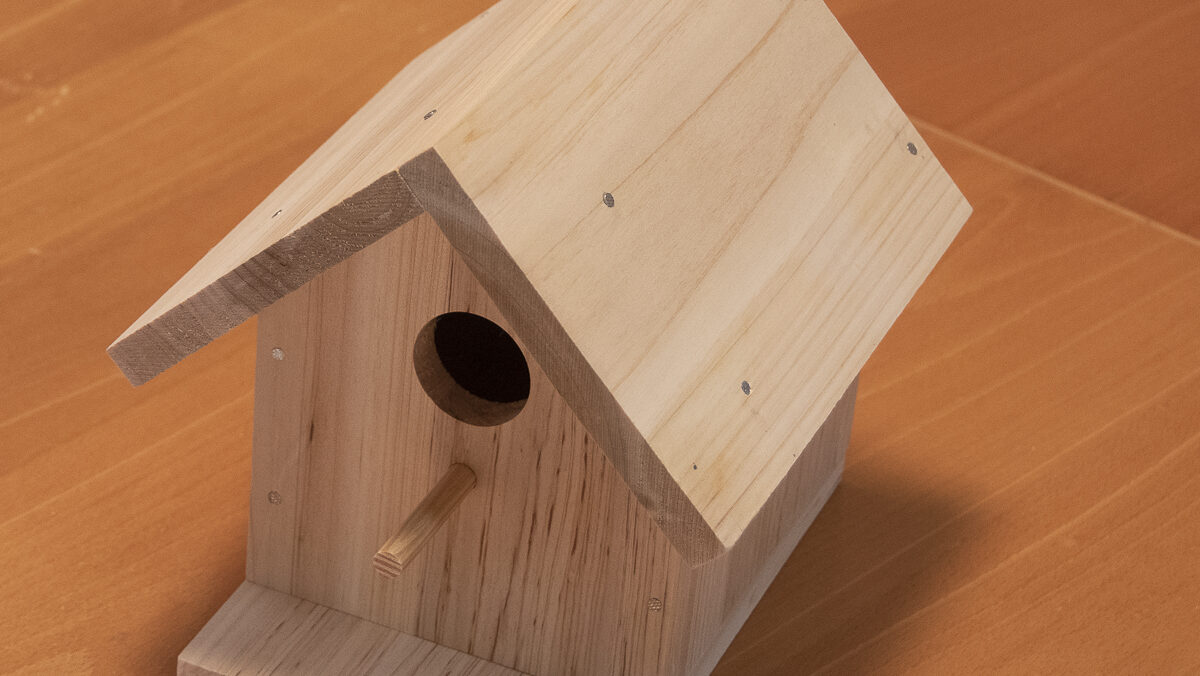
Credit: bringbinoculars.com
Maintaining Your Bird House
Maintaining your bird house ensures it stays safe and inviting for birds year-round. A well-kept bird house protects birds from predators and weather. Regular attention also helps detect problems early. Simple care routines keep the house in good shape and increase bird visits.
Regular Cleaning Tips
Clean the bird house at least once a year. Remove old nesting material and debris. Use a brush and mild soap with water to scrub the inside. Rinse well and let it dry completely before putting it back outside. Avoid harsh chemicals that could harm birds.
Seasonal Care
Check the bird house before each season. In spring, make sure it is ready for new tenants. In fall, clean out any leftover nests. Protect the house during winter by placing it where it is shielded from strong wind and heavy rain. Repair any cracks or loose parts to keep it sturdy.
Monitoring Bird Activity
Watch for signs of bird use without disturbing them. Note which birds visit and how often. Look for damage caused by animals or weather. If birds stop coming, inspect the house for issues. Keep a simple log to track activity and maintenance dates. This helps improve your bird house care over time.
Frequently Asked Questions
What Materials Are Best For Building A Bird House?
Use untreated wood like cedar or pine for durability and safety. Avoid metal and plastic as they can overheat. Choose non-toxic paint or sealant if finishing. Proper materials ensure a healthy and comfortable home for birds.
How Do I Choose The Right Bird House Size?
Select a size based on the bird species you want to attract. Smaller houses suit wrens or chickadees, while larger ones fit bluebirds or woodpeckers. The entrance hole size is also important for species-specific protection and comfort.
Where Should I Place My Bird House?
Mount the bird house 5-10 feet above ground in a quiet, sheltered area. Avoid direct sunlight and strong winds. Face the entrance away from prevailing weather to protect birds from predators and harsh elements.
How Do I Maintain A Bird House For Reuse?
Clean the bird house after each nesting season by removing old nests. Use a mild bleach solution to disinfect and rinse thoroughly. Regular maintenance prevents disease and attracts new birds each year.
Conclusion
Building a bird house brings joy and helps nature. It’s simple with the right tools and steps. You give birds a safe place to live. Watching birds visit feels rewarding and calm. Start small, follow the guide, and enjoy the process.
Every bird house adds beauty to your yard. Try it today and see birds come by. Helping wildlife is easy and fun for all.




