
Finding a baby bird that needs help can tug at your heart like nothing else. You might feel unsure about what to do next or afraid that you’ll make a mistake.
But here’s the truth: with the right care and simple steps, you can give that fragile little life a real chance to grow strong and healthy. You’ll discover exactly how to nurse a baby bird back to health, even if you’ve never done it before.
Keep reading—your kindness could make all the difference.
Identifying A Baby Bird In Need
Finding a baby bird on the ground can be worrying. Not all baby birds need help. Sometimes they are learning to fly or waiting for their parents.
It is important to know when a baby bird is truly in danger. This guide will help you spot signs of injury or illness and decide when to act.
Signs Of Injury Or Illness
Look closely at the baby bird for any signs it may be hurt or sick. Injuries and illness can show in many ways.
- Visible wounds or bleeding on the body or wings
- Feathers missing or ruffled in an unusual way
- Weak or shaky movements
- Bird is cold to touch or very still
- Eyes closed or half-open for a long time
- Unusual breathing or coughing sounds
- Bird is crying loudly and often
When To Intervene
Knowing when to help a baby bird is very important. Acting too soon or too late can harm the bird.
| Condition | Action |
| Bird is injured or bleeding | Contact a wildlife rehabilitator immediately |
| Bird is cold or weak | Keep warm and seek help soon |
| Bird is alone but appears healthy | Watch from a distance; parents may return |
| Bird is fallen from nest but not hurt | Try to place it back in the nest if safe |
| Unsure about the bird’s condition | Call a local wildlife expert for advice |

Credit: www.cbc.ca
Preparing The Right Environment
Nursing a baby bird back to health needs a calm and clean place. The right environment helps the bird feel safe and grow strong.
Setting up a good space means thinking about comfort and care. Two key parts are making a safe space and keeping the right temperature and humidity.
Setting Up A Safe Space
Choose a quiet spot away from pets and loud noises. The area should be warm and free from drafts. Use a small box or container with soft bedding like clean cloth or paper towels.
- Line the box with soft, absorbent material
- Keep the space dry and clean
- Make sure the box is big enough for the bird to move a little
- Place the box in a low traffic area to avoid stress
- Check the space often for safety and cleanliness
Maintaining Ideal Temperature And Humidity
Baby birds need warmth to stay healthy. Keep the temperature steady and the air moist, but not wet. Use a thermometer and a small humidifier or water bowl nearby.
| Temperature | Humidity |
| 85-90°F (29-32°C) for newborns | 50-60% for healthy skin and breathing |
| Lower to 75-80°F (24-27°C) as bird grows | Adjust humidity to avoid dryness or mold |
Feeding Techniques
Nursing a baby bird back to health needs careful feeding. Proper feeding helps the bird grow strong and stay healthy.
Using the right feeding techniques can make a big difference in recovery. It is important to be gentle and patient during feeding.
Choosing Appropriate Food
Baby birds need food that matches their natural diet. Most baby birds eat insects or soft fruits. Avoid giving food that is hard to digest.
Use finely chopped or mashed food to make it easy to swallow. Special bird formulas are also good if you cannot find natural foods.
- Insects like mealworms or crickets for insect-eating birds
- Soft fruits like mashed berries for fruit-eating birds
- Commercial baby bird formula if natural food is unavailable
- Avoid bread or milk as they can harm the bird
Feeding Frequency And Methods
Baby birds need feeding often because they have small stomachs. Feed them every two to three hours during the day. At night, they usually do not need food.
Use a small syringe or dropper to feed the bird gently. Hold the bird carefully and place the food near its beak. Never force the food inside to avoid choking.
- Feed every 2 to 3 hours during daylight
- Use a small syringe or dropper for feeding
- Hold the bird gently to prevent injury
- Offer food slowly to avoid choking
- Watch the bird’s response to adjust feeding speed

Credit: www.reddit.com
Hydration And Nutrition Tips
Nursing a baby bird back to health needs care and attention. Hydration and nutrition are key parts.
Providing the right fluids and food helps the bird grow strong and healthy. This guide covers how to hydrate and feed properly.
Ensuring Proper Hydration
Baby birds can dehydrate quickly. You must give clean water carefully to keep them safe.
- Use a small dropper or syringe to offer water
- Give small amounts often, not large amounts at once
- Keep the water at room temperature, not cold or hot
- Watch for signs of dehydration like dry skin or lethargy
- Do not force water into the bird’s throat
Supplements And Vitamins
Vitamins and supplements help baby birds build their immune system. Use them with care and proper guidance.
| Supplement | Benefit | How to Use |
| Calcium | Strengthens bones | Mix into food carefully |
| Vitamin A | Supports vision and skin | Follow vet’s dosage advice |
| Multivitamins | General health support | Use liquid form for easy feeding |
Handling And Hygiene
Caring for a baby bird needs gentle handling and good hygiene. These help the bird heal safely. Clean hands and a calm touch keep the bird calm and healthy.
Keeping the environment clean and reducing stress is very important. This makes the care easier and protects the bird from infections.
Minimizing Stress During Care
Baby birds feel stress from loud noises and rough handling. Soft voices and slow movements help them stay calm. Limit the time you hold the bird to avoid tiring it out.
- Handle the bird with clean, dry hands
- Keep the bird warm but not too hot
- Speak softly and avoid sudden moves
- Limit handling time to short periods
- Provide a quiet, safe space for rest
Cleaning And Sanitation Practices
Cleanliness stops germs from harming the baby bird. Clean the cage, feeding tools, and your hands before each feeding. Use mild soap and warm water.
| Item | Cleaning Frequency | Cleaning Method |
| Cage or Nest | Daily | Remove waste, wash with mild soap, rinse well |
| Feeding Bottles and Tools | After each use | Wash with hot soapy water, rinse and air dry |
| Hands | Before and after handling | Wash with soap and warm water for 20 seconds |
Monitoring Health Progress
Nursing a baby bird back to health requires careful monitoring. Keeping track of its health is vital. Observing changes can help ensure the bird’s recovery.
Regular checks on weight and behavior are important. Recognizing early warning signs can prevent complications.
Tracking Weight And Behavior
Weigh the baby bird daily. Use a small, accurate scale. Record its weight to see if it is gaining properly. A steady increase in weight is a good sign.
Watch how the bird acts. Healthy birds are alert and active. If a bird is sluggish, it may need more care.
- Check the bird’s appetite
- Observe its energy levels
- Note any unusual behaviors
Recognizing Warning Signs
Be alert for warning signs of illness. Breathing difficulties or drooping wings can indicate problems. A bird that is not eating may be sick.
Changes in droppings can also signal health issues. Watch for changes in color or consistency. These can be signs that require immediate attention.
- Listen for wheezing or coughing
- Look for changes in feather condition
- Monitor for swelling or discharge
When To Seek Professional Help
Nursing a baby bird back to health can be challenging. Sometimes, it is best to seek professional help. Wildlife rehabilitators have the skills to care for injured or sick birds.
Understanding when to contact a professional can make a big difference. This guide will help you know the right time to reach out for help.
Finding A Wildlife Rehabilitator
Locating a wildlife rehabilitator is important. They are trained to care for wildlife and can provide the best chance for recovery.
- Search online for local wildlife rehabilitation centers.
- Contact local animal shelters for recommendations.
- Ask your veterinarian for a referral.
Legal Considerations
Handling wildlife often involves legal guidelines. It’s important to know the laws before you assist a wild bird.
Check with local authorities about wildlife regulations in your area. Some species may have special protections that require permits for handling.
Preparing For Release
Nursing a baby bird back to health takes patience and care. Preparing the bird for release is a key step in its recovery.
Getting the bird ready means helping it develop skills to survive in the wild. This stage makes sure the bird is strong and independent.
Encouraging Natural Behaviors
Helping the bird practice natural behaviors is important. These skills include flying, finding food, and avoiding danger.
- Provide a safe space for flying practice
- Offer live insects to encourage hunting instincts
- Limit human interaction to reduce dependency
- Introduce natural perches and hiding spots
- Observe the bird’s ability to feed itself
Timing The Return To The Wild
Choosing the right time to release the bird is crucial. The bird must be healthy and able to survive on its own.
| Condition | Signs to Check |
| Physical Health | Strong feathers, steady weight |
| Flight Ability | Can fly short distances well |
| Feeding Skills | Finds and eats food without help |
| Behavior | Avoids humans and predators |
| Weather | Calm and suitable for survival |
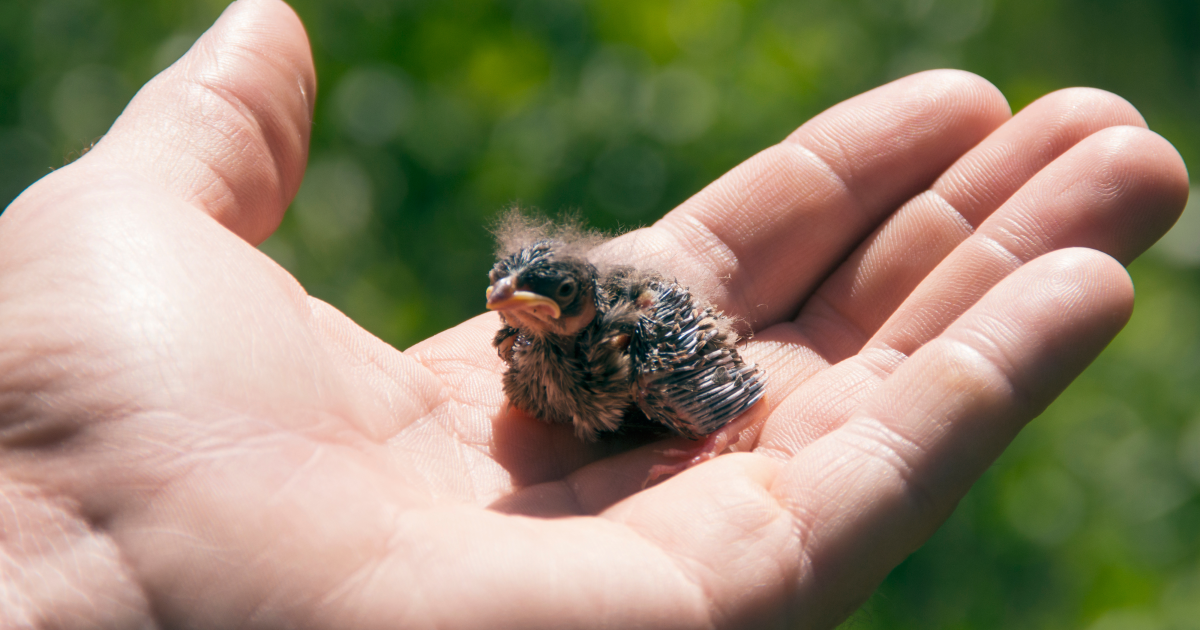
Credit: pethelpful.com
Frequently Asked Questions
How Do You Know If A Baby Bird Needs Nursing?
Signs include weakness, feather loss, or inability to fly. A baby bird that is cold or quiet may also need help. Always observe closely and act quickly for best results.
What Is The Best Food For A Baby Bird?
A diet of soft, protein-rich foods like soaked dog kibble or mealworms works well. Avoid milk or bread. Feed small amounts frequently to mimic natural feeding.
How Often Should You Feed A Baby Bird?
Feed every 15 to 20 minutes from sunrise to sunset. Young birds need frequent, small meals for proper growth and energy. Consistency is key for recovery.
Can You Nurse A Baby Bird Without Professional Help?
Yes, but only if you follow proper care guidelines. Keep the bird warm, hydrated, and fed. Contact a wildlife rehabilitator as soon as possible for expert assistance.
Conclusion
Nursing a baby bird takes patience and gentle care. Provide warmth, food, and a safe space. Watch for signs of improvement every day. Small steps lead to big progress. Remember, each bird heals at its own pace. Your kindness makes a real difference.
Keep learning and stay calm throughout the process. Helping a baby bird grow healthy feels rewarding. You can give it a second chance at life. Caring hands can bring hope back to nature.




