
Have you ever spotted a bird fluttering in your backyard and wondered, “What kind of bird is that?” Identifying birds can feel tricky, but it doesn’t have to be. With a few simple tips, you can quickly learn to recognize the birds visiting your space.
Imagine the joy of naming each feathered visitor and understanding their habits. Keep reading, and you’ll discover easy ways to become a backyard bird detective—making every birdwatching moment more exciting and rewarding.
Observe Bird Size And Shape
Observing the size and shape of a bird helps identify it quickly. Size gives clues about the bird’s family or species. Shape reveals how it moves, eats, or lives. Focus on the bird’s overall body, head, wings, tail, and legs. Notice if the bird looks slim, round, or chunky. These details narrow down the options fast.
Compare With Common Birds
Start by comparing the bird to common backyard birds. Is it as small as a sparrow or as large as a crow? Notice if the bird’s body is long like a robin or short like a wren. Look at the tail length—long tails often belong to jays or magpies. Wings may be broad or narrow, hinting at different flight styles.
- Sparrows: small, round bodies, short tails
- Robins: medium size, plump with round heads
- Crows: large, stout bodies with thick necks
- Blue Jays: medium-large, with long tails and crests
- Wrens: tiny bodies, short tails, often cocked upward
Note Unique Body Features
Look for special body parts that stand out. A crest on the head, long legs, or a thick neck can help identify the bird. Some birds have unique shapes like the curved beak of a hummingbird or the strong legs of a woodpecker. Check if the bird’s wings are pointed or rounded. Notice if the tail has a fork or is fan-shaped.
- Crest: Blue Jays, Cardinals
- Long legs: Herons, Sandpipers
- Curved beak: Hummingbirds, Curlews
- Strong neck: Woodpeckers
- Tail shapes: Forked (Swallows), Fan-shaped (Thrushes)
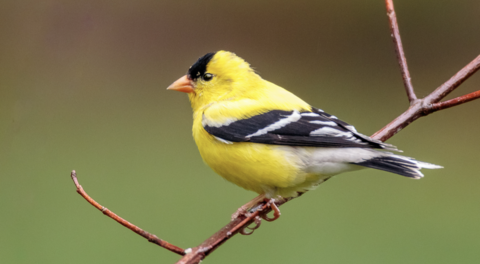
Credit: extension.msstate.edu
Examine Colors And Patterns
Examining the colors and patterns of a bird is one of the most reliable ways to identify it in your backyard. Birds often display a unique combination of colors and markings that help distinguish them from others. Paying close attention to these details can make your birdwatching experience both exciting and educational.
Identify Distinctive Markings
Look for unique markings like eye rings, wing bars, or streaks on the chest. These details can be small but are often key to telling similar species apart. For instance, a white stripe above the eye might signal a different bird than one with a plain head.
Keep a pair of binoculars handy to catch these subtle features. Sometimes, a flash of color on the wing or a patch on the throat holds the answer. Noticing these can turn a vague sighting into a confident ID.
Spot Color Combinations
Notice how colors mix and match on the bird’s body. Is the bird mostly brown with a hint of red, or bright yellow with black spots? Understanding these combinations helps narrow down your options quickly.
Think about the colors you see in sections: head, back, belly, and wings. Even the color of the legs or beak can be a clue. When you spot a bird with a red breast and gray wings, does it remind you of any birds you’ve seen before?
Listen To Bird Calls
Listening to bird calls is one of the most effective ways to identify birds in your backyard. Each species has unique sounds that can help you recognize them even before you spot them. Paying close attention to these calls sharpens your awareness and deepens your connection with nature.
Recognize Common Sounds
Start by learning the typical sounds of birds you often see around your home. Many backyard birds have distinctive calls, like the cheerful chirp of a sparrow or the melodic whistle of a robin.
Try to focus on these key sound types:
- Chirps and Tweets:Short, sharp sounds often used for communication.
- Songs:Longer, complex sequences usually sung by males to attract mates.
- Calls:Simple sounds used to signal danger or keep in touch.
Have you noticed how some birds repeat their calls rhythmically? This pattern can be a helpful clue to identifying the species. Listening regularly improves your memory of these sounds and trains your ear to pick out specific birds.
Use Apps For Bird Songs
Technology makes it easier to learn bird calls. Several apps offer extensive libraries of bird sounds you can listen to anytime. These tools let you compare what you hear in your backyard with recorded calls.
Some apps even allow you to record bird songs and analyze them. This feature helps confirm your guesses and provides instant feedback. Using an app turns birdwatching into an interactive and fun learning experience.
Consider apps like Merlin Bird ID or Audubon Bird Guide. They are user-friendly and great for beginners. Have you tried matching a bird call on your phone to a bird you just saw? It’s surprising how quickly you can get better at identifying birds this way.
Watch Bird Behavior
Watching a bird’s behavior can reveal clues that help you identify it quickly and accurately. Birds don’t just look different; they act differently too. Paying close attention to how a bird behaves gives you insights beyond just its color or size.
Feeding Habits
Notice what the bird eats and how it feeds. Some birds hop on the ground searching for seeds, while others cling to tree bark looking for insects.
Does the bird visit your feeder, or does it prefer to forage on the ground? Birds like woodpeckers peck at tree trunks, while sparrows pick seeds from the ground. Watching these details helps you narrow down the species.
Have you ever seen a bird dip its beak in water repeatedly? That might indicate a species that feeds on aquatic insects or small fish. Observing feeding habits often tells you what type of bird you’re dealing with, even if its colors are hard to spot.
Flight Patterns
Flight style is another key behavior to watch. Some birds flap their wings rapidly and steadily, while others glide or soar with minimal wing movement.
For instance, woodpeckers have a distinctive undulating flight—they flap their wings quickly, then glide downwards. Hawks, on the other hand, soar in wide circles, riding air currents.
Does the bird dart quickly between trees, or does it fly in a straight, steady line? These flight patterns can be a strong clue. Try to focus on the bird’s wingbeats and path through the air to help you identify it more easily.
Use Field Guides And Apps
Using field guides and apps can make identifying birds in your backyard both easy and fun. These tools offer detailed pictures, descriptions, and sounds that help you match what you see with the right species. They turn your casual observations into learning moments.
Choose User-friendly Resources
Pick guides and apps that are simple to navigate. If you’re new to birdwatching, avoid cluttered pages or complicated features. Apps like Merlin Bird ID or Audubon Bird Guide are great because they ask straightforward questions about size, color, and behavior.
Physical field guides are also handy, especially if you prefer flipping through pages. Look for ones with clear photos and concise info. Your goal is to spend more time watching birds, not struggling to find the right section.
Cross-check Identifications
Once you think you’ve identified a bird, check multiple sources. Don’t rely on just one app or guide. Sometimes birds can look similar, and details like the shape of the beak or patterns on the wings can be easy to miss.
Try comparing your observation with photos from different guides or listening to bird calls in various apps. This double-checking builds confidence and sharpens your eye for detail. Have you noticed how much clearer a bird’s identity becomes after a quick second look?

Credit: www.allaboutbirds.org
Record Your Sightings
Keep a notebook or use an app to record details of each bird you see. Note colors, size, and sounds to help identify them later. Taking photos or sketches can also make identification easier.
Recording your bird sightings is a rewarding activity. It helps track the different species visiting your backyard. It enhances your birdwatching skills and deepens your connection with nature. Documenting sightings also aids in identifying patterns and behaviors. Here are some effective ways to record your bird sightings.Keep A Bird Journal
A bird journal is a personal record of your observations. Write down the date and time of each sighting. Note the bird’s size, color, and any distinct markings. Describe its behavior and sounds. Did it sing? Was it alone or in a group? Record your observations in simple terms. This way, you create a detailed and personal birdwatching log.Take Photos For Reference
Photos capture details that notes might miss. Use a camera or smartphone to photograph the birds. Focus on unique features like beak shape or feather patterns. Photos can help verify your sightings later. They are also great for sharing with fellow bird enthusiasts. Remember to respect the birds and maintain a safe distance while photographing.Create A Bird-friendly Backyard
Notice the bird’s size, color, and shape to help identify it. Listen to its calls and observe its behavior for more clues. Use a simple bird guide or app to match your findings easily.
Creating a bird-friendly backyard is an enriching way to attract and identify birds in your vicinity. By transforming your outdoor space into a haven for our feathered friends, you not only get a chance to enjoy their beauty but also support local wildlife. Whether you’re a seasoned birdwatcher or just starting, a few simple changes can make your backyard irresistible to birds.Provide Food And Water
Offering a variety of foods can attract different bird species. Consider adding bird feeders filled with seeds like sunflower, millet, or peanuts, which are popular among many birds. Don’t forget about water; a clean birdbath can be a game-changer, especially during hot days or in dry climates.Add Shelter And Nesting Sites
Birds need safe spaces to rest and nest. Planting native shrubs and trees can provide natural shelter and nesting sites. You might also add birdhouses tailored to specific bird species you wish to attract, ensuring they have a cozy place to call home. Think about your backyard—what small changes could you make today to invite a symphony of chirps and flutters tomorrow? Engaging with nature in this way offers daily rewards and a deeper connection to the world around you.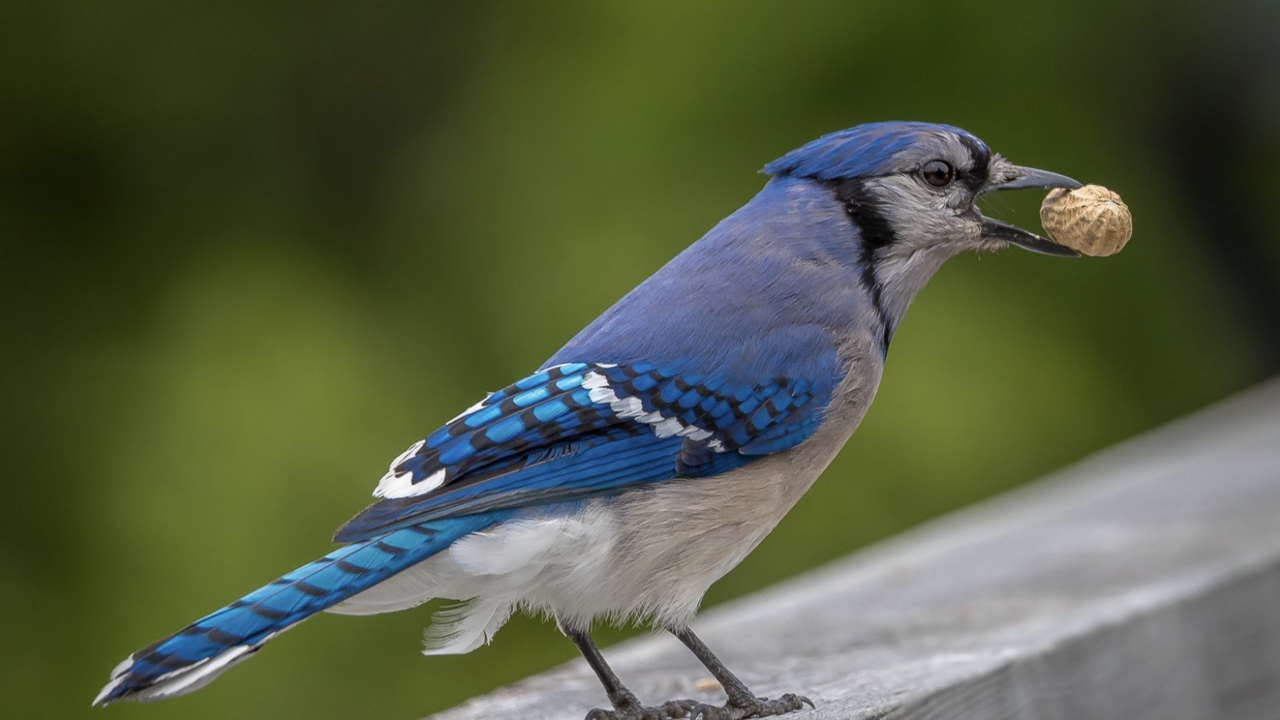
Credit: extension.msstate.edu
Frequently Asked Questions
How Can I Quickly Identify Birds In My Backyard?
Observe the bird’s size, color, and behavior carefully. Use a bird guidebook or app to match these features. Note any unique sounds or flight patterns for better identification.
What Tools Help Identify Backyard Birds Accurately?
Bird identification apps, binoculars, and field guides are essential. Apps provide instant information, while binoculars help see details clearly. Combining tools improves accuracy and enjoyment.
Why Is Bird Behavior Important For Identification?
Birds show unique behaviors like feeding style and flight patterns. These actions help distinguish similar-looking species. Observing behavior adds valuable clues for correct identification.
How Do Bird Calls Assist In Identification?
Bird calls and songs are species-specific. Listening carefully can confirm a bird’s identity. Use audio guides or apps to compare and learn common backyard bird sounds.
Conclusion
Identifying birds in your backyard is fun and rewarding. Notice their size, color, and sounds closely. Use a simple guide or app to help. Watch their behavior and where they like to stay. Take your time and enjoy the quiet moments.
Each bird tells a different story. Keep practicing, and you will get better. Nature is full of surprises, right outside your door. Happy birdwatching!




