
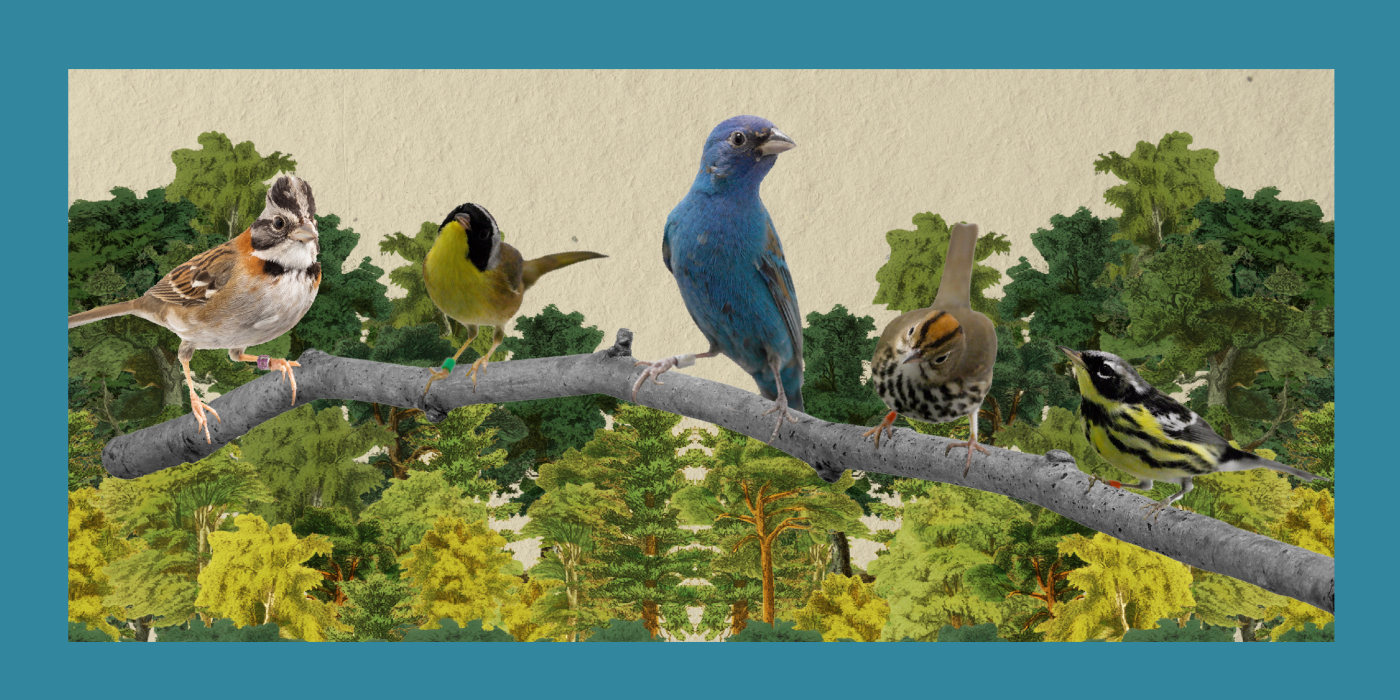
Have you ever stopped to think about the birds you see in the forest? They do much more than just sing and add beauty to your surroundings.
Birds play a vital role in keeping forests healthy and thriving. From spreading seeds to controlling pests, their actions help maintain the balance of nature that you rely on. If you want to understand how these feathered friends impact the forest and why their presence matters to you, keep reading.
You might be surprised by just how important birds are to the health of our forests.
Credit: nationalzoo.si.edu
Birds As Seed Dispersers
Birds play a big role in spreading seeds across forests. They eat fruits and carry seeds far away.
This helps new plants grow in many places. Birds make sure forests stay healthy and full of life.
Role In Plant Regeneration
Birds help plants grow by moving seeds to new spots. Seeds pass through birds’ stomachs and stay ready to grow.
- Birds eat fruits from many trees and shrubs.
- Seeds travel inside birds and drop in new places.
- Seed dropping helps plants grow where there is space.
- Birds reach places hard for seeds to get by wind.
Impact On Forest Diversity
| Bird Type | Seed Dispersal Distance | Effect on Diversity |
| Small songbirds | Short | Help local plant growth |
| Large fruit-eaters | Long | Spread seeds over wide areas |
| Forest edge birds | Medium | Mix plants from inside and outside forest |
Birds help forests have many kinds of plants. Their seed spreading keeps forests strong and varied.

Credit: www.arborday.org
Birds Controlling Insect Populations
Birds play a big role in keeping forests healthy. They eat many insects that can harm trees and plants.
By controlling insect numbers, birds help maintain a balanced environment in the forest.
Natural Pest Management
Birds act as natural pest controllers. They eat bugs like caterpillars, beetles, and aphids.
This reduces the need for chemical pesticides, which can harm the forest and other animals.
- Birds hunt insects during the day and night
- They target insects that damage leaves and bark
- Birds help keep insect outbreaks from spreading
Maintaining Tree Health
By eating harmful insects, birds help trees stay strong and grow well.
Healthy trees support other forest life and keep the ecosystem stable.
- Fewer insects mean less damage to tree leaves and bark
- Birds prevent diseases spread by insect pests
- Strong trees produce more oxygen and shelter
Birds And Nutrient Cycling
Birds play a key role in forest health by cycling nutrients. They help move important materials through the ecosystem.
Their actions enrich the soil and support plant growth. This supports a balanced and thriving forest environment.
Contributions Through Droppings
Bird droppings contain nutrients like nitrogen and phosphorus. These nutrients come from the food birds eat and help fertilize the forest floor.
- Bird droppings add organic matter to the soil.
- They help break down leaf litter and dead wood.
- Droppings feed soil microbes that improve soil health.
Enhancing Soil Fertility
Birds improve soil fertility by spreading nutrients in their droppings. This supports plant roots and helps trees grow stronger.
| Soil Benefit | Effect |
| Nitrogen | Boosts plant growth |
| Phosphorus | Improves root strength |
| Organic Matter | Enhances soil structure |
Birds Supporting Pollination
Birds play a key role in pollinating many forest plants. They move pollen as they feed on nectar or fruit.
This helps plants produce seeds and grow new trees. Birds support forest health by aiding pollination.
Pollination Of Forest Plants
Some birds, like hummingbirds, visit flowers to get nectar. Pollen sticks to their feathers or beaks.
When they visit the next flower, they transfer pollen. This spreads genetic material between plants.
- Birds pollinate flowers that insects often miss
- They help plants bloom in shady forest areas
- Birds support diverse plant species by pollination
Effects On Plant Reproduction
Pollination by birds increases seed production in many plants. This leads to more young trees and shrubs.
With more seeds, plants can spread over larger areas. This helps forests stay healthy and grow stronger.
- Improves plant genetic diversity
- Supports forest regeneration and growth
- Maintains food sources for other wildlife
Birds As Indicators Of Forest Health
Birds play an important role in showing the health of forests. Their presence or absence can tell us a lot about the condition of the ecosystem.
Scientists use bird populations to track changes in forests and detect problems early.
Monitoring Ecosystem Changes
Bird species react quickly to changes in their environment. This makes them useful for watching how forests change over time.
- Different bird species need specific habitats.
- Changes in bird numbers can signal shifts in forest conditions.
- Monitoring birds helps track effects of pollution or climate change.
- Bird surveys give data on forest diversity and health.
Early Warning Signs
Birds show early signs of forest stress before other animals do. This helps people act to protect forests.
| Indicator | What It Shows |
| Decline in insect-eating birds | Loss of insect populations or pesticide use |
| Disappearance of ground-nesting birds | Habitat destruction or increased predators |
| Increase in invasive species birds | Forest imbalance and weakened native species |
| Changes in migration patterns | Climate change effects on forest timing and resources |
Threats To Bird Populations
Birds play a vital role in maintaining forest health. They help in seed dispersal and pest control. However, several threats endanger bird populations today.
Their declining numbers affect the balance of forest ecosystems. Understanding these threats can help in conservation efforts.
Habitat Loss And Fragmentation
Habitat loss is a major threat to birds. Deforestation and land development destroy their natural homes. Birds need large areas to find food and breed.
Fragmentation makes it hard for birds to move between habitats. This limits their access to food and nesting sites. It also increases competition among species.
- Urban expansion reduces forest areas
- Agriculture converts forests into farmland
- Roads and fences break up natural habitats
Climate Change Effects
Climate change alters weather patterns. Birds rely on these patterns for migration and breeding. Changes in temperature and rainfall affect their survival.
Some birds might not find food at new locations. This can lead to starvation. Extreme weather events also destroy nests and habitats.
- Warmer temperatures shift bird migration times
- Unpredictable weather affects breeding cycles
- Increased storms damage nesting areas
Conservation Efforts For Forest Birds
Birds play a vital role in maintaining the health of forests. They help control pests and assist in seed dispersal. Conservation efforts are crucial to protect these birds and their habitats.
Efforts focus on safeguarding their living environments and engaging communities. By doing so, we ensure forests remain healthy and vibrant.
Protecting Habitats
Protecting the natural habitats of forest birds is essential. Conservationists work hard to preserve these areas from destruction.
- Establishing protected areas for wildlife
- Restoring damaged ecosystems
- Preventing illegal logging and deforestation
Community Involvement
Community involvement is key in conservation efforts. People can actively participate in various initiatives to support forest birds.
| Initiative | Action |
| Tree Planting | Plant native trees to create bird habitats |
| Education Programs | Teach about the importance of birds in forests |
| Citizen Science | Participate in bird counting and monitoring projects |
Credit: dnrc.mt.gov
Frequently Asked Questions
How Do Birds Help In Seed Dispersal?
Birds eat fruits and carry seeds to new locations. This process helps plants spread and grow in diverse forest areas, promoting forest regeneration and biodiversity.
Why Are Birds Important For Pest Control?
Birds consume insects and pests that damage trees. Their natural pest control reduces the need for chemicals, maintaining a balanced and healthy forest ecosystem.
How Do Birds Contribute To Nutrient Cycling?
Birds contribute to nutrient cycling by depositing droppings. These droppings enrich the soil with essential nutrients, supporting plant growth and overall forest vitality.
Can Birds Influence Forest Regeneration?
Yes, birds assist forest regeneration by dispersing seeds and controlling pests. Their activities ensure new plants grow, helping forests recover from damage and maintain health.
Conclusion
Birds play a key role in keeping forests healthy. They spread seeds that help new plants grow. Birds also eat insects that can harm trees. Their movements support forest diversity and balance. Healthy forests provide clean air and shelter for many animals.
Protecting birds means protecting forests too. We all benefit from strong, vibrant forests. Let’s appreciate the small birds that make a big difference. Their work keeps forests alive and thriving.




