
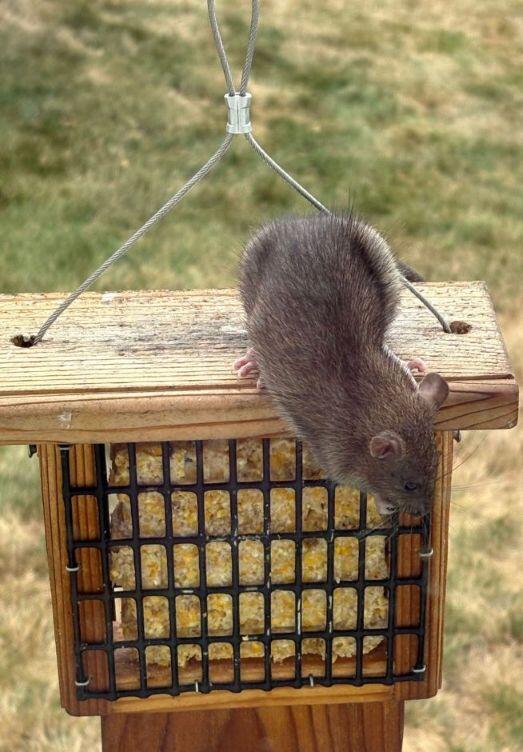
Have you ever noticed tiny footprints near your bird feeder and wondered if mice or rats are sneaking in for a free meal? If you love feeding birds but worry about inviting unwanted guests, you’re not alone.
Understanding whether bird feeders attract these rodents can help you protect your home and keep your garden safe. You’ll discover the surprising truth about bird feeders and rodents—and learn simple tips to enjoy birdwatching without the hassle of pests. Keep reading to find out how to strike the perfect balance!
How Bird Feeders Work
Bird feeders are designed to offer food to birds, but how exactly do they work? At their core, bird feeders hold seeds or other food items in a way that allows birds to access them easily while minimizing waste. However, the way these feeders are built and the type of food they contain can influence which creatures come to your yard.
Understanding how bird feeders operate helps you manage who visits your garden. Have you ever noticed more than just birds showing up? It’s often the design and ingredients that attract unwanted guests like mice and rats.
Types Of Bird Feeders
Bird feeders come in many shapes and sizes, each suited for different types of birds and feeding habits. Some common types include:
- Tube Feeders:Long, cylindrical feeders with multiple feeding ports, ideal for small birds like finches and chickadees.
- Hopper Feeders:Box-shaped feeders that hold a large quantity of seeds, attracting medium to large birds.
- Suction Cup Feeders:Attach directly to windows, offering a close-up view of the birds.
- Platform Feeders:Open trays that allow birds to feed on a flat surface, but they often expose seeds to squirrels and rodents.
- Nectar Feeders:Designed for hummingbirds, holding liquid nectar instead of seeds.
Your choice of feeder affects not only the types of birds visiting but also the chances of attracting other animals. For example, platform feeders often spill seeds, creating ground litter that rodents love.
Common Bird Feeder Ingredients
What you put in your bird feeder plays a big role in who comes to your yard. Most feeders contain seeds, but not all seeds are equal in attracting unwanted pests.
- Sunflower Seeds:Popular with many birds, but their shells can scatter and feed rodents.
- Millet:Favored by smaller birds like sparrows and doves; less appealing to rodents.
- Safflower Seeds:Birds like cardinals enjoy these, but squirrels and rodents usually avoid them.
- Peanuts:Loved by woodpeckers and jays, but can attract rats if left out too long.
- Cracked Corn:Can attract larger birds and rodents alike.
If you’ve ever found seeds scattered on the ground, you might wonder if that’s what’s drawing mice or rats. Spilled seeds create an easy food source, making your yard a hotspot for rodents. What small changes can you make to reduce this risk while still feeding your feathered friends?
Why Mice And Rats Are Drawn To Feeders
Have you ever noticed small footprints or droppings near your bird feeder and wondered if mice or rats are paying a visit? Bird feeders can unintentionally become a buffet for these rodents. Understanding why mice and rats are drawn to feeders helps you take smart steps to protect your yard and home.
Food Sources For Rodents
Bird feeders often spill seeds and nuts onto the ground, creating easy meals for rodents. These scattered crumbs attract mice and rats because they don’t have to work hard to find food. Even the leftover bits inside feeders can be irresistible, especially during colder months when natural food is scarce.
Think about your own experience—when food is readily available, you don’t search far. Rodents act the same way. If your feeder drops sunflower seeds or millet, expect visitors beyond just birds.
Shelter And Nesting Spots Nearby
Rodents need more than food; they seek safe places to hide and build nests. Dense shrubs, woodpiles, and clutter near feeders provide ideal shelter. If your yard offers these cozy spots, mice and rats are more likely to stick around.
Have you checked the areas around your feeder lately? Clearing brush and trimming plants can reduce hiding places, making your feeder less appealing to rodents. Sometimes, a little yard cleanup is all it takes to discourage unwanted guests.
Signs Of Rodent Activity Around Feeders
Noticing signs of rodents around your bird feeders can save you from bigger problems later. Mice and rats are attracted to the easy food source, but they also leave clear marks of their presence. Spotting these signs early helps you act quickly before an infestation takes hold.
Droppings And Tracks
One of the most obvious signs of rodents near your feeders is droppings. These are small, dark, and pellet-shaped—usually found beneath the feeder or along nearby walls. If you see these, it’s a strong hint that mice or rats are visiting regularly.
Tracks or footprints in dusty or muddy areas around your feeding station also point to rodent activity. You might notice tiny paw prints or tail marks leading to and from the feeder. Have you checked the ground around your feeder for these subtle clues?
Damage To Feeders And Surroundings
Rodents have sharp teeth that can chew through plastic, wood, and even metal parts of your feeders. If you find holes, gnaw marks, or missing pieces, it’s a clear warning sign. This damage often allows more seed to spill, attracting even more unwanted guests.
Besides feeders, look closely at the surroundings. Chewed seed bags, scratched surfaces, or shredded nesting materials nearby suggest that rodents are making themselves at home. Have you ever noticed seeds scattered far from your feeder? That scattering might be a sign of rodents dragging food away.

Credit: www.livingwithbirds.com
Risks Of Rodents Near Bird Feeders
Bird feeders attract more than just birds. They can also bring rodents like mice and rats. These rodents pose several risks around your home and garden. Understanding these dangers helps protect your space and your feathered friends.
Health Concerns
Rodents carry diseases that can spread to humans and pets. Their droppings and urine can contaminate surfaces and air. This contamination can cause respiratory issues and allergies. Rats and mice may also bring fleas and ticks into your home. These pests can carry serious illnesses. Keeping rodents away reduces these health risks.
Impact On Bird Population
Rodents compete with birds for food at feeders. They often scare birds away by their presence. Mice and rats may also eat bird eggs and young chicks. This decreases bird populations in your area. Large rodent numbers can cause damage to nesting sites. Protecting feeders from rodents supports local bird life.
Preventing Rodents From Invading Feeders
Keeping rodents away from bird feeders protects both your garden and the birds. Rodents like mice and rats are attracted by spilled seeds and easy food sources. Preventing their access helps maintain a clean and healthy feeding area.
Simple changes in how and where you place feeders can reduce rodent visits. Choosing feeders designed to keep rodents out also lowers the chance of infestation. Feeding habits play a big role in minimizing leftover food that attracts pests.
Feeder Placement Tips
- Place feeders at least 5 feet off the ground to limit rodent access.
- Keep feeders away from walls, fences, and dense bushes to reduce hiding spots.
- Use metal poles with rodent baffles to block climbing animals.
- Clear the ground below feeders regularly to remove spilled seeds.
Choosing Rodent-resistant Feeders
- Pick feeders made of metal or heavy-duty plastic that rodents cannot chew.
- Use feeders with small seed ports to prevent seed spillage.
- Consider weight-activated feeders that close when heavier animals land on them.
- Select feeders with built-in seed trays to catch falling seeds.
Feeding Practices To Minimize Attraction
- Only fill feeders with enough seed for a day or two.
- Clean feeders regularly to remove old seeds and debris.
- Use seeds less attractive to rodents, like safflower or nyjer.
- Pick up spilled seeds daily to avoid creating a rodent food source.
Credit: www.mass.gov
Natural Deterrents And Control Methods
Natural deterrents like peppermint oil and mothballs help keep mice and rats away from bird feeders. Keeping the area clean and removing spilled seeds reduces rodent attraction effectively. Using physical barriers also controls unwanted pests without harming birds.
Bird feeders bring joy by attracting beautiful birds to your garden. But they might also invite unwanted guests like mice and rats. Keeping these pests away is essential for a peaceful garden. Thankfully, natural deterrents and control methods can help. These solutions are effective and safe for the environment.Using Scents And Barriers
Certain scents can repel mice and rats. Peppermint oil is a popular choice. Dab some on cotton balls. Place them around the feeder area. This scent is unpleasant to rodents. Another option is to use barriers. Install metal baffles around feeder poles. These prevent rodents from climbing. Keep the area clean. Remove fallen seeds regularly. This reduces food sources for rodents.Safe Trapping Options
Sometimes, traps are necessary. Choose traps that are safe for other animals. Snap traps are effective for mice. Place them strategically near feeders. Use peanut butter as bait. For larger rodents, consider live traps. These allow you to release them far from your home. Always check traps daily. This ensures humane treatment of trapped animals.Balancing Bird Feeding And Rodent Control
Bird feeders can attract mice and rats by spilling seeds on the ground. Keeping feeders clean and using rodent-proof designs helps reduce unwanted visitors. Regularly removing fallen seeds limits food sources for rodents near your yard.
Balancing Bird Feeding and Rodent Control Feeding birds can bring joy and life to your garden. Yet, it might also attract unwanted rodents like mice and rats. Striking a balance between bird feeding and rodent control is crucial. You can enjoy watching birds without inviting pests. Here are some effective strategies to maintain that balance.Maintaining Clean Feeding Areas
Regular cleaning of bird feeding areas reduces the risk of attracting rodents. Spilled seeds on the ground are a magnet for mice and rats. Use feeders with trays to catch falling seeds. Sweep or rake the ground beneath feeders often. This keeps the area tidy and less appealing to rodents.Regular Maintenance And Monitoring
Consistent monitoring of your bird feeding setup helps in early rodent detection. Check feeders and surrounding areas for signs of rodent activity. This includes droppings or gnaw marks. If you spot these signs, take immediate action to address the issue. Regular maintenance ensures your bird feeding station remains a safe and inviting space for birds only.
Credit: www.amazon.com
Frequently Asked Questions
Do Bird Feeders Attract Mice And Rats?
Yes, bird feeders can attract mice and rats. The spilled seeds and food scraps on the ground provide easy food sources for these rodents, encouraging them to visit your yard frequently.
How Can I Prevent Rodents Near Bird Feeders?
To prevent rodents, clean up spilled seeds regularly. Use rodent-proof feeders and place feeders away from walls or low surfaces to reduce access for mice and rats.
Are Certain Bird Feeders Less Attractive To Rodents?
Tube feeders and those with seed trays tend to attract more rodents. Hopper feeders with enclosed seed storage are less accessible and can reduce rodent visits.
What Types Of Seeds Attract Mice And Rats?
Sunflower seeds, millet, and cracked corn are highly attractive to rodents. Avoid using these or clean up thoroughly to minimize rodent attraction around feeders.
Conclusion
Bird feeders can attract mice and rats because of the spilled seeds. These rodents search for easy food sources near homes. Keeping feeders clean helps reduce unwanted visitors. Choosing feeders that limit seed spillage works well. Store extra birdseed in tight containers to avoid pests.
Watching your feeders closely lets you act early. A little care can keep your yard rodent-free. Enjoy feeding birds without inviting mice and rats. Simple steps make a big difference in pest control.




