
Have you ever wished you could watch birds up close without disturbing them? Bird cameras let you do just that.
These small devices capture amazing moments of bird life right in your backyard or a nearby park. Imagine seeing a mother bird feeding her chicks or a rare species visiting your garden—all from the comfort of your home. If you want to learn how bird cameras can bring nature closer to you and why they are becoming a must-have for bird lovers, keep reading.
Your next unforgettable bird-watching experience might be just a camera away.

Credit: www.amazon.ca
Benefits Of Bird Cameras
Bird cameras bring many benefits to bird watchers and researchers alike. They help capture moments that are hard to see with the naked eye. These devices allow close observation without disturbing birds in their natural habitats.
With bird cameras, people can study bird behavior, nesting, and migration more easily. These insights support conservation efforts and deepen our understanding of bird life.
Capturing Rare Bird Behavior
Bird cameras record unique and rare actions. They catch feeding, mating, and other behaviors that happen quickly or quietly. These moments often go unnoticed without continuous observation. Cameras offer a way to watch birds over long periods without human presence.
Monitoring Nesting Patterns
Bird cameras track nests from eggs to fledglings. They show how birds care for their young and protect nests. This information helps scientists learn about breeding success and threats. Monitoring nesting patterns aids in preserving species and habitats.
Studying Migration Routes
Cameras placed in key locations help follow bird migration. They record which species pass by and when. This data reveals migration timing and routes. Understanding migration helps protect important stopover sites and plan conservation actions.
Types Of Bird Cameras
Bird cameras help capture close-up images of birds without disturbing them. Different types include trail cameras, nest box cameras, and motion-activated cameras. Each serves to observe bird behavior and support birdwatching or research efforts.
Bird cameras have become essential for bird enthusiasts and researchers. They offer a glimpse into the fascinating world of birds. Different types of bird cameras serve various purposes. Whether you’re a hobbyist or a professional, understanding these types can enhance your bird-watching experience.Trail Cameras
Trail cameras are versatile and easy to set up. They capture images and videos of birds in their natural habitat. These cameras are motion-activated. They record whenever they detect movement. Trail cameras are often weather-resistant. This makes them ideal for outdoor use.Nest Box Cameras
Nest box cameras are designed to monitor bird nests. They provide insights into nesting behaviors. These cameras are installed inside birdhouses. They allow you to watch without disturbing the birds. Nest box cameras are typically small and unobtrusive. This ensures they do not interfere with the birds.Live Streaming Cameras
Live streaming cameras broadcast live footage online. They let bird watchers observe real-time activities. These cameras are often used in popular bird sites. Live streaming offers a continuous view of birds. It’s perfect for those who can’t be there in person.Setting Up Bird Cameras
Setting up bird cameras takes some planning and care. The right setup helps capture clear and natural bird behavior. Placement, hiding, and power are key factors. Small details make big differences in results.
Choosing The Right Location
Pick spots where birds often visit. Near feeders, nests, or water sources are good choices. Avoid places with heavy human traffic to keep birds calm. Position cameras at eye level for better shots. Check for natural light but avoid harsh sunlight. Test different angles to find the best view.
Camouflage Techniques
Hide cameras to prevent scaring birds. Use natural materials like leaves, bark, or moss. Match camera colors with the environment. Keep the lens clean and avoid shiny surfaces. Avoid moving branches in front of the lens. Secure cameras firmly to stop shaking in the wind.
Power And Connectivity Options
Choose power sources based on location and camera type. Batteries offer flexibility but need regular changing. Solar panels provide long-term power in sunny spots. Some cameras connect via Wi-Fi or cellular networks. Wireless options allow remote viewing and control. Test signal strength before final placement.
Analyzing Bird Footage
Analyzing bird footage offers a unique window into the lives of birds that you might never observe in person. Watching recorded videos lets you pause, rewind, and study details at your own pace. This careful examination can reveal surprising facts about different species and their habits.
Identifying Species
Bird cameras capture clear images that help you spot key features like plumage color, beak shape, and size. These clues are essential to correctly identifying species, especially those that look similar at first glance.
Have you ever struggled to tell apart two birds in your garden? Reviewing footage can make it easier to notice subtle differences you missed in real time.
Using apps or field guides alongside your videos can speed up the identification process and improve your bird knowledge.
Behavioral Insights
Bird cameras let you observe behaviors that are often too quick or subtle to catch live. You might see how birds build nests, feed their young, or interact with others in their territory.
One surprising discovery I made was how some birds use tools to gather food—something I never noticed before watching slow-motion playback.
Watching these behaviors helps you understand bird needs and challenges, which can influence how you support them in your area.
Data Collection And Research
Footage from bird cameras provides valuable data for both amateur birdwatchers and scientists. You can record the frequency of visits, timing of activities, and changes across seasons.
This information can contribute to citizen science projects or help track local bird population health.
What patterns might you uncover by consistently reviewing your bird videos? Even small observations can add up to important insights.
Impact On Wildlife Conservation
Bird cameras play a vital role in wildlife conservation by offering real-time insights into bird behavior and habitats. These devices help researchers and conservationists monitor species without disturbing them. The data collected aids in protecting ecosystems and informing conservation strategies.
Supporting Habitat Protection
Bird cameras provide detailed footage of birds in their natural surroundings. This helps identify critical habitats that need protection. Conservationists can track changes in these areas over time. Protecting these habitats ensures birds have safe places to live and breed.
Engaging Citizen Scientists
Bird cameras invite the public to participate in bird watching from home. Many people share footage and report sightings, increasing data collection. This broad participation helps gather more information quickly and from diverse locations. Citizen involvement raises awareness about bird conservation.
Influencing Policy Decisions
Data from bird cameras supports strong evidence for environmental policies. Clear records of bird activity highlight the need for habitat preservation laws. Policymakers use this information to make informed decisions. This leads to better protection measures for bird populations and their homes.

Credit: gardepro.com
Challenges And Ethical Considerations
Bird cameras offer a unique window into the lives of our feathered friends, but they come with their own set of challenges and ethical questions. Balancing the desire to observe with the responsibility to protect is key. Let’s look at some important points you should consider when using these devices.
Minimizing Disturbance
One major challenge is ensuring the camera doesn’t disrupt the birds’ natural behavior. Placing cameras too close or making sudden adjustments can scare them away or interfere with nesting. You want to observe, not disturb, so think carefully about where and how you set up your equipment.
Try using camouflaged setups or motion-activated cameras to reduce human presence. Patience is essential—sometimes waiting quietly at a distance gives you better results and keeps the birds comfortable. How often do you check your cameras? Frequent visits might stress the birds more than you realize.
Privacy Concerns
Although bird cameras focus on wildlife, they can unintentionally capture images of people nearby. This raises privacy issues, especially if the footage is shared publicly. You must be mindful of local laws and respect the privacy of others when setting up your gear.
Consider positioning cameras away from paths and homes. Inform neighbors if you plan to install cameras in shared spaces. How would you feel if your private moments were recorded without consent? Respecting privacy builds trust and keeps your birdwatching ethical.
Technical Limitations
Bird cameras can be tricky to use effectively. Poor lighting, weather conditions, and technical glitches often affect image quality. Sometimes you might miss key moments because of slow triggers or limited battery life.
Invest in reliable, weatherproof models and test them before critical observation periods. Regular maintenance is crucial to avoid downtime. What’s your backup plan if the camera fails at a crucial moment? Being prepared helps you capture the best footage without frustration.
Future Trends In Bird Monitoring
The future of bird monitoring looks promising with new technologies. Bird cameras play a crucial role in this evolution. They help us understand bird behavior and migration patterns. As technology advances, new trends are emerging.
Ai And Machine Learning Integration
AI and machine learning are transforming bird monitoring. These technologies can identify bird species automatically. They analyze patterns and provide valuable insights. AI can predict bird migration and habitat changes. This helps in conservation efforts worldwide.
Improved Camera Technologies
Camera technologies are improving rapidly. High-resolution cameras capture clear images even in low light. Some cameras are equipped with night vision and thermal imaging. This allows for monitoring birds around the clock. Improved sensors detect subtle movements, providing accurate data.
Expanding Citizen Science Programs
Citizen science programs are gaining popularity. These programs allow bird enthusiasts to contribute data. Bird cameras are essential tools for these projects. They enable people to observe and record birds in their natural habitat. This collective effort enhances data accuracy and coverage.
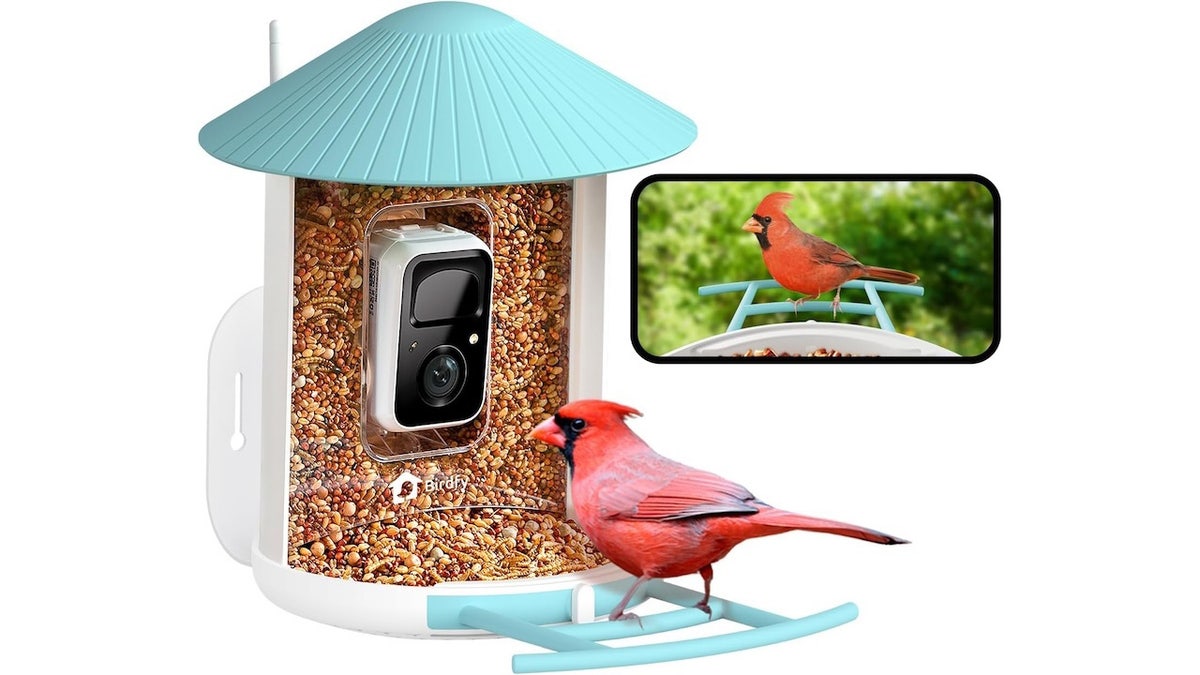
Credit: www.foxnews.com
Frequently Asked Questions
What Are The Main Benefits Of Bird Cameras?
Bird cameras help observe birds closely without disturbing them. They provide real-time footage for research and birdwatching. They also aid in studying bird behavior, nesting, and feeding habits.
How Do Bird Cameras Improve Bird Conservation Efforts?
Bird cameras monitor bird populations and habitat health. They help detect threats like predators or environmental changes. This data supports effective conservation strategies and protects endangered species.
Can Bird Cameras Be Used For Educational Purposes?
Yes, bird cameras offer live views for schools and nature programs. They engage students with real wildlife scenes. This promotes awareness and interest in bird conservation.
Are Bird Cameras Easy To Install And Use?
Most bird cameras are user-friendly with simple setups. They often feature motion sensors and wireless connectivity. This makes monitoring birds convenient and accessible for everyone.
Conclusion
Bird cameras help us see birds up close without disturbing them. They offer a unique way to learn about bird behavior and habitats. These cameras support bird watching and help protect wildlife. Anyone interested in nature can enjoy the clear, close views.
Bird cameras make bird watching easier and more fun. They bring nature right to your screen. A simple tool with many benefits for bird lovers.




