
Are you thinking about adding a splash of color and a burst of personality to your home? Exotic birds can bring joy, beauty, and even companionship into your life like no other pet.
But with so many stunning species out there, how do you know which ones are the best fit for you? Whether you want a lively chatterbox, a gentle companion, or a bird that’s easy to care for, this guide will help you discover the exotic birds that make the best pets.
Keep reading to find the perfect feathered friend waiting just for you.

Credit: birdsnways.com
Popular Exotic Pet Birds
Exotic pet birds attract many people with their bright colors and lively personalities. These birds bring joy and charm into homes. They vary in size, sound, and care needs. Choosing the right exotic bird depends on your lifestyle and preferences. Some species are easy to care for, while others need more attention. Here are some popular exotic pet birds to consider.
Colorful Parrots
Parrots are famous for their vivid feathers and intelligence. They can mimic sounds and learn simple words. Many species, like the African Grey and Amazon parrots, form strong bonds with owners. Parrots need social interaction and mental stimulation. Their playful nature makes them fun pets. They require a large cage and a varied diet. Parrots live for many years, so they are a long-term commitment.
Unique Finches
Finches are small, active birds with beautiful patterns. They are quieter than parrots and enjoy flying around. Finches are social and do well in groups. They need a spacious cage and fresh food daily. These birds are easier to care for, ideal for beginners. Finches bring gentle sounds and lively movement to any home. Their small size makes them perfect for limited spaces.
Charming Lovebirds
Lovebirds are small parrots known for their affectionate behavior. They are colorful and have a playful spirit. These birds often form strong bonds with their owners or other lovebirds. Lovebirds need daily social time and toys to stay happy. They thrive in pairs but can also enjoy human company. Their care requires a balanced diet and a clean cage. Lovebirds brighten any room with their lively energy.

Credit: birdsnways.com
Traits Of Great Pet Birds
Choosing the right exotic bird as a pet means understanding the key traits that make them great companions. These traits affect how well the bird fits into your lifestyle and home. Knowing what to look for helps you avoid surprises and build a strong bond with your feathered friend.
Temperament And Behavior
Your bird’s personality shapes daily life with it. Some exotic birds are social and enjoy interaction, like cockatoos and African greys, while others prefer quiet and solitude. Pay attention to how a bird reacts to handling and new environments.
I once cared for a parrot that loved to mimic sounds but grew anxious around strangers. This taught me to choose birds whose behavior matches my ability to provide attention and comfort.
Noise Levels
Noise can be a dealbreaker for many pet owners. Some exotic birds, such as macaws, are naturally loud and vocal throughout the day. Others, like budgerigars, tend to be quieter but still communicate regularly with chirps and whistles.
Consider your living situation—do you have neighbors close by or work late shifts? Your tolerance for bird noise will influence the species that fits best in your home.
Lifespan And Commitment
Exotic birds often live for decades, sometimes 50 years or more. This means you’re making a long-term commitment. Smaller birds like lovebirds might live 10-15 years, while larger parrots can outlive many pets you’re used to.
Ask yourself if you’re ready for this responsibility. Can you provide care not just now but for the bird’s entire life? Planning ahead saves stress for both you and your pet.
Top Exotic Bird Choices
Exotic birds bring vibrant colors and lively personalities into homes. They offer companionship and unique charm. Choosing the right exotic bird depends on your lifestyle and space. Some species are talkative and social, while others are quieter and independent.
Here are some top exotic bird choices that make great pets. Each has special traits that attract bird lovers worldwide.
Macaws
Macaws are large, colorful parrots known for their intelligence. They form strong bonds with owners and enjoy interaction. Their loud calls need a spacious, noise-tolerant home. Macaws require plenty of attention and mental stimulation. They can live for decades, becoming lifelong companions.
Cockatoos
Cockatoos are affectionate and playful birds. They thrive on social interaction and often seek human attention. Their crest feathers add to their charm and express emotions. Cockatoos need daily activities to avoid boredom and stress. They can mimic sounds and develop a strong bond.
African Greys
African Greys are famous for their exceptional talking skills. They have a gentle nature and high intelligence. These birds enjoy puzzles and learning new tricks. African Greys prefer calm environments and consistent routines. They require mental challenges to stay happy and healthy.
Canaries
Canaries are small, colorful birds known for their singing. They are low-maintenance and perfect for smaller spaces. Canaries prefer peaceful settings and do not need much handling. Their beautiful songs brighten any room. They live shorter lives but offer joyful companionship.
Care Essentials For Exotic Birds
Caring for exotic birds requires attention to their unique needs. Proper care ensures these beautiful pets stay healthy and happy. Understanding their housing, diet, and health needs is essential for responsible ownership.
Housing And Environment
Exotic birds need spacious cages to move freely. Choose cages made of safe, non-toxic materials. Place the cage in a quiet area with natural light but away from direct sunlight. Maintain a stable temperature between 65°F and 80°F. Provide perches of various sizes for foot health. Keep the cage clean by removing waste daily and changing the lining regularly. Offer toys and enrichment to prevent boredom and encourage exercise.
Diet And Nutrition
A balanced diet supports strong feathers and good health. Most exotic birds thrive on a mix of pellets, fresh fruits, and vegetables. Avoid feeding only seeds, as they lack essential nutrients. Fresh water must be available at all times. Include calcium sources like cuttlebone or mineral blocks. Rotate food options to provide variety and essential vitamins. Monitor eating habits to spot any changes early.
Health And Veterinary Care
Regular health checks catch problems early. Find a vet experienced with exotic birds. Schedule annual wellness exams for your bird. Watch for signs of illness such as changes in appetite, feathers, or droppings. Keep vaccines and parasite control up to date. Quarantine new birds before introducing them to others. Good hygiene and a stress-free environment reduce health risks.
Training And Socializing Tips
Training and socializing exotic birds take patience and consistent effort. These intelligent creatures thrive on interaction and mental stimulation. Without proper training, even the most beautiful birds can develop habits that make living together difficult.
Building Trust
Trust is the foundation of any good relationship with your bird. Spend quiet time near your bird’s cage without trying to touch it. Let your bird get used to your presence and voice.
Offer treats by hand, but don’t force your bird to take them. This gentle approach shows respect for your bird’s comfort zone. Over time, your bird will begin to see you as a safe and friendly companion.
Teaching Tricks
Start with simple commands like “step up” to encourage your bird to hop onto your hand. Use clear, consistent words and gestures. Reward your bird immediately with a favorite treat or praise.
Keep training sessions short—around 5 to 10 minutes—to hold your bird’s attention. Repeating these sessions daily helps your bird learn faster. Have you noticed how birds respond better when training feels like play?
Handling Behavioral Issues
Birds may scream, bite, or pluck feathers when stressed or bored. Identify the cause by observing your bird’s environment and daily routine. Sometimes, adding toys or increasing interaction can reduce unwanted behaviors.
Never punish your bird physically; it damages trust and worsens problems. Instead, redirect attention to positive behaviors and reward those. How do you currently handle your bird’s challenging moments?
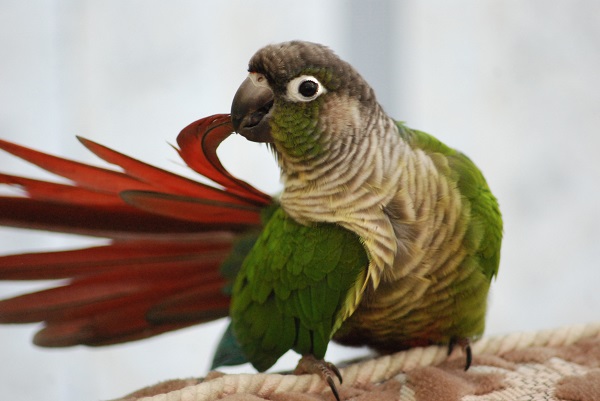
Credit: www.northernparrots.com
Legal And Ethical Considerations
Owning exotic birds requires understanding legal and ethical considerations. Some species face restrictions due to conservation laws. Ethical bird ownership involves providing proper care, space, and social interaction.
Owning an exotic bird as a pet can be a rewarding experience, adding vibrant color and delightful sounds to your home. However, before bringing one of these fascinating creatures into your life, it’s essential to consider the legal and ethical aspects. Understanding these factors ensures not just a happy pet, but also a responsible and informed ownership journey.Permits And Regulations
Acquiring an exotic bird isn’t as straightforward as picking up a parrot from a pet store. Many regions require specific permits and adhere to strict regulations. These laws are designed to protect both the birds and native wildlife. Research your local laws thoroughly. Some species might be prohibited due to their potential environmental impact. Contact your local wildlife authority to ensure compliance and avoid hefty fines or penalties.Sourcing Responsibly
The allure of a vibrant macaw or a charming cockatoo can be irresistible. But where and how you obtain your bird matters greatly. Always choose reputable breeders or adoption centers. Avoid supporting illegal wildlife trade by steering clear of sellers who cannot provide proper documentation. Responsible sourcing helps prevent the exploitation of wild populations and ensures you are getting a healthy, well-cared-for pet.Conservation Impact
Bringing an exotic bird into your home can have broader implications on conservation efforts. Many species are endangered, and their removal from the wild can exacerbate their decline. Consider adopting from rescue organizations. This not only gives a second chance to a bird in need but also reduces demand for wild-caught birds. How can your choice contribute positively to conservation? By being mindful of these considerations, you actively participate in preserving our planet’s biodiversity. Your choices have power—choose wisely and responsibly.Frequently Asked Questions
What Exotic Birds Are Best For Beginner Pet Owners?
Parakeets and cockatiels are ideal for beginners. They require minimal care, are social, and adapt well to home environments. These birds are friendly and easy to train, making them excellent choices for new exotic bird owners.
How Long Do Exotic Pet Birds Typically Live?
Exotic bird lifespans vary widely. Smaller birds like budgerigars live around 5-10 years. Larger parrots can live 40-70 years with proper care. Knowing lifespan helps prepare for long-term commitment when choosing an exotic pet bird.
What Diet Is Best For Exotic Pet Birds?
A balanced diet includes pellets, fresh fruits, and vegetables. Avoid feeding birds avocado, chocolate, or caffeine as these are toxic. Proper nutrition supports their health, vibrant feathers, and longevity.
Are Exotic Birds Noisy As Pets?
Noise levels depend on the species. Parrots are known for loud calls, while canaries and finches are quieter. Choose a bird that suits your noise tolerance and living environment for a harmonious pet experience.
Conclusion
Choosing the right exotic bird brings joy and companionship. Each bird has unique needs and traits. Some are playful, while others enjoy quiet time. Think about your lifestyle before picking a pet. Caring for these birds requires patience and love.
They can brighten your home and heart. Enjoy the journey of finding your feathered friend. A happy bird makes a happy pet owner.




