
Have you ever wondered which birds might move into the birdhouse you put up in your yard? Knowing what birds use bird houses can help you attract the right feathered friends and enjoy watching them up close.
Whether you want to support local wildlife or simply add life to your garden, understanding who’s likely to visit makes all the difference. Keep reading to discover which birds are most likely to call your birdhouse home—and how you can create the perfect space for them.
Common Birds That Use Bird Houses
Bird houses offer safe and cozy homes to many common bird species. They provide shelter from weather and predators. Different birds prefer different house sizes and entrance holes. Understanding which birds use bird houses helps attract them to your yard. Here are some popular birds that often take up residence in bird houses.
Bluebirds
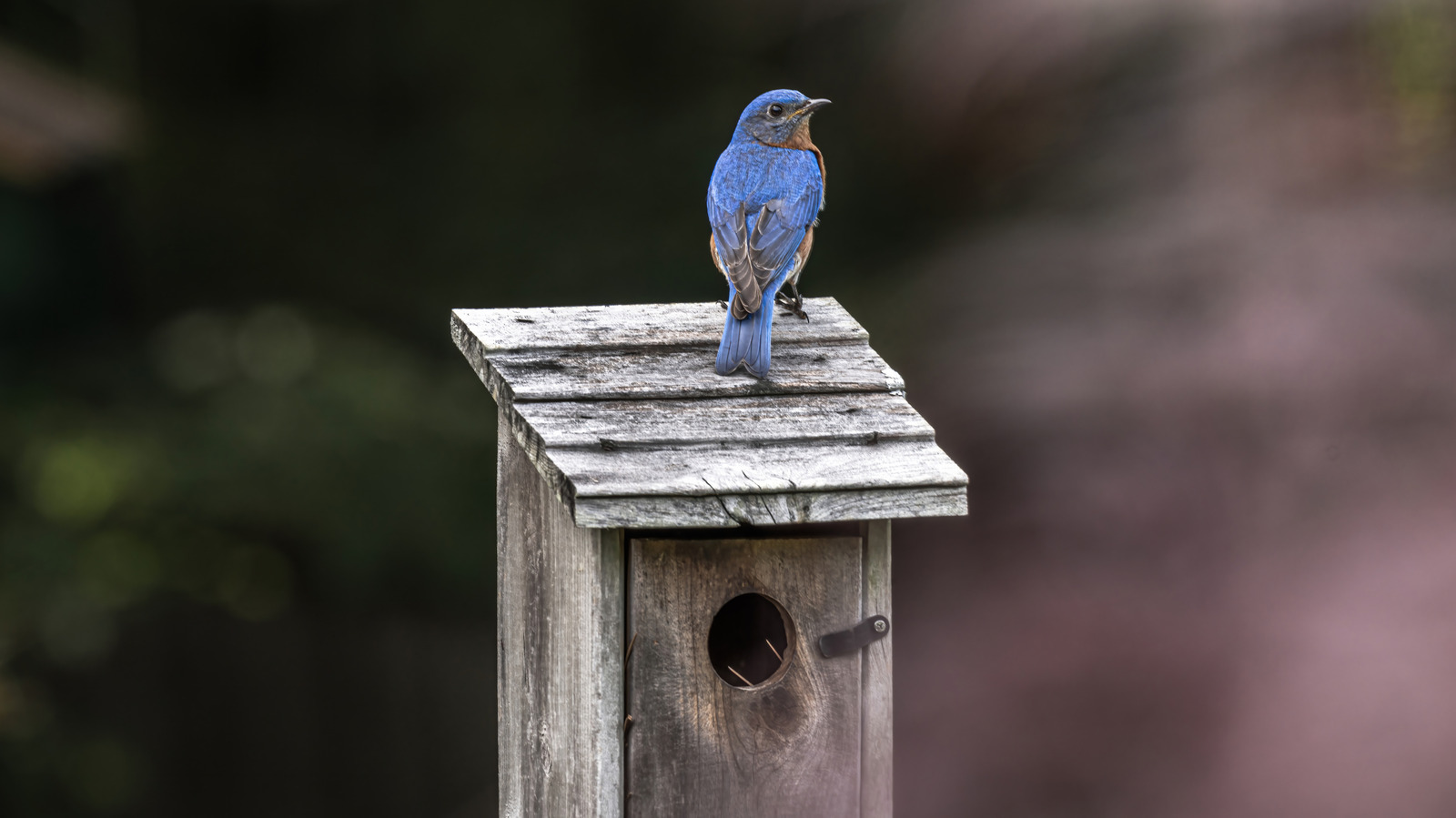
Bluebirds are bright and beautiful birds that love bird houses. They prefer houses with a small entrance hole to keep out larger birds. Bluebirds build nests from grass and pine needles inside the house. They help control insects, making them great garden visitors.
Chickadees
Chickadees are small, curious birds known for their friendly nature. They choose bird houses in quiet, wooded areas. Chickadees line their nests with soft materials like moss and feathers. Their cheerful calls make them a joy to watch.
Wrens
Wrens are active birds that often use bird houses near shrubs or trees. They prefer houses with an entrance hole around one inch in diameter. Wrens build messy nests but fiercely protect their homes. Their lively songs brighten any garden space.
Tree Swallows
Tree swallows are sleek birds that enjoy bird houses near water. They use bird houses with a round entrance hole about 1.5 inches wide. Tree swallows catch insects in flight, helping reduce pests around your home. Their graceful flying adds beauty to the sky.
House Sparrows
House sparrows are common birds that often occupy bird houses. They adapt well to urban and suburban areas. House sparrows build bulky nests inside bird houses. Their presence can sometimes discourage other native birds from nesting.
Preferred Bird House Designs
Choosing the right bird house design can make all the difference in attracting the birds you want to your yard. Different species have specific needs for size, entrance holes, and materials. Paying attention to these details helps create a safe and inviting home for your feathered visitors.
Size And Entrance Hole
The size of the bird house and the diameter of the entrance hole are crucial. Smaller birds like chickadees prefer entrances about 1 1/8 inches wide. Larger birds, such as bluebirds, need holes closer to 1 1/2 inches.
Too large an entrance invites predators or unwanted species. Too small, and your target birds won’t enter. Have you measured the birds in your area to pick the perfect size?
Material Choices
Wood is the best material for bird houses because it insulates well and breathes. Cedar and pine are popular choices since they resist weather damage and last longer. Avoid using metal or plastic, which can get too hot or cold quickly.
Some bird enthusiasts add a natural finish to protect the wood but avoid paint inside the house. Birds prefer a natural surface for nesting. What materials have you tried that worked well in your yard?
Placement Tips
Where you place your bird house matters as much as its design. Mount it at the right height—usually between 5 to 10 feet depending on the bird species. Face the entrance away from prevailing winds to keep the nest dry.
Also, consider nearby vegetation or open space. Some birds like houses near trees, others prefer open fields. Have you noticed where birds in your area tend to build their nests naturally?
Seasonal Nesting Habits
Understanding the seasonal nesting habits of birds can help you choose the right time to set up bird houses and attract specific species. Birds don’t all nest at the same time, and their preferences change with the seasons. Knowing when different birds use bird houses lets you provide better support for their breeding needs.
Spring Nesters
Spring is the busiest season for many birds looking for safe nesting spots. Species like bluebirds, chickadees, and wrens typically arrive early in the season to claim bird houses. You might notice these birds inspecting boxes as soon as temperatures start warming up.
Make sure your bird houses are clean and ready by early spring. This increases the chance that spring nesters will find and use them quickly. Have you ever watched a bluebird carefully build its nest inside a box? It’s a rewarding experience that shows how vital your preparations can be.
Summer Breeders
Some birds prefer to nest later in the season, often in early summer. House sparrows and tree swallows fall into this group and may take over bird houses after spring species have finished. Summer breeders tend to be more tolerant of warm weather inside the boxes.
Keep your bird houses maintained throughout summer to support these breeders. You might even notice a second round of nesting if conditions are right. Are your bird houses durable enough to handle the summer heat and occasional rain?
Late Season Users
Late season users often include species preparing for winter or raising a second brood. Owls, some woodpeckers, and even bats may use bird houses in the late summer or early fall. These visitors show that bird houses can have value beyond the typical nesting season.
Consider leaving bird houses available and undisturbed into the fall. This can give late users a safe place to rest or raise young. Have you thought about how your bird house might serve wildlife even after the main nesting season ends?

Credit: www.callnorthwest.com
Attracting Birds To Your Bird House
Attracting birds to your bird house takes more than just hanging it outside. Birds need comfort and safety to choose a home. Providing the right environment increases the chances of birds settling in. Simple changes in placement, food, and safety make a big difference.
Location Strategies
Place the bird house in a quiet spot. Birds prefer areas with little noise and disturbance. Mount it 5 to 10 feet above the ground. Avoid spots with direct afternoon sun or strong winds. Position the entrance away from prevailing winds. Near trees or shrubs is ideal for shelter and cover.
Food And Water Sources
Birds need food and water close to their home. Offer seeds, nuts, or suet nearby. Use feeders that attract the birds you want. Fresh water is important for drinking and bathing. A shallow birdbath or small dish works well. Keep water clean and refill regularly to prevent disease.
Avoiding Predators
Protect bird houses from cats, raccoons, and snakes. Use metal baffles on poles to stop climbing predators. Avoid placing houses near fences or low branches. Clear dense bushes close to the house to reduce hiding spots. Check the bird house entrance size; it should fit only the target birds. A secure home keeps birds safe and stress-free.
Common Challenges And Solutions
Bird houses attract many types of birds, but several challenges can affect their success. These challenges include invasive species, cleanliness, and weather conditions. Addressing these issues helps create a safe, welcoming space for birds to nest.
Dealing With Invasive Species
Invasive species like starlings and sparrows often take over bird houses. These birds can push out native species. Use entrance holes sized for specific birds to limit access. Placing predator guards can also keep unwanted visitors away. Regular checks help spot invasions early. Removing invasive nests quickly stops them from settling.
Maintenance And Cleaning
Keeping bird houses clean prevents disease and parasites. Clean boxes once a year, preferably in late fall. Remove old nests and debris. Use a mild bleach solution to disinfect the interior. Rinse well and let the house dry before rehanging. Clean houses improve nesting success and attract more birds.
Weather Protection
Bird houses face rain, wind, and sun daily. Weather can damage the structure and harm eggs or chicks. Use durable, weather-resistant wood for building. Add small roof overhangs to keep rain out. Mount houses in shaded spots to avoid overheating. Ensure proper ventilation to keep air flowing without drafts. These steps protect birds and extend the house’s life.
Credit: www.outdoorguide.com

Credit: studyfinds.org
Frequently Asked Questions
What Bird Species Commonly Use Bird Houses?
Common birds that use bird houses include bluebirds, chickadees, wrens, and swallows. These species prefer safe nesting spots.
How Do Bird Houses Benefit Local Bird Populations?
Bird houses provide shelter, protect from predators, and increase nesting opportunities. This helps boost local bird populations.
What Size Bird House Suits Different Birds?
Small birds like chickadees need 1-1. 25 inch openings. Larger birds like woodpeckers need 1. 5-2 inch openings for entry.
Can Bird Houses Attract Unwanted Animals Or Pests?
Yes, squirrels and insects can invade bird houses. Proper design and maintenance reduce such problems effectively.
Conclusion
Bird houses attract many different bird species. They offer safe places for nesting and resting. Small birds like chickadees, wrens, and bluebirds often use them. Providing a bird house helps birds find shelter in your yard. It also supports local wildlife and nature.
Watching birds visit can bring joy and calm. Try placing a bird house in a quiet spot. Remember, clean and maintain it for the best results. Bird houses help birds thrive and make your garden lively. Simple actions can create a friendly space for birds.




