
Do you ever watch the birds visiting your backyard and wish you could capture their beauty in a photo? Photographing birds right outside your door is easier than you think.
With just a few simple tips, you can take stunning pictures that show every feather and every bright eye. Imagine sharing those amazing shots with friends or simply enjoying the peaceful moment of snapping a perfect bird photo. You’ll discover easy steps to get started, no fancy gear needed.
Ready to turn your backyard into a bird photography studio? Let’s dive in!

Credit: www.amazon.com
Choosing The Right Gear
Choosing the right gear is the foundation of capturing stunning bird photos in your backyard. Your equipment can either limit or expand your creative possibilities. Think about what you want to achieve with your photography and select tools that help you get there without overwhelming your budget or learning curve.
Best Cameras For Bird Photography
Look for cameras with fast autofocus and high burst rates; these features help you catch birds in motion. Mirrorless cameras like the Sony A7 III or Canon EOS R series offer excellent image quality and quick focusing. If you prefer DSLRs, models like the Nikon D500 or Canon 90D are reliable choices that balance speed and resolution.
Consider your comfort as well—heavier cameras can tire you out during long sessions. Ask yourself: Can you handle this gear for hours while waiting for the perfect shot? Sometimes, a lighter camera with decent specs works better than a bulky pro model.
Lenses That Capture Details
Telephoto lenses are essential because they let you photograph birds from a distance without disturbing them. A 300mm or 400mm lens is a great starting point for backyard bird photography. If your budget allows, a 600mm lens brings even more detail but can be heavy and expensive.
Don’t overlook image stabilization—it reduces blur caused by hand movements. Prime lenses usually offer sharper images, but zoom lenses give you flexibility to adjust framing quickly. What’s more important to you: sharpness or versatility?
Essential Accessories
- Tripod or monopod:Stabilizes your camera for sharper images during long waits or low light.
- Extra batteries and memory cards:Birds don’t follow your schedule, so be ready to shoot for hours.
- Remote shutter release:Helps avoid camera shake when pressing the shutter button.
- Camouflage or blinds:Keeps you hidden and lets you get closer without scaring birds away.
Each accessory adds a layer of control and convenience to your shooting experience. Think about which ones match your style and needs to avoid carrying unnecessary weight.
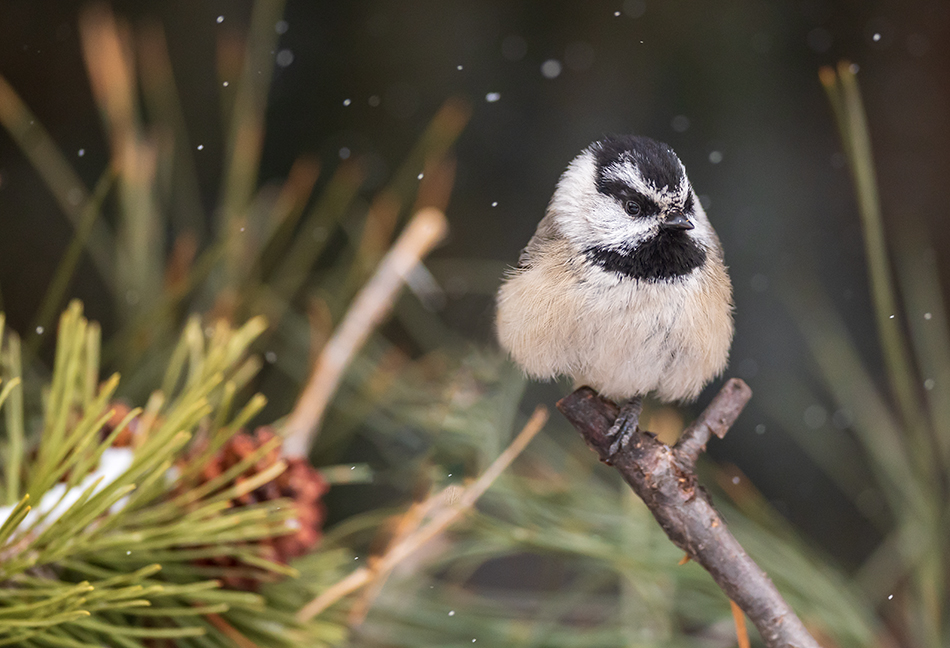
Credit: www.tombolphoto.com
Setting Up Your Backyard
Setting up your backyard for bird photography creates the perfect space to capture stunning images. A well-prepared area attracts various birds and offers ideal conditions for shooting. Simple changes can invite more bird visits and improve your photo opportunities.
Attracting Birds With Feeders
Choose feeders that suit local bird species. Use a mix of seeds like sunflower, millet, and nyjer to draw different birds. Place feeders near natural cover such as bushes or trees. Keep feeders clean to prevent disease. Change seed regularly to keep birds coming back. Consider hanging feeders at different heights for variety.
Creating Natural Habitats
Plant native shrubs and flowers to provide food and shelter. Add a birdbath or small water source for drinking and bathing. Leave some leaf litter for insects that birds eat. Avoid using pesticides that harm wildlife. Create quiet areas to help birds feel safe. Natural habitats encourage longer visits and diverse species.
Optimal Lighting Conditions
Photograph birds early in the morning or late afternoon. Soft light during these times reduces harsh shadows and glare. Position yourself with the sun behind you for better illumination. Avoid shooting in midday sun, which creates strong contrasts. Use natural shade to soften light on birds. Good lighting highlights feathers and colors beautifully.
Camera Settings For Sharp Images
Capturing sharp images of birds in your backyard needs the right camera settings. Adjusting settings carefully helps freeze motion and show details clearly. These settings work together to make your photos crisp and lively.
Shutter Speed And Iso Tips
Fast shutter speeds stop bird movement. Aim for 1/1000 second or faster. This prevents blur from flying or quick moves. Set ISO to balance brightness. Use higher ISO in low light to keep shutter speed fast. But avoid very high ISO to reduce noise. Test settings and adjust for clear, bright shots.
Focus Modes That Work
Use continuous autofocus (AF-C) to track moving birds. This mode keeps the bird sharp as it moves. Single autofocus (AF-S) works well for still birds. Select the right focus point. Choose a small focus area to hit the bird’s eye. Sharp focus on eyes makes photos look alive.
Using Burst Mode Effectively
Burst mode takes many shots quickly. It increases chances of capturing the perfect moment. Use it when birds are flying or active. Review photos later to pick the sharpest ones. Burst mode helps catch wings in motion and interesting poses.
Techniques For Capturing Action
Capturing birds in motion can be a thrilling challenge. Action shots show birds in their natural behavior—taking flight, catching food, or interacting with others. These moments require patience, quick reflexes, and the right techniques to freeze movement sharply and clearly.
Tracking Moving Birds
Tracking birds smoothly means following their flight path with your camera. Practice panning by moving your camera in sync with the bird’s motion. This keeps the bird in focus and allows the background to blur, emphasizing speed and movement.
Start with slower flyers like sparrows or finches to build your skill. You’ll learn to anticipate their direction and speed, which is key to capturing crisp images of fast-moving subjects.
Timing Your Shots
Perfect timing can make the difference between a blurry image and an amazing action shot. Use continuous shooting mode to capture multiple frames quickly. This increases your chance of snapping that perfect moment, like wings fully spread or a bird mid-dive.
Observe the birds’ behavior to predict when action will happen. For example, just before takeoff or landing is when they move fastest. Are you ready to press the shutter right at that instant?
Using Tripods And Stabilizers
Tripods and stabilizers reduce camera shake, especially when using heavy zoom lenses. A steady setup helps keep your shots sharp during quick movements. Consider a tripod with a smooth pan head for easy tracking.
If you prefer handheld, try a gimbal or monopod to balance your camera. These tools provide support without sacrificing mobility, allowing you to follow birds swiftly.
Composing Stunning Bird Photos
Capturing birds in your backyard requires patience and a good camera angle. Focus on clear lighting and quiet movements to get sharp, natural photos. Choosing the right moment reveals the birds’ beauty and unique behaviors.
Composing stunning bird photos in your backyard is both an art and a delightful challenge. Capturing the beauty of these creatures requires more than just a keen eye—it demands a thoughtful approach to how you frame your shots, use light, and capture the essence of the birds’ natural behaviors. Whether you’re a seasoned photographer or just starting out, focusing on composition can transform your bird photography.Framing And Background Choices
Choosing the right frame and background can dramatically enhance your bird photos. Aim for simplicity to ensure the bird stands out. A cluttered background can distract viewers from your subject, so try to position yourself to have a clear sky or a uniform foliage backdrop. Using natural elements like branches or flowers can add context. These elements can guide the viewer’s eye towards the bird. Experiment with different angles and distances to create depth and dimension in your shots.Playing With Light And Shadows
Natural lighting can make or break your bird photography. Early mornings and late afternoons provide soft, diffused light that beautifully highlights colors and textures. Avoid harsh midday sun, as it can create unwanted shadows and reduce color vibrancy. Look for opportunities to use shadows creatively. Shadows can add drama and mood to your photos, creating a more dynamic composition. Pay attention to how light falls on the birds and adjust your position accordingly for the best effect.Incorporating Behavior And Environment
Capturing birds in action can tell a captivating story. Observe your subjects closely to anticipate their movements. Whether it’s a bird spreading its wings or foraging for food, these moments add life to your photos. Integrating elements of the bird’s environment enriches the narrative. A bird perched on a feeder or a branch with fresh blooms can enhance the natural feel of your photos. Ask yourself, how does this scene reflect the bird’s personality or habitat? This question can guide you to capture more meaningful images.Editing And Enhancing Photos
Editing and enhancing your backyard bird photos can transform good shots into stunning images that capture attention. It’s where your creativity meets technical skill, allowing you to emphasize details that might be missed at first glance. Let’s look at some practical ways to polish your photos and make every feather stand out.
Basic Adjustments For Clarity
Start by adjusting the brightness and contrast to bring out the bird’s colors and textures. Increasing sharpness can help highlight fine details like feathers and eyes, making your subject pop against the background.
Don’t forget to tweak the white balance if the colors look off—it ensures your photo reflects the true scene you captured. Have you ever noticed how a slight exposure correction can make a bird appear more lifelike?
Cropping For Impact
Crop your images to remove distractions and focus on the bird. Tight crops draw the viewer’s eye directly to the subject, showcasing its posture and expression.
Try different crop ratios to see which composition feels strongest. Sometimes, a simple shift from landscape to portrait orientation changes the entire mood of the photo.
Using Filters And Effects
Filters can add mood or enhance colors but use them sparingly to keep the image natural. For example, a subtle vignette can help center attention on the bird without overpowering the scene.
Experiment with black and white or muted color filters for creative shots that emphasize texture and shape. Have you played with these effects to discover new ways your backyard birds can tell a story?
Ethical Bird Photography
Photograph birds gently by keeping a safe distance and avoiding loud noises. Use natural light and respect their space to capture beautiful moments without harm. Patience helps in getting clear, natural shots of backyard birds.
Ethical bird photography is vital for preserving nature’s beauty. By understanding and respecting birds, photographers can capture stunning images without harm. This approach ensures that both birds and their habitats remain undisturbed and safe. Ethical practices in bird photography help promote conservation and appreciation for wildlife.Respecting Wildlife Space
Give birds plenty of space. Use a zoom lens to capture details from afar. Stay on paths and avoid entering nests or feeding areas. Doing so protects birds from stress or harm. Maintain a respectful distance to observe natural behaviors. This approach helps birds feel secure and undisturbed.Avoiding Disturbance
Avoid loud noises or sudden movements. These can startle birds and disrupt their activities. Silence phone notifications and move slowly. Minimize your presence by wearing neutral colors. This helps blend into the environment. Be patient and wait for the right moment to capture images.Promoting Conservation Awareness
Share your photos to raise awareness about bird conservation. Highlight the importance of protecting habitats. Educate others on ethical photography practices. Encourage community involvement in local conservation efforts. Inspire others to appreciate and respect wildlife. Your images can be powerful tools for change.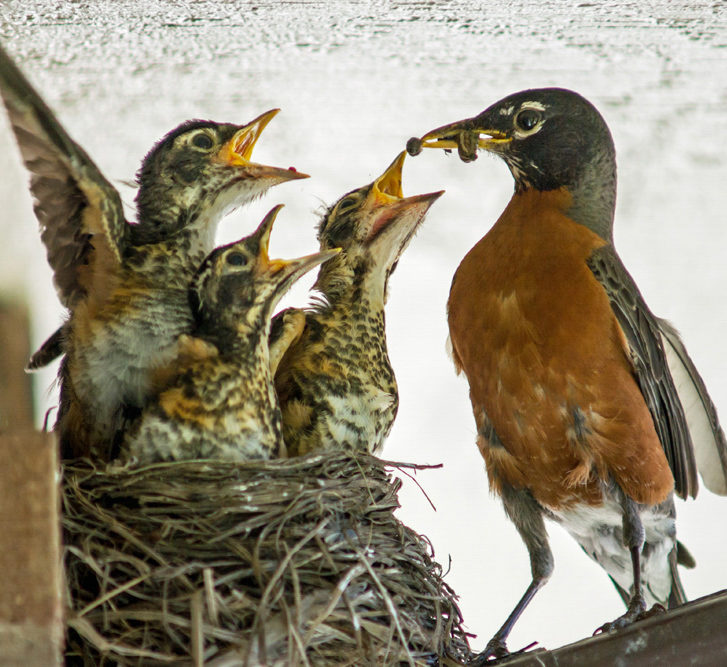
Credit: www.sungazette.com
Frequently Asked Questions
What Camera Settings Work Best For Bird Photography?
Use a fast shutter speed (1/1000s or faster) to freeze motion. Set a low ISO for clear images. Use aperture priority mode to control depth of field and keep birds sharp.
How Can I Attract Birds To My Backyard?
Provide food, water, and shelter. Use bird feeders with seeds or suet. Add birdbaths and native plants for natural cover. Create a safe, quiet environment to encourage visits.
What Time Of Day Is Best For Photographing Birds?
Early morning and late afternoon offer soft, natural light. Birds are more active during these times. Avoid harsh midday sunlight to reduce shadows and glare on your photos.
Which Lenses Are Ideal For Backyard Bird Photography?
A telephoto lens (300mm or longer) captures close-up bird details. Zoom lenses offer flexibility to adjust framing. Use lenses with image stabilization for sharper shots.
Conclusion
Bird photography in your backyard brings nature close. Patience and practice improve your shots. Use simple tools and observe bird behavior. Early mornings offer the best light and activity. Try different angles and distances for variety. Keep your camera ready for quick moments.
Enjoy the calm and beauty around you. Each photo tells a unique story. Keep learning and have fun every day. Your backyard can become a small wildlife sanctuary.




