
If you want to bring more life and color to your backyard, attracting birds to your feeder is one of the best ways to do it. Imagine watching beautiful birds visit your garden every day, filling the air with their cheerful songs.
You might wonder how to make your feeder the favorite spot for these feathered friends. This guide will show you simple, effective tips to catch their attention and keep them coming back. Ready to turn your outdoor space into a lively bird paradise?
Let’s dive in!

Credit: happygardens.com
Choosing The Right Feeder
Choosing the right bird feeder is key to attracting a variety of birds to your outdoor space. The feeder you pick affects which species visit and how often. It also influences how easy it is for you to maintain and refill the feeder.
Types Of Bird Feeders
There are several types of bird feeders, each designed for different bird species and feeding habits. Tube feeders are great for small songbirds like finches and chickadees because they offer multiple feeding ports.
Platform feeders attract a wide range of birds, including larger ones like cardinals and jays, since they provide an open space for feeding. Suet feeders work well for woodpeckers and nuthatches, offering high-energy food in a mesh container.
Consider what birds are common in your area and what type of seed they prefer before choosing a feeder type.
Materials And Durability
Bird feeders come in various materials such as plastic, metal, and wood. Plastic feeders are lightweight and often budget-friendly but may not last as long under harsh weather conditions.
Metal feeders tend to be more durable and resistant to squirrels, but they might get hot in the sun, which can spoil seeds. Wood feeders offer a natural look but require regular maintenance to prevent rot and mold.
Think about your local climate and how much time you want to spend on upkeep when selecting feeder materials.
Placement Tips
Where you place your bird feeder can make a big difference in attracting birds. Position feeders near shrubs or trees to provide birds with quick shelter from predators.
Avoid placing feeders too close to windows to reduce the risk of bird collisions. Also, keep feeders away from areas with heavy foot traffic to help birds feel safe while feeding.
Have you noticed a spot in your yard where birds already gather? Starting there can boost your chances of success.
Selecting Bird-friendly Seeds
Choosing the right seeds is key to attracting birds to your feeder. Seeds must match the preferences of local birds. Good seeds keep birds coming back. Poor choices may leave feeders empty and birds uninterested. It is important to know which seeds attract which birds. Also, avoiding harmful seeds protects birds’ health. Changing seeds with the seasons helps meet birds’ changing needs.
Popular Seeds For Different Birds
- Black Oil Sunflower Seeds:Loved by many birds like finches, chickadees, and cardinals.
- Nyjer (Thistle) Seeds:Attracts finches such as goldfinches and siskins.
- Safflower Seeds:Preferred by cardinals and grosbeaks but often ignored by squirrels.
- Millet:Favored by ground-feeding birds like sparrows and doves.
- Cracked Corn:Draws larger birds such as jays and pigeons.
Avoiding Harmful Seeds
Some seeds can harm birds or cause illness. Avoid seeds treated with pesticides or chemicals. Moldy or old seeds may make birds sick. Stay away from seeds with shells that are hard to digest. Avoid cheap seed mixes filled with fillers like wheat or oats. These fillers offer little nutrition and attract pests. Clean feeders often to prevent disease spread.
Seasonal Seed Choices
Birds’ seed preferences change with seasons. In winter, high-energy seeds like sunflower help birds survive cold. Spring and summer attract birds with smaller seeds for feeding young. Fall is a good time for mixed seeds to prepare birds for migration. Adjust seed types to support birds all year round.
Creating A Bird-friendly Environment
Creating a bird-friendly environment goes beyond just hanging a feeder. It’s about making your space inviting and safe for birds to visit regularly. Small changes in your yard can turn it into a vibrant haven that attracts a variety of feathered friends.
Native Plants And Shelter
Native plants provide natural food sources like seeds, berries, and nectar that birds recognize and rely on. They also offer shelter and nesting spots, which help birds feel secure.
Adding shrubs, trees, and flowering plants native to your region creates a welcoming habitat. Have you noticed how birds often disappear in plain sight when they find good cover? Your plants can be their safe hideout.
Water Sources
Birds need fresh water for drinking and bathing. A simple birdbath can attract many species, especially during hot or dry days.
Place water sources near feeders but with some open space so birds can watch for predators. Changing the water frequently keeps it clean and inviting. Ever caught a bird splashing around joyfully? That’s a sign you’ve created a perfect spot.
Safe Feeding Areas
Position feeders where birds have a clear view of their surroundings. Avoid placing them too close to windows to prevent collisions.
Keep feeding areas clean to stop the spread of diseases. Using feeders with covers or trays can protect seeds from rain and pests. How often do you check your feeders for cleanliness? Regular care keeps birds coming back safely.
Feeding Tips For Busy Gardeners
Busy gardeners often want to attract birds without spending much time. Feeding birds can be simple and quick. A few smart choices keep feeders full and birds happy. The right habits help maintain feeders with little effort. Here are some easy feeding tips for those with limited time.
Low-maintenance Feeding Routines
Choose feeding times that fit your schedule. Refill feeders once or twice a week. Use large feeders to hold more seed and reduce refills. Place feeders in easy-to-reach spots near your garden. Keep a small scoop handy for quick refills. Clean feeders monthly to prevent mold and disease.
Automated Feeder Options
Automated feeders save time and effort. Battery or solar-powered feeders release seed on a timer. These feeders keep food fresh and reduce waste. Some models hold large seed amounts for long periods. Set feeding intervals to match bird activity. Automated feeders help attract birds without daily work.
Preventing Seed Waste
Choose feeders designed to limit seed spillage. Use seed trays to catch dropped seeds. Pick high-quality seeds that birds eat quickly. Avoid overfilling feeders to reduce scattering. Remove wet or moldy seed regularly. Proper seed management keeps your garden clean and birds well-fed.
Attracting Specific Bird Species
Attracting specific bird species to your feeder brings variety and excitement to birdwatching. Each bird has unique tastes and habits. Understanding these preferences helps create a welcoming spot for them. This section focuses on finches, sparrows, hummingbirds, woodpeckers, and orioles. Learn what they like and how to invite them to your yard.
Attracting Finches And Sparrows
Finches and sparrows enjoy seeds that match their small beaks. Offer nyjer seeds for finches. These tiny black seeds are a favorite. Sparrows prefer millet and cracked corn. Use tube feeders with small ports for finches. Platform feeders work well for sparrows.
- Place feeders in open areas near shrubs for cover
- Keep feeders clean and filled with fresh seeds
- Provide fresh water nearby for drinking and bathing
Welcoming Hummingbirds
Hummingbirds love bright colors, especially red. Use red or clear feeders with sugar water. Mix four parts water to one part sugar. Avoid using honey or artificial sweeteners. Hang feeders in sunny spots with some shade. Plant nectar-rich flowers like trumpet vine or bee balm nearby.
- Clean feeders weekly to prevent mold
- Refill feeders every few days during hot weather
- Provide perches near feeders for resting
Inviting Woodpeckers And Orioles
Woodpeckers enjoy suet and nuts. Use suet cages and feeders with peanuts. Orioles prefer fruit and nectar. Offer orange halves and sugar water in oriole feeders. Place feeders near trees or posts. Woodpeckers like shaded, quiet spots. Orioles prefer sunny locations.
- Use mesh or cage feeders for suet and fruit
- Change fruit regularly to avoid spoilage
- Keep feeders clean to prevent disease
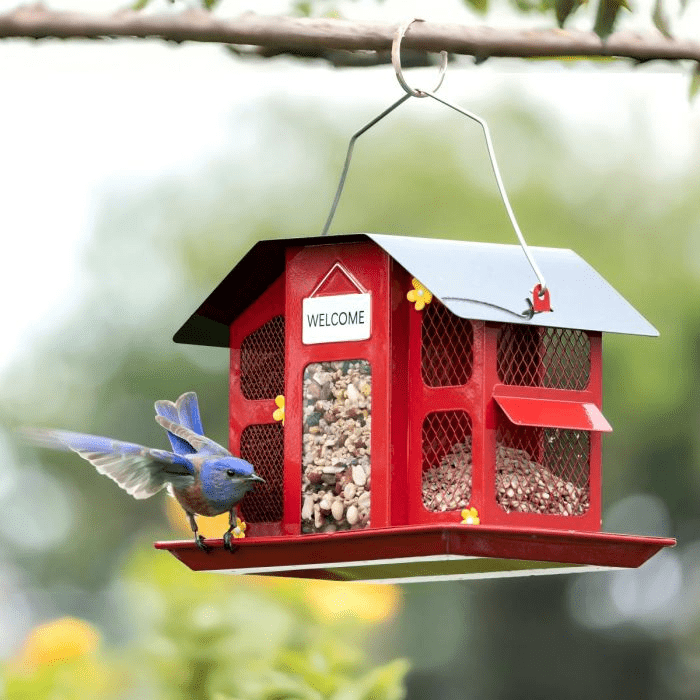
Credit: www.kingsyard.com
Maintaining Cleanliness And Safety
Keeping bird feeders clean helps attract more birds. Regularly wash feeders to prevent mold and diseases. Ensure they are safe from predators and provide fresh seeds.
Maintaining cleanliness and safety is crucial for attracting birds to your feeder. A clean feeding station ensures a healthy environment for your feathered visitors. By prioritizing cleanliness, you prevent disease and promote a safe space for birds. Here’s how to maintain a bird-friendly feeder.Regular Feeder Cleaning
Clean your feeder every week to keep it hygienic. Use warm water and mild soap for washing. Rinse thoroughly to remove any soap residues. Dry the feeder completely before refilling. This routine helps deter mold and bacteria.Preventing Disease Spread
Diseases can spread quickly among birds at feeders. To prevent this, avoid overcrowding by spacing multiple feeders apart. Replace old birdseed to prevent contamination. If you notice sick birds, temporarily remove feeders to limit interaction.Safe Pest Control
Pests like squirrels can disrupt bird feeders. Use baffles or squirrel-proof feeders to deter them. Avoid using harmful chemicals, which can harm birds. Keep the area around feeders tidy to minimize pest attraction.
Credit: www.youtube.com
Frequently Asked Questions
What Types Of Bird Feeders Attract The Most Birds?
Tube and platform feeders attract a wide variety of birds. Tube feeders are great for small songbirds. Platform feeders attract larger birds and offer diverse food options.
Which Seeds Are Best For Attracting Wild Birds?
Black oil sunflower seeds attract many bird species. Nyjer seeds are ideal for finches. Mixed birdseed blends offer variety and appeal to different birds.
How Often Should I Clean My Bird Feeder?
Clean feeders every two weeks to prevent disease. Use warm water and mild soap. Rinse thoroughly and dry before refilling.
Where Is The Best Place To Hang A Bird Feeder?
Place feeders near trees or shrubs for shelter. Ensure they are visible and safe from predators. Avoid direct sunlight and windy spots.
Conclusion
Attracting birds to your feeder brings joy and life to your yard. Choose fresh seeds and clean feeders regularly. Place feeders where birds feel safe and can easily find food. Patience helps; birds may take time to visit. Watch quietly and enjoy their colors and songs.
Small changes make a big difference in attracting more birds. Keep feeding consistent, especially in cold months. Your garden becomes a lively bird haven with simple care. Nature’s beauty is just a feeder away.




