
Have you ever wondered how backup cameras create that amazing bird’s eye view of your car? It’s like having eyes all around your vehicle, showing you every angle at once.
This view can save you from tricky parking spots and hidden obstacles. You’ll discover exactly how these cameras work together to give you that clear, all-around vision. By the end, you’ll understand the technology behind it and why it’s a game-changer for your driving safety.
Keep reading to unlock the secrets behind the bird’s eye view!

Credit: www.rearviewsafety.com
Backup Camera Basics
Backup cameras have become essential in modern vehicles. They improve safety and help drivers see blind spots behind the car. These cameras offer real-time video, making parking and reversing easier. Understanding the basics of backup cameras helps to appreciate how they contribute to driving safety and convenience.
Types Of Backup Cameras
- Rear-mounted cameras:Placed near the license plate for a clear rear view.
- Side-view cameras:Installed on vehicle sides to reduce blind spots.
- Wireless cameras:Connect without cables, easier to install.
- Wired cameras:More reliable with direct connections to the display.
- Flush mount cameras:Built into the vehicle body for a sleek look.
How Backup Cameras Work
A backup camera uses a small lens and image sensor. It captures video behind the vehicle. The video feeds to a screen inside the car, often on the dashboard. The camera activates automatically when reversing gear is selected. Some systems include guidelines to help judge distances. Advanced models combine images from multiple cameras for a wider view.
Benefits Of Backup Cameras
- Enhance driver visibility behind the vehicle.
- Reduce risk of accidents with pedestrians or objects.
- Make parking in tight spots easier and safer.
- Help protect children and pets from unseen dangers.
- Increase overall confidence when reversing the car.

Credit: veise2008.en.made-in-china.com
Birds Eye View Technology
Birds Eye View technology provides drivers with a complete view around their vehicle. It combines images from multiple cameras to create a single, top-down perspective. This view helps in parking, maneuvering, and avoiding obstacles. The technology improves awareness by showing areas that are hard to see with mirrors alone.
What Is Birds Eye View?
Birds Eye View is a camera system that shows a vehicle from above. It stitches together images from different angles. This creates a seamless, 360-degree view around the car. Drivers see the car’s position in tight spaces clearly. It helps prevent collisions with objects or pedestrians nearby.
Components Of Birds Eye View Systems
- Multiple cameras placed around the vehicle—front, rear, and sides
- Image processing unit that merges camera feeds into one image
- Display screen inside the vehicle showing the combined view
- Software that adjusts the image for a smooth, bird’s eye perspective
How Birds Eye View Enhances Safety
Birds Eye View reduces blind spots around the car. Drivers can see children or obstacles close to the vehicle. It helps avoid accidents in parking lots and narrow roads. The clear view improves confidence during tricky maneuvers. Overall, it lowers the risk of damage and injury.
Integrating Backup Cameras With Birds Eye View
Integrating backup cameras with birds eye view technology enhances vehicle safety and parking ease. This system creates a top-down image of the vehicle surroundings. It combines several camera feeds to give drivers a clear, complete view. The integration requires advanced image processing and software coordination. The result is a seamless, real-time visual aid.
Combining Multiple Camera Feeds
Backup cameras capture different angles around a vehicle. These images must be combined to form one continuous view. Cameras are placed at the front, rear, and sides. Each camera sends video to a central system. The system merges these feeds into a single perspective. This process allows drivers to see all nearby obstacles at once.
Image Stitching Techniques
Image stitching joins several images to create one wide-angle picture. The system aligns overlapping areas from each camera feed. It corrects distortions to ensure smooth transitions between images. Algorithms adjust brightness and color for consistency. The stitched image appears as if from above the vehicle. This technique helps produce a clear birds eye view.
Software Behind Birds Eye View
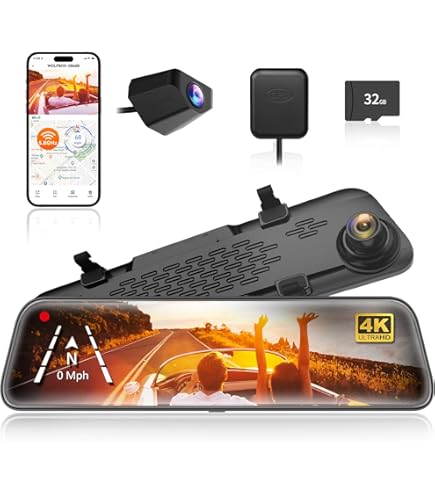
Special software processes camera inputs continuously. It uses mapping and sensor data to position images correctly. The software tracks vehicle movement to update the view in real time. It also filters out visual noise and glitches. User-friendly interfaces display the birds eye view on the dashboard screen. Software updates improve accuracy and add new features over time.
Credit: www.amazon.ca
Installation And Calibration
Installing and calibrating a backup camera for a bird’s eye view enhances vehicle safety. Proper setup ensures a comprehensive view of surroundings. Carefully align the camera and adjust settings for optimal performance.
Installing and calibrating backup cameras for a bird’s eye view can transform your driving experience, providing a comprehensive perspective that enhances safety and convenience. It’s not just about slapping a camera on your vehicle; strategic placement and precise calibration are crucial. Let’s dive into how you can achieve this with simple, actionable steps.Camera Placement Tips
Strategically positioning your cameras is key to capturing a seamless bird’s eye view. Place cameras on each side of your vehicle, including the front and rear. Consider the height and angle to ensure they cover blind spots effectively. Weather conditions can impact camera performance. Ensure placements are weatherproof to maintain visibility in rain or fog. You may want to test different positions before settling on the final setup.Aligning Cameras For Accurate Views
Once placed, aligning your cameras ensures they provide a cohesive image. Use guide marks or grids available in the camera software to align them correctly. The goal is to have overlapping fields of view for a continuous, panoramic image. Check the alignment during different times of the day. Lighting changes can affect visibility and calibration, so adjust as needed for both day and night driving.Calibration Processes
Proper calibration fine-tunes the visuals for accuracy and reliability. Start by connecting your cameras to a central display. Use the software tools provided to adjust angles and eliminate distortion. Regularly recalibrate to account for changes over time. Mechanical shifts or environmental factors might require periodic recalibration to keep the system accurate. Are your cameras set for the long haul, or do they need regular check-ups? A proactive approach ensures they remain a dependable co-pilot on every journey.Troubleshooting Common Issues
Bird’s eye view backup cameras offer a wide perspective around your vehicle. This view relies on multiple cameras working together. Problems can occur and affect the image quality or system performance. Understanding common issues helps keep the system reliable and safe. Troubleshooting saves time and prevents bigger problems.
Image Distortion Problems
Image distortion can make the view unclear or warped. Dirt, water, or scratches on the camera lens cause blurry or warped images. Clean lenses gently with a soft cloth and mild cleaner. Incorrect camera alignment also causes distortion. Check camera angles and adjust them carefully.
Lighting conditions affect image quality too. Bright sunlight or shadows can create glare or dark spots. Adjusting camera settings or repositioning the vehicle helps reduce these effects.
Connectivity And Signal Loss
Signal loss interrupts the bird’s eye view display. Loose or damaged cables cause weak or lost connections. Inspect all wiring and connectors for damage or looseness. Secure any loose connections firmly.
Wireless systems can face interference from other devices. Keep the camera and receiver away from strong electronic signals. Restarting the system may restore the connection. Use a signal booster if needed for better range.
Software Glitches
Software problems can freeze or crash the display. Regularly update the camera system’s software to fix bugs and improve performance. Follow the manufacturer’s instructions for updates.
Resetting the system often clears glitches. If problems persist, contact customer support for troubleshooting or repair advice. Avoid tampering with the software beyond official updates.
Future Trends In Vehicle Camera Systems
Vehicle camera systems have evolved dramatically, and their future promises even more exciting changes. These systems are becoming smarter, clearer, and more connected. Understanding these trends can help you appreciate how your driving experience might improve soon.
Advancements In Ai And Machine Learning
AI is teaching cameras to recognize objects, pedestrians, and road signs automatically. This means your car can warn you about potential hazards faster than ever before. Imagine your backup camera not just showing the view but also alerting you when a child or pet suddenly appears behind your vehicle.
Machine learning allows these systems to improve over time, adapting to different environments and driving patterns. You might notice better performance in foggy or low-light conditions as the system learns from real-world data.
Integration With Autonomous Driving
Bird’s eye view cameras are becoming essential for self-driving cars. They provide a 360-degree understanding of the vehicle’s surroundings, which is critical for safe navigation.
As autonomous technology advances, these cameras will work hand-in-hand with radar and lidar sensors. This integration helps your vehicle make smarter decisions, like when to change lanes or park itself without any input from you.
Improved Image Resolution And Processing
Higher resolution cameras mean sharper, clearer images. You’ll see more details, such as small objects or road markings, making parking and maneuvering easier.
Faster image processing reduces any lag, so what you see on the screen matches real-time events precisely. This improvement can make a big difference in tight spots or busy areas where every second counts.
Frequently Asked Questions
How Does A Backup Camera Create A Bird’s Eye View?
A backup camera uses multiple cameras around the vehicle. It stitches their images together. This forms a 360-degree, top-down view. The system processes the images to remove distortions, offering a clear bird’s eye perspective for safer parking and maneuvering.
Why Is Bird’s Eye View Important In Backup Cameras?
Bird’s eye view enhances driver awareness. It shows obstacles around the vehicle from above. This reduces blind spots and helps avoid collisions. It improves parking accuracy and safety, especially in tight spaces or busy environments.
Can All Backup Cameras Provide Bird’s Eye View?
Not all backup cameras offer bird’s eye view. This feature requires multiple cameras and advanced software. Only vehicles with integrated 360-degree camera systems can provide this comprehensive view. Standard backup cameras usually show a rear-only view.
How Accurate Is The Bird’s Eye View From Backup Cameras?
Bird’s eye view accuracy depends on camera quality and software. Most systems provide precise, real-time images with minimal distortion. However, extreme weather or dirt can affect clarity. Regular maintenance ensures optimal performance and reliable views.
Conclusion
Backup cameras create a bird’s eye view by combining multiple camera angles. The system stitches images from different sides of the vehicle. This gives drivers a clear, full view around their car. It helps avoid blind spots and park safely.
The technology uses sensors and software to align the pictures. This view makes driving in tight spaces easier and safer. Understanding how this works helps you appreciate your backup camera system. It shows how technology improves everyday driving safety.




